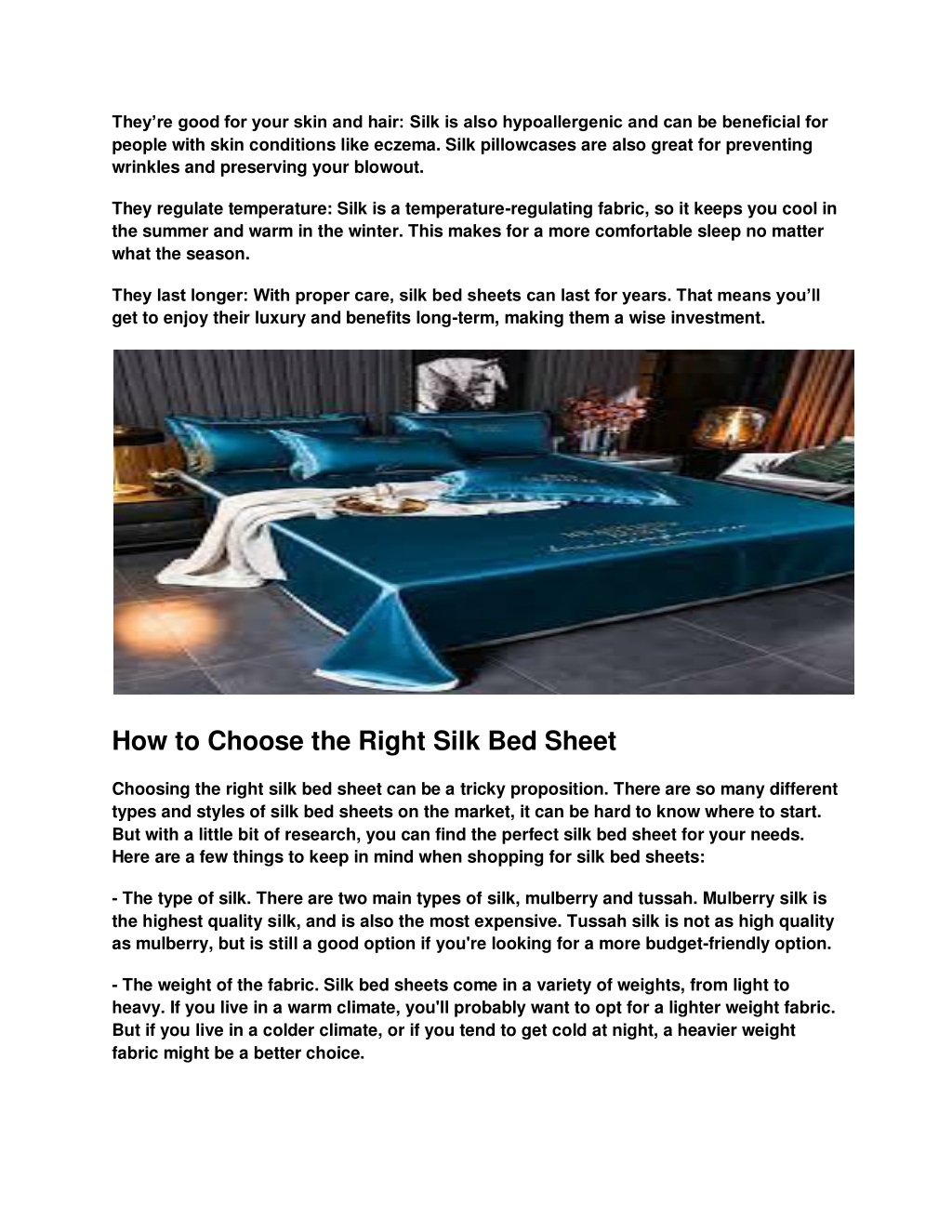
Silk bed sheets are an excellent investment for individuals prioritizing skin health, temperature regulation, and hypoallergenic properties. While they require a higher upfront cost and more meticulous laundering than cotton or polyester, their ability to reduce friction on hair and skin, coupled with superior breathability, makes them a high-value choice for quality sleep.
For decades, silk has been synonymous with luxury, but as we move through 2026, the conversation has shifted toward a more practical assessment of its functional benefits. To determine if silk bed sheets are "good" for your specific needs, one must look beyond the aesthetic sheen and evaluate the material's structural integrity, biological impact, and long-term maintenance requirements.
Understanding the Technical Anatomy of Silk Bedding
Before assessing the value of silk, it is essential to understand what constitutes a "high-quality" silk sheet. Unlike cotton, which uses thread count as a primary metric, silk quality is measured by momme (pronounced "mom-ee") weight and the species of the silkworm.
The Significance of Momme Weight
Momme weight describes the weight of 100 yards of silk fabric, 45 inches wide, in pounds. In practical terms, it indicates the density of the silk fibers. In 2026, the standard for high-end bedding remains between 19 and 25 momme.
- 19 Momme: This is considered the entry-level for durable bedding. It is lightweight and affordable but may have a shorter lifespan if used every night.
- 22 Momme: Generally regarded as the "sweet spot" for price and durability. It contains approximately 20% more silk per square inch than 19 momme, offering a richer drape and higher tensile strength.
- 25 Momme: This is a heavy-duty, ultra-luxury weight. It is exceptionally durable and opaque but comes with a significantly higher price point.
Mulberry Silk vs. Alternative Silks
The vast majority of high-quality assessments focus on Mulberry silk. This is produced by the Bombyx mori silkworm, which is fed an exclusive diet of mulberry leaves. The resulting fibers are long, incredibly smooth, and naturally white. In contrast, "wild silk" or Tussah silk tends to be shorter, rougher, and less durable, making it less ideal for the high-friction environment of a bed.
The Practical Benefits of Silk Sheets
The primary reason consumers choose silk is for its unique physical properties that cannot be fully replicated by synthetic fibers like polyester or semi-synthetics like bamboo (rayon/lyocell).
1. Advanced Thermoregulation
Silk is a natural protein fiber that excels at temperature regulation. Its structure allows for a high degree of breathability; it can absorb up to 30% of its weight in moisture without feeling damp to the touch. This makes it an ideal solution for "hot sleepers" or individuals dealing with night sweats. Conversely, silk’s low thermal conductivity means it traps a thin layer of air near the body during colder months, providing surprising warmth without the bulk of heavy blankets.
2. Dermatological and Trichological Health
One of the most cited reasons for switching to silk is the "slip" factor. Because silk fibers are remarkably smooth, they create significantly less friction against the human body than cotton.
- Skin: For individuals with sensitive skin, eczema, or acne, silk reduces the mechanical irritation that occurs when turning in bed. Furthermore, silk is less absorbent than cotton, meaning it won't "steal" expensive night creams or natural oils from your face while you sleep.
- Hair: Friction is a leading cause of bedhead, tangles, and split ends. Silk allows hair to glide over the surface, preserving hairstyles longer and reducing breakage for those with fine or brittle hair.
3. Hypoallergenic and Antimicrobial Properties
Silk is naturally resistant to dust mites, mold, and mildew. The sericin (a protein produced by silkworms) that coats the fibers during production acts as a natural deterrent to many common household allergens. For individuals with chronic allergies or asthma, silk bedding provides a cleaner sleeping environment that can lead to fewer respiratory flare-ups during the night.
The Practical Drawbacks and Limitations
No assessment of silk is complete without addressing the challenges that come with owning such a delicate material. For many, these factors are the deciding point against the purchase.
1. Cost of Entry
As of 2026, a full set of high-quality, 22-momme Mulberry silk sheets can range from $400 to over $900. This is a significant jump from premium long-staple cotton sheets, which might top out at $300. While silk advocates argue the longevity justifies the price, the initial investment remains a barrier for many households.
2. Maintenance and Laundering
Silk cannot be "thrown in" with the regular wash. It requires pH-neutral detergents specifically formulated for silk and wool. Standard alkaline detergents can dissolve the protein fibers over time, leading to "shredding" or a loss of luster.
- Washing: Most experts recommend a delicate cycle in a mesh wash bag or hand-washing.
- Drying: Heat is the enemy of silk. It must be air-dried away from direct sunlight, which can cause the fibers to become brittle and yellow.
- Ironing: Silk wrinkles easily. If you prefer a crisp look, you must iron the sheets while damp on the lowest possible heat setting.
3. The "Slippery" Factor
While the smoothness is a benefit for skin, it can be a nuisance for bed-making. Silk top sheets have a tendency to slide off the bed during the night. Some users find they have to tuck the sheets in tighter or use "sheet suspenders" to keep everything in place. Furthermore, if you are a restless sleeper, you may find yourself sliding around more than you would on a matte surface like percale cotton.
Technical Comparison: Silk vs. Other Bedding Materials
To understand if silk is the "best" choice, we must compare it to its primary competitors in the 2026 market.
| Feature | Mulberry Silk (22mm) | Long-Staple Cotton | Bamboo Lyocell | Polyester Satin |
|---|---|---|---|---|
| Breathability | Excellent | Very Good | Excellent | Poor |
| Durability | Moderate (Care Dependent) | High | Moderate | High |
| Hypoallergenic | Natural Property | Low | High (Treated) | Low |
| Friction Level | Lowest | Medium/High | Low | Low |
| Price Point | Premium ($$$$) | Mid to High ($$-$$$) | Mid ($$) | Low ($) |
| Washability | Delicate/Specialty | Machine Wash/Dry | Machine Wash/Line Dry | Machine Wash/Dry |
Environmental and Ethical Considerations
In the current climate of 2026, many consumers are concerned with the "how" behind their products. Silk is a natural, biodegradable fiber, which gives it an edge over microplastic-shedding synthetics like polyester. However, traditional silk production (sericulture) involves boiling the cocoons while the silkworms are inside to preserve the length of the thread.
For those with ethical concerns, Ahimsa silk (or "Peace Silk") is an alternative where the moth is allowed to emerge from the cocoon before it is harvested. While this is more humane, the resulting thread is broken, leading to a textured, less smooth fabric that lacks the signature "slip" of traditional Mulberry silk.
Is Silk Bedding Right for You? (Suitability Guide)
A practical assessment suggests that silk is not a universal solution but a specialized tool for specific sleep goals.
You should choose silk if:
- You suffer from severe night sweats or temperature fluctuations.
- You have a skin condition that is exacerbated by friction or dryness.
- You are concerned about hair breakage and facial "sleep lines."
- You have the time and discipline to follow a strict laundering routine.
You should avoid silk if:
- You prefer a "crisp" or "stiff" feel to your bedding (like hotel percale).
- You have pets (claws will easily snag and ruin silk fibers).
- You want to be able to wash and dry your bedding in under two hours using standard high-heat settings.
- You are on a strict budget where the cost-per-use must be exceptionally low.
Longevity and Care: Maximizing Your Investment
If you decide to proceed with silk, its "goodness" is entirely dependent on how you treat it. A well-maintained 22-momme silk sheet set can last 5 to 10 years, whereas a neglected set can degrade within 12 months.
The Impact of pH-Neutral Cleaning
The American Cleaning Institute and textile experts emphasize that ordinary detergents contain enzymes (proteases) designed to break down protein-based stains like food or grass. Since silk is a protein fiber, these detergents will literally eat away at your sheets. Always use a detergent labeled "Silk-Safe" or "Delicate."
Sunlight and Fiber Integrity
Ultraviolet (UV) radiation breaks down the molecular bonds in silk. If you hang your sheets to dry outside, ensure they are in a shaded, well-ventilated area. Constant exposure to the sun will cause the fabric to thin and eventually tear like paper.
Frequently Asked Questions
How long do silk sheets actually last?
With proper care (hand-washing or delicate cycle and air-drying), a high-quality 22-momme silk sheet set should last between 5 and 10 years. Lower momme weights (19mm) may only last 2–3 years of nightly use before thinning in high-friction areas like the foot of the bed.
Are silk sheets too slippery for a comfortable sleep?
This is subjective. While the low friction is beneficial for skin, some people find it distracting. If you are worried about slipping, consider starting with a silk pillowcase and a silk duvet cover while keeping a cotton fitted sheet for traction.
Can I wash silk sheets in a washing machine?
Yes, provided you have a modern machine with a "Delicate" or "Hand Wash" cycle. You must use a mesh laundry bag to prevent the sheets from snagging on the agitator or drum. Always use cold water and a silk-specific detergent. Never use the dryer.
What is the difference between silk and satin?
Silk is a natural fiber produced by silkworms. Satin is a type of weave. You can have "silk satin" (which is the high-quality bedding discussed here) or "polyester satin." Polyester satin is much cheaper, does not breathe well, and is far more slippery/plastic-feeling than genuine silk.
Does the color of silk sheets matter for quality?
In terms of fiber strength, no. However, very dark or vibrant dyes may bleed during the first few washes. Many experts recommend champagne, ivory, or light grey for silk bedding, as these require less heavy dyeing and maintain their softness longer.
Are silk sheets good for people with allergies?
Yes, silk is naturally resistant to dust mites and contains proteins that repel common household allergens. According to the Asthma and Allergy Foundation of America, managing the sleep environment is crucial for allergy sufferers, and silk is often recommended as a top-tier material for this purpose.
Final Practical Recommendation
If you are looking to improve your sleep quality and dermatological health in 2026, silk bed sheets are a "good" choice, provided you choose a 22-momme Mulberry silk and commit to specialized laundering. For those intimidated by the cost or care requirements, a compromise—such as a silk pillowcase paired with high-quality bamboo or cotton sheets—can offer many of the benefits at a fraction of the price and effort. However, for the ultimate in thermoregulation and skin protection, nothing quite matches the performance of a full silk set.