Whether you are legally required to carry comprehensive auto insurance depends entirely on your ownership status, your state of residence, and the terms of your financing agreements. In most jurisdictions, comprehensive coverage is not mandated by state law, but it is almost universally required by lenders and lessors to protect their financial interest in the vehicle.
The Legal Distinction Between Mandatory and Optional Insurance
To navigate auto insurance requirements, it is essential to distinguish between what the government demands and what a private entity mandates. State laws focus on public safety and financial responsibility for harm caused to others. Consequently, almost every U.S. state requires drivers to carry liability insurance. This coverage pays for the bodily injury or property damage you cause to another person in an accident.
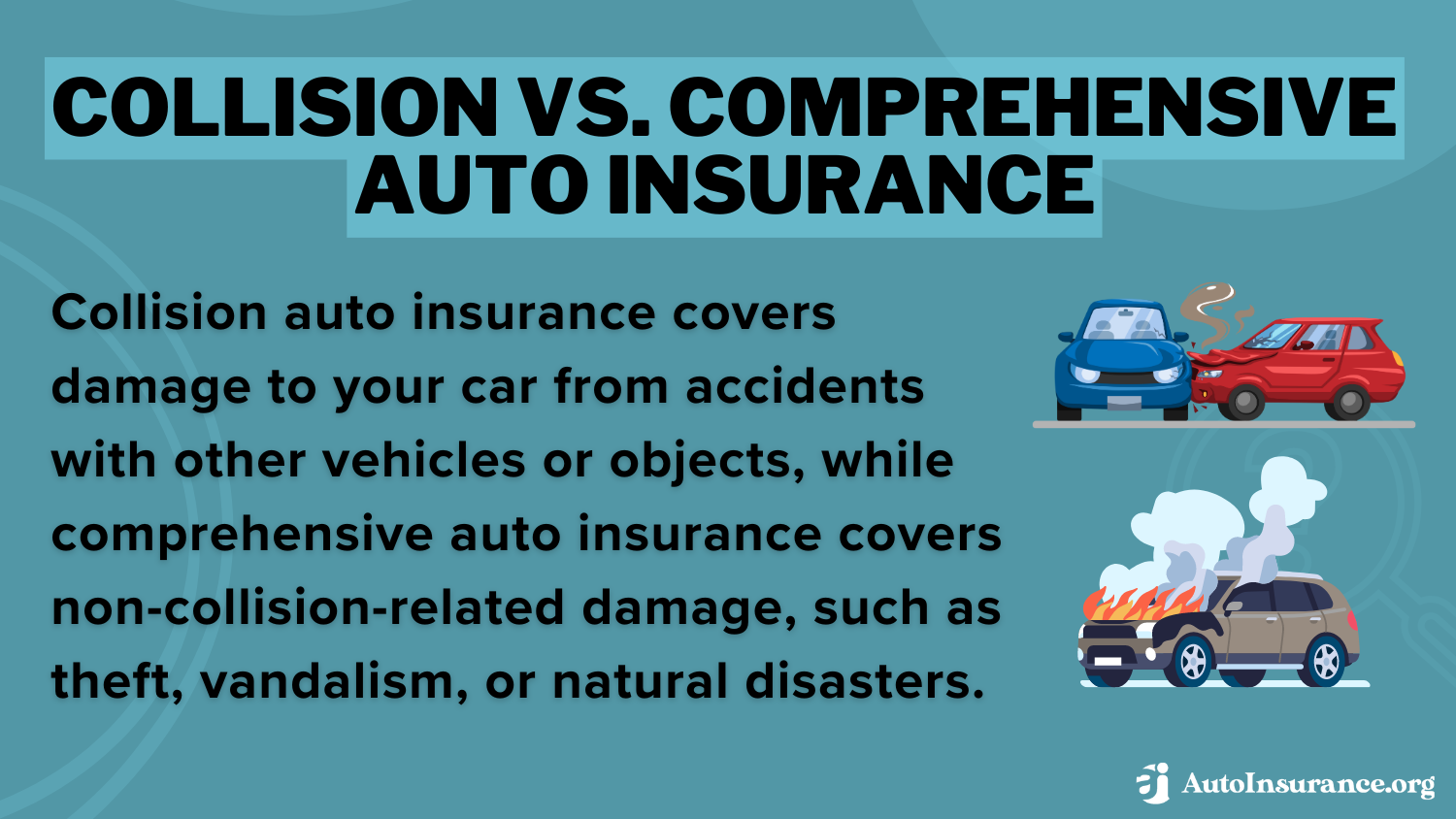
In contrast, comprehensive insurance is a first-party coverage. It pays for damage to your own vehicle resulting from events that are not related to a collision, such as fire, theft, vandalism, falling objects, or natural disasters. Because this coverage protects the value of your asset rather than the rights of the public, state governments generally do not make it a mandatory legal requirement for vehicle registration or operation.
The Role of Lenders and Lessors
While your state may not require comprehensive coverage, your contract might. If you have financed your vehicle through a bank, credit union, or captive auto finance company, your loan agreement almost certainly contains a provision requiring you to maintain both comprehensive and collision coverage until the loan is paid in full.
Why Lenders Demand Coverage
When you finance a vehicle, the lender retains a security interest in that car. If the vehicle is destroyed by a wildfire, stolen, or totaled in a storm, the lender faces a significant risk of losing their collateral. By requiring comprehensive and collision insurance, the lender ensures that if a total loss occurs, there are funds available to pay off the remaining balance of the loan, protecting them from financial loss.
Consequences of Dropping Coverage
If you decide to cancel your comprehensive and collision coverage while you still owe money on your car, you are likely in breach of your loan contract. Lenders monitor insurance status through electronic notices from your insurance carrier. If your policy lapses or coverage is removed, the lender will usually send a warning. If you fail to reinstate the coverage, the lender has the right to purchase "force-placed" insurance on your behalf. This is a policy designed to protect only the lender, typically at a much higher cost and with much lower protection for the vehicle owner than a standard market policy.
Understanding the Scope of Comprehensive Coverage
Comprehensive insurance—often referred to as "other than collision" coverage—is specifically designed to handle risks that are outside of the driver's control. In 2026, as vehicle technology becomes more expensive to repair, understanding the specific incidents covered is critical for risk management.
Covered Perils
- Theft and Vandalism: If your vehicle is stolen or suffers damage from an attempted break-in, comprehensive coverage pays for the repairs or the actual cash value (ACV) of the vehicle.
- Weather and Natural Disasters: This includes damage from hail, windstorms, floods, hurricanes, and lightning strikes.
- Fire and Explosion: Coverage applies to accidental fires regardless of whether they occur while the vehicle is parked or in motion.
- Animal Collisions: Striking a deer or other large animal is typically classified as a comprehensive claim rather than a collision claim, as it is viewed as an unpredictable event.
- Falling Objects: This covers damage caused by tree limbs, rocks, or construction debris.
Deductibles and Financial Impact
Comprehensive insurance is subject to a deductible—the amount you pay out-of-pocket before the insurer covers the remainder of the claim. Common deductibles range from $250 to $1,000. Choosing a higher deductible will lower your premium, but you must ensure you have enough cash reserves to cover that deductible should a significant loss occur.
Comparison: Mandatory vs. Contractual Requirements
The table below clarifies the distinction between legal requirements and contractual obligations for typical vehicle owners.
| Requirement Type | Liability Insurance | Comprehensive/Collision |
|---|---|---|
| State Law | Required in almost all states | Optional |
| Leased Vehicles | Required by Lessor | Required by Lessor |
| Financed Vehicles | Required by Lender | Required by Lender |
| Owned Vehicles (Paid Off) | Required by State | Optional (Owner's Choice) |
| Primary Purpose | Protects other drivers/property | Protects the vehicle owner/lender |
Evaluating Whether to Keep Comprehensive Insurance
If you own your vehicle outright and have a clear title, you are no longer under contract to carry comprehensive coverage. Deciding whether to keep it involves a logical assessment of your vehicle’s value and your financial tolerance for risk.
The "10% Rule"
A common industry guideline is to compare the cost of the annual comprehensive premium to the actual cash value of the car. If the annual premium for comprehensive and collision coverage represents more than 10% of the vehicle’s current market value, it may be financially prudent to drop these coverages.
Assessing Vehicle Age and Replacement Costs
As vehicles age, their market value depreciates significantly. For an older vehicle, the maximum payout from an insurance company in the event of a total loss (the actual cash value) may be relatively low. If you have significant savings and could easily replace the vehicle if it were stolen or destroyed, the monthly premium might be better allocated elsewhere. However, if losing the car would prevent you from commuting or carrying out essential tasks, keeping the coverage—even on an older car—is often a form of "budgeting for a disaster."
Steps to Verify Your Insurance Obligations
If you are unsure of your requirements, follow these steps to confirm your status:
- Check Your Loan Agreement: Review the "Insurance" or "Collateral" section of your loan contract. It will explicitly list the types of coverage required and the maximum allowable deductible.
- Review State DMV Guidelines: Visit your state’s Department of Motor Vehicles or Department of Insurance website. They provide clear documentation on what is required to maintain a valid registration.
- Consult Your Agent: Contact your insurance agent or carrier. They can verify if your policy is currently set to satisfy a lienholder’s requirements. If you have paid off your car, they can advise on how to remove these coverages to lower your premium.
- Confirm Lienholder Status: Ensure your insurance company has received a "lien release" or updated notice if you have finished paying off your loan.
Practical Recommendations
If you are currently financing a vehicle, you are effectively required to maintain comprehensive insurance by your lender. Do not attempt to cancel this coverage without first reviewing your loan agreement to avoid force-placed insurance or potential repossession.
If you own your vehicle outright, treat the purchase of comprehensive insurance as a risk management decision rather than a legal one. If you reside in an area prone to severe weather, such as hurricanes, floods, or wildfires, the cost of comprehensive coverage is often highly undervalued compared to the potential loss of a primary transportation asset.
Frequently Asked Questions
Is comprehensive insurance mandatory for a leased vehicle?
Yes. Leasing companies maintain strict requirements to ensure their asset is protected. You will be required to carry comprehensive and collision coverage with specific deductible limits for the duration of the lease.
Does liability insurance cover theft?
No. Liability insurance only covers damage or injuries you cause to others. If your car is stolen, you must have comprehensive insurance to receive compensation for the loss.
Can I drop comprehensive coverage after I pay off my car loan?
Yes. Once the lienholder is removed from your title, you are no longer contractually obligated to maintain comprehensive or collision insurance. However, you must still maintain the state-mandated minimum liability coverage.
What happens if I don't carry comprehensive coverage but my lender requires it?
The lender will likely purchase "force-placed" insurance. This policy is extremely expensive and provides very limited protection. They will add this cost to your monthly loan payment, significantly increasing your overall debt load.
Is it worth keeping comprehensive insurance on an old car?
It depends on the vehicle's value. If the car is worth less than the cost of the annual insurance premiums plus your deductible, it is usually not worth the expense. However, if the car is your only means of transportation, keeping the coverage provides a safety net that protects your mobility.