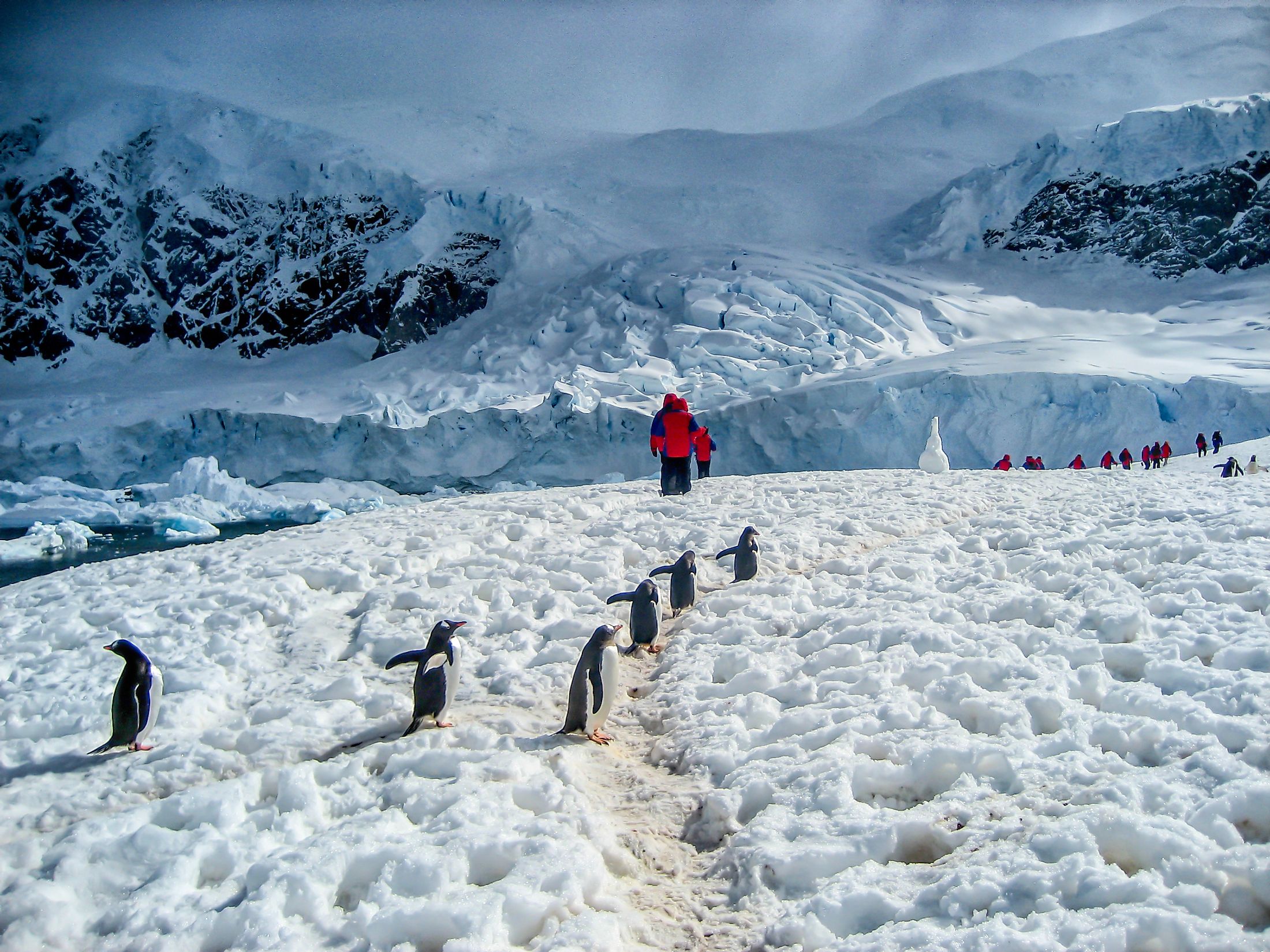
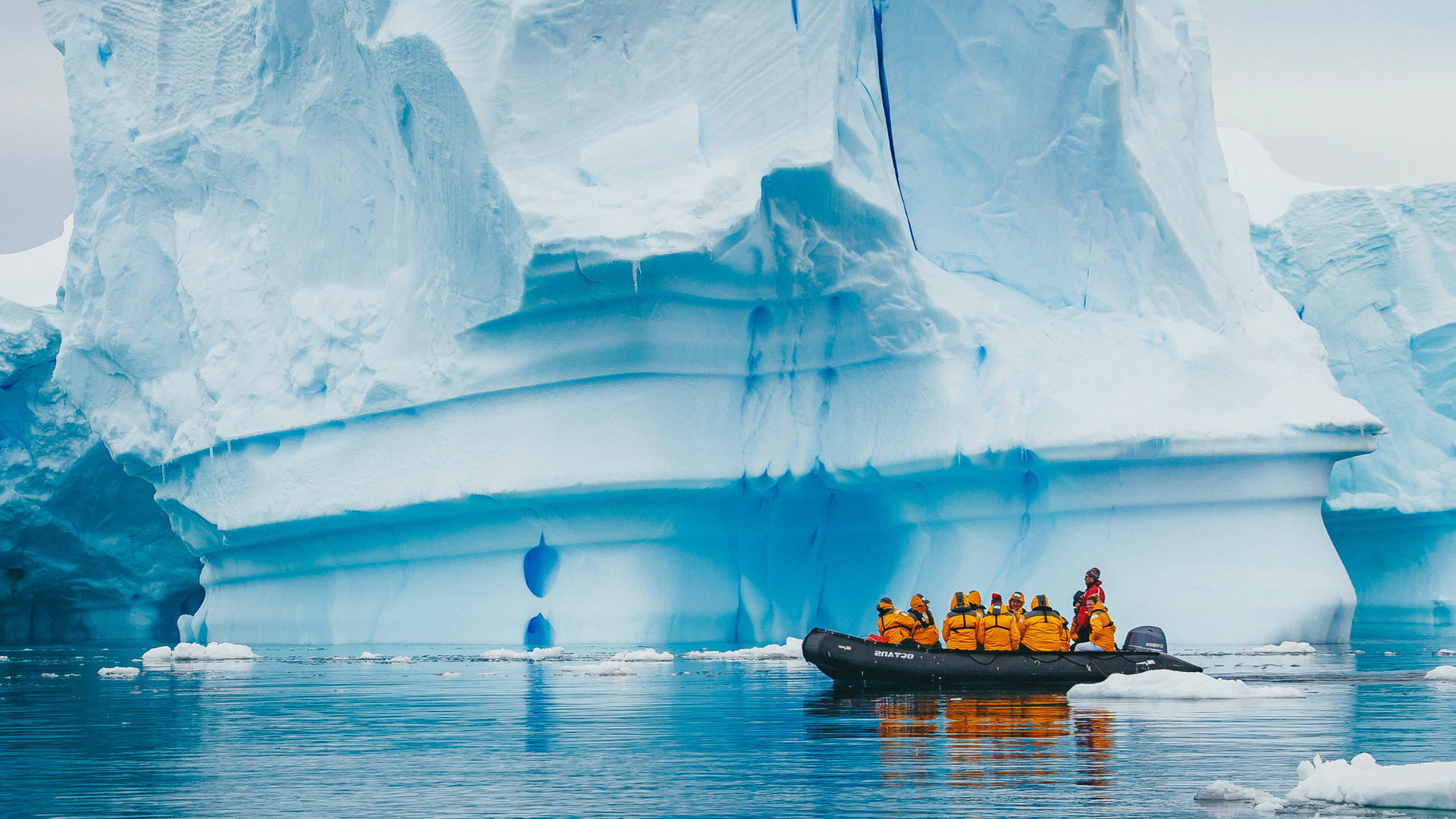
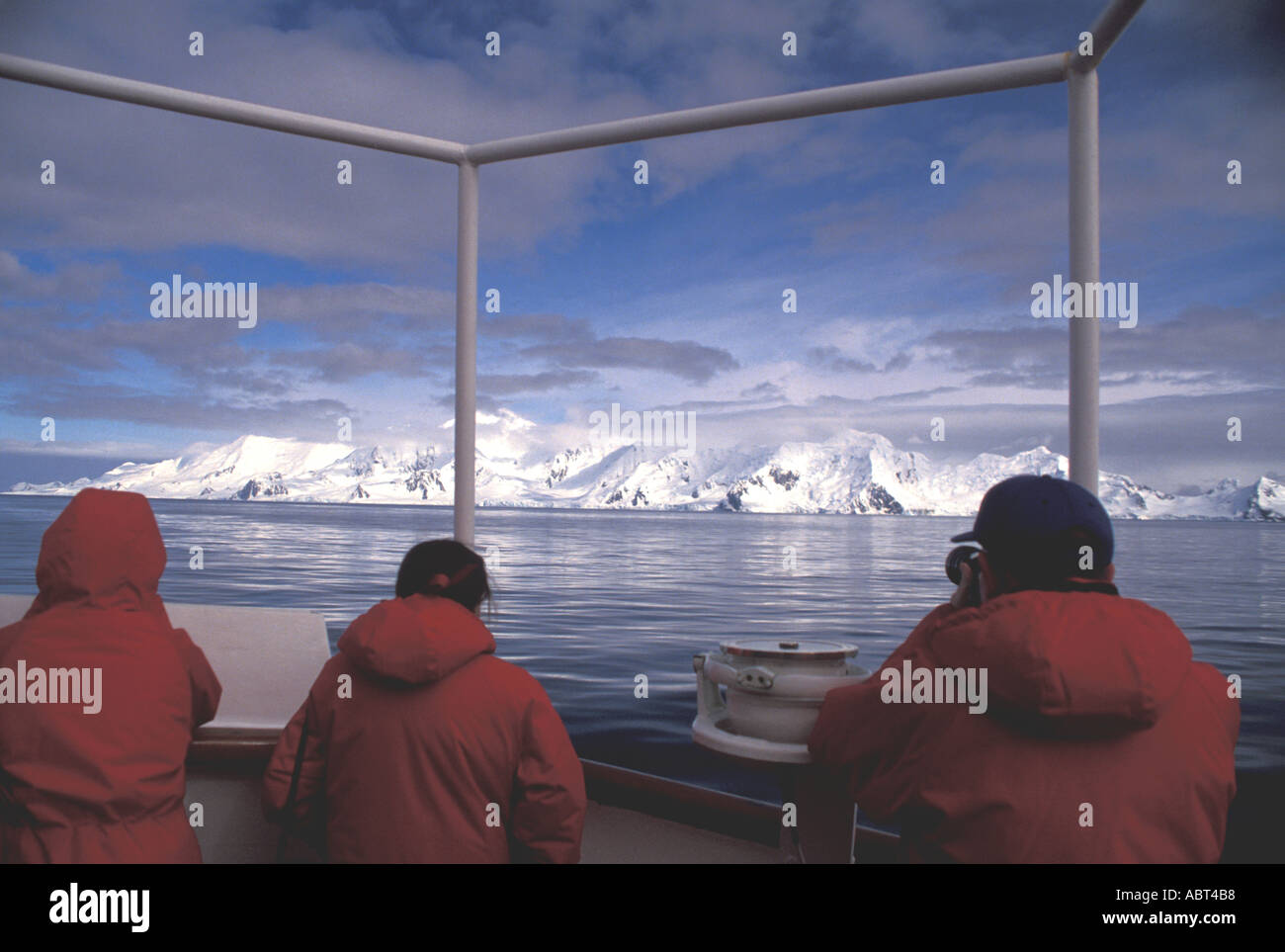
While Antarctica has no permanent indigenous population and no sovereign government, it hosts a fluctuating community of scientists, support staff, and researchers. Throughout 2026, the continent maintains a transient human presence that varies from approximately 1,000 people during the harsh winter months to over 5,000 during the austral summer.
Understanding the Human Presence in Antarctica
Antarctica is unique among the world’s continents because it lacks a permanent resident population. Unlike the Arctic, which features diverse indigenous cultures and long-standing communities, Antarctica remains a land of extreme environmental hostility, governed by international treaty rather than local residency laws. There are no towns, cities, or families living in the traditional sense. Everyone present on the continent is there for a specific, time-limited professional purpose.
The human footprint in Antarctica is defined by the Antarctic Treaty System, a complex web of international agreements that ensures the region is used exclusively for peaceful, scientific purposes. Because the continent is effectively a global scientific laboratory, the population is comprised entirely of personnel affiliated with national Antarctic programs. These individuals are typically employees of government agencies, contractors, or specialized researchers selected through competitive academic or professional channels.
The Seasonal Population Flux
The logistics of living in Antarctica are dictated entirely by the sun. The "seasonal cycle" creates a dramatic difference in how many people occupy the continent at any given time.
- The Austral Summer (October to March): This is the period of intense activity. With the sun remaining above the horizon for much of the time and temperatures rising to levels that allow for field research, coastal base operations, and aircraft flights, the population swells. Scientists arrive from across the globe to conduct fieldwork, and support staff—such as heavy machinery operators, cooks, pilots, and station managers—are brought in to facilitate this massive seasonal expansion.
- The Austral Winter (April to September): As the sea ice expands and temperatures plummet, often dropping below -60°C (-76°F), the vast majority of personnel depart. Those who remain are known as "winter-overs." These individuals are responsible for maintaining the station's integrity, monitoring long-term environmental sensors, and ensuring the facility remains viable until the summer crews return.
Who Lives There: Roles and Professions
The demographic of Antarctica is highly specialized. Because the environment is so demanding, there is little room for individuals who do not serve a critical function. The population is categorized broadly into two groups: scientists and support personnel.
Scientific Research Teams
Scientists represent the primary reason for human presence. Research disciplines include glaciology, atmospheric physics, marine biology, geology, and astronomy. In 2026, projects often involve deep-ice core drilling to study past climate patterns or observing celestial events that are clearer in the stable, cold atmosphere of the South Pole.
Operational Support Staff
The survival of the scientists depends entirely on a robust support infrastructure. This includes:
- Station Managers: Overseeing the day-to-day operations and safety protocols.
- Tradespeople: Electricians, plumbers, and mechanics are perhaps the most vital staff members, as they must keep heating, power, and water systems functional in extreme cold.
- Medical Staff: Every major station is staffed by doctors or medical technicians trained to handle trauma and isolation-related health concerns.
- Logistics and Kitchen Staff: Food service and supply chain management are essential for morale and health in an environment where fresh produce is a luxury.
Infrastructure and Living Conditions
Living in Antarctica is not comparable to living in a remote town; it is more similar to living on a space station. Modern Antarctic research stations, such as the U.S. Amundsen-Scott South Pole Station or the British Antarctic Survey’s Halley VI, are marvels of architectural engineering.
Stations are typically elevated to prevent snow accumulation and are connected by heated tunnels or specialized corridors. Living quarters include private rooms, communal dining areas, gyms, and libraries to support the mental health of residents enduring months of isolation. Communication is handled via satellite uplinks, allowing for internet access, though bandwidth is often limited and prioritized for scientific data transmission.
| Season | Estimated Population | Activity Focus |
|---|---|---|
| Austral Summer | 4,000 – 5,500 | Fieldwork, base resupply, construction |
| Austral Winter | 800 – 1,200 | Maintenance, long-term monitoring |
The Legal and Regulatory Environment
Because no nation owns Antarctica, no individual can claim "residency" there. The Antarctic Treaty (1959) suspended all territorial claims. Consequently, there are no taxes, no local elections, and no judicial system of the type found in sovereign nations.
If an individual commits a crime or experiences a legal emergency, they remain subject to the jurisdiction of their home nation or the nation that operates the station where they are stationed. Legal status is essentially tied to one’s employment contract with a specific national Antarctic program. Citizenship and residency remain rooted in the individual's country of origin; being in Antarctica is considered "being in the field" rather than "living in a new place."
Challenges of Sustained Human Presence
Living in Antarctica involves significant physical and psychological hazards.
- Isolation: The "Polar T3 Syndrome" describes a cluster of symptoms—including impaired cognition, irritability, and sleep disturbances—often associated with long-term winter-over stays in isolated polar environments.
- Environmental Hazard: The risk of frostbite, hypothermia, and high-altitude pulmonary edema (at stations like the South Pole, which sits on a high plateau) is constant.
- Medical Evacuation: During the winter months, when temperatures and wind speeds are at their most extreme, medical evacuation is often impossible. Residents are essentially on their own, relying on a resident physician and telemedicine support.
Frequently Asked Questions
Can anyone move to Antarctica and live there? No. Antarctica is not open to public settlement. To go to Antarctica, you must be hired by a national Antarctic program or an approved research institution. There is no housing market, no immigration process for settlement, and no mechanism for permanent residency.
Do people get paid to live in Antarctica? Yes. Those who work at Antarctic stations are employees of government agencies or research organizations. They receive salaries, housing, and food, as the environment requires a professional workforce to maintain the stations and conduct high-level research.
What happens if someone gets sick in the winter? Stations are equipped with medical clinics capable of basic surgery and trauma care. However, serious emergencies present a major problem. In extreme cases, if a medical evacuation is necessary, it requires a high-risk operation involving specialized aircraft and favorable weather windows, which are rare during the dark winter.
Is it possible to visit Antarctica as a tourist? Yes, but only in the summer. Thousands of tourists visit the Antarctic Peninsula annually via specialized expedition cruise ships. These vessels provide mobile accommodation and strictly adhere to the guidelines set by the International Association of Antarctica Tour Operators (IAATO), ensuring tourists do not impact scientific work or the environment.
Do people ever have children in Antarctica? There is no "native" Antarctic population, and it is not a location for child-rearing. While there have been rare, historic instances of births at military stations in the mid-20th century, modern policy prohibits anyone from living in Antarctica in a family capacity.
Next Steps for Aspiring Participants
If you are interested in contributing to the human presence in Antarctica, the path involves building a career in a specialized field.
- Identify your expertise: Programs are consistently looking for engineers, medical professionals, communications experts, and climate scientists.
- Check your national program: Research the Antarctic program of your home country (e.g., the United States Antarctic Program, the Australian Antarctic Division, or the British Antarctic Survey).
- Monitor recruitment cycles: These organizations typically post seasonal job openings in the months leading up to the austral summer.
- Prepare for the screening: All prospective personnel must pass rigorous physical and psychological evaluations to ensure they can withstand the extreme conditions of the continent.