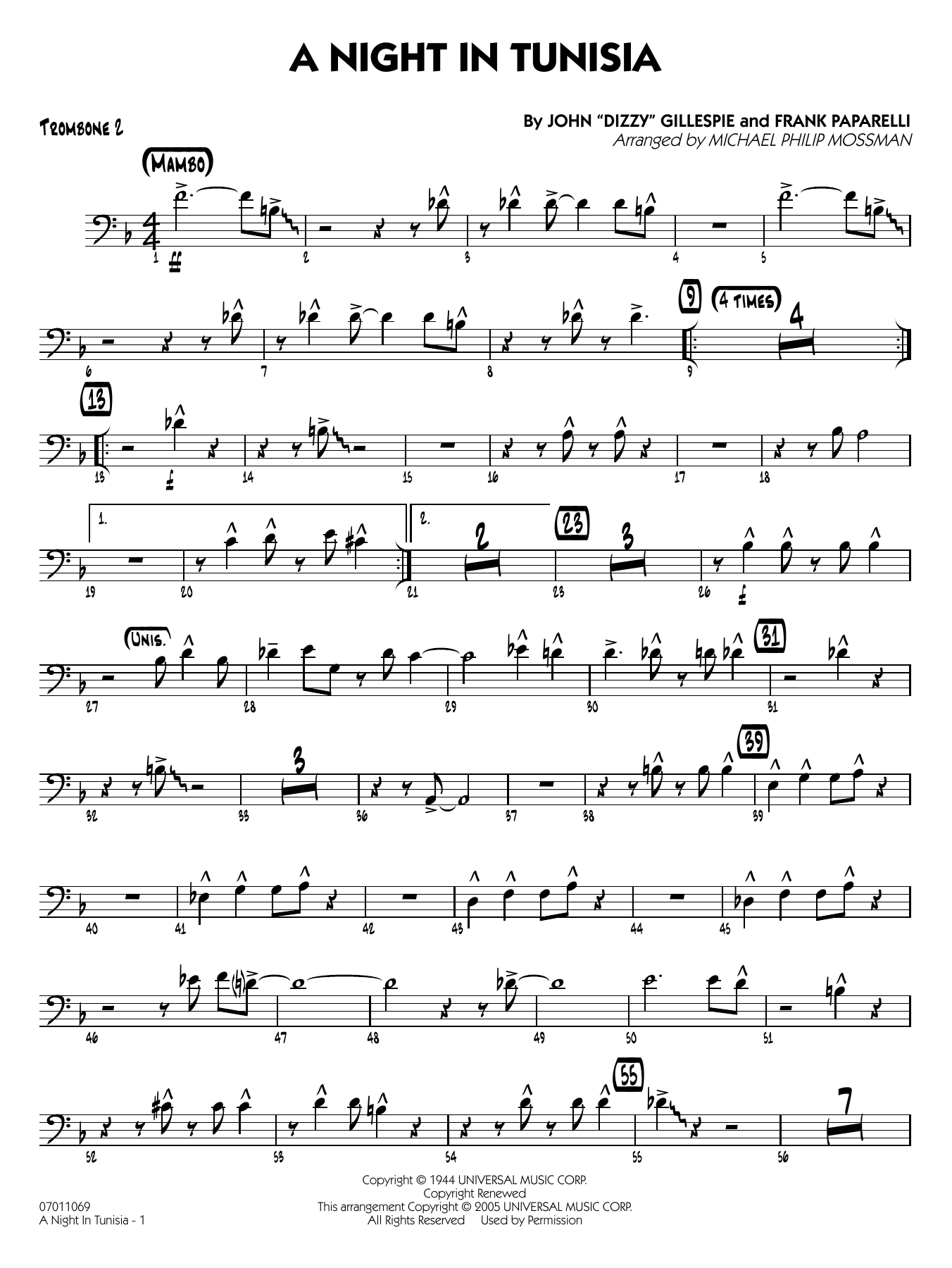
Musicians, arrangers, and students seeking a digital score for Michael Philip Mossman’s arrangement of "A Night in Tunisia" typically look for a reliable PDF to study the complex harmony, rhythmic figures, and orchestration utilized by this renowned jazz composer and trumpet player. Dizzy Gillespie’s iconic jazz standard has seen countless reinterpretations, but Mossman’s arrangement stands out for its sophisticated big band writing, contemporary harmonic extensions, and intricate metric shifts, making access to an accurate score essential for performance and analysis.
Understanding the Subject and Publishing Context
"A Night in Tunisia," originally composed by Dizzy Gillespie and Frank Paparelli in 1942, is a cornerstone of the bebop repertoire. Over the decades, it has been adapted for various formats, ranging from small combos to large jazz ensembles. Michael Philip Mossman, an accomplished trumpeter, composer, and arranger who has worked with the Dizzy Gillespie All-Star Big Band, Arturo Sandoval, and Tito Puente, penned a definitive big band arrangement of this classic tune that blends traditional Afro-Cuban grooves with modern jazz orchestration techniques.
When users search for a "pdf" of this arrangement, they are typically looking for conductor scores, instrumental parts, or lead sheets that reflect Mossman's specific voicing choices and counterlines. Because musical arrangements are protected by international copyright law, obtaining these materials requires distinguishing between legally authorized digital sheet music publishers, educational archives, and unauthorized file-sharing networks. Understanding the nature of these scores ensures that performers respect intellectual property while securing clean, legible documentation for study or rehearsal.
Examining the Characteristics of Mossman’s Arrangement
Michael Philip Mossman’s writing style is characterized by dense harmonic structures, driving rhythmic unisons, and sophisticated interplay between the brass and reed sections. Analyzing what makes a Mossman chart distinct helps musicians identify whether a specific score matches their performance requirements.
Harmonic and Rhythmic Sophistication
Mossman frequently reharmonizes standard chord progressions to create tension and release that appeal to modern audiences while honoring the bebop roots of the composition. In "A Night in Tunisia," the iconic vamp and the bridge benefit from extended chords, altered dominants, and contemporary polyrhythms. The PDF score typically details these voice-leadings across five saxophones, four trumpets, four trombones, and a full rhythm section (piano, bass, drums, and auxiliary percussion).
Orchestration and Section Balancing
A major challenge in big band performance is balancing the volume and timbre of the brass against the woodwinds. Mossman’s scores include explicit dynamic markings, articulation guidelines, and mutes (such as harmon, cup, and straight mutes for trumpets and trombones) to achieve a balanced sound. Musicians reviewing a full score PDF will note how independent lines weave through the ensemble, requiring a high level of technical proficiency from every section.
Legitimate Access and Acquisition of Digital Jazz Scores
Acquiring sheet music digitally involves navigating official publishing platforms rather than relying on unverified internet archives. Unauthorized PDF distribution sites often host low-resolution scans, missing instrumental parts, or legally dubious transcriptions that contain pitch and rhythm errors.
Official Music Publishers and Licensing
Major jazz arrangers license their charts through dedicated educational and professional publishing houses, such as Hal Leonard, Jazz Lines Publications, or specific university jazz archives. When purchasing or licensing a chart arranged by Michael Philip Mossman, buyers receive a legally licensed set of parts and a full conductor score.
What is Typically Included in a Purchased Score Package
When an ensemble acquires a big band chart through proper channels, the digital or physical package includes standardized components necessary for a performance:
- Conductor Score: A multi-stave ledger showing all instruments simultaneously, crucial for the director to cue entries and balance dynamics.
- Woodwind Parts: Alto Saxophone 1 & 2, Tenor Saxophone 1 & 2, Baritone Saxophone (often with mandatory double parts like flute or clarinet).
- Brass Parts: Trumpet 1 through 4 (with flugelhorn doubling notes where specified) and Trombone 1 through 4 (including bass trombone).
- Rhythm Section Parts: Piano, Bass, Drums, and Guitar (or auxiliary percussion), featuring specific comping figures and groove indications rather than simple chord symbols.
Comparison of Sheet Music Acquisition Channels
| Channel Type | Legality | Quality & Accuracy | Completeness | Cost |
|---|---|---|---|---|
| Official Publishers | Fully Legal | High-resolution professional engraving; verified accuracy | Complete score and all individual parts | Standard retail licensing fee |
| Institutional Libraries | Legal (Restricted) | Varies; archival manuscripts or licensed educational copies | Often restricted to enrolled students or faculty | Free or covered by institutional tuition/fees |
| Peer-to-Peer / Forums | Copyright Infringement | Low; frequent transcription errors, missing pages, or poor scans | Often incomplete (missing individual horn parts) | Free (legal risks apply) |
| User-Generated Sites | Variable / Grey Area | Unverified crowdsourced transcriptions; prone to notational mistakes | Varies widely | Subscription or free ad-supported |
Practical Applications for Students and Arrangers
Studying a professional big band arrangement like Mossman’s version of "A Night in Tunisia" offers immense educational value for composition and arrangement students. Beyond merely playing the notes, examining the score reveals how a master arranger builds momentum through a chart.
Score Study Methodology
- Form Analysis: Map out how the 32-bar form or expanded modal vamps are handled, noting where Mossman alters the form to accommodate extended solo sections.
- Voicing Inspection: Examine the saxophone solis and brass background figures to understand close-position writing versus open-drop voicings.
- Rhythmic Integration: Pay close attention to how the percussion and drum parts interact with the horn unisons, particularly during the hallmark "Guaguancó" or Latin grooves associated with the tune.
Frequently Asked Questions
Can I legally download a free PDF of Michael Philip Mossman’s "A Night in Tunisia"?
No. Copyright laws protect musical arrangements. Distributing or downloading full orchestrations without permission from the copyright holder or publisher constitutes copyright infringement. Legitimate scores must be purchased through authorized music distributors or accessed via accredited institutional libraries.
What instruments are required for Mossman’s big band arrangement?
Standard instrumentation typically follows the contemporary jazz big band setup: 5 saxophones (reeds), 4 trumpets, 4 trombones, and a 4-piece rhythm section, occasionally supplemented by auxiliary Latin percussion parts to support the stylistic groove of the piece.
Are lead sheets sufficient for studying this arrangement?
A lead sheet provides only the melody and basic chord changes, which is insufficient for studying Mossman’s specific orchestration, countermelodies, and harmonic reharmonizations. A full conductor score and individual instrumental parts are required to understand or perform the arrangement as written.
How do Mossman’s arrangements differ from original Gillespie recordings?
While Gillespie’s versions established the thematic material and bebop vocabulary, Mossman’s modern big band charts expand upon these foundations by incorporating contemporary harmonic extensions, dense chromatic voice-leading, and updated orchestrations suited for modern collegiate and professional ensembles.
Where should educational institutions source big band charts?
Educational institutions should purchase arrangements directly through recognized jazz print music distributors or directly from publisher catalogs that handle licensing rights for contemporary jazz composers and arrangers.
Next Actions for Performers and Directors
Directors and performers interested in studying or programming this chart should verify their ensemble's instrumentation against the publisher's requirements before purchase. Ensure that all acquired scores are obtained through legal distribution channels to support the composer and maintain professional standards in music performance and scholarship.