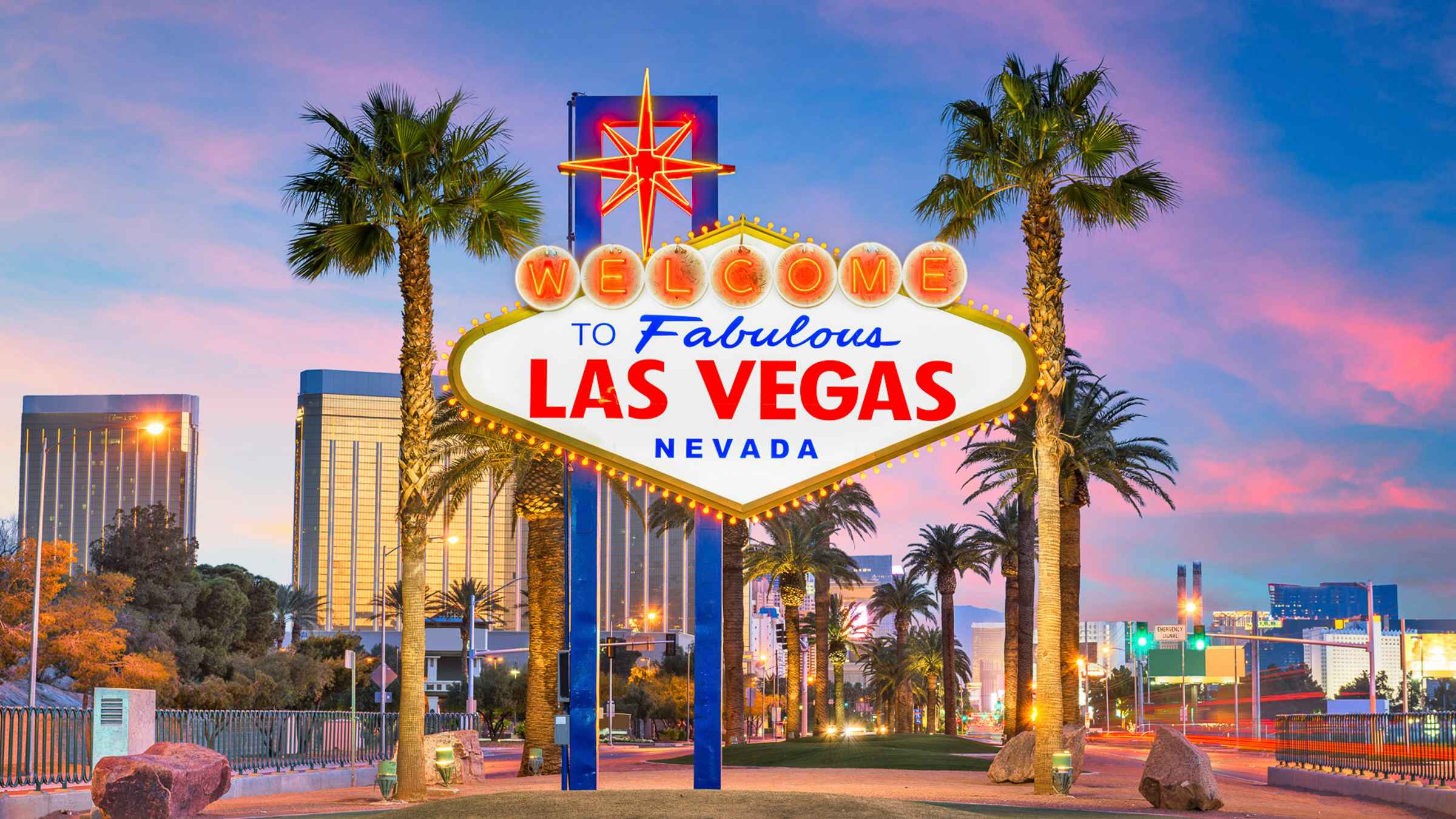
The Athletics are officially moving to Las Vegas, with the transition currently in its intermediate phase as of 2026. While the team has permanently departed Oakland, they are playing their home games at Sutter Health Park in West Sacramento through the 2027 season while a new $1.5 billion stadium is constructed on the Las Vegas Strip, with an expected opening in 2028.
The relocation of the Athletics (A’s) represents one of the most significant and controversial shifts in Major League Baseball (MLB) history. This move marks the end of a 56-year era in Oakland and the beginning of a new chapter in Nevada. For fans, players, and stakeholders, the 2026 season serves as the midpoint of a multi-year transition. Navigating the complexities of this move requires understanding the construction progress in Las Vegas, the temporary operational realities in Sacramento, and the long-term financial implications for the franchise.
The Current Status of the Relocation (2026)
As of the 2026 MLB season, the Athletics are no longer an Oakland-based franchise. Following the expiration of their lease at the Oakland-Alameda County Coliseum at the end of 2024, the team effectively dropped "Oakland" from its branding, operating simply as "The Athletics" or "The A’s" during their temporary residency.
The move is legally and operationally finalized. In November 2023, MLB owners voted unanimously to approve the relocation to Las Vegas. Since then, the focus has shifted from "if" the move would happen to "how" the infrastructure will be completed. In 2026, the franchise is centered on two geographic locations: West Sacramento, where the team plays its home games and manages daily operations, and Las Vegas, where the future of the organization is being built on the site of the former Tropicana Las Vegas.
The Sacramento "Bridge" Period
The decision to play in West Sacramento's Sutter Health Park from 2025 through 2027 was born out of necessity. After negotiations with the City of Oakland for a short-term lease extension failed, the A’s partnered with the Sacramento River Cats (the Triple-A affiliate of the San Francisco Giants) to share their facility.
For the 2026 season, this arrangement presents unique logistical challenges and opportunities:
- Capacity: Sutter Health Park holds approximately 14,000 fans (including standing room), making it by far the smallest venue to host an MLB team in the modern era.
- Infrastructure Upgrades: By 2026, the stadium has undergone significant upgrades to meet MLB standards, including enhanced locker rooms, high-definition lighting for broadcasts, and specialized hitting tunnels.
- Climate Concerns: During the summer months, the heat in Sacramento has remained a primary operational concern, leading to a heavy schedule of night games to protect player and fan safety.
The Las Vegas Stadium Project: Construction and Vision
The centerpiece of the relocation is the new stadium being constructed on a 9-acre portion of the 35-acre Tropicana site, located at the corner of Las Vegas Boulevard and Tropicana Avenue. By 2026, construction is in its most intensive phase, with the structural skeleton of the stadium becoming a prominent feature of the Las Vegas skyline.
Architectural Specifications
Designed by Bjarke Ingels Group (BIG) and HNTB, the stadium is intended to be a landmark of sports architecture. Unlike traditional retractable-roof stadiums, the Las Vegas venue features a fixed-roof design with a unique "spherical armadillo" aesthetic.
- Fixed-Roof Design: To combat the extreme Nevada heat, the stadium uses a fixed roof. However, it features the world’s largest cable-net glass wall, which faces the Las Vegas Strip, providing fans with views of the city skyline while remaining in a climate-controlled environment.
- Seating Capacity: The stadium is designed for a capacity of 33,000. This smaller, "boutique" scale is intended to create an intimate viewing experience and ensure high demand in a market driven by tourism.
- The "Big Board": The interior features a massive integrated jumbotron, which is expected to be one of the largest in professional sports, catering to the "spectacle" expectations of Las Vegas visitors.
Financial Structure and Public Funding
The $1.5 billion project is supported by a public-private partnership authorized by Nevada Senate Bill 1 (SB1). The funding breakdown remains a point of significant public discourse in 2026:
- Public Contribution: $380 million in public assistance, primarily through transferable tax credits and county bonds.
- Private Investment: The Athletics' ownership, led by John Fisher, is responsible for the remaining $1.1 billion.
- Community Benefits Agreement: The team is required to contribute $500,000 annually to local community programs until the stadium opens, increasing to $2 million annually once operational.
Why the Athletics Left Oakland
The departure from Oakland was the culmination of two decades of failed stadium negotiations. The primary driver was the state of the Oakland-Alameda County Coliseum, which was widely considered the most outdated facility in Major League Baseball.
The Failed Howard Terminal Project
Before the Las Vegas pivot, the A’s spent years attempting to build a "waterfront ballpark" at Howard Terminal in Oakland. The project was massive in scope, involving residential units, retail space, and public parks. However, the complexity of the environmental reviews, infrastructure costs, and a shifting economic climate led to a stalemate between the team and the City of Oakland.
Revenue Sharing and MLB Pressure
Major League Baseball played a significant role in the move. Under the current Collective Bargaining Agreement (CBA), the A’s were at risk of losing their revenue-sharing checks—worth tens of millions of dollars annually—unless they secured a new stadium deal by early 2024. MLB Commissioner Rob Manfred repeatedly stated that the Coliseum was no longer a viable option for a professional franchise, effectively forcing the team to choose between a deal in Oakland or relocation.
Impact on the Fanbase and Market Dynamics
The move to Las Vegas represents a total shift in market strategy. In Oakland, the A’s were a legacy team with a deeply rooted, working-class fanbase. In Las Vegas, the team is positioning itself as a "destination" attraction.
The Loss of Oakland’s Identity
The 2024 season was marked by "Sell the Team" protests and emotional farewells at the Coliseum. By 2026, the rift between the former Oakland fanbase and the organization remains deep. Many long-term fans have boycotted the team, leading to a reliance on Sacramento-based fans and Las Vegas enthusiasts who travel to see the "future" team.
The Las Vegas Market Opportunity
Las Vegas has rapidly become a major sports hub, following the success of the NHL’s Vegas Golden Knights and the NFL’s Las Vegas Raiders. The A’s are betting that:
- Tourist Attendance: Approximately 25-30% of seats will be filled by visiting fans following their own teams to Vegas.
- Local Growth: The Southern Nevada population is growing at a rate that can support a 162-game baseball season, provided the product is competitive.
- Gambling Integration: Proximity to major sportsbooks and the integration of betting technology within the stadium experience are expected to drive significant non-ticket revenue.
Relocation Timeline: Key Milestones
The following table outlines the critical dates in the Athletics' journey from Northern California to Southern Nevada.
| Phase | Year | Key Event | Status |
|---|---|---|---|
| The Pivot | 2023 | Formal announcement of Las Vegas move; SB1 passed. | Completed |
| Final Exit | 2024 | Final season at the Oakland Coliseum. | Completed |
| Residency I | 2025 | First season at Sutter Health Park, West Sacramento. | Completed |
| Construction | 2026 | Peak construction phase on the Tropicana site. | In Progress |
| Residency II | 2027 | Final season in Sacramento; roster build for Vegas. | Upcoming |
| Grand Opening | 2028 | Inaugural season at the New Las Vegas Stadium. | Upcoming |
Technical and Operational Challenges in 2026
Operating a Major League team in a Minor League facility like Sutter Health Park involves several technical hurdles that the organization continues to manage in 2026.
Surface and Maintenance
Unlike the Oakland Coliseum, which used a natural grass surface, Sutter Health Park utilizes a high-performance synthetic turf or hybrid system to handle the increased load of hosting both the A's and the River Cats. Maintenance schedules in 2026 are rigorous, with specialized crews working overnight to ensure the field remains playable for back-to-back games involving different organizations.
Television and Media Rights
One of the most complex aspects of the move in 2026 is the management of regional sports network (RSN) contracts. The A's current media deal with NBC Sports California is heavily tied to the Northern California market. As the team moves toward Las Vegas, they must navigate a transition to a Southern Nevada media market while maintaining their Sacramento-based viewership. This has led to speculation about the team launching their own direct-to-consumer (DTC) streaming service by the time they reach Las Vegas.
Legal and Political Considerations
While the move is well underway, 2026 still sees occasional legal echoes from the relocation process. The group "Schools over Stadiums" challenged the public funding for the Las Vegas stadium, arguing that tax dollars should be prioritized for Nevada's education system.
While these challenges have largely been navigated by the team’s legal counsel, the political climate in Nevada remains sensitive to the stadium's progress. The team must meet specific milestones regarding hiring local workers and meeting diversity quotas in construction to maintain their standing with the Las Vegas Stadium Authority.
Frequently Asked Questions
Where are the A's playing their home games in 2026?
The Athletics are playing all 81 home games at Sutter Health Park in West Sacramento, California. They share this stadium with the Sacramento River Cats, the Triple-A affiliate of the San Francisco Giants.
When will the A's officially move into the Las Vegas stadium?
The team is scheduled to play their first game in Las Vegas at the start of the 2028 MLB season. Construction is expected to be completed in late 2027, allowing for a series of exhibition games before the official home opener.
Will the team change its name when it moves to Las Vegas?
While the team is currently referred to as "The Athletics," they are expected to adopt the name Las Vegas Athletics once they officially begin play in their new stadium in 2028. There are no plans to change the "Athletics" moniker, which has followed the franchise from Philadelphia to Kansas City to Oakland.
How much are tickets for the Sacramento games in 2026?
Due to the extremely limited capacity of Sutter Health Park (approx. 14,000), ticket prices are significantly higher than they were in Oakland. Dynamic pricing is in effect, with high-demand games against teams like the Yankees or Dodgers seeing premium secondary market prices.
Is the Las Vegas stadium going to have a retractable roof?
No, the Las Vegas stadium will have a fixed roof. This decision was made to ensure the most efficient climate control during the summer months. To maintain an "outdoor feel," the stadium features a massive glass curtain wall that provides a view of the Las Vegas Strip.
Are there any chances the move could still be canceled?
As of 2026, it is highly unlikely. The Tropicana has been demolished, the site is under construction, and the MLB owners have fully sanctioned the move. Only a catastrophic financial or legal failure would halt the project at this stage.
Final Recommendations for Fans and Travelers
For fans planning to follow the team during this transition year, the primary recommendation is to book Sacramento games early. The small venue size means that sellouts are the norm rather than the exception in 2026. For those looking ahead to the Las Vegas era, keeping an eye on the "Las Vegas Stadium Authority" public meetings provides the most accurate updates on construction progress and seat license availability.
If you are a former Oakland fan, 2026 is a year of transition. While the team's physical presence has left the Bay Area, many local fan groups continue to hold events celebrating the team’s history in Oakland, independent of the current organization’s movements.