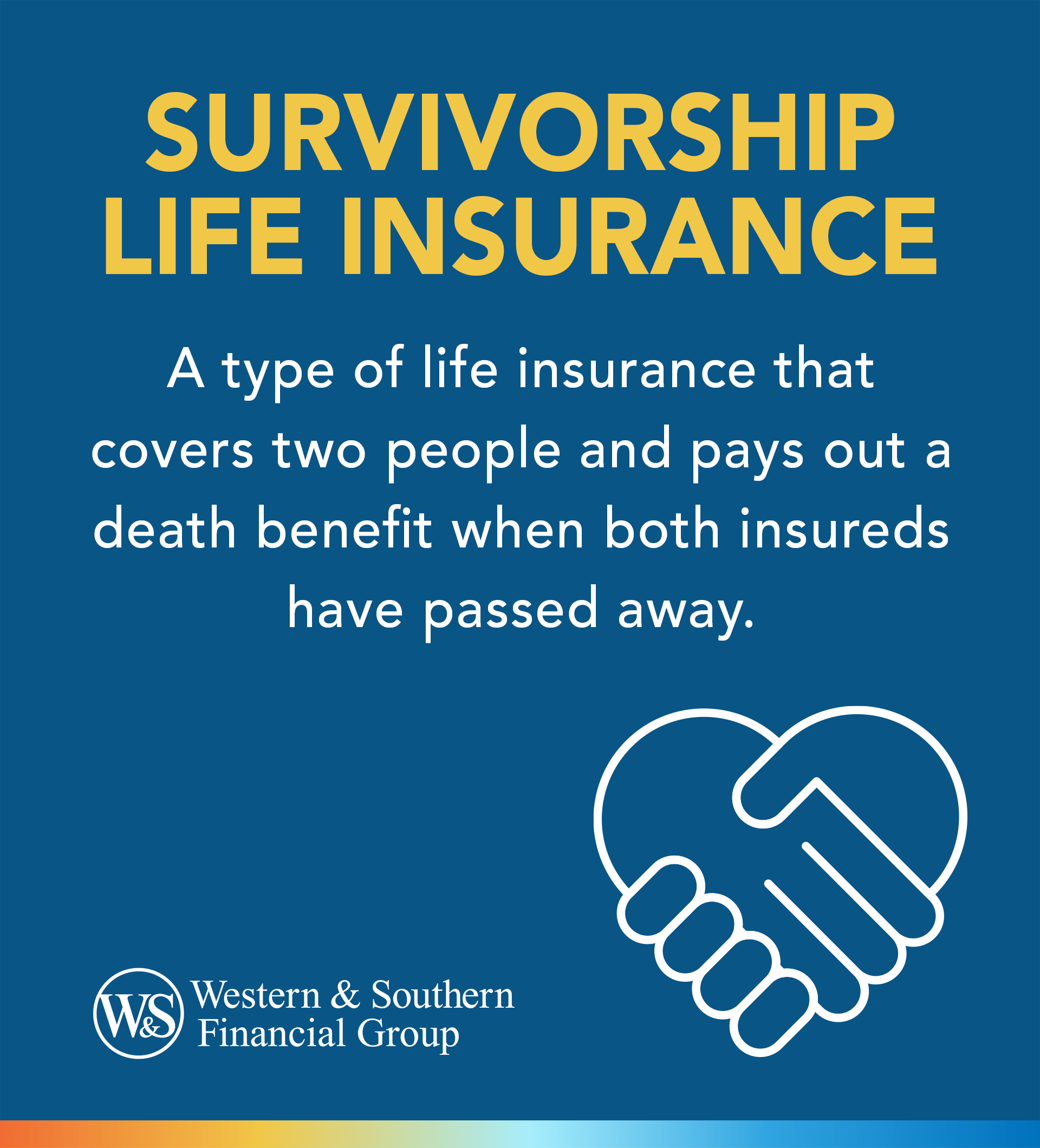
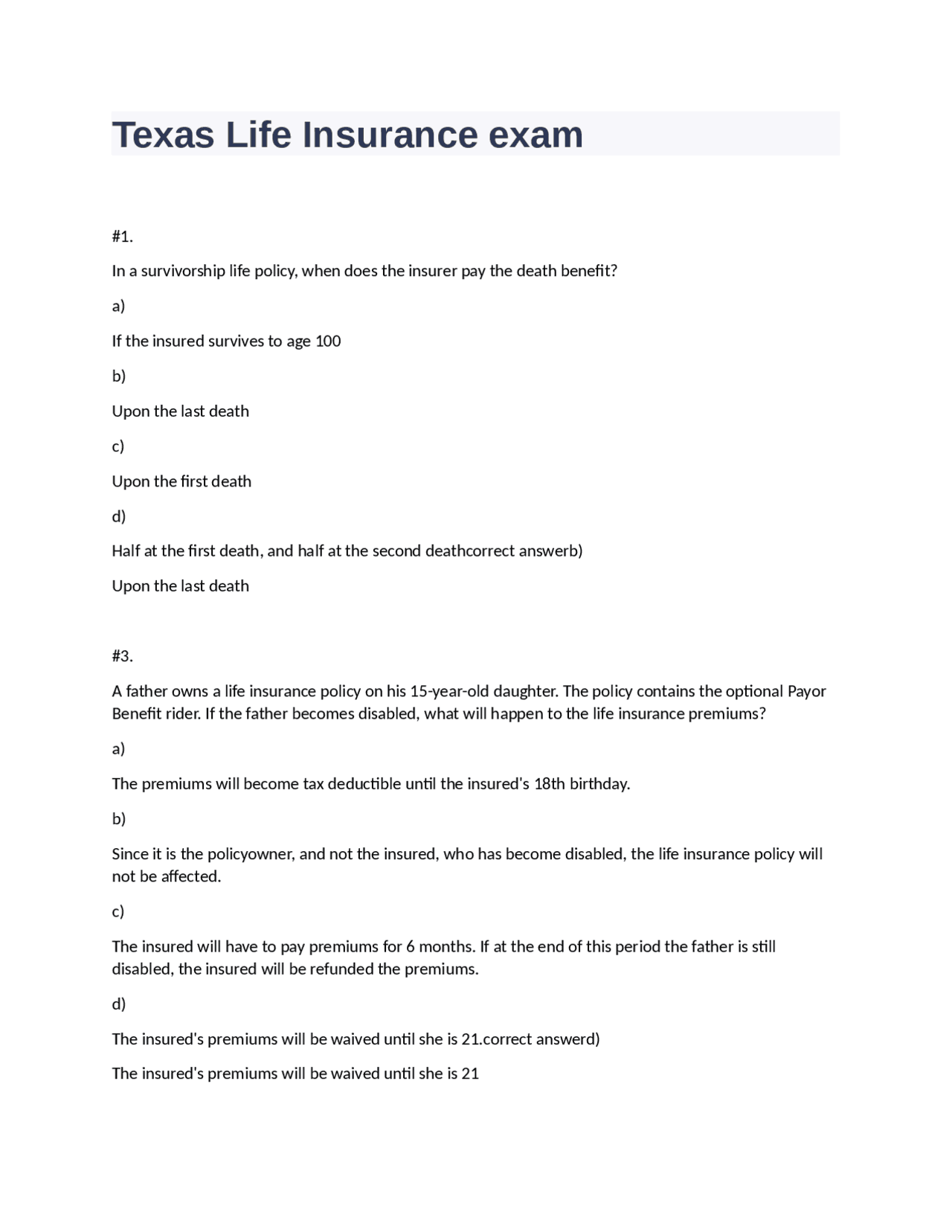
A survivorship life insurance policy, often called "second-to-die" insurance, provides a death benefit only after both insured individuals have passed away. The primary disadvantage of this structure is the delayed benefit: the surviving spouse receives no financial support from the policy upon the first partner's death, potentially creating a significant liquidity gap.
The Mechanics of Survivorship Life Insurance
Survivorship life insurance is a unique type of permanent life insurance that covers two people under a single policy—most commonly a married couple. Unlike traditional individual life insurance, which pays out upon the death of the insured, or "first-to-die" joint policies, which pay out when the first spouse passes, survivorship policies remain in force until the second insured individual dies.
In the 2026 financial landscape, these policies are frequently utilized as sophisticated estate planning tools. Because the insurance company does not have to pay the death benefit until two lives have ended, the actuarial risk is lower than it would be for two separate policies or a first-to-die policy. This lower risk generally translates into lower premiums for the policyholders. However, the fundamental structure that creates these cost savings is exactly what leads to its most significant drawback: the lack of an immediate payout for the first survivor.
The policy is typically structured as whole life or universal life insurance, meaning it accumulates cash value over time. While the cash value can be accessed via loans or withdrawals during the lives of both policyholders, the full death benefit remains locked away until the "second-to-die" event occurs. This delay is a calculated trade-off that serves specific financial goals but can be catastrophic if the policy is misunderstood by the insured parties.
Why the Delayed Benefit is a Significant Disadvantage
The "delayed benefit" is not merely a timing issue; it is a structural limitation that affects the surviving spouse’s immediate financial security. When a spouse dies, the household often loses a source of income, whether it be from a salary, pension, or Social Security benefits. In a traditional life insurance scenario, the death benefit serves as an immediate "income replacement" tool to bridge this gap.
The Liquidity Gap
With a survivorship policy, the surviving spouse is left to manage the financial aftermath of the first death without the influx of insurance capital. This can lead to a "liquidity crunch" where the survivor has assets (such as the home or the survivorship policy’s future benefit) but lacks the cash flow needed for:
- Mortgage payments and property taxes.
- Medical bills associated with the first spouse’s final illness.
- Funeral and burial costs.
- General cost-of-living adjustments during a period of grief.
Ongoing Premium Obligations
A secondary and often overlooked aspect of the delayed benefit is the potential for ongoing premium payments. Depending on how the policy is structured, the surviving spouse may be required to continue paying premiums on the survivorship policy after the first spouse dies to keep the policy in force. This adds an additional financial burden at a time when household income may have decreased. While some policies are "paid up" or use accumulated cash value to cover premiums, many require active contributions until the second death, making the lack of an immediate payout even more burdensome.
Estate Planning vs. Income Replacement: The Conflict of Intent
The disadvantage of the delayed benefit stems from a mismatch between the policy’s intended purpose and the policyholder’s actual needs. Survivorship life insurance is designed for estate preservation, not income replacement.
As of 2026, the federal estate tax landscape continues to play a major role in why these policies are purchased. For high-net-worth individuals, the goal of the policy is often to provide liquidity to heirs to pay estate taxes, ensuring that family businesses or real estate do not have to be liquidated to satisfy the IRS. Since federal estate taxes are generally not due until the second spouse dies (due to the unlimited marital deduction), the timing of the survivorship benefit aligns perfectly with the tax obligation.
However, for middle-income families who purchase survivorship insurance solely because the premiums are lower, the delayed benefit becomes a liability. If the primary goal is to ensure the surviving spouse can stay in their home and maintain their lifestyle, a survivorship policy fails to meet the immediate need. This "mis-selling" or misunderstanding of the product’s intent is where the disadvantage is most acutely felt.
Comparison of Life Insurance Payout Structures
To better understand where survivorship insurance fits into a financial plan, it is helpful to compare it with other joint and individual options available in 2026.
| Feature | Individual Life Insurance | Joint First-to-Die | Survivorship (Second-to-Die) |
|---|---|---|---|
| Who is Covered? | One person | Two people | Two people |
| When is Benefit Paid? | Upon the death of the insured | Upon the first death | Upon the second death |
| Primary Purpose | Income replacement / Debt payoff | Income replacement for survivor | Estate tax liquidity / Legacy |
| Relative Cost | Moderate to High (for two policies) | High | Lowest |
| Survivors' Benefit? | Yes, immediate cash | Yes, immediate cash | No, benefit is delayed |
| Premium Status after 1st Death | Policy ends or continues for survivor | Policy terminates | Premiums may continue |
Strategic Use Cases: When the Delay is Acceptable
Despite the disadvantage, survivorship insurance remains a staple in specific 2026 financial strategies. Understanding these can help determine if the delayed benefit is a manageable risk or a deal-breaker.
Providing for Special Needs Dependents
One of the most common applications of survivorship insurance is to fund a Special Needs Trust. For parents of a child with a disability, the goal is often to provide for the child after both parents are gone. In this case, the delayed benefit is not a disadvantage because the parents intend to support the child together as long as one of them is alive. The payout provides a large sum of capital to the trust exactly when the child loses both primary caregivers.
Maximizing a Legacy for Heirs
For individuals who have sufficient retirement savings and "own-occupation" disability insurance to protect the surviving spouse, the immediate death benefit may not be necessary. These families use survivorship insurance as a wealth transfer vehicle. By paying lower premiums today, they can leave a larger, tax-free inheritance to children or charities. In this scenario, the delay is a conscious choice made to maximize the eventual internal rate of return (IRR) on the death benefit.
Mitigating the Disadvantage of the Delayed Benefit
If a survivorship policy is the right fit for your long-term goals but you are concerned about the interim liquidity gap, several strategies can mitigate the "delayed benefit" risk.
1. The "Laddering" Approach
Financial advisors in 2026 often recommend "laddering" policies. A couple might purchase a large survivorship policy for estate tax purposes and supplement it with smaller, individual term life insurance policies. These term policies provide a "first-to-die" cushion, ensuring that if one spouse passes early, the survivor has 10 to 20 years of income replacement while the survivorship policy remains in the background for the final legacy.
2. Utilizing Policy Riders
Some modern survivorship policies offer riders that can provide limited access to funds upon the first death. For example, a "first-to-die" rider might pay out a small percentage of the total death benefit (e.g., $50,000 or $100,000) upon the first passing to cover funeral costs, with the remainder of the benefit reserved for the second death. These riders increase the premium but directly address the delayed benefit disadvantage.
3. Monitoring Cash Value Growth
Because survivorship policies are permanent insurance, they build cash value. If the first spouse dies and the survivor needs immediate funds, they may be able to take a policy loan against the cash value. While this reduces the final death benefit and involves interest costs, it provides a "safety valve" for liquidity that does not require the death of the second person.
Legal and Tax Considerations for 2026
When evaluating survivorship insurance, it is critical to consult the latest IRS guidelines regarding the Unlimited Marital Deduction. Under 26 U.S. Code § 2056, assets can generally pass to a surviving spouse tax-free. This is why the survivorship policy is so effective for estate taxes—it doesn't pay out until the death of the second spouse, which is exactly when the marital deduction ends and the estate tax bill finally arrives for the heirs.
However, if the policy is owned by the insured individuals themselves, the death benefit may be included in their taxable estate. To avoid this, many policyholders use an Irrevocable Life Insurance Trust (ILIT). By having the ILIT own the survivorship policy, the death benefit remains outside the taxable estate, maximizing the value that eventually goes to the beneficiaries.
Frequently Asked Questions
Does survivorship life insurance cost more than two individual policies?
No, survivorship life insurance is generally less expensive than buying two separate individual policies with the same total death benefit. This is because the insurer only pays one claim, and the life expectancy for the "second-to-die" is statistically longer than for either individual alone.
Can I cancel a survivorship policy if my spouse dies first?
You can surrender the policy for its cash value, but you would lose the death benefit. If the policy was intended for estate taxes or a special needs child, surrendering it after the first death could leave your heirs with a massive tax bill and no liquidity to pay it.
What happens if both insured individuals die at the same time?
If both parties die simultaneously (e.g., in a common accident), the death benefit is paid out immediately to the beneficiaries. Most policies have a "simultaneous death" clause that dictates how the benefit is processed in such tragic circumstances.
Is the cash value in a survivorship policy accessible after the first death?
Yes, the cash value belongs to the policy owner. If the surviving spouse is the owner (or the trustee of an ILIT), they can typically access the accumulated cash value through loans or partial surrenders, even if the full death benefit hasn't been triggered yet.
Why is survivorship insurance called "second-to-die" insurance?
The term "second-to-die" is a literal description of the payout trigger. The insurance company’s obligation to pay the death benefit is contingent upon the death of the second insured person, regardless of how much time passes between the first and second deaths.
Final Recommendation
Before committing to a survivorship life insurance policy, perform a thorough "liquidity stress test" of your current financial plan. Determine if the surviving spouse has enough independent assets—such as 401(k) balances, Social Security, or separate individual life insurance—to survive the interim period between the first and second deaths.
If your primary goal is to protect a spouse from a loss of income, avoid survivorship insurance as your primary coverage. Instead, opt for individual term or whole life policies. However, if your spouse is financially secure and your goal is to protect your children from a 40% estate tax or to fund a perpetual trust for a dependent, survivorship insurance is a powerful tool, provided you accept and plan for the disadvantage of the delayed benefit.