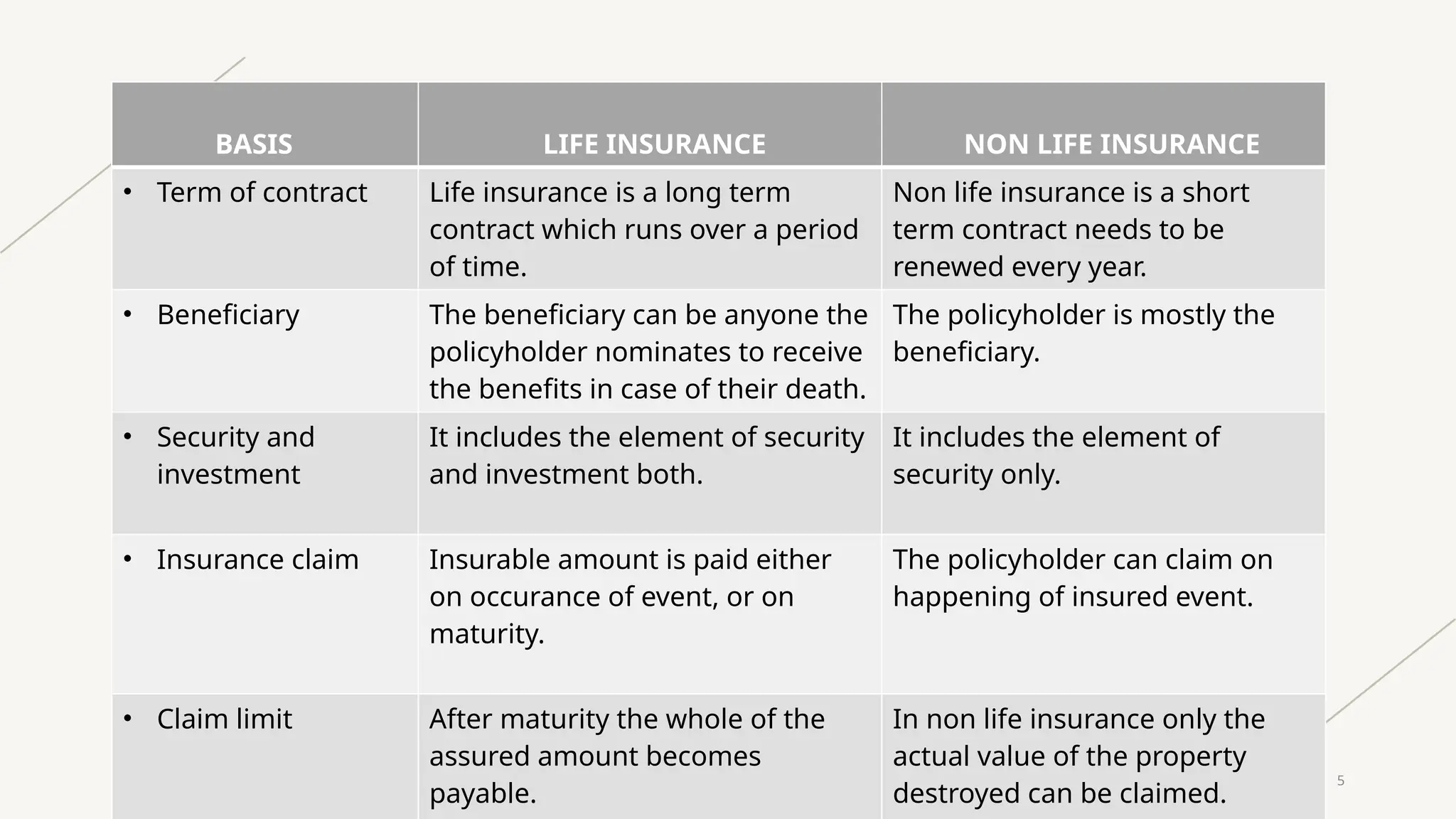
A customer with an existing life insurance contract considering a change must evaluate their current death benefit, premium costs, and cash value against their evolving financial needs. The decision usually involves either replacing the policy via a tax-free 1035 exchange, supplementing it with additional coverage, or modifying the existing terms to better align with 2026 market rates and personal health status.
Life insurance is rarely a "set and forget" financial instrument. As of 2026, the landscape of mortality tables, interest rate environments, and algorithmic underwriting has shifted significantly from even five years ago. Whether you are holding a term policy nearing its expiration or a permanent policy with significant cash value, the process of "considering" a change requires a technical audit of your current contract and a clear-eyed view of the risks associated with moving to a new one.
Why Policyholders Re-evaluate Coverage in 2026
The motivation for reviewing an existing life insurance contract typically stems from one of three areas: a change in life circumstances, a change in the economic environment, or a change in the policyholder’s health.
Life Transitions and "Right-Sizing"
Most policies are purchased to cover specific liabilities: a mortgage, a child’s education, or income replacement for a spouse. By 2026, a policyholder who bought a 20-year term in 2006 or 2010 may find themselves over-insured if the mortgage is paid off, or under-insured if they have taken on new debt or business obligations. "Right-sizing" involves adjusting the face amount to reflect today’s obligations rather than those of a decade ago.
Economic Shifts and Interest Rates
For those with permanent life insurance—such as Whole Life or Universal Life (UL)—the interest rate environment of the mid-2020s has a profound impact. If you hold an older UL policy issued during a period of historically low rates, you may find that the internal costs of insurance are "eating" the cash value faster than expected. Conversely, in 2026, new products may offer better participation rates in indexed accounts or higher guaranteed minimums, prompting a move toward more modern, flexible contracts.
Underwriting and Health Improvements
Technological shifts in 2026 underwriting mean that "fluidless" (no blood draw) approvals are common for those in excellent health. A customer who has improved their health—perhaps through smoking cessation or significant weight loss—may find that they now qualify for "Preferred Best" rates, making a new policy significantly cheaper than the one they have held for years.
The Mechanics of Policy Replacement: The 1035 Exchange
If a customer decides that a new permanent policy is superior to their current one, they should rarely simply "cancel" the old one. Instead, they should utilize a Section 1035 Exchange, named after the provision in the Internal Revenue Code.
A 1035 exchange allows for the tax-free transfer of the cash value from an existing life insurance, endowment, or annuity contract to a new one. This is a critical tool in 2026 for several reasons:
- Tax Deferral: It preserves the tax-deferred status of the accumulated earnings within the policy.
- Cost Basis Transfer: The "basis" (the total amount of premiums paid) moves to the new policy, which can be advantageous for future tax-free withdrawals.
- Avoiding Surrender Tax: If you were to simply surrender the policy, any gain over the basis would be taxed as ordinary income. The exchange avoids this immediate tax hit.
However, a 1035 exchange is only for permanent-to-permanent or permanent-to-long-term care transitions. You cannot exchange a life insurance policy for an annuity and then back to life insurance without triggering tax consequences.
Risks of Replacing Existing Coverage
While a new policy might look better on a spreadsheet, several "invisible" risks exist when moving away from an established contract.
The Two-Year Contestability Period
Every new life insurance contract in 2026 comes with a fresh Contestability Period, typically lasting two years from the date of issue. During this window, if the insured passes away, the insurance company has the legal right to investigate the original application for any material misrepresentations. If they find an error—even an accidental one—they can deny the claim and merely refund the premiums. An existing policy that is five or ten years old has already passed this period, providing a level of "claim security" that a new policy cannot match.
The Suicide Clause
Similar to contestability, a new policy resets the suicide clause. If the insured dies by suicide within the first two years of a new contract, the death benefit is generally not paid. For individuals with a history of mental health challenges, keeping an old policy where this clause has expired is often the safer path.
New Surrender Charge Periods
Permanent policies often have surrender charges that decline over 10 to 15 years. By moving to a new policy in 2026, you likely trigger a brand-new 10- or 15-year schedule of surrender charges. This reduces your liquidity in the short to medium term.
Analyzing the Financial Impact of Surrender Charges
Before a customer moves their funds, they must calculate the "break-even" point. Surrender charges are fees deducted from the cash value if the policy is terminated early.
In 2026, many older policies (issued around 2011–2016) may finally be entering the "zero surrender charge" zone. If a customer is considering an exchange, they must weigh the cost of the charge against the projected superior performance of the new product. For example, if a policy has a $5,000 surrender charge but the new policy is projected to save $600 a year in premiums while offering 2% higher annual growth, the "recovery" of that $5,000 loss will take several years.
| Action Feature | Keep Existing Policy | Replace (1035 Exchange) | Supplement (Add Policy) |
|---|---|---|---|
| Premium Cost | Locked in at younger age | Based on current (2026) age | Combined cost of two policies |
| Contestability | Usually expired (Secure) | Resets to 2 years (Risk) | New policy has 2-year risk |
| Cash Value | Established growth | Transferable via 1035 | Starts at zero for new policy |
| Underwriting | Based on past health | Based on 2026 health | Based on 2026 health |
| Flexibility | Limited to original riders | Can add modern 2026 riders | High (can mix Term/Whole) |
Supplementing vs. Replacing: The "Laddering" Strategy
Often, the best move for a customer considering a change is not to replace the old policy, but to "ladder" a new one on top of it.
Laddering involves keeping the original policy (perhaps a whole life policy with a locked-in low rate) and adding a 10- or 15-year term policy to cover a temporary spike in financial need, such as a new business loan or a child entering college in 2026. This approach avoids the risks of replacement while providing the necessary coverage.
Furthermore, many 2026 term policies offer "conversion privileges." This allows the customer to convert the temporary term coverage into permanent coverage later without a medical exam. This is a powerful hedge against future uninsurability.
Specialized Considerations for Permanent Life Insurance
When dealing with high-net-worth scenarios or estate planning in 2026, the technical nuances of the contract become paramount.
Cash Value Accumulation and Dividend Scales
If the customer has a "Participating" Whole Life policy, they receive dividends. In 2026, dividend scales are influenced by the insurance company's long-term bond portfolio. A company with a strong "old money" portfolio might actually be outperforming new products because they are still holding higher-yielding bonds from previous cycles. Replacing such a policy could be a massive financial mistake.
The Impact of Interest Rates on Universal Life
Universal Life (UL) policies are more sensitive to current interest rates. If you have an "Indexed" Universal Life (IUL) policy, you are looking at "caps" and "participation rates." In 2026, if a customer’s current IUL has a 7% cap but new market offerings have a 10% cap due to better hedging strategies, the "consideration" to move becomes much more compelling.
Modified Endowment Contracts (MEC)
A major trap for the unwary in 2026 is the MEC limit. If a customer moves too much cash into a new policy too quickly (even via 1035 exchange), the IRS may classify the new policy as a Modified Endowment Contract. Once a policy is a MEC, any loans or withdrawals are taxed as income first (LIFO—Last In, First Out) and may be subject to a 10% penalty if the owner is under age 59½. This effectively destroys the "tax-free" benefit of the policy’s cash value.
Step-by-Step Evaluation Process
For a customer currently considering these options, the following steps are recommended:
- Request an "In-Force Illustration": Ask your current carrier for a projection of how your policy will perform through age 100 based on current interest/dividend assumptions.
- Verify the "Cost of Insurance" (COI): In Universal Life policies, the COI increases as you age. Determine if your cash value growth is keeping pace with these rising costs.
- Perform a Comparative Underwriting Check: Before cancelling anything, apply for the new coverage. Use "informal inquiry" or "trial applications" to see what rate class you qualify for in 2026.
- Analyze Riders: Does your old policy have a "Waiver of Premium" or a "Guaranteed Insurability Rider"? These are often cheaper on older contracts and may be expensive or unavailable on new ones.
- Consult a Tax Professional: Especially if the 1035 exchange involves a policy with an outstanding loan. Carrying a loan over in an exchange can sometimes trigger a "taxable boot."
Common Pitfalls to Avoid
- Lapsing a Policy with a Loan: If you have a policy loan and let the policy lapse, the amount of the loan is treated as a distribution. If the loan plus the cash you receive exceeds your basis, you will face a surprise tax bill in 2027.
- Trusting "Projected" Returns Blindly: 2026 marketing materials for IULs often show 6% or 7% illustrated rates. Always look at the "Guaranteed" column to see the worst-case scenario.
- The "Double Premium" Trap: During a replacement, there is often a month or two where you are paying for both the old and new policies to ensure there is no gap in coverage. Factor this into your 2026 budget.
FAQs
Is it always cheaper to keep my old life insurance policy?
Not necessarily. While you were younger when you bought the old policy, 2026 mortality tables (the data insurers use to predict life expectancy) are more favorable than those from 20 years ago. Additionally, if you have significantly improved your lifestyle—such as quitting smoking or losing weight—the "Preferred" rates available today might be lower than the "Standard" rates you were assigned in the past.
What is a 1035 Exchange, and how does it work in 2026?
A 1035 Exchange is a provision in the U.S. tax code that allows you to swap an existing life insurance policy for a new one without paying taxes on the investment gains. In 2026, this is handled through a "trustee-to-trustee" transfer where the old insurance company sends the funds directly to the new one. You must ensure the owner and the insured remain the same on both contracts to qualify for tax-free treatment.
Can I change my existing policy without buying a new one?
Yes. Most policies allow for some internal changes. You can often decrease the death benefit to lower your premiums or "stop" paying premiums by using the "Reduced Paid-Up" option, which keeps the policy in force at a lower face amount forever. You can also look into "Conversion," where you turn a term policy into a permanent one without a new medical exam.
What happens to my riders if I replace my policy?
When you replace a policy, you lose all riders attached to the original contract. Riders like "Long-Term Care," "Chronic Illness," or "Child Term" riders must be re-applied for and re-underwritten. In 2026, some older "Long-Term Care" riders are much more generous than what is currently available on the market, which is a strong reason to keep an existing contract.
Should I sell my policy instead of cancelling it?
If you are over 65 or have a serious health condition, you may be able to sell your policy to a third party for more than the cash surrender value. This is known as a Life Settlement. In 2026, the life settlement market is highly regulated and can provide a significant windfall, but the proceeds are often taxable, and you will no longer have a death benefit for your heirs.
Practical Recommendation
If you are a customer with an existing life insurance contract considering a change in 2026, your first action should be to secure a new offer of coverage before taking any action on the old one. Never cancel an existing policy until the new one is "in-force" (issued, paid for, and delivered).
Work with an independent fiduciary or a specialized insurance consultant to run a "side-by-side" comparison of your current in-force illustration against a new 2026 proposal. Focus specifically on the Internal Rate of Return (IRR) on the death benefit at your life expectancy. If the new policy doesn't offer a significantly higher IRR or solve a specific problem (like adding long-term care benefits) that the old one cannot, the most prudent financial move is usually to maintain the seasoned contract you already own.