While The Conjuring: Last Rites (2025) utilizes historical records, photographs, and audio recordings from the personal archives of Ed and Lorraine Warren, the movie itself does not consist of real footage. It is a scripted, high-budget cinematic dramatization featuring professional actors, digital visual effects, and staged sequences designed for theatrical entertainment. The "real footage" often referenced by viewers typically refers to the archival evidence displayed during the end credits or promotional materials, rather than the narrative body of the film.
The fascination with the "reality" of The Conjuring franchise has been a cornerstone of its marketing since the original film debuted in 2013. As the fourth and reportedly final installment in the central series, The Conjuring: Last Rites has sparked renewed debate over where the historical record ends and Hollywood artifice begins. To understand the distinction, one must look at how the film was produced, the nature of the Warrens’ case files, and the technical methods used to blur the lines between documentary evidence and supernatural horror.
The "Based on a True Story" Marketing Strategy
The Conjuring Universe has mastered the art of the "Based on True Files" hook. This phrasing is legally and creatively specific. In the context of Last Rites, which hit theaters as the culmination of the Warrens' cinematic journey, the story draws from various accounts of exorcisms and hauntings documented by the New England Society for Psychic Research (NESPR).
However, "based on" allows for significant creative license. Characters are streamlined, timelines are compressed, and supernatural events are amplified to meet the expectations of a global audience. When viewers ask if the footage is "real," they are often reacting to the gritty, period-accurate aesthetic that director Michael Chaves and the production team employed. By 2026, the technology used to degrade digital footage—mimicking the grain, light leaks, and jitter of 1970s and 80s 16mm film—has become so sophisticated that it can easily be mistaken for authentic archival material by the untrained eye.
Distinguishing Between Cinematic Scenes and Archival Evidence
To properly answer the question of authenticity, we must categorize the visual elements found in The Conjuring: Last Rites.
1. The Narrative Film (Scripted Content)
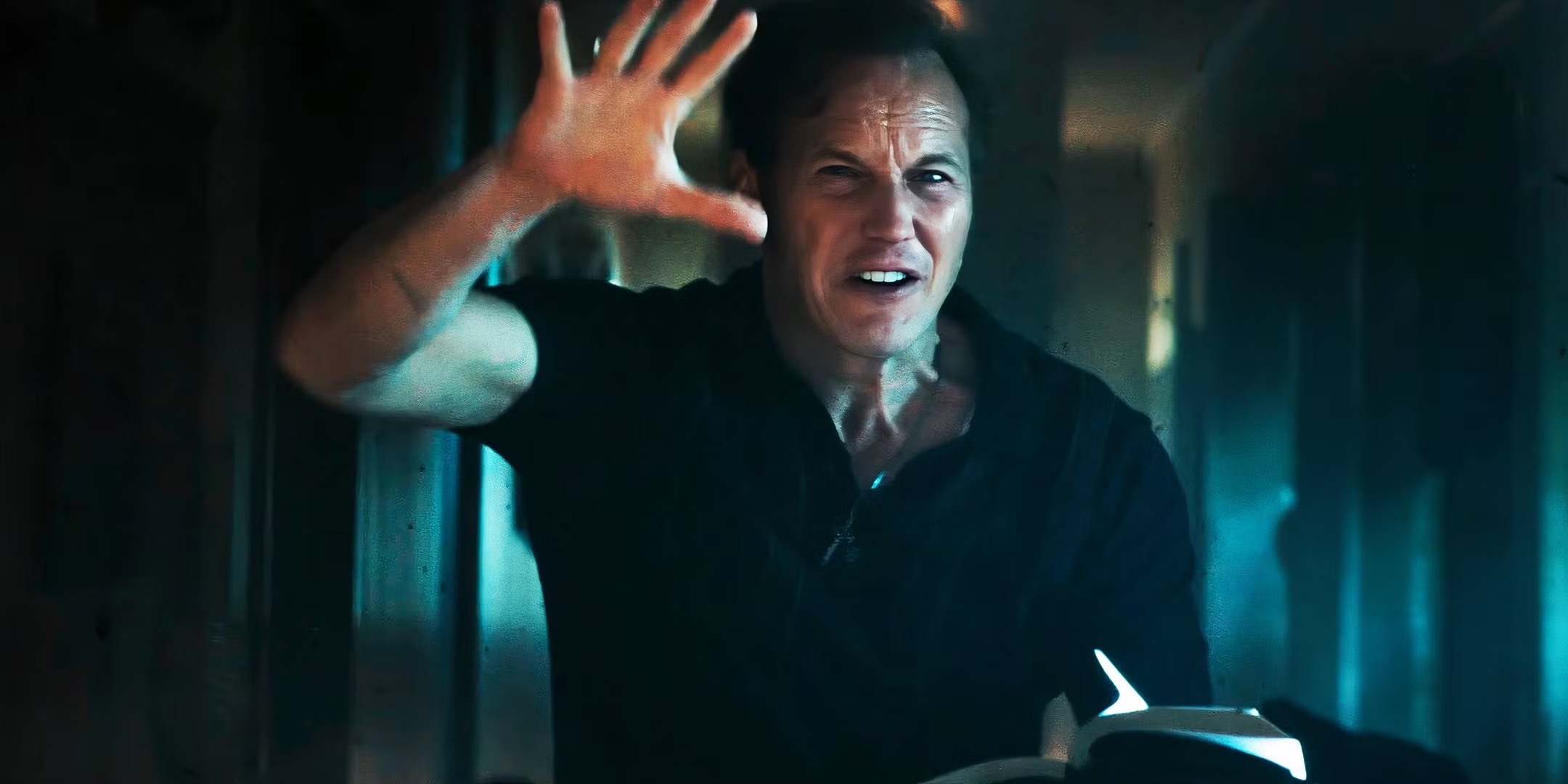
The vast majority of the movie is shot using high-definition Arri Alexa or similar digital cinema cameras. These scenes feature Vera Farmiga and Patrick Wilson. Every interaction, jump scare, and demonic manifestation in these sequences is choreographed and enhanced with CGI (Computer-Generated Imagery). There is no "real" supernatural entity captured on camera during these sequences; they are the result of meticulous set design and post-production.
2. The "Archival" Re-enactments
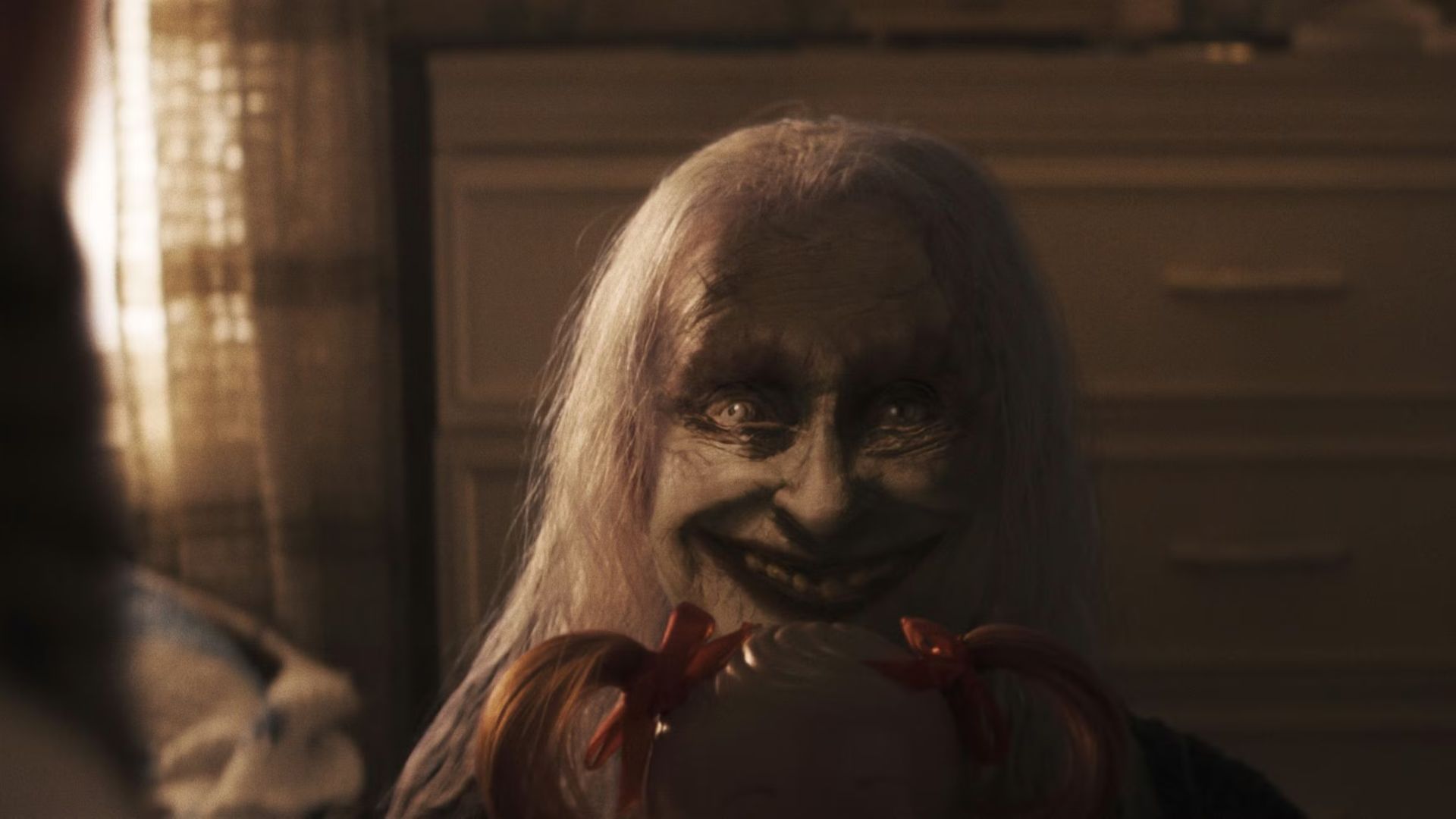
Last Rites utilizes a technique often seen in modern horror where "found footage" is embedded within the traditional narrative. These scenes may look like grainy VHS tapes or flickering slide projector images. While they are intended to look real within the world of the movie, they are almost exclusively filmed on the same sets as the rest of the production, using vintage lenses or digital filters to create a sense of historical "provenance."
3. The End Credits and Promotional "Evidence"
This is where the confusion usually stems from. Since the first film, the franchise has included actual photographs of the real families involved (such as the Perrons or the Hodgsons) alongside the actors playing them. In Last Rites, the credits feature snapshots and audio snippets from the Warrens’ investigations. While these artifacts are "real" in the sense that they exist in the Warrens' physical collection, their status as "evidence of the supernatural" remains a subject of intense debate among skeptics and paranormal researchers.
The Real Cases Behind "Last Rites"
By 2026, the lore surrounding the Warrens has been thoroughly documented through both the films and investigative journalism. Last Rites is widely understood to be a composite of several late-career cases handled by Ed and Lorraine, specifically focusing on the theme of a "final" spiritual battle.
The Warrens were prolific collectors. Their Occult Museum in Monroe, Connecticut, housed thousands of items they claimed were cursed or possessed. When the film shows an object—like the infamous Annabelle doll—it is a stylized prop based on a real-world object. The real Annabelle is a Raggedy Ann doll, which looks significantly less menacing than the porcelain version used in the movies. The discrepancy between the real object and the movie prop is the clearest indicator that the footage is a creative interpretation rather than a documentary recording.
Technical Analysis: How "Realism" is Manufactured
The feeling that the footage might be real is a testament to the technical proficiency of the crew. In Last Rites, several specific techniques were used to enhance the "authenticity" of the experience:
- Period-Accurate Color Grading: The film uses a color palette that mimics Kodak and Fujifilm stocks from the late 20th century, emphasizing browns, oranges, and muted greens. This triggers a psychological association with "old news footage" or "family home movies."
- Practical Effects Over CGI: Whenever possible, the production used physical rigs to move furniture or "toss" actors across rooms. Because these interactions obey the laws of physics (mostly), they look more "real" to the human eye than digital creations.
- Audio Authenticity: The sound design often incorporates "white noise" and low-frequency "infra-sound" to create a sense of dread. By including distorted audio that mimics the Electronic Voice Phenomena (EVP) the Warrens famously recorded, the film bridges the gap between sound and perceived reality.
The Skeptic's Perspective: Is Any Paranormal Footage Real?
Even if we look at the "real" photos provided by the NESPR, skepticism is required. Critics such as Joe Nickell have pointed out that many of the Warrens’ most famous pieces of "footage" or "photography" can be explained through double exposure, pareidolia (seeing patterns in random data), or staged hoaxes.
In the context of The Conjuring: Last Rites, the "real footage" is essentially a marketing tool. It grounds the fantastical elements of the movie in a world the audience recognizes. Whether you believe the original Polaroids of "spirits" are real or not, the film itself remains a work of fiction.
Comparing Movie Elements to Historical Claims
The following table breaks down the primary elements of The Conjuring: Last Rites and compares the cinematic presentation to the documented reality.
| Feature | Cinematic Representation | Historical/Documented Reality |
|---|---|---|
| Ed & Lorraine Warren | Portrayed as heroic, devout warriors against evil. | Controversial figures; often accused of sensationalism by skeptics. |
| The "Last Rites" Case | A singular, world-ending spiritual confrontation. | A composite of various 1980s/90s cases with heightened drama. |
| Supernatural Evidence | High-definition ghosts, physical levitation, and demonic entities. | Grainy photos, audio static, and eyewitness testimonies. |
| The Occult Museum | A highly atmospheric room filled with active, dangerous spirits. | A collection of curios and religious artifacts (closed to the public for periods). |
| Archival Footage | Seamlessly integrated, terrifying "proof" of the haunting. | Staged re-enactments or static historical photographs. |
FAQ: Common Questions About The Conjuring Realism
Is the opening sequence of Last Rites real footage?
No. The opening sequence, like the rest of the film, was shot with professional actors and a full film crew. While it may use a "shaky cam" or "handheld" style to mimic home movies or documentary footage, it is entirely scripted and rehearsed.
Did the real Ed and Lorraine Warren record the audio used in the movie?
The production often receives permission to use snippets of actual recordings from the Warren archives. In Last Rites, certain audio clips played during the investigation scenes or the credits may be authentic recordings of the real Warrens, but these are isolated elements integrated into a fictional soundscape.
Is the "Demon" seen in the film based on a real photo?
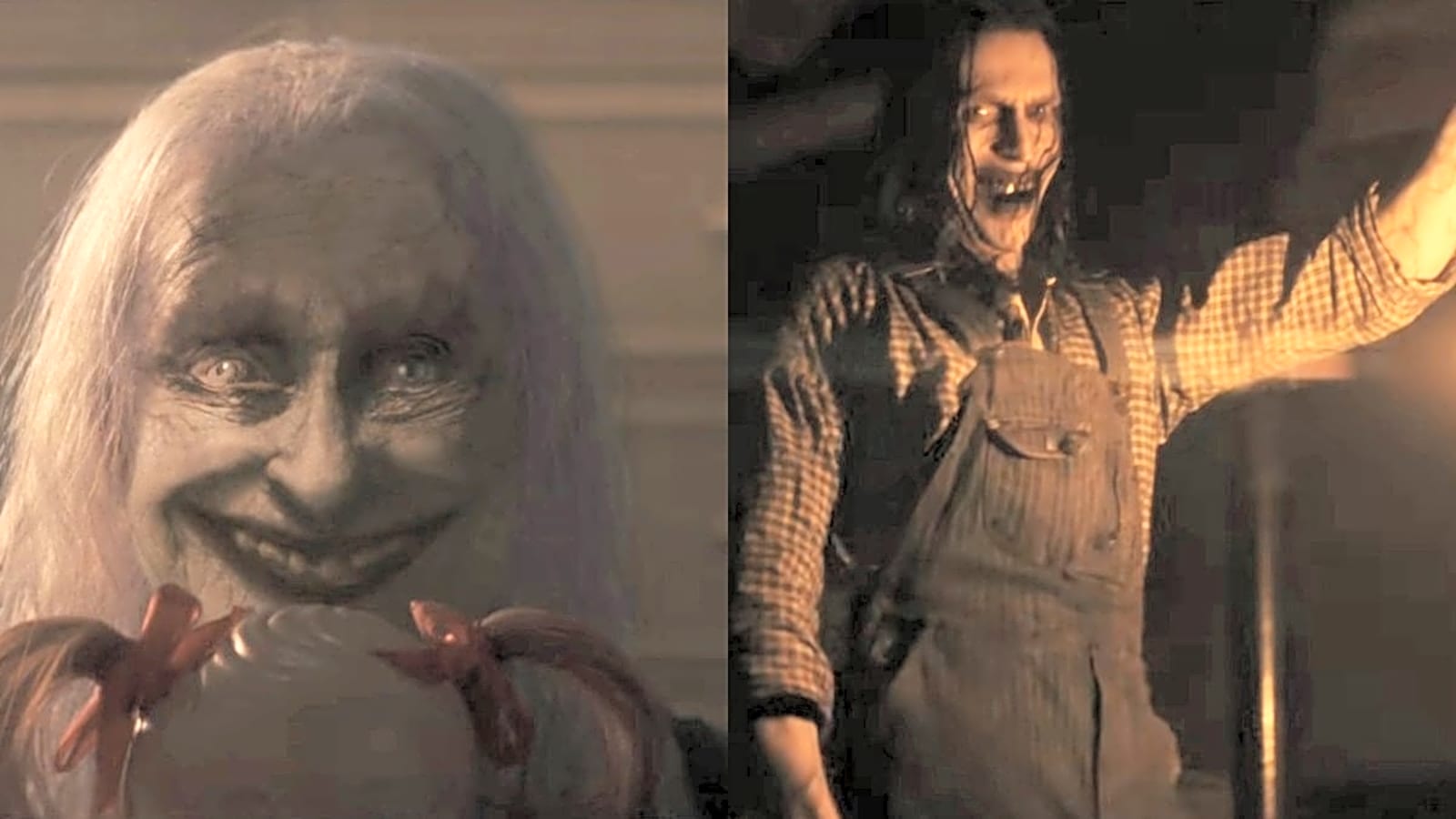
The visual design of the antagonists in The Conjuring universe is usually the work of concept artists. While they may be inspired by descriptions provided by the Warrens or "demonology" texts, there is no verified "real photo" of a demon that matches the cinematic creatures.
Can I see the real footage the movie is based on?
You can find various documentaries and interviews featuring the real Ed and Lorraine Warren on platforms like YouTube or through paranormal archives. These contain the actual "evidence" (photos and audio) that inspired the film, though they lack the cinematic polish and visual scares of the movie.
Why does the movie claim it is a "True Story"?
Under entertainment law, "Based on a True Story" is a flexible term. It indicates that the narrative has a foundation in real people or events, but it does not require the film to be a factual or chronological record. It is used primarily to enhance the immersion and "scare factor" for the audience.
Final Verdict: Enjoying the Fiction
When watching The Conjuring: Last Rites in 2026, it is important to appreciate it as a masterclass in horror filmmaking rather than a documentary. The "real footage" is a narrative device—a way to make the shadows feel a little darker and the stakes feel a little higher.
If you are interested in the actual history of the cases, your next step should be to research the specific case files from the New England Society for Psychic Research or read the biographies of the Warrens. This will allow you to see the original, unedited materials and decide for yourself what is fact and what is folklore. The movie is designed to thrill; the real archives are there to inform.