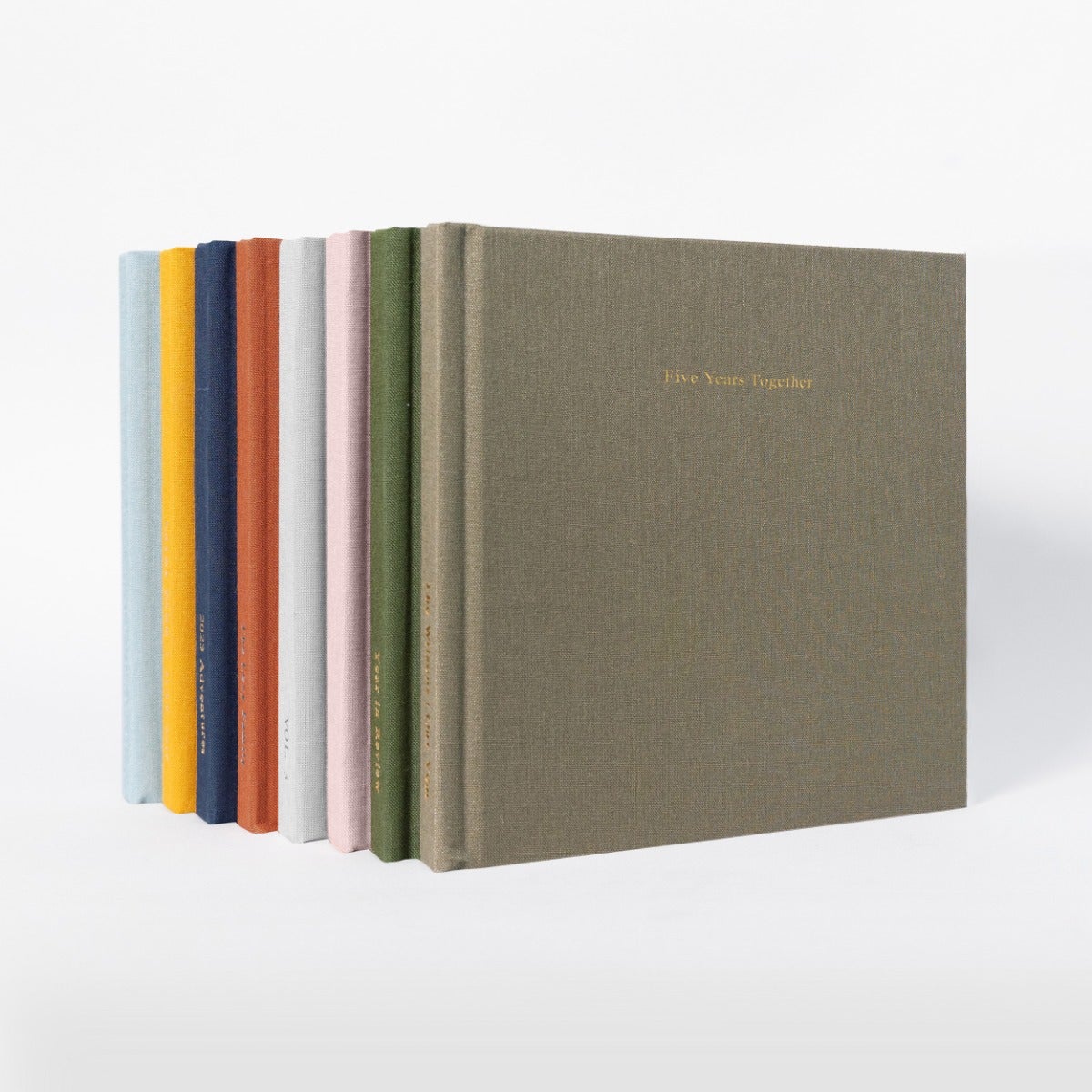
Artifact Uprising offers a premium range of photo goods with pricing that reflects a focus on high-quality materials and minimalist design. As of 2026, individual prints start at approximately $10, softcover photo books begin near $22, and heirloom-quality layflat albums range from $152 to over $350, depending on size and paper selection.
Artifact Uprising has established itself as a leader in the premium photo printing industry by prioritizing tactile quality, environmental sustainability, and a distinct aesthetic that favors "white space" and clean typography. Unlike mass-market competitors that prioritize high-volume, low-cost production, this company targets consumers who view their photographs as permanent home decor or legacy items.
This overview provides a detailed breakdown of the 2026 product catalog, current pricing structures, material specifications, and a comparison of who each product category serves best.
The Artifact Uprising Product Ecosystem
The company’s product strategy revolves around the concept of moving digital memories "off the screen and into your life." Their 2026 lineup is categorized into photo books, prints, frames, and calendars, each utilizing specific papers and artisanal binding techniques.
Heirloom Photo Books and Albums
The flagship of the brand is the Layflat Photo Album. These are designed for significant life events, such as weddings or milestone anniversaries. The defining technical feature is the ultra-thick, foil-stamped pages that allow the book to lay completely flat without a visible gutter. This is achieved through a specific binding process where two sheets are adhered together, creating a rigid, durable page that resists warping.
The Hardcover Photo Book serves as a middle-tier option. It features a custom fabric cover with a choice of several colors and a partial or full dust jacket. The paper used is typically Mohawk Superfine, known for its high opacity and archival qualities. In 2026, these remain a favorite for annual family yearbooks.
The Softcover Photo Book is the most accessible entry point in the book category. Utilizing 100% recycled interior pages, these books have a textured, matte finish that feels more like an independent art magazine than a traditional photo album.
Professional-Grade Prints
Artifact Uprising does not offer standard glossy prints found at local drugstores. Instead, they specialize in matte and fine-art finishes.
- Everyday Prints: These are printed on thick, high-quality cardstock with a signature matte finish. They are often used for small displays or as gifts.
- Giclée Prints: Using archival ink and acid-free paper, these prints are intended for longevity. The 2026 Giclée line uses a 10-ink printing process that captures a wider color gamut than standard four-color (CMYK) digital presses.
- Ultra-Thick Prints: These are nearly 1/16th of an inch thick, making them rigid enough to stand on their own or be displayed in a wooden block without a frame.
Home Decor and Frames
Sustainability is central to the framing department. Artifact Uprising uses reclaimed wood, including pine and walnut, often sourced from fallen trees or construction bypass.
The Floating Frame remains a top seller in 2026. It suspends a print between two panes of acrylic, creating a modern, airy look. Their Tabletop Frames often feature brass or wood accents, designed to complement the minimalist interiors popular in current home design trends.
Detailed 2026 Pricing Structure
Pricing at Artifact Uprising is tiered based on size, material quality, and customization options. Below is a breakdown of the standard starting prices for the most popular items in the 2026 catalog.
| Product Category | Starting Price (USD) | Key Material Feature | Best For |
|---|---|---|---|
| Layflat Photo Album | $152.00 | Ultra-thick, seamless spreads | Weddings, luxury portfolios |
| Hardcover Photo Book | $72.00 | Fabric-wrapped cover, Mohawk paper | Yearbooks, travel journals |
| Softcover Photo Book | $22.00 | 100% recycled matte paper | Casual gifts, monthly memories |
| Everyday Prints (Set of 10) | $10.00 | Textured matte cardstock | Everyday display, wall grids |
| Wood Cleat Wall Map | $55.00 | Reclaimed pine and magnetic closure | Large-scale art displays |
| Artifact Uprising Gift Card | $25.00 | Digital or physical delivery | Last-minute premium gifting |
| Floating Frame | $89.00 | Hand-crafted wood, UV-acrylic | Gallery-style home decor |
Note: Prices are subject to change based on seasonal promotions or specific customization choices, such as foil stamping or additional pages.
Material Science and Manufacturing Standards
To understand why Artifact Uprising maintains higher price points than competitors like Shutterfly or Chatbooks, one must examine the technical specifications of their manufacturing.
Paper Selection: The Mohawk Partnership
The company continues its long-standing partnership with Mohawk Fine Papers. Most products utilize Mohawk Superfine or 100% recycled interior papers. Mohawk Superfine is considered the benchmark for digital printing, offering a soft texture that absorbs ink without the "sheen" often associated with cheaper digital presses. This results in photographs that look like fine art rather than digital reproductions.
Binding Durability
The binding methods used in 2026 are specifically engineered for longevity. While inexpensive photo books often use glue-only "perfect binding" that can crack over time, Artifact Uprising uses reinforced adhesive and, in the case of the Hardcover series, Smyth-sewn signatures on select premium lines. This ensures that the books can be opened and closed thousands of times without pages detaching.
Color Accuracy and Printing Tech
Artifact Uprising employs a mix of digital offset printing (HP Indigo presses) and Giclée (large-format inkjet) printing. For the 2026 product line, the digital offset machines are calibrated daily to ensure skin tone accuracy and shadow detail. The Giclée process used for Large Format Prints and Gallery Frames involves pigment-based inks, which are rated to resist fading for up to 100 years under normal indoor lighting conditions.
Strategic Comparison: Who is Artifact Uprising For?
When evaluating the cost-to-value ratio, it is helpful to compare the brand against other market segments.
Artifact Uprising vs. Mass-Market Printers
Printers like Shutterfly offer frequent discounts of up to 50%, making them significantly cheaper. However, these services often use thinner, glossy papers and automated color correction that can lead to oversaturated or "plastic-looking" results. Artifact Uprising is for the user who prefers a muted, organic aesthetic and superior tactile quality.
Artifact Uprising vs. Ultra-Luxury Labs
Comparison to professional labs like Miller’s or White House Custom Colour (WHCC) shows that Artifact Uprising sits in a "prosumer" sweet spot. While professional labs offer more paper finishes (Lustre, Metallic, etc.), Artifact Uprising provides a more curated, user-friendly design interface that prevents "choice paralysis." Their software limits layout options to ensure the final product looks professionally designed, even if the user has no graphic design background.
Navigating the Customization Process
The pricing increases as users add specific features. In 2026, the following add-ons are common:
- Foil Stamping: Available in gold, silver, or copper, usually adding $15–$25 to a book project.
- Additional Pages: While base prices include a set number of pages (e.g., 20 pages for a Layflat Album), extra pages are priced per spread (two pages). In 2026, these typically cost between $2.50 and $5.00 per spread depending on the book type.
- Premium Cover Fabrics: Certain "Limited Edition" linen or leatherette covers may carry a $10–$30 surcharge.
The user interface for designing these products is available via a web browser or a dedicated mobile app. The app is particularly optimized for the Daily Calendar and Softcover Books, allowing users to pull images directly from their smartphone's camera roll or Instagram feed.
Environmental Sustainability Commitments
A significant portion of the overhead reflected in the pricing is dedicated to the company's environmental footprint. By 2026, Artifact Uprising has further refined its "Forest to Frame" initiative.
- Recycled Materials: All Softcover Photo Books are printed on 100% post-consumer waste recycled paper.
- FSC Certification: All paper products are Forest Stewardship Council (FSC) certified, ensuring they come from responsibly managed forests that provide environmental, social, and economic benefits.
- Reclaimed Wood: Frames and wood blocks are crafted from beetle-kill pine or other reclaimed sources, preventing these materials from entering landfills and reducing the need for new timber harvesting.
Potential Limitations and Considerations
Despite the high quality, there are factors that might make Artifact Uprising less suitable for some users:
- Production Speed: Because many items are hand-bound or made to order, shipping times are longer than mass-market printers. A Layflat Album may take 10-14 business days for production before it even ships.
- Lack of "Fluff": The design editor does not offer clip art, colorful borders, or "busy" themes. If a user wants a highly decorative, scrapbook-style book, the minimalist Artifact Uprising aesthetic may feel restrictive.
- Software Rigidity: To maintain their design standard, the software often forces photos into specific aspect ratios or positions. Users looking for total "pixel-perfect" control might find the editor's "grid-based" philosophy frustrating.
Frequently Asked Questions
Does Artifact Uprising offer professional photographer discounts in 2026?
Yes, Artifact Uprising maintains a "Pro" program for professional photographers, interior designers, and architects. This program typically offers a percentage-based discount (usually 15-20%) and access to unbranded shipping so professionals can send products directly to their clients. Verification of professional status is required to join.
What is the difference between the Layflat Album and the Hardcover Photo Book?
The primary difference is the binding and page thickness. The Layflat Album uses an ultra-thick substrate that allows the book to open 180 degrees without a curve in the center, making it ideal for panoramic photos. The Hardcover Photo Book uses a traditional "library binding" where pages curve into a gutter, and the pages are thinner (similar to a high-end coffee table book).
Are Artifact Uprising products archival?
Most products are designed with archival qualities. The Giclée prints and Layflat albums use acid-free papers and archival-grade inks or toners. When stored in a cool, dry place away from direct sunlight, these products are designed to last for generations without significant yellowing or fading.
Can I change the paper type in my photo book?
Artifact Uprising generally offers a specific, curated paper for each book type to ensure the highest quality. While you cannot usually swap a Softcover paper into a Layflat Album, the company occasionally offers choices between "Lustre" and "Matte" finishes for their premium albums in the 2026 catalog.
How does shipping work for fragile items like frames?
Artifact Uprising uses custom-engineered packaging for their frames and large-format prints. In 2026, they utilize reinforced cardboard and biodegradable protective layers. In the rare event of damage during transit, their customer service policy typically covers a replacement at no cost to the user, provided photos of the damage are submitted within a specific timeframe.
Summary and Next Actions
Artifact Uprising remains a premium choice for those looking to preserve memories with a sophisticated, minimalist aesthetic. While the pricing is higher than generic printing services, the investment is justified by the use of archival materials, sustainable manufacturing, and artisanal binding.
If you are planning a high-stakes project like a wedding album, start by selecting the Layflat Photo Album and exploring the linen cover options. For more frequent, casual projects, the Softcover Photo Book or Everyday Prints provide a high-quality tactile experience at a more accessible price point. To begin, gather your high-resolution images—at least 300 DPI is recommended for the best results on Mohawk paper—and use their web editor to choose a layout that prioritizes your most impactful photographs.