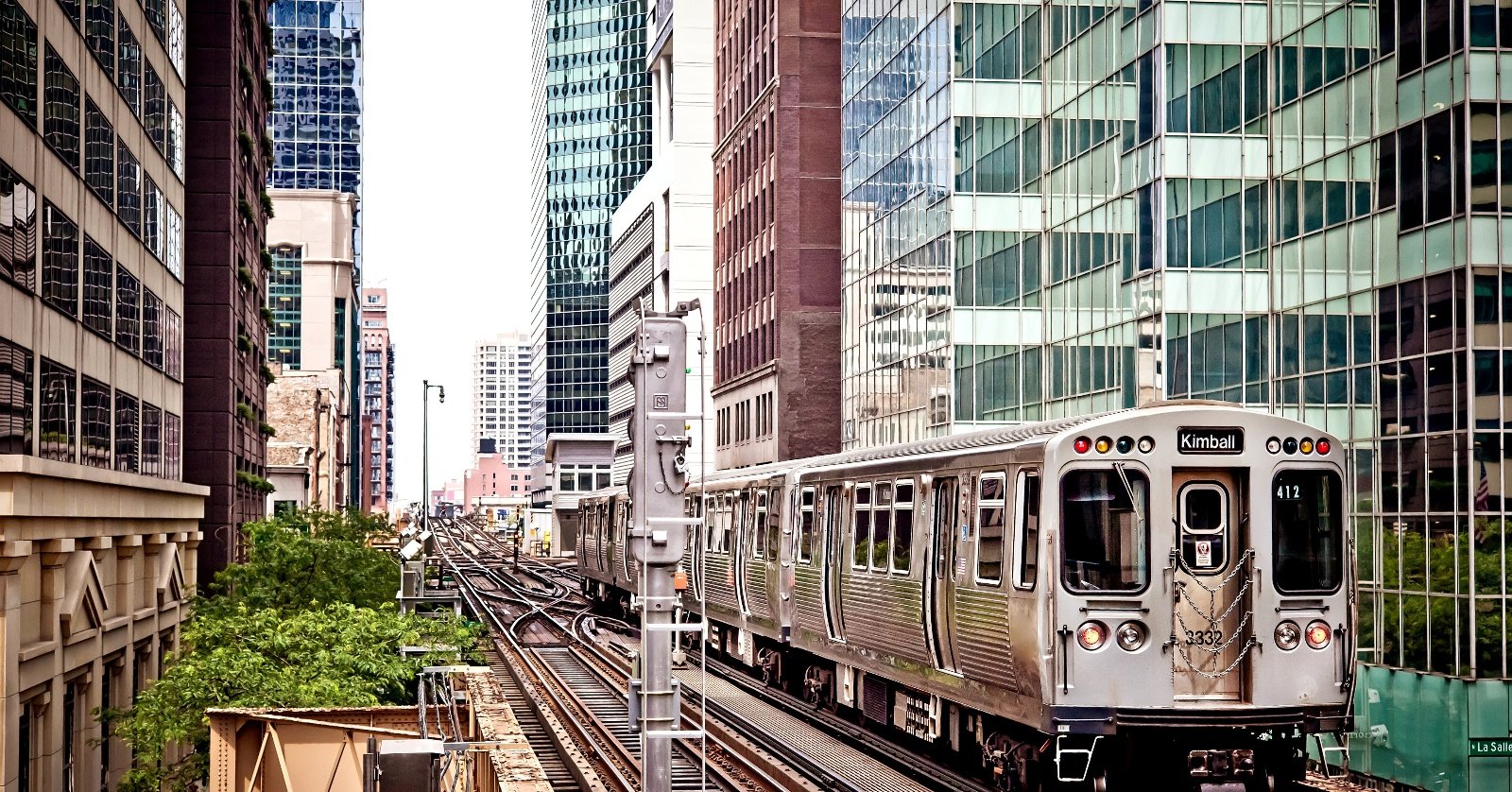
The journey from Arlington Heights to Chicago is a definitive daily ritual that dictates your schedule, mental energy, and financial planning. Whether you utilize the Metra Union Pacific Northwest line or navigate the I-90 corridor, this 25-mile transit serves as a critical buffer that separates suburban life from professional obligations in the city.
For many residents of the Chicago metropolitan area, Arlington Heights represents the ideal balance of suburban tranquility and urban accessibility. However, the act of moving between these two points is not merely a logistical necessity; it is a transformative period that shapes the beginning and end of every workday. In 2026, the options for this commute have become more streamlined, yet the fundamental impact on a person’s daily rhythm remains profound. Understanding the nuances of this journey—from the timing of express trains to the congestion patterns of the Kennedy Expressway—is essential for anyone looking to master the Arlington Heights-to-Chicago lifestyle.
The Metra Union Pacific Northwest (UP-NW) Experience
The Metra Union Pacific Northwest (UP-NW) line is the backbone of the Arlington Heights commute. For decades, it has provided a reliable alternative to the volatility of Chicago highway traffic. In 2026, the service remains a preferred choice for professionals working in the Loop or the West Loop, primarily due to its terminating at Ogilvie Transportation Center.
The Two-Station Advantage
Arlington Heights is unique because it features two distinct Metra stations: the Arlington Heights Station (Downtown) and the Arlington Park Station.
- Arlington Heights Downtown Station: Located in the heart of the village, this station is surrounded by transit-oriented developments, cafes, and shops. For those living in the immediate downtown area, the commute begins with a walk, which integrates physical activity into the morning routine before even stepping onto the platform.
- Arlington Park Station: Situated further northwest, this station historically served the racetrack. Today, it serves as a massive park-and-ride hub. It is often the preferred choice for residents living on the outskirts of the village or in neighboring areas like Rolling Meadows, providing ample parking and easier access to the express trains that skip several intermediate stops.
The Express Train Ritual
The "shape" of a commuter’s day is often determined by the Express Train. During peak morning hours, Metra runs specialized schedules that can cut the journey down to approximately 35 to 45 minutes. Missing an express train and being forced onto a local "all-stops" train can add 20 minutes to the journey, potentially causing missed meetings or disrupted morning workflows.
The environment inside the train also plays a psychological role. The "Quiet Car" policy, strictly enforced during rush hours, allows commuters to engage in deep work, reading, or meditation. This "third space" between home and work helps in transitioning the brain from "parent/homeowner mode" to "professional mode."
Navigating the I-90 and the Kennedy Expressway
For those who require more flexibility or whose destination is not within walking distance of Ogilvie Transportation Center, driving via Interstate 90 (the Jane Addams Memorial Tollway) and the Kennedy Expressway is the primary alternative.
The Traffic Equilibrium
In 2026, traffic patterns have reached a post-pandemic equilibrium. While remote work has reduced the absolute number of daily drivers compared to a decade ago, the concentration of traffic during peak windows remains high. A drive that takes 35 minutes at 10:00 PM can easily stretch to 90 minutes at 7:30 AM.
The "shape" of the driver's day is characterized by high-alert navigation. The junction where the Edens Expressway (I-94) merges with the Kennedy is a notorious bottleneck that requires patience and defensive driving. Unlike the Metra rider, the driver cannot answer emails or read; instead, the day is shaped by audio consumption—podcasts, news briefs, or professional development audiobooks.
Tolls and Infrastructure
The use of I-PASS or E-ZPass is mandatory for a fluid journey. As of 2026, the Illinois Tollway has integrated more sophisticated "Smart Road" technologies, providing real-time lane closures and speed limit adjustments to mitigate accidents. These technological interventions have slightly improved predictability, but the inherent variability of road travel means drivers from Arlington Heights must always build a "buffer" of 15-20 minutes into their schedules.
The Financial Impact of the Commute
The cost of the journey is a significant factor in how residents manage their household budgets. The financial burden differs greatly between rail and road.
| Expense Category | Metra (Monthly) | Driving (Monthly - 20 days) |
|---|---|---|
| Pass/Fuel | ~$100 (Regional Pass) | $180 - $240 (Fuel) |
| Parking | $30 - $60 (Station Lot) | $300 - $500 (Loop Garage) |
| Tolls | N/A | $60 - $80 |
| Maintenance | N/A | $50 (Estimated wear/tear) |
| Total | $130 - $160 | $590 - $870 |
Note: Driving costs can vary significantly based on vehicle fuel efficiency and the specific parking contract secured in the city.
For many, the $400 to $700 monthly savings offered by the Metra is the deciding factor. However, for high-level executives or those with irregular hours, the "convenience tax" of driving is often viewed as a necessary investment in their own schedule control.
How the Journey Shapes Mental Health and Productivity
The psychological toll of the Arlington Heights-to-Chicago journey is often overlooked but remains a dominant factor in long-term career sustainability.
The "Decompression" Period
One of the most valuable aspects of the commute is the evening return journey. For the Metra commuter, the 45-minute ride back to Arlington Heights serves as a period of decompression. By the time the train pulls into the downtown station, the stress of the city has often dissipated. This allows for a more present and engaged home life upon arrival.
In contrast, the driver often arrives home with higher levels of cortisol due to the "stop-and-go" nature of the Kennedy Expressway. The frustration of traffic can bleed into the evening hours, shaping the mood of the household.
The Last-Mile Challenge
In 2026, the "last mile"—the distance between the transportation hub and the final destination—is solved through a mix of Pace Bus connections, Divvy bikes, and ride-sharing. Arlington Heights has invested heavily in bicycle infrastructure, making it easier for residents to bike to the station, further integrating health and wellness into the daily transit routine.
Strategic Tips for the Arlington Heights Commuter
To optimize the journey and ensure it shapes the day positively rather than negatively, seasoned commuters follow several key strategies:
- Leverage the Metra App: The Ventra App is essential for real-time tracking. In 2026, GPS tracking on the UP-NW line is highly accurate, allowing commuters to time their arrival at the platform to the minute, minimizing exposure to the elements during Chicago winters.
- Flexible Start Times: If your employer allows, shifting your start time to 7:00 AM or 10:00 AM can reduce your transit time by up to 30%. The "peak-of-the-peak" (7:30 AM to 8:30 AM) is the most stressful time to be on either the train or the road.
- The "Reverse Commute" Awareness: While most people travel into the city, Arlington Heights is also a hub for businesses. Understanding the reverse flow can help residents who live in the city but work in the suburbs, as the traffic patterns are generally lighter but still subject to the same expressway bottlenecks.
- Weather Preparedness: Chicago weather is a primary disruptor. Heavy snow can delay Metra trains by 15-30 minutes and double the driving time on I-90. Checking the National Weather Service - Chicago before leaving the house is a mandatory step in a commuter’s morning.
The Role of Arlington Heights in the "New" Chicago Economy
As we move through 2026, the relationship between Arlington Heights and Chicago continues to evolve. The suburb is no longer just a "bedroom community"; it is a sophisticated satellite of the city. Many people choose this journey because Arlington Heights offers a high quality of life, top-tier schools, and a vibrant downtown that rivals some city neighborhoods.
The journey is the price paid for this balance. When managed well, the commute is not "wasted time," but rather a structured part of the day that allows for personal growth, professional preparation, or necessary relaxation.
Frequently Asked Questions
How long is the average express train from Arlington Heights to Chicago?
The express train on the Metra UP-NW line typically takes between 35 and 45 minutes to reach Ogilvie Transportation Center. Local trains, which stop at every station (including Mount Prospect, Des Plaines, and Park Ridge), can take 55 to 65 minutes.
Is there enough parking at the Arlington Heights Metra stations?
The Arlington Park station has one of the largest parking capacities in the Metra system, and finding a spot is generally easy. The Downtown Arlington Heights station has several multi-level parking garages nearby, though these can fill up quickly before 8:00 AM. Many residents utilize quarterly parking permits for guaranteed spots.
What is the most cost-effective way to commute from Arlington Heights to Chicago?
The Metra is significantly more cost-effective than driving. Between the savings on city parking (which can exceed $400 a month), tolls, and fuel, most commuters save over $5,000 annually by choosing the train over a personal vehicle.
Does the Pace Bus service Arlington Heights?
Yes, Pace Bus operates several routes that connect residential neighborhoods in Arlington Heights to the Metra stations. In 2026, there are also "Bus on Shoulder" services that utilize the I-90 corridor to provide faster transit for those heading toward Rosemont or the Blue Line CTA stations.
How has remote work changed the Arlington Heights commute in 2026?
Remote and hybrid work have made the commute more of a "choice" for many. This has led to a "Tuesday-Wednesday-Thursday" peak, where traffic and train ridership are significantly higher than on Mondays or Fridays. Commuters who have flexibility often choose to travel on the "off-peak" days to enjoy a quieter journey.
Practical Recommendation
If you are new to the Arlington Heights-to-Chicago journey, the most effective way to start is by testing the Metra UP-NW line for one full week. This allows you to experience the express schedules and the "Quiet Car" environment without the immediate stress of city driving. Download the Ventra app to manage your tickets digitally and monitor real-time arrivals. After a week, compare your stress levels and "found time" (for reading or work) against a week of driving to determine which method best shapes your day for success.