The April 20 walkout refers to the National School Walkout held on April 20, 2018, to protest gun violence and demand legislative reform. Organized primarily by students on the 19th anniversary of the Columbine High School shooting, the event saw participation from thousands of schools across the United States, marking a pivotal moment in youth-led political activism and the ongoing debate over Second Amendment rights and school safety.
The Genesis of the April 20 Movement
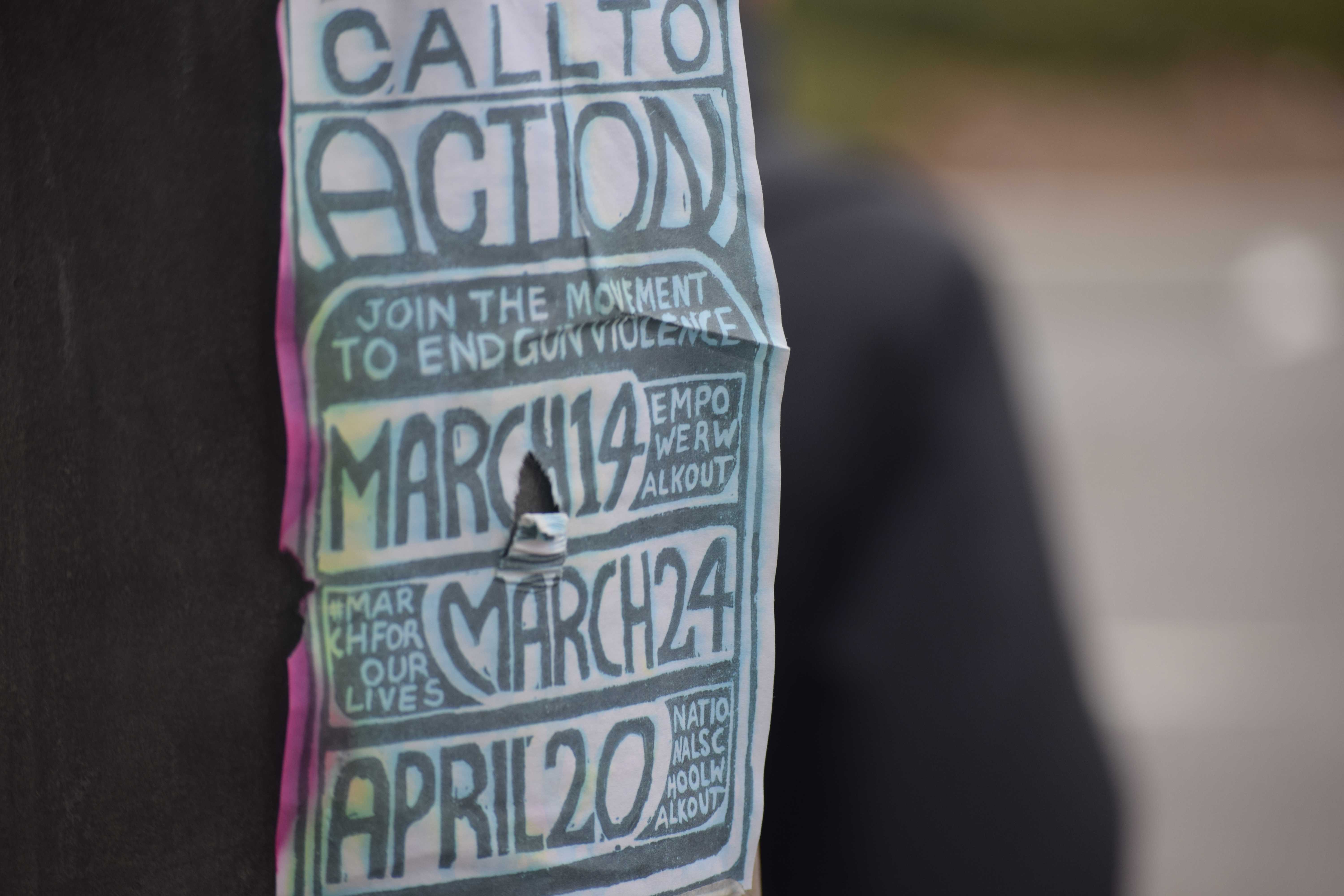
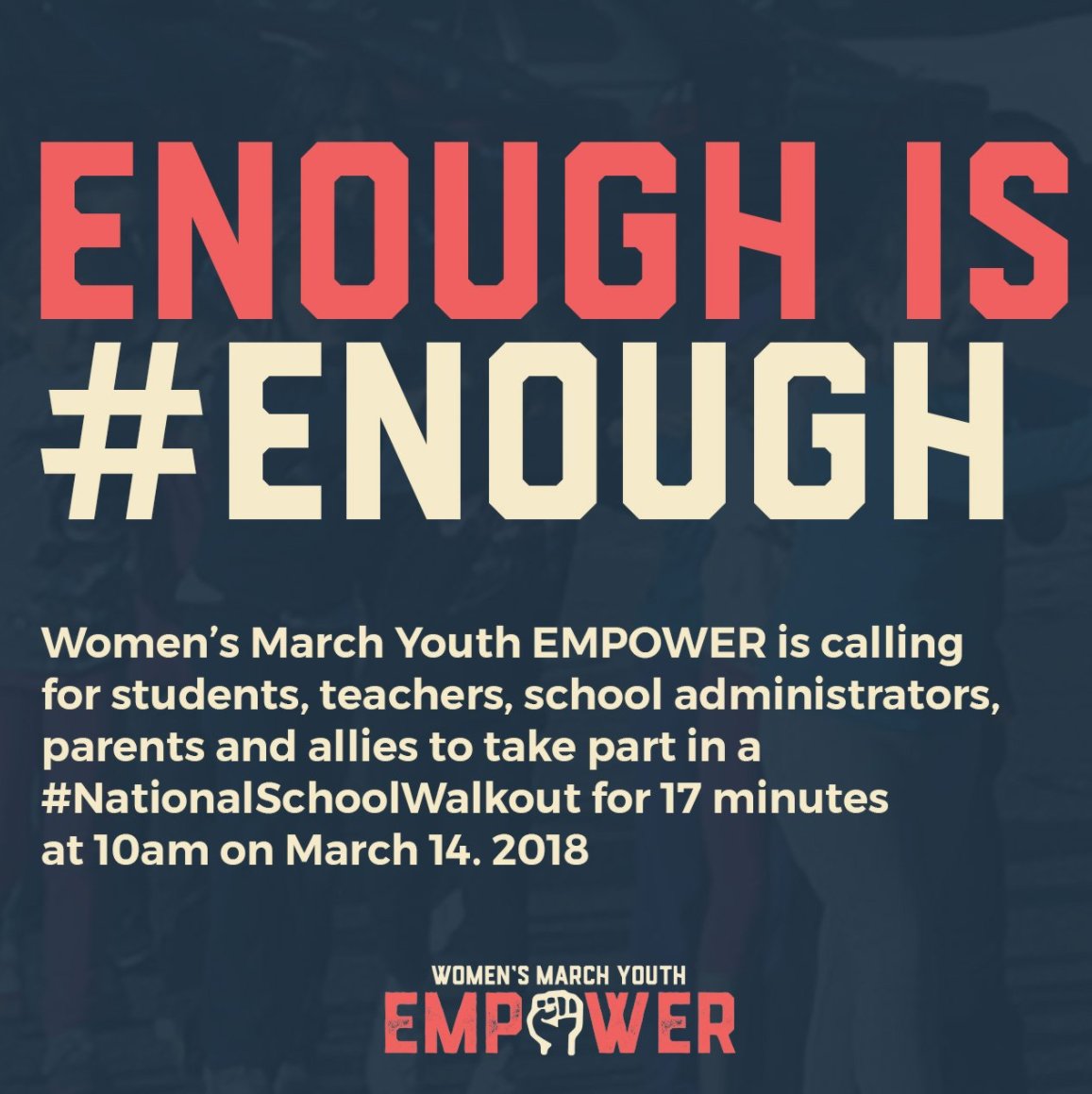
The impetus for the April 20 walkout was the tragic shooting at Marjory Stoneman Douglas High School in Parkland, Florida, on February 14, 2018. While the "March 14 Walkout" occurred exactly one month after the Parkland shooting and lasted for 17 minutes to honor the 17 victims, the April 20 event was designed to be a more sustained protest. It was specifically scheduled to coincide with the anniversary of the 1999 Columbine High School massacre, a date that has long served as a grim benchmark for the era of modern school shootings.
Lane Murdock, a high school student from Ridgefield, Connecticut, launched a petition shortly after the Parkland shooting that quickly gained national momentum. Unlike earlier protests that were brief memorials, the April 20 walkout encouraged students to leave class for the remainder of the school day. This shift from a "moment of silence" to a "day of action" signaled a maturing of the student movement, transitioning from grief to specific political demands.
The organization of the event relied heavily on social media platforms and decentralized local leadership. While national organizations like Empower (the youth wing of the Women’s March) supported the earlier March 14 event, the April 20 walkout was largely seen as a grassroots, student-driven initiative. This distinction is vital for understanding the landscape of youth activism in the late 2010s; it demonstrated that students did not require traditional institutional backing to mobilize on a national scale.
Core Objectives and Legislative Demands
The primary goal of the April 20 walkout was to pressure local, state, and federal legislators to enact "common-sense" gun control measures. Organizers argued that the frequency of mass shootings in American schools constituted a national crisis that required immediate intervention. The demands were not merely symbolic; they focused on specific policy changes that activists believed would reduce the lethality and frequency of gun-related incidents.
Key legislative priorities advocated during the walkout included:
- Universal Background Checks: Closing the "gun show loophole" and ensuring that all firearm transfers, including private sales and online purchases, undergo a rigorous background check.
- Banning High-Capacity Magazines and Assault Weapons: Restricting access to firearms capable of firing many rounds in a short period, which are frequently used in mass casualty events.
- Red Flag Laws: Implementing Extreme Risk Protection Orders (ERPOs) that allow courts to temporarily remove firearms from individuals deemed a danger to themselves or others.
- Raising the Minimum Purchase Age: Increasing the legal age to purchase semi-automatic rifles from 18 to 21, matching the federal requirement for handguns.
Beyond legislation, the walkout aimed to promote youth civic engagement. Many schools used the day to host voter registration drives for students who would be turning 18 before the 2018 midterm elections. This strategic focus on the ballot box transformed the protest from a singular event into a long-term political strategy, aiming to create a "voting bloc" of young people focused on gun safety.
Student Rights and Legal Protections
One of the most significant complexities of the April 20 walkout involved the intersection of student speech and school disciplinary policies. Because the walkout involved leaving class and, in many cases, leaving school grounds, it raised questions about the First Amendment rights of minors.
According to the landmark Supreme Court case Tinker v. Des Moines Independent Community School District, students do not "shed their constitutional rights to freedom of speech or expression at the schoolhouse gate." However, this right is not absolute. Schools are permitted to discipline students for conduct that causes a "substantial disruption" to the educational environment.
Crucially, the ACLU and other legal advocacy groups pointed out that while schools could discipline students for missing class (the same way they would for any unexcused absence), they could not impose harsher penalties because the absence was for political protest. For example, if a standard unexcused absence resulted in a detention, a student walking out for gun control could not be suspended solely because the administration disagreed with their message.
| Protest Type | Primary Goal | Timing/Duration | Legal Context |
|---|---|---|---|
| March 14 Walkout | Memorialize Parkland victims | 17 Minutes | Usually school-sanctioned; low disruption. |
| April 20 Walkout | Policy change & Columbine anniversary | Full day (or remainder of day) | Higher risk of disciplinary action; unexcused absence. |
| March for Our Lives | National visibility & legislative pressure | Weekend (Non-school day) | Pure First Amendment protection; no school conflict. |
| Voter Registration | Long-term electoral impact | Ongoing | Educational activity; often supported by schools. |
Organizational Logistics and Participation
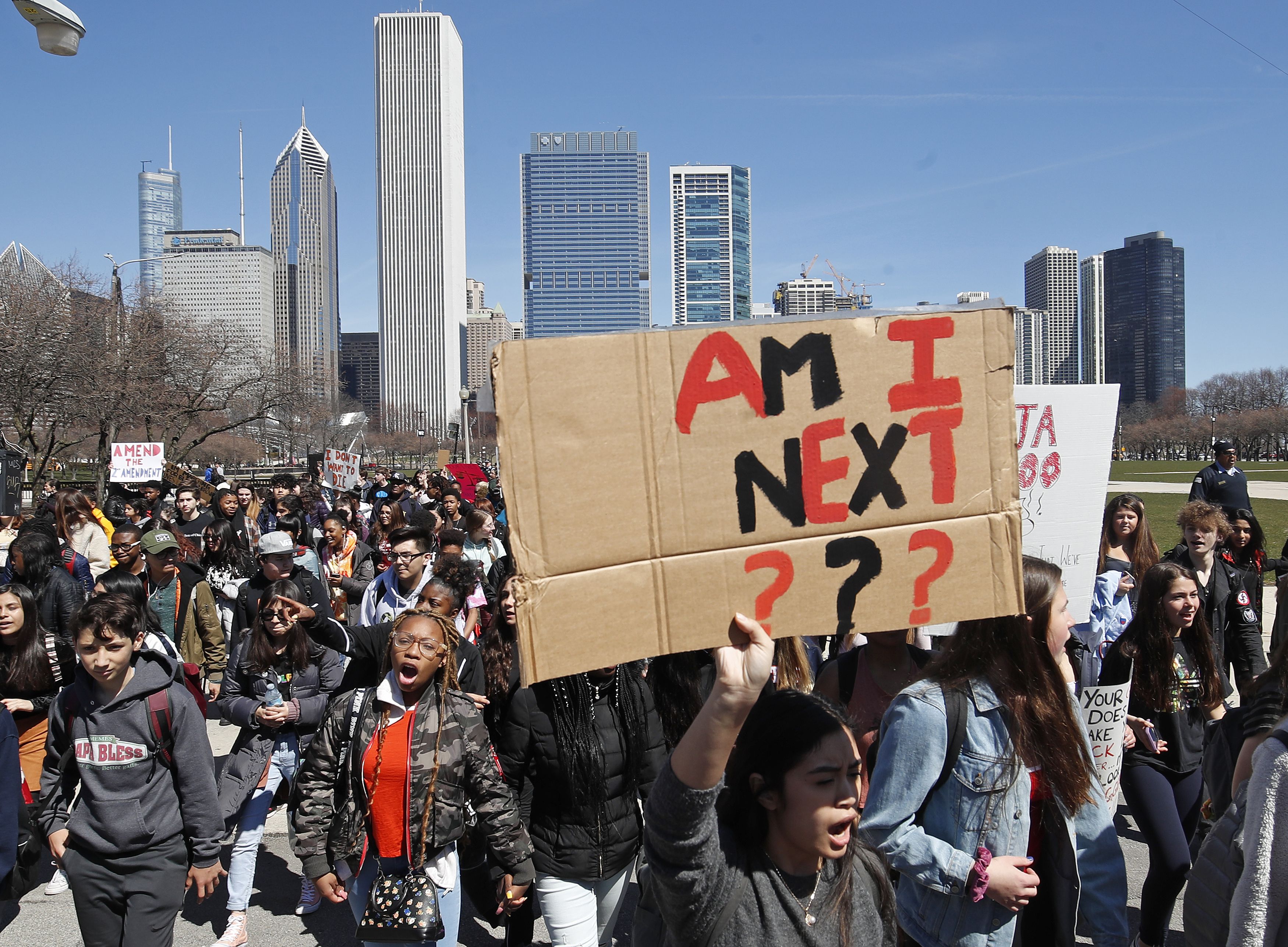
The scale of the April 20 walkout was unprecedented for a student-led movement. Estimates suggested that over 2,500 schools participated across all 50 states. The logistics were handled through a combination of national digital toolkits and local student "leads" who coordinated with their respective school administrations.
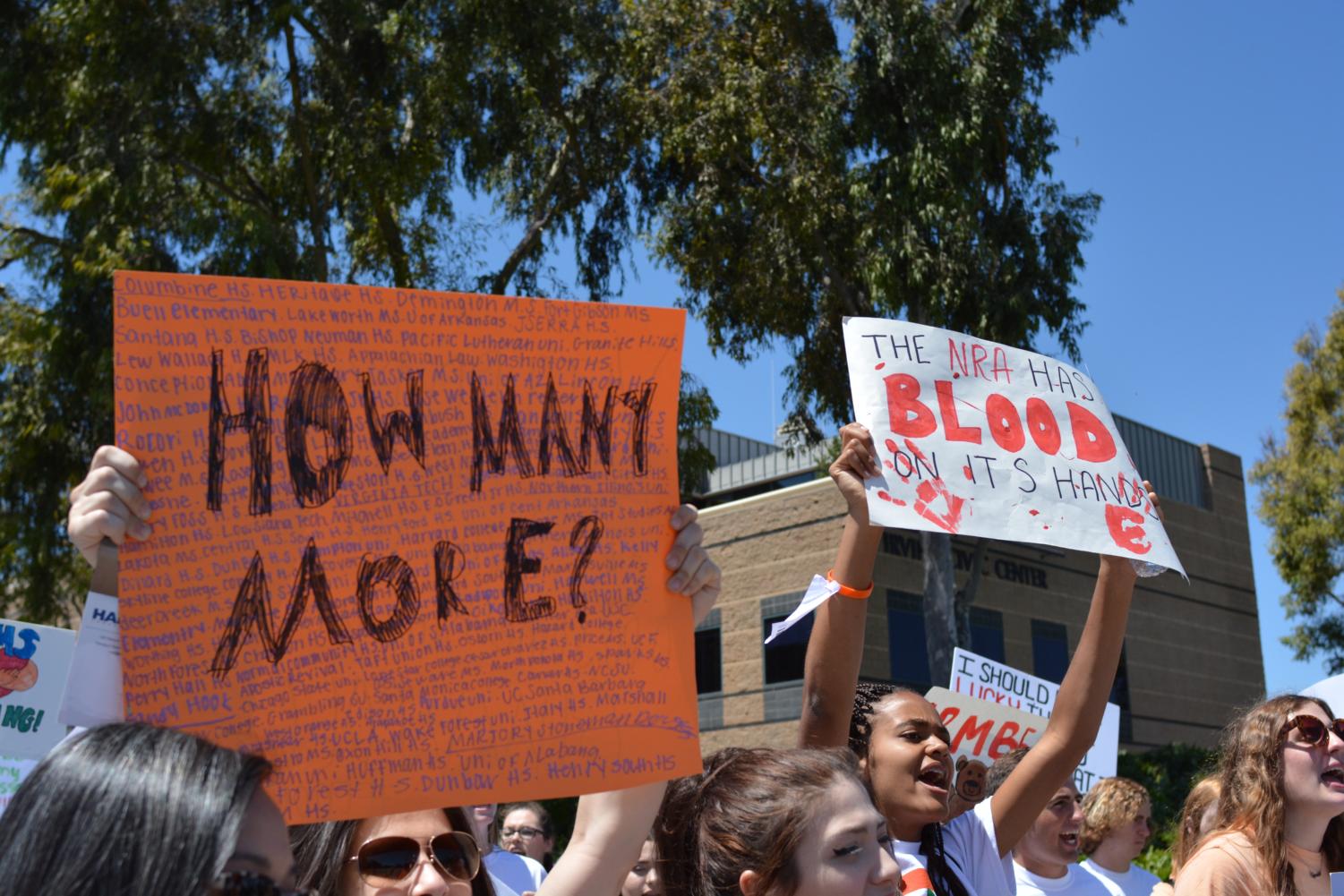
In many districts, the walkout took the form of "die-ins" on football fields, rallies at state capitols, or community service projects. Some school administrations sought to accommodate the students by creating "designated protest zones" on campus. This sparked a secondary debate within the movement: some activists felt that a sanctioned protest lost its "disruptive" power, while others argued that safety and avoiding suspension were paramount for maintaining the movement's numbers.
The role of technology cannot be understated. Platforms like Twitter (now X), Instagram, and Snapchat allowed students in rural areas to feel connected to a larger national narrative. This digital connectivity ensured that even if a student was the only one walking out in their specific town, they were part of a visible, documented collective.
Examining the Counter-Perspectives
While the April 20 walkout received significant media coverage and support, it also faced substantial opposition and criticism. Opponents of the movement, including many Second Amendment advocacy groups, argued that the protests were being "staged" or "manipulated" by adult political interests. They contended that focusing on firearm restrictions infringed upon the constitutional rights of law-abiding citizens.
Alternative solutions proposed by critics included:
- Hardening Schools: Increasing the presence of School Resource Officers (SROs), installing metal detectors, and implementing "single-point entry" systems.
- Arming Teachers: Some legislators proposed training and arming school staff as a deterrent and a means of immediate defense.
- Mental Health Focus: Arguing that the root cause of school shootings is a mental health crisis rather than the availability of firearms.
These counter-arguments often led to "walk-ins" or counter-protests, where students who supported gun rights or felt the walkout was disrespectful to the educational process expressed their views. This polarization mirrored the broader national divide, showing that even within the youth demographic, there was no monolithic opinion on how to achieve school safety.
Long-term Impact and the View from 2026
As we look back from 2026, the April 20 walkout is viewed by historians as a catalyst for a new era of youth engagement. While federal gun legislation remained largely gridlocked in the years immediately following 2018, the movement saw significant successes at the state level. In the 18 months following the walkouts, more than 20 states passed new gun safety laws, including "Red Flag" laws and strengthened background check requirements.
Furthermore, the "Class of 2018" and those who participated in the walkouts reached full voting age by the early 2020s. Data from the Center for Information & Research on Civic Learning and Engagement (CIRCLE) indicated that youth voter turnout in the 2020 and 2022 elections was historically high, with gun violence consistently ranking as a top issue for voters under 30.
The walkout also changed how schools approach student activism. Many districts revised their student handbooks to include specific protocols for peaceful protest, recognizing that suppressing political expression often leads to greater disruption than accommodating it. The event established a blueprint for subsequent movements, including the global climate strikes and protests for social justice, which utilized similar decentralized, social-media-heavy organizational models.
Common Obstacles Faced by Organizers
The path to organizing the April 20 walkout was not without significant hurdles. Student leaders often found themselves at odds with school boards and local police departments. In some instances, students faced threats of being barred from extracurricular activities, sports, or even graduation ceremonies if they participated in the walkout.
Navigating these threats required a high degree of maturity and legal literacy. Organizations like the National School Board Association issued guidance to districts, but the application of these rules varied wildly from state to state. In "Red" states, students often faced more severe social and administrative pushback than those in "Blue" states, creating a disparate experience for activists based on their geography.
Another obstacle was "protest fatigue." Because the April 20 event followed the March 14 walkout and the March for Our Lives (which took place on March 24, 2018), some felt that the momentum had shifted. Organizers had to work doubly hard to explain why a third event was necessary, leaning into the specific symbolism of the Columbine anniversary to justify the timing.
Summary of Significant Findings
The April 20 walkout was more than a school absence; it was a sophisticated exercise in civic participation. It demonstrated that:
- Youth Mobilization is Scalable: Digital tools allow for rapid, national-scale organization without traditional hierarchical structures.
- Constitutional Literacy is Essential: Students who understood their First Amendment rights were better equipped to negotiate with administrations and protect themselves from disproportionate discipline.
- State-Level Change is Possible: Even when federal action is stalled, localized activism can lead to significant legislative shifts in gun policy.
- Symbolism Matters: Aligning the protest with the Columbine anniversary provided a historical weight that resonated with the public and the media.
Frequently Asked Questions
Was the April 20 walkout legal?
The act of walking out of school is generally considered a violation of school attendance policies, which is not "legal" in the sense that students are immune from punishment. However, under the First Amendment, schools cannot punish students more severely for a walkout than they would for any other unexcused absence. If a student stays on campus and protests peacefully without disrupting classes, they have broader protections.
What is the difference between the March 14 and April 20 walkouts?
The March 14 walkout was exactly one month after the Parkland shooting and lasted 17 minutes to honor the victims. It was largely memorial in nature and often supported by school administrations. The April 20 walkout was held on the anniversary of the Columbine shooting, lasted for the entire school day, and was more focused on aggressive legislative demands and political action.
Did the walkout actually lead to any new laws?
Yes, primarily at the state level. Following the 2018 protests, Florida passed the Marjory Stoneman Douglas High School Public Safety Act, which raised the gun purchase age to 21 and implemented a waiting period. Numerous other states passed "Red Flag" laws and banned bump stocks in the wake of the movement's pressure.
Who organized the April 20 walkout?
The movement was started by Lane Murdock, a student at Ridgefield High School in Connecticut. She launched a Change.org petition that went viral, eventually leading to a decentralized network of student leaders across the country who managed local events.
How many students participated in the April 20 walkout?
While exact numbers are difficult to verify, estimates suggest that students from over 2,500 schools participated. The total number of students involved was likely in the hundreds of thousands, making it one of the largest student-led protests in American history.
Can a school stop me from participating in a walkout?
A school cannot physically restrain you from leaving, but they can enforce their attendance policies. If the school policy dictates that leaving campus without permission results in a detention or a zero on a quiz, they are generally legally allowed to enforce that, provided they apply the rule equally to all students regardless of their political message.
Practical Recommendations for Student Activists
For those looking to organize similar events, the legacy of April 20, 2018, suggests several best practices. First, know your rights. Before organizing, consult with legal resources to understand the specific disciplinary consequences in your district. Second, engage with the administration early. While a walkout is a protest, informing the school of your plans can often lead to a safer environment and reduced disciplinary friction.
Finally, connect the protest to a specific action. The most successful April 20 events were those that didn't just end when students went home. They included voter registration, letter-writing campaigns to representatives, or town hall meetings. As we see in 2026, the impact of a protest is measured not just by the number of people in the streets, but by the legislative and electoral changes that follow.