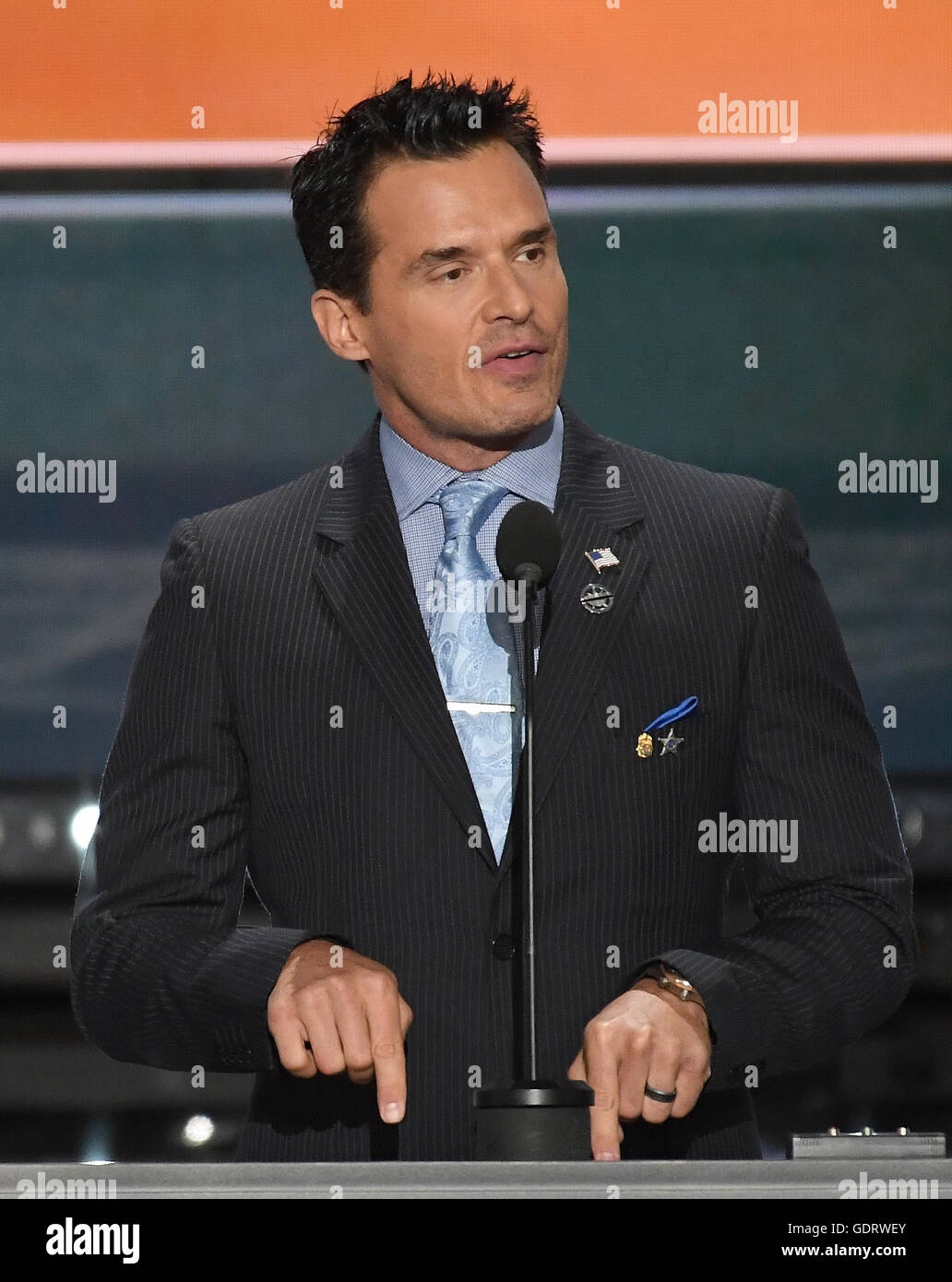
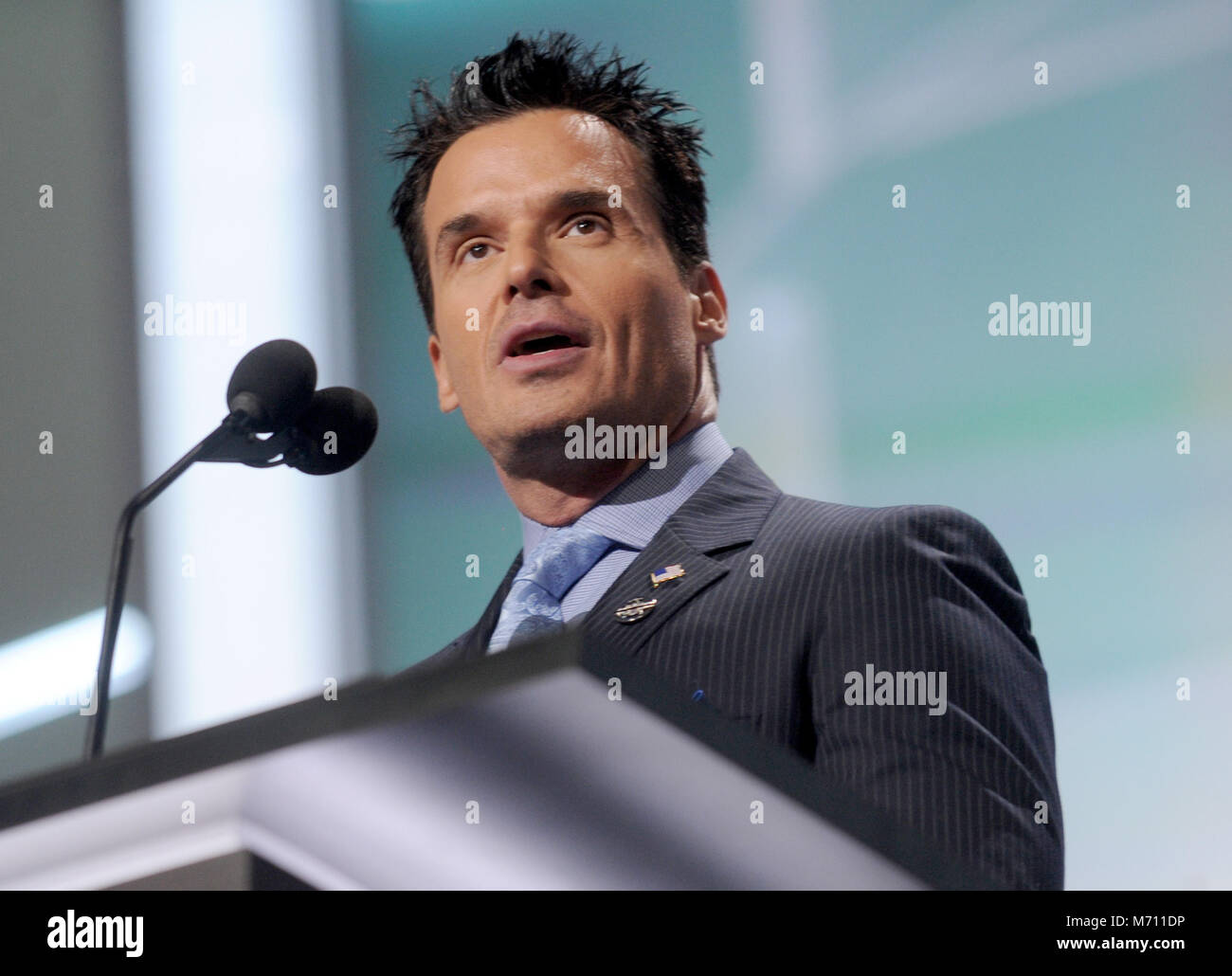
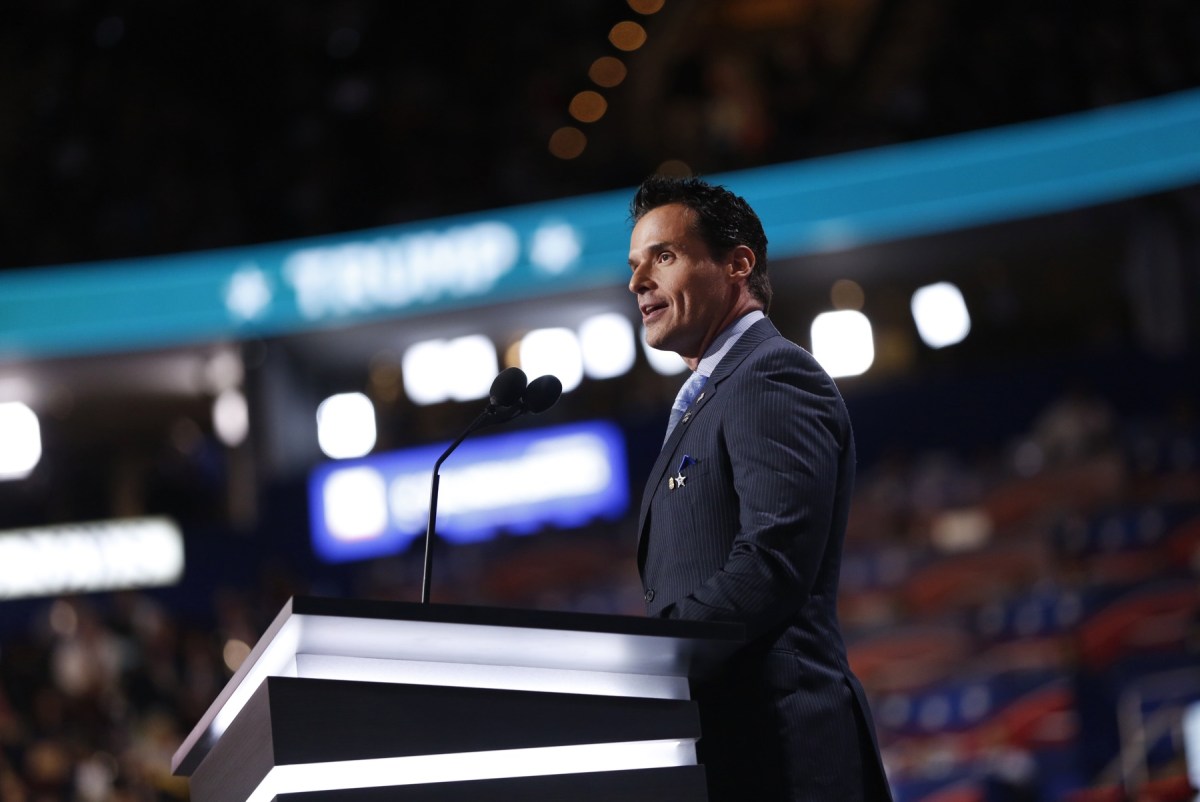
Antonio Sabato Jr., primarily known for his extensive career as an actor, model, and television personality, transitioned into the political arena in 2018. His campaign for the United States House of Representatives in California’s 26th Congressional District marked a significant shift in his public identity, focusing on conservative values, support for the Trump administration, and a platform centered on national security and economic reform.
Early Life and Entertainment Background
Antonio Sabato Jr. was born in Rome, Italy, in 1972, the son of actor Antonio Sabato Sr. He moved to the United States as a teenager, eventually settling in Los Angeles. Before entering the political landscape, Sabato Jr. built a substantial professional profile in the entertainment industry. He gained widespread recognition in the early 1990s as a model for Calvin Klein and subsequently for his role as Jagger Cates on the long-running soap opera General Hospital.
His career spanned several decades, including appearances on prime-time dramas such as Melrose Place, reality television competitions like Dancing with the Stars, and various film projects. This public exposure provided him with a high degree of name recognition, a common catalyst for celebrity political transitions. By the time he considered a career in public office, he had already spent years navigating the pressures of media scrutiny and public perception, which informed his approach to campaign communications.
Transition to Politics and Candidate Eligibility
The transition from a career in entertainment to a congressional campaign involves complex legal and administrative requirements. In 2018, Sabato Jr. announced his candidacy for California’s 26th Congressional District, a seat held by incumbent Democrat Julia Brownley. To qualify for the ballot, Sabato Jr. had to meet the fundamental constitutional requirements for a member of the U.S. House of Representatives, as outlined in Article I, Section 2 of the U.S. Constitution:
- Age: Must be at least 25 years old.
- Citizenship: Must have been a citizen of the United States for at least seven years.
- Inhabitancy: Must be an inhabitant of the state in which they are elected at the time of the election.
Sabato Jr., having become a naturalized U.S. citizen, met these legal thresholds. However, political candidacy requires more than just meeting constitutional benchmarks; it necessitates building a political infrastructure, securing funding, and navigating the complexities of the California primary system, which utilizes a "top-two" format where candidates from all parties appear on the same ballot.
Key Policy Platforms and Political Ideology
Sabato Jr.’s campaign was characterized by a staunch alignment with the policies of the Republican Party during the late 2010s. His public statements and campaign materials emphasized a platform that directly opposed the existing political establishment in California.
Border Security and Immigration
A cornerstone of his platform was the advocacy for strict border security, including the construction of a physical barrier along the U.S.-Mexico border. He positioned himself as a strong proponent of the Trump administration’s immigration policies, arguing that national security was inextricably linked to border integrity and the enforcement of existing immigration laws.
Economic Policy
Sabato Jr. campaigned on the principles of fiscal conservatism. His economic platform centered on tax reduction, deregulation, and the promotion of business-friendly environments. He argued that California’s high taxes and regulatory burden stifled economic growth, and he proposed policies intended to incentivize private sector investment and job creation within his district.
Second Amendment Rights
The candidate consistently expressed strong support for the Second Amendment, aligning himself with pro-gun rights organizations. His stance was framed as an essential protection of constitutional liberties, often contrasting his position with the more restrictive gun control measures advocated by his opponent.
Comparison of Candidate Profiles
Understanding the context of the 26th District race requires a comparative look at the political landscape. The following table highlights the core components of the 2018 race for context:
| Feature | Antonio Sabato Jr. (R) | Julia Brownley (D) |
|---|---|---|
| Primary Platform | Trump-aligned, Border Security | Affordable Care Act, Environmentalism |
| Experience | Entertainment/Media | Former State Assemblymember |
| Key Focus | Economic deregulation, Tax cuts | Education, Healthcare access |
| Political Style | Populist/Outsider | Established Legislator |
The Mechanics of a Celebrity Congressional Run
Running for Congress as a well-known public figure presents both advantages and unique challenges. The primary benefit is immediate name recognition. In a district where voters may not be intimately familiar with every candidate, name recognition can bypass the initial hurdle of voter awareness. However, this advantage is frequently countered by the "celebrity baggage" effect, where opponents and the media focus on past professional controversies rather than substantive policy discourse.
Sabato Jr. utilized his media savvy to generate earned media, frequently appearing on cable news networks to discuss his platform. This approach allowed him to speak directly to his base, bypassing traditional local media gatekeepers. Yet, critics often pointed to the lack of prior experience in elected office or public policy administration as a significant disadvantage, arguing that the transition from a performer to a legislator requires a specialized knowledge base regarding budget appropriations, committee procedures, and constituent services.
Challenges and Controversies
No political profile is complete without acknowledging the difficulties encountered during the campaign cycle. Sabato Jr. faced significant scrutiny regarding his past statements and his level of preparedness for legislative duties. In political communications, candidates with high public profiles often find their past work, social media history, and off-the-cuff remarks scrutinized more intensely than traditional politicians.
During the 2018 cycle, the campaign experienced the standard pressures of fundraising and the necessity of maintaining a unified message across diverse demographics within the 26th District. The district, which encompasses parts of Ventura County, has a mix of rural, suburban, and coastal communities, requiring a multi-faceted approach to outreach that goes beyond a single ideological message.
The 2018 Electoral Outcome
In the 2018 general election, Antonio Sabato Jr. was defeated by the incumbent, Julia Brownley. The outcome underscored the challenges faced by Republican candidates in districts with evolving demographic trends. For voters and political analysts, the race served as a case study in the effectiveness of celebrity branding in a polarized political climate. Despite the loss, the campaign provided Sabato Jr. with a platform to vocalize conservative viewpoints to a national audience, cementing his status as a commentator within the conservative media ecosystem.
Frequently Asked Questions
1. Was Antonio Sabato Jr. ever a member of the U.S. Congress?
No, Antonio Sabato Jr. did not win a seat in the U.S. House of Representatives. He was the Republican nominee for California’s 26th Congressional District in 2018 but was defeated in the general election.
2. What were the main requirements for his run for Congress?
He was required to be at least 25 years old, a U.S. citizen for seven years, and an inhabitant of California. Additionally, he had to file the necessary paperwork with the Federal Election Commission and the California Secretary of State to qualify for the ballot.
3. Did his acting career help or hinder his political campaign?
His acting career provided high name recognition, which is a major advantage in building initial voter awareness. However, it also subjected him to intense media scrutiny and skepticism from critics who questioned his readiness for legislative responsibilities.
4. What was his stance on major political issues during his run?
His platform focused on conservative principles: he advocated for strong border security, tax reductions, business deregulation, and the protection of Second Amendment rights, while strongly supporting the agenda of the Trump administration.
5. How does a celebrity candidate's campaign differ from a career politician's?
Celebrity candidates often possess significant personal brands and media reach but may lack the deep legislative experience and established political networks that career politicians leverage. This often results in a campaign focused more on ideological messaging than on granular legislative detail.
Conclusion and Next Steps
The political profile of Antonio Sabato Jr. remains a significant example of the intersection between entertainment and American electoral politics. For those interested in the history of the 26th Congressional District or the broader trend of celebrity-turned-candidate transitions, the 2018 campaign offers a wealth of data regarding campaign finance, media strategy, and voter turnout. To learn more about the specific electoral data from the 2018 cycle, researchers should consult the official archives of the Federal Election Commission (FEC) or the California Secretary of State’s election records, which provide detailed breakdowns of campaign contributions and final vote counts.