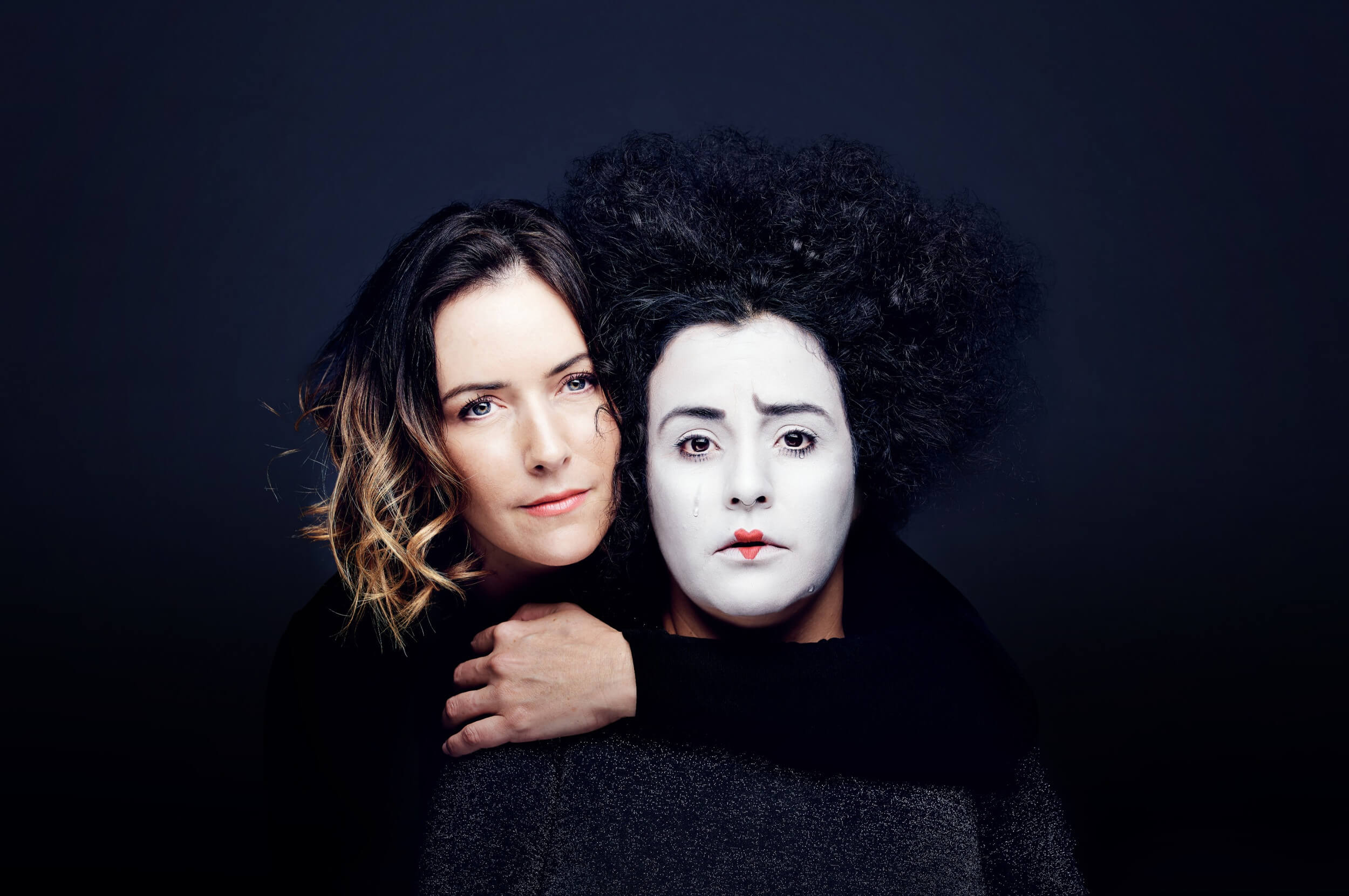
Anna Kendrick's association with Simon & Garfunkel's timeless 1965 classic "The Sound of Silence" primarily stems from her acclaimed musical performances and her role in shaping modern cinematic song interpretations. This cultural intersection highlights her distinct ability to blend vocal precision with poignant acting, creating moments that resonate deeply across contemporary media and public discourse.
The Cultural Weight of "The Sound of Silence"
Few compositions in the history of American popular music hold the cultural and sonic weight of "The Sound of Silence." Written by Paul Simon in the wake of the assassination of John F. Kennedy, the song captured a profound generational alienation and an anxiety about modern communication. Its opening lines—"Hello darkness, my old friend / I've come to talk with you again"—have served as an existential anchor for decades, adapted and reinterpreted across generations of film, television, and recording artists.
When modern actors and vocalists like Anna Kendrick engage with material of this magnitude, they are not merely performing a cover; they are stepping into a rich, complex lineage. The song requires a specific emotional register that balances melancholy with intellectual clarity. Over the years, "The Sound of Silence" has transitioned from a folk-rock standard of the 1960s counterculture into a ubiquitous meme, a cinematic shorthand for existential dread, and a benchmark for vocal vulnerability.
Understanding why audiences and creators continually return to this specific track helps contextualize how contemporary performers utilize legacy music. It is an exercise in translation—translating the existential isolation of the mid-20th century into a language that speaks to modern audiences navigating digital disconnection and media saturation.
Anna Kendrick's Musical and Cinematic Evolution
To understand how Anna Kendrick approaches musical performance, one must look at the trajectory of her career. Rising to prominence through stage work before transitioning to film, Kendrick established herself early on as a performer with an exceptional ear for rhythm, phrasing, and comedic timing. Her breakout performance in Jason Reitman’s Up in the Air (2009) earned her an Academy Award nomination and established her dramatic credentials, but it was her integration of music into film that expanded her cultural footprint.
In 2012, Kendrick starred as Beca Mitchell in Pitch Perfect, a film that revitalized the campus musical comedy genre. Her performance of "Cups" (based on the traditional folk song "When I'm Gone") became a viral phenomenon and a certified hit single. The brilliance of "Cups" lay in its deceptively simple execution: Kendrick sang a clear, sweet melody while utilizing a plastic cup as a percussion instrument. This demonstrated a rare technical proficiency—maintaining pitch and tempo while performing complex manual tasks—that set her apart from traditional pop vocalists.
| Project | Primary Musical/Performance Style | Technical Demands |
|---|---|---|
| Up in the Air (2009) | Straight dramatic acting | Emotional nuance, verbal cadence |
| Pitch Perfect (2012) | Acapella / Folk-pop fusion | Multi-part harmony, rhythmic percussion |
| The Last Five Years | Theatrical musical theatre | Rapid tempo changes, raw emotional acting |
Following Pitch Perfect, Kendrick cemented her musical versatility by starring in the film adaptation of Jason Robert Brown’s critically acclaimed off-Broadway musical The Last Five Years (2014). Playing Cathy Hiatt, Kendrick navigated complex, emotionally raw compositions that required both a soaring belt and vulnerable, intimate phrasing. This progression from light comedy to demanding theatrical performance proved that Kendrick possessed the vocal stamina and emotional depth required to handle sophisticated musical material.
Intersecting Paths: Kendrick, Cover Culture, and Media Resonance
The cultural connection between Anna Kendrick and iconic vocal standards like "The Sound of Silence" exists at the intersection of modern cover culture and cinematic needle-drops. While Kendrick has not recorded a definitive studio album of classic folk covers, her public persona, television appearances, and filmography frequently position her as a modern interpreter of classic Americana and pop standards.
In contemporary entertainment, a song like "The Sound of Silence" is frequently weaponized for comedic, ironic, or deeply dramatic effect. From its iconic usage in Mike Nichols’ The Graduate (1967) to modern needle-drops in television shows and internet memes, the track relies on an audience’s instant recognition of its mood. When performers with Kendrick's comedic and dramatic range participate in musical sketches, late-night television parodies, or interview segments involving live singing, they engage in a dialogue with these established cultural touchstones.
Furthermore, Kendrick’s ability to shift effortlessly between deadpan comedy and genuine pathos mirrors the tonal duality of Simon & Garfunkel's masterpiece. The song balances a bleak view of human communication with a hauntingly beautiful melody. Similarly, Kendrick’s career is defined by roles that juxtapose sharp, cynical wit with profound emotional vulnerability. This shared aesthetic creates a natural alignment in the minds of critics and fans who associate her screen presence with introspective musical moments.
Performance Analysis: Vocal Control Meets Acting Craft
What distinguishes an actor who can sing from a genuine musical performer is the integration of text and subtext. When Anna Kendrick performs vocally, her theatrical background dictates that every lyric functions as dialogue. This approach yields specific technical and artistic characteristics:
- Textual Clarity: Kendrick prioritizes the narrative of the lyric over vocal gymnastics, ensuring that the listener hears the story within the song.
- Dynamic Range: Trained in musical theatre, she manages breath control across wide intervals without losing the conversational intimacy of the piece.
- Rhythmic Precision: As demonstrated by her percussion work in Pitch Perfect, her internal metronome allows her to lock securely into complex arrangements.
- Emotional Transparency: She avoids excessive ornamentation, relying instead on clean phrasing to convey sadness, joy, or irony.
These attributes are precisely what a song like "The Sound of Silence" demands. Stripping away the heavy orchestration reveals a fragile melody that collapses under the weight of over-singing. Performers who succeed with such material must treat the silence between the notes with as much respect as the notes themselves—a discipline rooted deeply in dramatic acting.
Common Misconceptions and Public Perceptions
In the age of viral media, social platforms frequently blur the lines between genuine artistic collaborations, fan edits, and reality. Several common misconceptions surround Anna Kendrick's musical output and her relationship with classic anthems:
- The Rumor of Direct Collaboration: Fans occasionally mistake viral fan-made mashups—where audio tracks of classic songs are layered over clips of Kendrick's films—for official studio releases or film soundtracks.
- The Definition of Her Discography: While Kendrick has contributed extensively to movie soundtracks (Pitch Perfect series, Trolls, The Last Five Years), she has not released a traditional solo pop or folk studio album, operating primarily as a singing actor rather than a recording artist.
- Genre Limitations: Because of her mainstream success in comedy and upbeat musical franchises, casual observers sometimes underestimate her capacity for dark, dramatic musical material.
Clarifying these distinctions helps evaluate her contributions accurately. She is an actress whose vocal instrument serves her character work, rather than a pop star utilizing acting as a secondary medium.
Frequently Asked Questions
Did Anna Kendrick officially record a cover of "The Sound of Silence"?
No, Anna Kendrick has not released an official studio recording of Simon & Garfunkel's "The Sound of Silence." Public association between Kendrick and the song generally stems from her established reputation as a musical performer, her vocal work in films like Pitch Perfect and The Last Five Years, and viral internet culture that pairs her performances with classic tracks.
What are Anna Kendrick's most notable musical film roles?
Her most prominent musical performances include playing Beca Mitchell in the Pitch Perfect trilogy (notably introducing the viral cup-percussion routine for "Cups") and starring as Cathy Hiatt in the film adaptation of the musical theatre production The Last Five Years. She also lent her voice and vocal talents to the animated musical franchise Trolls.
How does Anna Kendrick balance acting and singing in her career?
Kendrick approaches singing through the lens of her acting training, treating lyrics as spoken dialogue and emotional beats. This methodology allows her to maintain character consistency whether she is delivering a comedic line or executing a complex vocal arrangement in a musical film.
Why is "The Sound of Silence" frequently referenced in modern media?
Written by Paul Simon in 1964, the song established a blueprint for modern introspective folk-rock. Its famous opening lyrics and haunting melody have made it a universal symbol for isolation, awkward realization, and existential reflection, ensuring its continuous reinterpretation across modern cinema and internet culture.
Practical Next Steps for Film and Music Enthusiasts
For those interested in exploring the intersection of modern acting and classic vocal performance, examining the primary sources offers deep artistic insight. Reviewing the original 1965 studio recording of "The Sound of Silence" by Simon & Garfunkel provides the baseline historical context. Following this with a viewing of The Last Five Years or the Pitch Perfect series illustrates how contemporary actors adapt traditional vocal phrasing for modern cinematic narratives. By studying both the foundational folk-rock era and its modern theatrical adaptations, enthusiasts gain a richer appreciation for how classic compositions endure through evolving generations of performers.