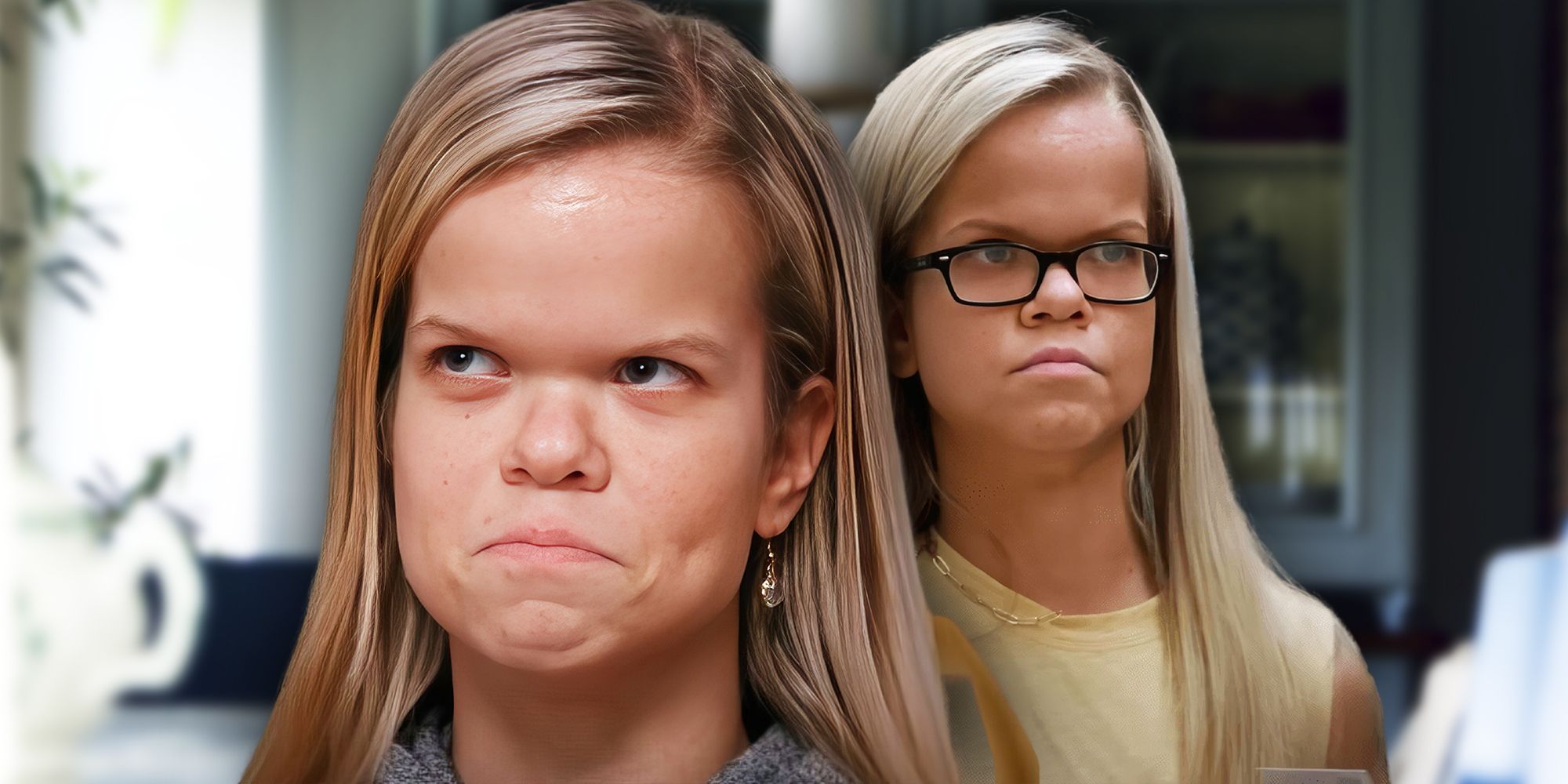
Anna Johnston works as a writer and former caregiver, bringing a unique dual perspective to her literary and creative projects that bridges personal caregiving experiences with public-facing prose. This intersection of hands-on care work and professional writing allows her to produce insightful, empathetic content that resonates with audiences navigating similar personal and professional landscapes.
The Intersection of Caregiving and Creative Writing
The transition from a caregiving role into professional writing is often rooted in a deep need to process personal experiences, advocate for vulnerable populations, and share practical knowledge with a broader audience. Caregiving is an intense, demanding vocation that requires emotional resilience, acute observation, and meticulous attention to detail. These very same qualities form the bedrock of compelling non-fiction essays, memoir writing, and advocacy journalism.
Writers who have spent years managing health schedules, communicating with medical professionals, and providing daily physical and emotional support develop a distinct voice. This background provides them with authentic authority when addressing topics related to healthcare systems, family dynamics, aging, and emotional burnout. Rather than viewing caregiving and writing as two entirely separate careers, many professionals find that their time providing care serves as an invaluable reservoir of empathy and raw material for their creative output.
How Caregiving Shapes Literary Voice and Perspective
When a writer has stood in the shoes of a caregiver, their approach to storytelling shifts fundamentally. They tend to avoid clinical detachment, choosing instead to anchor abstract policy debates or medical discussions in human reality. This perspective influences several key areas of creative work:
- Authenticity in Advocacy: Firsthand exposure to the systemic gaps in eldercare and disability support grants writers the credibility needed to write impactful op-eds, policy critiques, and awareness campaigns.
- Empathy-Driven Narratives: Caregivers routinely practice active listening and patience. These traits translate directly into how a writer develops character profiles, interviews subjects, or constructs narrative non-fiction.
- Resilience and Focus: The discipline required to balance caregiving duties—often around the clock—instills a strong work ethic and time-management skills that benefit freelance writers managing multiple deadlines.
Professional Writing Career and Themes
As a writer, Anna Johnston engages with themes that frequently reflect her background, though writers with caregiving backgrounds often expand into diverse literary and journalistic domains. Professional writers typically build their portfolios across several formats, including essays, journalism, blogging, and creative non-fiction.
Understanding the mechanics of a professional writing career requires looking at how writers establish their niches, pitch editors, and maintain engagement with their readers. For individuals transitioning from care-intensive fields, establishing a writing career involves translating emotional experiences into universally engaging prose without compromising personal boundaries or privacy.
Common Content Domains for Caregiver-Writers
Writers who draw on caregiving backgrounds often contribute to specific literary and journalistic niches. The table below outlines these common domains, the primary focus of each, and how a caregiving background enhances the work.
| Writing Domain | Primary Focus | Value of Caregiving Background |
|---|---|---|
| Personal Essays & Memoir | Exploring internal emotional landscapes, family dynamics, and personal growth. | Provides raw, relatable emotional stakes that deeply engage readers. |
| Healthcare Journalism | Reporting on medical advancements, policy changes, and patient advocacy. | Offers grounded insight into the practical realities faced by patients and families. |
| Supportive Resources & Guides | Creating actionable advice, checklists, and navigational tools for new caregivers. | Ensures the information is realistic, empathetic, and practically applicable. |
| Creative Non-Fiction | Blending factual reporting with narrative storytelling techniques. | Enhances descriptive depth and psychological accuracy in human-interest stories. |
The Realities of Transitioning from Care to Content Creation
Stepping away from direct caregiving to pursue writing is rarely a simple pivot; it is a profound career evolution. Caregiving is characterized by physical proximity, emotional labor, and immediate, high-stakes responsibilities. Writing, conversely, is often solitary, asynchronous, and focused on long-term intellectual or creative outcomes.
Challenges in the Transition
- Managing Emotional Burnout: Caregiver burnout is a well-documented phenomenon. Writers transitioning from this field must often take time to heal before they can write objectively or creatively about their experiences.
- Developing Technical Writing Skills: While emotional intelligence is abundant in caregivers, mastering the technical aspects of SEO, AP style, pitching editors, and editorial guidelines requires intentional study and practice.
- Financial Restructuring: Moving from caregiving—whether formal or informal—to freelance or staff writing introduces new financial realities, including fluctuating income streams and the need to build a client base or publication record.
Strategies for a Successful Professional Pivot
For those looking to follow a similar path, combining a background in care with a career in writing requires deliberate steps:
- Audit Your Experience: Identify the specific sectors of caregiving you understand best, whether it is dementia care, pediatric nursing support, end-of-life care, or navigating insurance systems.
- Build a Portfolio: Start by writing short essays or blog posts on personal platforms or pitch smaller niche publications to establish a verifiable track record.
- Network with Industry Peers: Connect with other writers, healthcare advocates, and editors who specialize in health and human interest stories.
Frequently Asked Questions
What does it mean when someone is described as a writer and former caregiver?
This dual description indicates that the individual has professional experience providing hands-on care for others—such as elderly family members, patients, or individuals with disabilities—and now applies their observational skills, insights, and communication abilities to professional writing.
How does a caregiving background influence non-fiction writing?
A caregiving background brings authenticity, emotional depth, and practical realism to non-fiction writing. It allows the writer to address complex medical, ethical, and emotional topics from a grounded, human-centric perspective rather than a purely academic one.
What are the main challenges when transitioning from caregiving to writing?
Key challenges include overcoming emotional fatigue or burnout from past care duties, learning the technical craft of professional writing and digital publishing, and adapting to the solitary nature of creative work after years of hyper-social, high-intensity care environments.
Can former caregivers write about topics outside of healthcare?
Yes. While caregiving provides a strong foundation for health and human-interest writing, former caregivers often write across a broad spectrum of genres, including fiction, poetry, lifestyle journalism, general commentary, and business content.
Where can readers find work by writers with caregiving backgrounds?
Readers can typically find their work in literary magazines, health and wellness publications, personal essay anthologies, independent blogs, and major digital media outlets that focus on family, society, and healthcare.
Conclusion and Next Actions
The trajectory of individuals like Anna Johnston—who bridges the demanding world of caregiving with the expressive medium of writing—highlights the value of lived experience in professional communication. Whether you are a reader seeking empathetic perspectives on care and resilience, or an aspiring writer looking to leverage your own unique background, recognizing the power of authentic storytelling is the first step. To explore this topic further, seek out personal essays and advocacy pieces written by former caregivers to gain a deeper appreciation of how personal adversity translates into meaningful public literature.