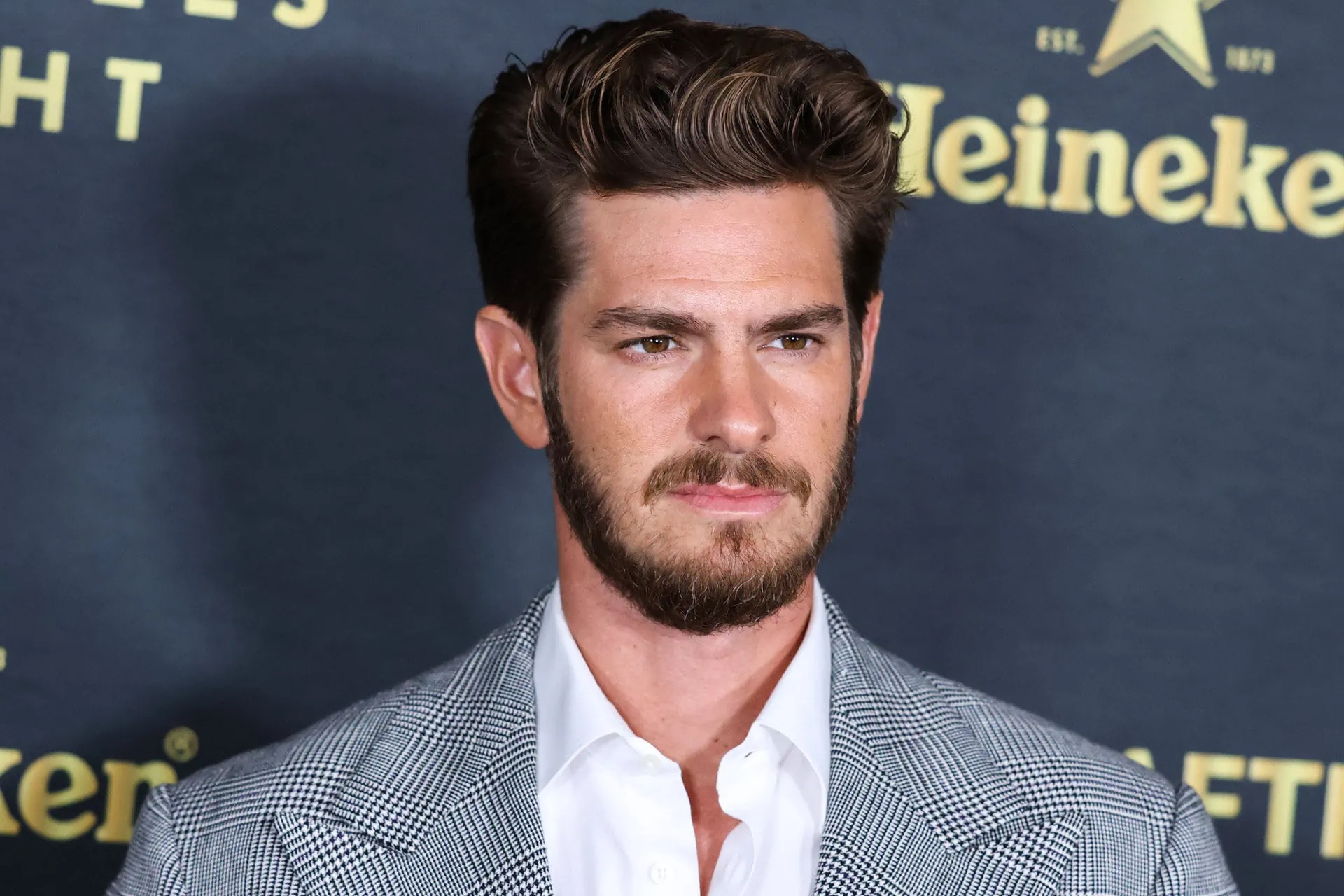
As of 2026, Andrew Rosen’s estimated net worth is between $300 million and $500 million. This wealth stems from his co-founding of the fashion powerhouse Theory, the multi-million dollar sale of that brand to Fast Retailing, and his prolific career as a strategic investor and mentor to contemporary labels like Alice + Olivia and Rag & Bone.
Andrew Rosen is widely considered the architect of the modern "contemporary" fashion segment. While his financial standing is rooted in a family legacy of garment manufacturing, his primary wealth was built through operational excellence and a keen eye for brands that bridge the gap between luxury and mass-market retail. Unlike many investors who focus purely on balance sheets, Rosen’s net worth is a byproduct of his ability to scale creative visions into sustainable, global businesses.
The Foundation of Wealth: The Puritan Fashions Legacy
To understand Andrew Rosen’s financial position in 2026, one must look back at the origins of his career. He is the son of Carl Rosen, who transformed Puritan Fashions into a massive apparel conglomerate. In the 1970s, Puritan was famous for its licensing deal with designer Halston, bringing high fashion to the American middle class.
Andrew Rosen’s early exposure to the industrial side of fashion provided him with a fundamental understanding of supply chains, fabric sourcing, and manufacturing efficiency—skills that are often undervalued in the "glamour" side of the industry but are essential for generating significant capital. When Puritan Fashions was sold to Calvin Klein and its partners in the early 1980s, it marked the first major liquidity event in Rosen’s career.
While Rosen could have remained a wealthy heir, he chose to leverage his experience to build something of his own. His time as an executive at Calvin Klein and Anne Klein further refined his ability to manage high-growth brands, setting the stage for the creation of Theory in 1997.
The Theory Revolution: A Masterclass in Brand Building
The most significant contributor to Andrew Rosen’s net worth was the founding and subsequent sale of Theory. Launched alongside Elie Tahari, Theory revolutionized the way professional women dressed. By focusing on fit, comfort, and the innovative use of stretch fabrics, the brand captured a massive market share that didn't exist previously.
The Acquisition by Fast Retailing
The financial trajectory of Theory changed forever in 2003 when Fast Retailing, the Japanese giant behind Uniqlo, acquired a controlling interest in the brand. At the time, the deal valued the company at nearly $250 million. Rosen remained as CEO, a move that allowed him to maintain an equity stake while benefiting from the resources of a global conglomerate.
By 2009, Fast Retailing acquired the remaining stakes in Theory. Rosen’s role during this period was pivotal; he didn't just take a payout and retire. Instead, he became a key advisor to Fast Retailing’s CEO, Tadashi Yanai. This relationship allowed Rosen to exert influence over other brands in the portfolio, including Helmut Lang, further cementing his status as a kingmaker in the industry.
Operational Longevity and Salary
Throughout the 2010s and into the early 2020s, Rosen’s continued leadership at Theory provided a steady stream of income through executive compensation and performance bonuses. Even after stepping down as CEO in 2019 to become an advisor, his financial interest in the success of the Fast Retailing portfolio remained a cornerstone of his wealth.
Strategic Investment Portfolio: The "Rosen Touch"
Beyond Theory, Rosen has built a formidable personal investment portfolio. He is known for identifying young brands with high growth potential and providing them with both the capital and the operational roadmap needed to scale. This "Rosen Touch" has turned several small labels into household names.
Alice + Olivia
Rosen was an early backer of Stacey Bendet’s Alice + Olivia. By providing the infrastructure and business acumen that the creative founder lacked, Rosen helped grow the brand into a global contemporary powerhouse. His equity in Alice + Olivia represents a significant portion of his non-Theory assets.
Rag & Bone
In 2006, Rosen invested in Rag & Bone, a brand that combined British heritage with New York edge. His involvement was instrumental in transforming the brand from a niche denim label into a full-scale lifestyle brand with boutiques worldwide. His ability to guide founders Marcus Wainwright and David Neville through the complexities of retail expansion added millions to the brand's valuation—and his own net worth.
Proenza Schouler and Beyond
Rosen’s investment strategy often involves stepping in during a brand's "awkward teenage years"—the period where they have outgrown their initial buzz but lack the systems to become a legacy brand. His involvement with Proenza Schouler and his investments in smaller, emerging designers like Veronica Beard have further diversified his wealth.
Andrew Rosen’s Investment Portfolio and Brand Influence
The following table outlines the key brands where Andrew Rosen has held significant equity or played a primary advisory role, illustrating the breadth of his financial influence.
| Brand | Role / Relationship | Key Contribution | Market Position |
|---|---|---|---|
| Theory | Co-Founder / Former CEO | Pioneered stretch-fabrics in professional wear | Contemporary Luxury |
| Alice + Olivia | Major Investor | Scaled operations and global retail footprint | Contemporary / Feminine |
| Rag & Bone | Early Investor / Advisor | Guided transition to lifestyle brand | Premium Denim / RTW |
| Helmut Lang | Advisor (via Fast Retailing) | Oversaw brand relaunch and modernization | Avant-Garde Luxury |
| Veronica Beard | Investor | Provided infrastructure for rapid US expansion | Contemporary |
| Proenza Schouler | Strategic Investor | Stabilized finances during ownership shifts | High-End Luxury |
Financial Impact and the "Contemporary" Segment
It is impossible to discuss Andrew Rosen’s net worth without discussing the segment he helped create. Before Theory, the fashion market was bifurcated: you had expensive European luxury and inexpensive mass-market apparel. Rosen identified the "Contemporary" white space—high-quality clothing at a more accessible price point than traditional designer labels.
This segment became the fastest-growing part of the retail industry for two decades. Because Rosen was the primary architect and lead investor in many of the segment's dominant players, he captured a disproportionate amount of the wealth generated by this market shift. His net worth is not just a collection of cash; it is the result of owning the infrastructure of an entire tier of the fashion industry.
Real Estate and Private Assets
Like many high-net-worth individuals in the fashion world, Rosen has significant assets tied up in premium real estate. He has long been associated with high-value properties in Manhattan and the Hamptons. These holdings serve as a hedge against the volatility of the retail market.
In the mid-2010s, Rosen was known for his involvement in high-profile real estate transactions in New York City, including a notable penthouse at 15 Central Park West. While he eventually sold that property for a reported $45 million, his real estate portfolio remains a substantial component of his overall wealth in 2026. These assets, combined with his private equity interests, ensure a level of financial stability that transcends the seasonal fluctuations of the fashion cycle.
Business Philosophy: Why Rosen Continues to Grow
While many of his peers have retired, Rosen remains active in 2026. His continued wealth accumulation is driven by a specific philosophy: he does not invest in "trends"; he invests in "teams" and "tenacity."
He is frequently quoted as saying that he looks for designers who understand the business of fashion. This pragmatic approach minimizes investment risk. By avoiding overly artistic but commercially non-viable projects, Rosen has maintained a high "batting average" for his investments. This consistency is why his net worth has seen steady growth rather than the sharp peaks and valleys common in the apparel sector.
Furthermore, his role as a mentor has created a "virtuous cycle." Young designers seek his investment not just for the money, but for the credibility his name brings. This gives him "first look" access to the most promising startups in the industry, allowing him to enter at favorable valuations before a brand hits the mainstream.
Looking Ahead: Rosen’s Role in 2026
In 2026, Andrew Rosen’s focus has shifted slightly more toward the broader health of the American fashion industry. While his personal wealth is secure, his "net worth" in terms of social and industry capital is at an all-time high. He continues to advise the Council of Fashion Designers of America (CFDA) and remains a go-to consultant for private equity firms looking to enter the apparel space.
His financial legacy is defined by his ability to bridge the gap between the old-school manufacturing world of his father and the modern, digital-first retail environment. By mastering both, he secured a fortune that makes him one of the most successful non-designer figures in the history of American fashion.
Frequently Asked Questions
How did Andrew Rosen start his career in fashion?
Andrew Rosen started in the family business, Puritan Fashions, which was owned by his father, Carl Rosen. He gained foundational knowledge in manufacturing and supply chain management before moving into executive roles at Calvin Klein and Anne Klein. This mixture of corporate experience and manufacturing insight was critical to his later success with Theory.
Is Andrew Rosen still involved with Theory in 2026?
As of 2026, Andrew Rosen serves primarily in an advisory capacity. While he stepped down from the CEO role in 2019, his long-standing relationship with Fast Retailing means he remains a consultant on brand strategy and a significant figurehead for the label he co-founded.
What brands has Andrew Rosen invested in?
Andrew Rosen’s investment portfolio includes Alice + Olivia, Rag & Bone, Proenza Schouler, Veronica Beard, and Kith. He is known for choosing brands that have a clear aesthetic identity but need operational scaling. His investments are typically strategic, providing both capital and executive guidance.
Why is Andrew Rosen considered the founder of the "Contemporary" market?
Before the launch of Theory in 1997, there was a significant gap between luxury designer clothes and budget apparel. Rosen pioneered the "Contemporary" category by offering high-quality, designer-style clothing (often using advanced fabrics like Lycra) at a price point that was accessible to working professionals. This segment now dominates modern department stores.
What is the source of Andrew Rosen's wealth?
His wealth comes from three primary sources: the multi-phase sale of Theory to Fast Retailing, his executive salaries and bonuses over three decades, and his private equity investments in various high-growth fashion labels. Additionally, his real estate holdings in New York have contributed significantly to his net worth.
Practical Recommendation
For those looking to understand the business side of fashion, studying Andrew Rosen's career offers a blueprint for success. His wealth was not built on a single "viral" moment but on operational excellence, fabric innovation, and strategic partnerships. If you are an investor or entrepreneur in this space, focus on the "Contemporary" segment's fundamentals: fit, fabric, and a scalable supply chain.