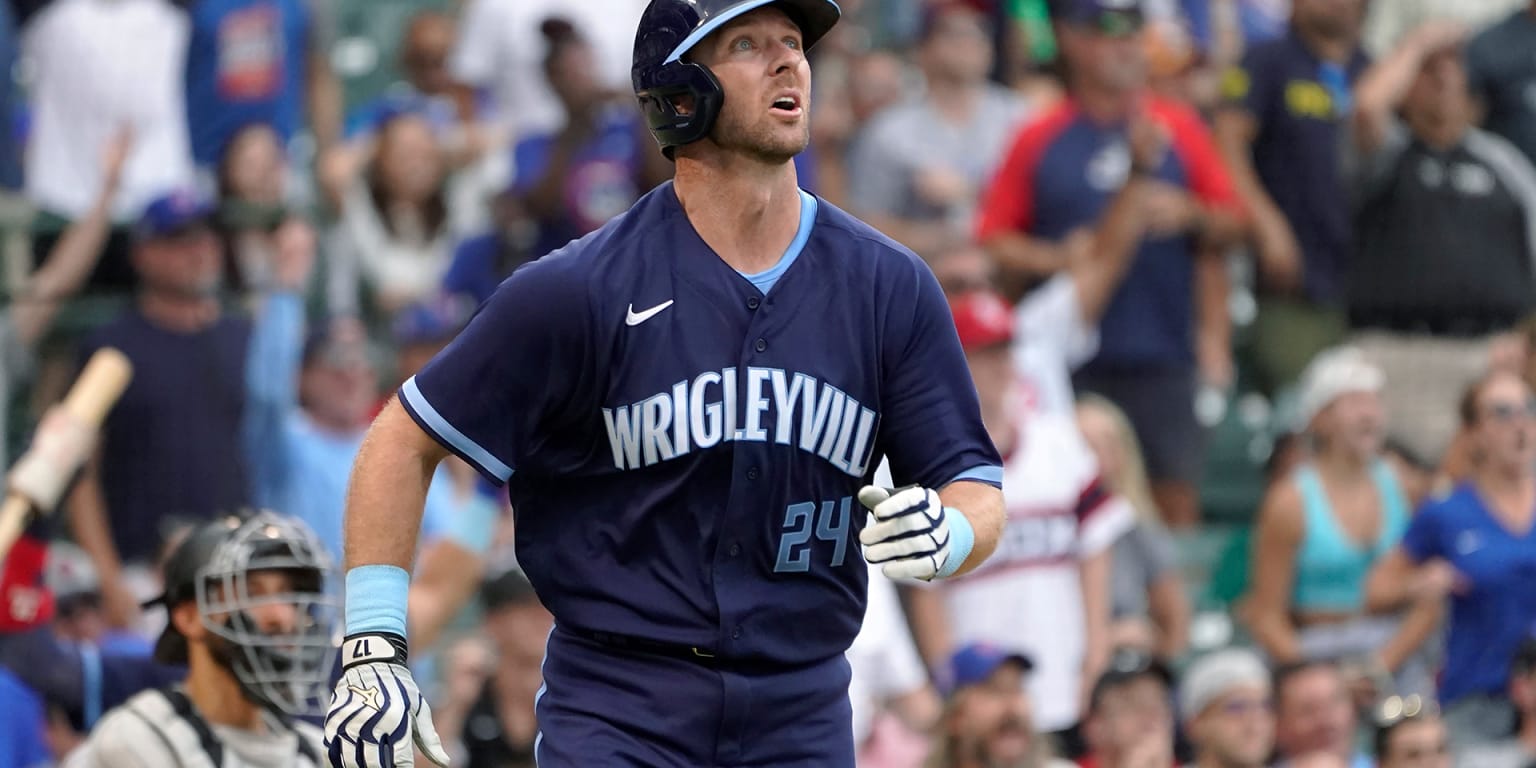
As of 2026, Andrew Romine’s estimated net worth stands between $2 million and $4 million. This valuation is primarily derived from his eleven-season career in Major League Baseball (MLB), where he earned approximately $5.8 million in gross salary. His financial profile reflects the disciplined wealth management typical of a veteran "super-utility" player who maximized longevity and service time over high-peak annual contracts.
The financial trajectory of a professional athlete like Andrew Romine offers a unique case study in the economics of Major League Baseball. Unlike the "superstars" who sign hundred-million-dollar deals, the "utility" player represents the middle class of professional sports. To understand Romine’s net worth in 2026, one must analyze the mechanics of MLB service time, the transition from league-minimum salaries to arbitration-based raises, and the long-term benefits of the MLB pension system.
The Foundation of Wealth: A Decade in the Major Leagues
Andrew Romine’s net worth is not the result of a single massive windfall but rather the cumulative result of staying "on the roster" for over a decade. In the world of professional baseball, "service time" is the ultimate currency. Romine’s ability to play nearly every position on the field—a feat he famously showcased in 2017—made him an invaluable asset for managers and a consistent earner in the league.
The Entry-Level Years (2010–2013)
During his early years with the Los Angeles Angels, Romine operated under the standard pre-arbitration structure. In this phase, teams have near-total control over player salaries, which usually hover near the league minimum. During this era, the MLB minimum salary rose from approximately $400,000 to $490,000. While these figures are high compared to the average American income, the "take-home" pay for a young player is significantly less after accounting for taxes, agent fees (typically 3-5%), and the high cost of living required for professional athletes who must maintain residences in multiple cities.
The Arbitration and Peak Earning Phase (2014–2018)
The most significant growth in Romine’s net worth occurred during his tenure with the Detroit Tigers and his subsequent year with the Seattle Mariners. Once a player reaches three years of service time (or becomes a "Super Two" player), they become eligible for salary arbitration. This process allows players to negotiate salaries based on their performance and the market value of comparable peers.
In 2016, Romine’s salary saw a significant jump to $900,000, followed by a career-high of $1.3 million in 2017. These years provided the "principal capital" that forms the bulk of his current net worth. By 2018, with the Seattle Mariners, he secured another $1.05 million contract. It is during this five-year window that Romine earned roughly 70% of his total career cash.
Career Earnings Breakdown
To explain the total wealth accumulation, it is necessary to look at the documented salary figures across his active years. The following table illustrates the estimated gross earnings that contributed to his net worth.
| Year | Team | Estimated Salary | Contract Type |
|---|---|---|---|
| 2010-2013 | L.A. Angels | $1,200,000 (Total) | Pre-Arbitration / Min |
| 2014 | Detroit Tigers | $510,000 | 1-Year / Pre-Arb |
| 2015 | Detroit Tigers | $531,500 | 1-Year / Pre-Arb |
| 2016 | Detroit Tigers | $900,000 | Arbitration |
| 2017 | Detroit Tigers | $1,300,000 | Arbitration |
| 2018 | Seattle Mariners | $1,050,000 | Free Agent / 1-Year |
| 2019 | Philadelphia Phillies | $150,000* | Minor League / Call-up |
| 2020 | Texas Rangers | $100,000* | Minor League / COVID-19 |
| 2021 | Chicago Cubs | $700,000 (Pro-rated) | 1-Year / Min |
| Total | Career Gross | ~$5,800,000 | Estimated Total |
*Note: Minor league contracts and pro-rated seasons during the pandemic influenced actual take-home pay for those specific years.
Understanding the "Net" in Net Worth
When explaining the net worth of an athlete like Andrew Romine, the public often confuses "career earnings" with "net worth." As of 2026, several factors have reduced that $5.8 million gross figure to a net worth in the $2M to $4M range.
Taxation and Jock Taxes
Professional athletes are subject to the "Jock Tax," which means they pay income tax in almost every state (and sometimes city) where they play. For a utility player who traveled extensively with the Tigers, Mariners, and Cubs, this results in a high effective tax rate. Between federal income tax (often 37% for this bracket), state taxes, and FICA, a player generally sees only 50-55% of their gross salary.
Professional Fees
A player’s support system is not free. Andrew Romine, represented by agencies throughout his career, would have paid 3% to 5% of his gross earnings to sports agents. Additionally, professional athletes require specialized CPAs and financial advisors to navigate the complex tax filings mentioned above.
Clubhouse Dues and Expenses
An often-overlooked expense in MLB is "clubbie" dues. Players pay a daily fee to the clubhouse staff for food, laundry, and amenities. Over an 11-year career, these costs, combined with the necessity of maintaining high-end fitness and nutritional standards, represent a significant overhead.
The 2026 Financial Outlook: Post-Career Income
Since his retirement from active play following the 2021 season, Romine’s financial stability has been bolstered by the structural benefits of being an MLB veteran.
The MLB Pension Plan
One of the most valuable assets in Andrew Romine’s net worth is his eligibility for the MLB pension. The MLB has what is widely considered the best pension plan in professional sports. Because Romine has over 10 years of service time, he is entitled to the maximum pension benefit.
As of 2026, if he chooses to wait until age 62 to collect, he could receive over $200,000 annually for life. Even if he chooses to take an early partial pension (available as early as age 45), it provides a "guaranteed" floor to his net worth that traditional net worth calculators often fail to capture as a present-value asset.
Real Estate and Investments
Typical of players with his career length, Romine likely diversified his earnings into real estate. While specific addresses are private, players often invest in their home states (California or Arizona in Romine's case) to hedge against market volatility. If these properties were purchased during his peak earning years (2016-2018), the appreciation by 2026 would contribute significantly to his total net worth.
The Romine Family: A "Baseball Business"
Andrew’s net worth should also be viewed through the lens of a "baseball family." His father, Kevin Romine, played for the Boston Red Sox, and his brother, Austin Romine, also had a lengthy career as a catcher in the MLB. This family background suggests a high level of "financial literacy" regarding the sports world. Professional athletes from "baseball families" are statistically less likely to face the financial pitfalls that plague many young players, as they have a blueprint for managing seasonal income and post-retirement transitions.
Comparative Net Worth: The Utility Player Market
In 2026, when looking at Romine’s wealth, it is helpful to compare him to other utility players of his era, such as Brock Holt or Don Kelly. These players usually exit the game with net worths in the low-to-mid millions. Unlike stars who rely on massive endorsement deals from Nike or Gatorade, Romine’s wealth is "pure baseball money." His endorsements were limited to equipment providers (like glove or bat manufacturers), which usually provide gear and small stipends rather than multi-million dollar checks.
Key Factors Influencing Romine’s Current Valuation
Several variables dictate where Romine falls in the $2M to $4M range in 2026:
- Market Performance: How his 401(k) and brokerage accounts performed between 2021 and 2026.
- Career Transition: Whether he moved into coaching, scouting, or private business following his retirement. Many veterans transition into MLB coaching roles, which command salaries starting around $100,000 to $200,000, ensuring they don't have to "dip into" their savings.
- Lifestyle Choices: The "burn rate" of an athlete’s capital is the biggest factor in net worth depletion. Romine has maintained a reputation for being a professional, disciplined athlete, which typically correlates with conservative financial management.
FAQs About Andrew Romine's Net Worth
How much did Andrew Romine make in his most successful season?
His most successful financial year was 2017 with the Detroit Tigers, where he earned a base salary of $1.3 million. This was the same year he became only the fifth player in MLB history to play all nine positions in a single game, a feat that cemented his legacy and likely increased his marketability for his subsequent contract with the Mariners.
Is Andrew Romine still earning money from baseball in 2026?
He is no longer earning a salary as an active player. However, he is likely a beneficiary of the MLB’s licensing and royalty distributions for former players. Additionally, if he has taken a role within an MLB organization (coaching or front office), he would be earning a professional salary independent of his career savings.
How does his net worth compare to his brother Austin Romine?
Austin Romine, a catcher who played for teams like the Yankees and Cubs, had a slightly higher career earning total, estimated near $10 million to $12 million. Catchers often command higher premiums and longer contracts due to the scarcity of the position. Therefore, Austin’s net worth is likely higher than Andrew’s, though both fall into the category of successful, long-term MLB professionals.
Did the 9-position game increase his net worth?
While it didn't lead to a massive "bonus" check at the time, it significantly increased his "brand" within the baseball world. This notoriety often leads to higher-paying appearances, memorabilia signings, and coaching opportunities after retirement. The "prestige" of that accomplishment ensures he remains a relevant figure in Tigers and MLB history, which has long-term financial value.
What is the biggest threat to a net worth like Andrew Romine's?
For players in the $2M-$5M range, the biggest threats are "lifestyle creep" and poor private equity investments. Many athletes lose wealth by investing in restaurants or startups they do not understand. However, there is no public indication that Romine has engaged in these risky financial behaviors; he appears to have followed a traditional wealth preservation path.
Expert Perspective: The Value of a Utility Man
From a financial planning perspective, Andrew Romine represents the "ideal" middle-class athlete. By playing 11 seasons, he cleared the crucial 10-year service mark, which is the "golden ticket" for healthcare and pension benefits. Even if his liquid net worth is lower than a superstar's, his guaranteed future income through the MLB’s retirement systems makes him more financially secure than many individuals with much higher "paper" net worths.
For those tracking the financial health of former athletes, Romine stands as a testament to the fact that you don't need a $100 million contract to build lasting wealth in the Major Leagues. Longevity, versatility, and service time are just as effective at securing a comfortable financial future.
Practical Recommendation: When evaluating athlete net worth, always look for "Service Time" rather than "Home Runs." A player with 10 years of service, like Andrew Romine, is often in a better long-term financial position than a high-peak star who only lasted four or five years in the league.