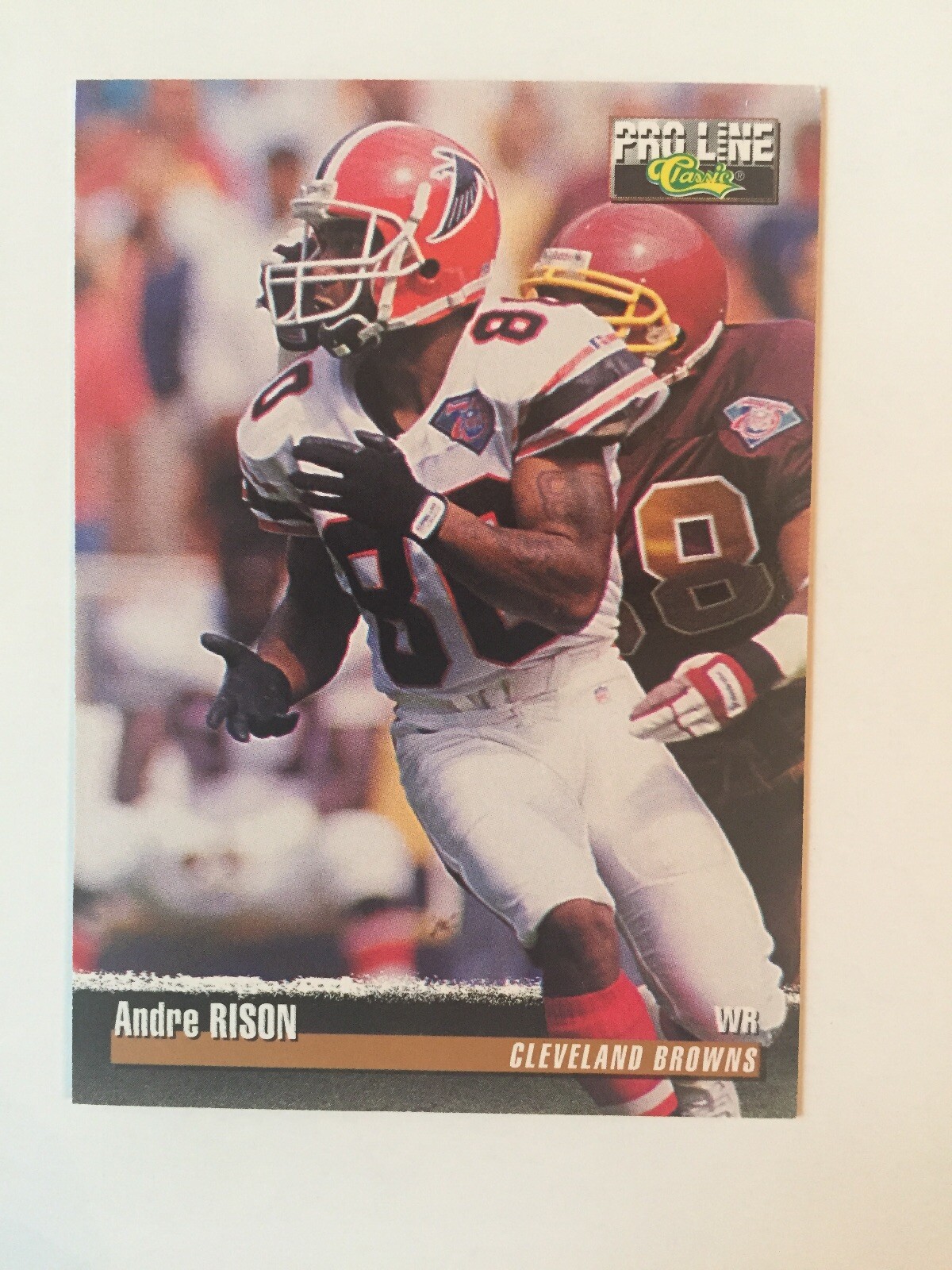
Andre Rison’s net worth is historically estimated to range between $500,000 and $1.5 million, reflecting a dramatic decline from the multi-million dollar fortune he amassed during his standout career in the National Football League. Known by his flashy nickname "Bad Moon," Rison was one of the most dynamic wide receivers of the 1990s, securing lucrative contracts and high-profile endorsement deals. However, a combination of extravagant spending, off-field legal issues, child support obligations, and post-football financial missteps significantly eroded his wealth over the decades.
Evaluating the financial trajectory of a retired professional athlete requires examining the intersection of peak earning potential, long-term asset management, and the systemic financial pitfalls that often affect high-income earners. This analysis explores Rison's NFL contracts, career earnings, financial struggles, and the realistic factors that shape his contemporary financial standing as of 2026.
Career Earnings and NFL Contracts in the 1990s
To understand Andre Rison's net worth estimate, one must first look at the substantial capital he generated during his 12-season NFL career. Selected 22nd overall in the 1989 NFL Draft by the Indianapolis Colts out of Michigan State University, Rison quickly established himself as a premier deep threat and possession receiver.
His most financially significant era began when he joined the Atlanta Falcons in 1990 as part of a blockbuster trade. With the Falcons, Rison earned Pro Bowl honors four consecutive times (1990–1993) and signed a landmark contract that made him one of the highest-paid wide receivers in the league at the time. In 1995, he signed a multi-year deal with the Cleveland Browns worth approximately $17 million, a massive sum in the mid-1990s salary cap environment.
Throughout his career, Rison played for the Indianapolis Colts, Atlanta Falcons, Cleveland Browns, Jacksonville Jaguars, Green Bay Packers, and Kansas City Chiefs. Estimates place his total NFL career earnings between $15 million and $20 million before agent fees, taxes, and union dues. In addition to his base salaries and signing bonuses, Rison benefited from commercial endorsements with major brands like Nike, capitalizing on his flamboyant persona and widespread popularity.
| Team | Years Active | Estimated Contract Value / Significance |
|---|---|---|
| Indianapolis Colts | 1989 | Rookie contract, foundational first-round pick deal |
| Atlanta Falcons | 1990–1994 | Peak earning years, multi-million dollar extension, 4x Pro Bowl |
| Cleveland Browns | 1995 | High-profile free agent signing, approx. $17 million total value |
| Jacksonville Jaguars | 1996 | Starter during the franchise's inaugural playoff run |
| Green Bay Packers | 1996 | Mid-season acquisition, won Super Bowl XXXI |
| Kansas City Chiefs | 1997–1999 | Final multi-year stable stint as a primary target |
| Oakland Raiders | 2000 | Final NFL season, veteran depth contribution |
Factors Contributing to Wealth Depletion
Despite earning tens of millions of dollars during his playing days, Rison faced severe financial headwinds that reduced his net worth to its current modest estimate. Professional athletes from his era frequently encountered financial distress due to limited financial literacy resources, aggressive lifestyle inflation, and poor investment advice.
Extravagant Lifestyle and Asset Depreciation
During his playing career, Rison maintained an opulent lifestyle characterized by luxury real estate, high-end automobile collections, and expensive jewelry. While these purchases reflected the cultural status symbols of elite athletes in the 1990s, they represented depreciating assets that drained cash flow rather than generating long-term passive income. Maintaining multiple properties and custom vehicles incurred heavy ongoing maintenance, insurance, and tax liabilities long after his playing days ended.
Legal Troubles and Child Support Obligations
Rison’s financial challenges were compounded by substantial legal and domestic obligations. Over the years, reports surfaced detailing significant child support judgments across multiple relationships. In professional sports, failure to meet these recurring court-ordered obligations can lead to asset freezes, wage garnishments, and costly legal fees. Furthermore, high-profile legal incidents and off-field controversies periodically required expensive legal representation, further depleting his liquid assets.
Lack of Post-Career Income Diversification
Unlike modern athletes who often leverage their brand equity into venture capital, tech startups, or long-term media contracts, Rison's immediate post-playing career did not yield comparable corporate revenue streams. Although he briefly worked in football coaching—including stints at the high school level and brief assistant roles—these positions did not generate the income required to sustain his former cost of living without tapping into principal savings.
The NFL Player Retirement System and Pensions
A critical safety net for former NFL players experiencing financial restructuring is the league's pension and benefit structure. Rison qualified for the NFL Player Retirement Plan due to his years of service (accruing well beyond the threshold required for maximum pension vesting).
The modern NFL pension, managed jointly by the NFL and the NFL Players Association (NFLPA), provides monthly stipends to retired players based on the number of credited seasons they played. While these pensions do not automatically restore the extravagant wealth of a top-tier wide receiver, they provide a reliable, guaranteed income floor that prevents total destitution. Coupled with the Bert Bell/Pete Rozelle NFL Player Retirement Plan disability benefits (if applicable) and the league's tuition-reimbursement and annuity programs, these structured payouts form the backbone of Rison's sustainable financial baseline in retirement.
Public Perceptions vs. Verified Financial Realities
Internet wealth-tracking websites frequently publish speculative net worth figures for retired athletes, often inflating estimates by failing to account for taxation, agent commissions, lifestyle maintenance, and legal liabilities. For Andre Rison, sensationalized estimates ranging between $5 million and $10 million frequently ignore the public court filings and financial disclosures associated with his post-retirement asset adjustments.
Financial analysts specializing in sports wealth management emphasize that a realistic net worth estimate for Rison sits comfortably in the low-to-mid six figures ($500,000 to $1.5 million). This valuation accounts for:
- Real estate equity remaining after downsizing primary residences.
- The present value of his vested NFL pension and annuity funds.
- Remaining liquid savings and sporadic income generated from public appearances, memorabilia signings, and coaching endeavors.
Frequently Asked Questions
What was Andre Rison's peak net worth during his NFL career?
During the mid-1990s, when Rison was signing multi-million dollar contracts with the Atlanta Falcons and Cleveland Browns, his net worth was conservatively estimated between $8 million and $12 million in liquid and fixed assets, not accounting for future liabilities.
How much does Andre Rison receive from his NFL pension?
Exact individual pension payouts are confidential under NFLPA guidelines, but players with 10 or more credited seasons—such as Rison, who played 12 years—typically qualify for maximum tier payouts that can yield six figures annually, depending on the age at which they begin drawing benefits.
Did Andre Rison win a Super Bowl ring?
Yes. Although he bounced across multiple teams late in his career, Rison signed with the Green Bay Packers during the 1996 NFL season and started in Super Bowl XXXI, catching a crucial 54-touchdown pass from Brett Favre in the first quarter of their victory over the New England Patriots.
Why do so many NFL players face financial difficulties after retirement?
Financial distress among retired athletes is typically driven by a combination of short career spans (an average of 3.3 years, though stars like Rison played longer), high upfront lifestyle expenses, lack of diversified investments, poor advisory guidance, and family law obligations such as divorce settlements and child support.
Is Andre Rison involved in football coaching today?
Rison has periodically dedicated his time to coaching youth and high school football, aiming to mentor young athletes and share the lessons learned from his triumphs and financial mistakes in the professional ranks.
Practical Financial Lessons from Andre Rison's Career
The financial arc of Andre Rison serves as a prominent case study in sports economics, illustrating why modern sports leagues and the NFLPA place heavy emphasis on mandatory financial literacy education for rookies. For everyday earners and aspiring athletes alike, Rison's trajectory highlights the vital importance of separating identity from consumption, diversifying investments beyond primary earned income, and establishing secure, inflation-protected pension or retirement streams early in life. While Rison remains a celebrated figure in football history for his electrifying play on the field, his financial journey underscores that long-term wealth preservation requires rigorous discipline long after the final whistle blows.