American National life insurance for senior care provides financial security through policies designed to cover long-term care costs, final expenses, and legacy planning. By utilizing "living benefits" or accelerated death benefit riders, policyholders can access a portion of their death benefit while alive to pay for nursing homes, assisted living, or home health care.
As we navigate 2026, the landscape of senior care has become increasingly complex, with costs for professional assistance reaching historic highs. For many families, traditional long-term care insurance (LTCI) has become prohibitively expensive or difficult to qualify for due to stringent medical underwriting. American National Insurance Company (ANICO) offers a robust alternative by integrating senior care solutions directly into life insurance products. This approach allows seniors to leverage their life insurance as a dual-purpose tool: a death benefit for heirs and a living fund for care.
Understanding American National’s Role in Senior Care
American National, headquartered in Galveston, Texas, has maintained a significant presence in the insurance industry since 1905. In the context of senior care, the company is recognized for its flexible permanent life insurance products that include "Living Benefits." Unlike traditional term insurance, which only pays out upon death, American National’s permanent policies—such as Whole Life and Indexed Universal Life (IUL)—are frequently used to address the financial burdens of aging.
The primary appeal for seniors in 2026 is the company’s focus on simplified underwriting for certain products and the inclusion of riders that trigger upon the diagnosis of chronic, terminal, or critical illnesses. For a senior requiring care, these riders transform a static life insurance policy into a dynamic source of liquidity.
The Power of Living Benefits (Accelerated Benefit Riders)
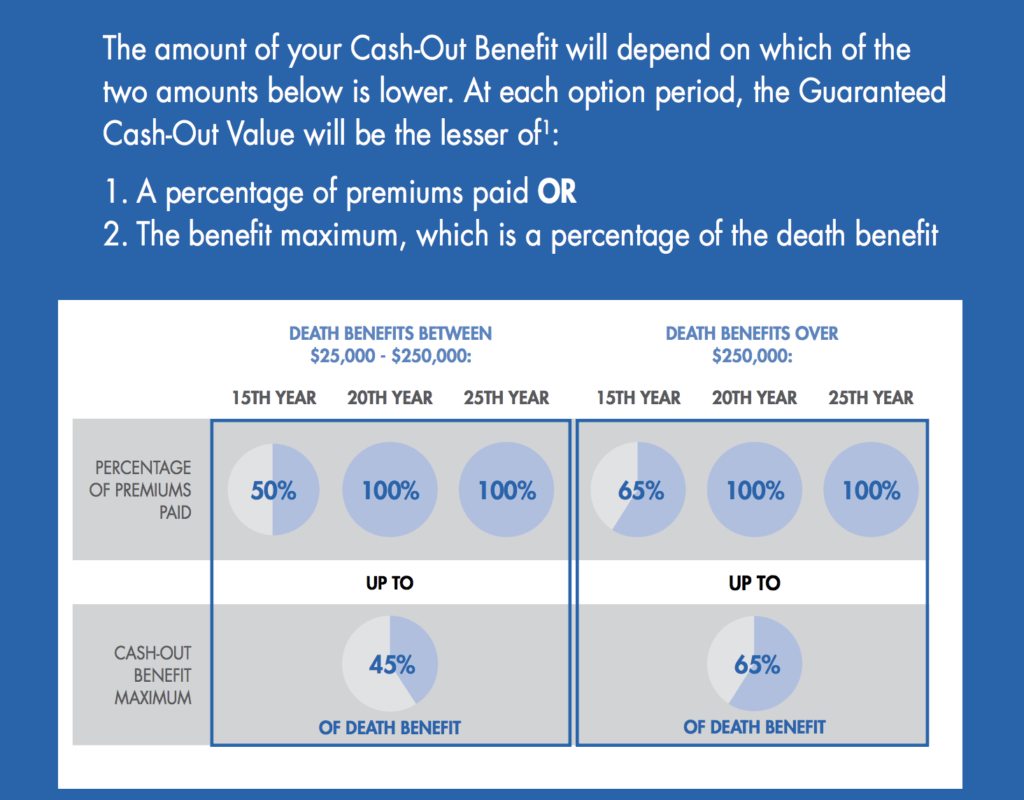
The most critical component of American National life insurance for senior care is the Accelerated Benefit Rider (ABR). In 2026, most ANICO permanent life policies include these riders at no additional premium cost at the time of issue, though exercising them will reduce the final death benefit.
Chronic Illness Coverage
A chronic illness rider is the primary vehicle for senior care funding. To trigger this benefit, a licensed healthcare practitioner must certify that the insured is unable to perform at least two of the six Activities of Daily Living (ADLs) or requires substantial supervision due to severe cognitive impairment (such as Alzheimer's or dementia). The six ADLs typically include:
- Bathing
- Continence
- Dressing
- Eating
- Toileting
- Transferring (moving in or out of a bed or chair)
Once eligible, the policyholder can receive a portion of the death benefit in a lump sum or periodic payments. This money is unrestricted, meaning it can be used for in-home caregivers, modifications to the home (like ramps or walk-in tubs), or monthly assisted living fees.
Terminal and Critical Illness Riders
While chronic illness is the most common path for senior care, terminal and critical illness riders provide additional safeguards. A terminal illness rider allows for an acceleration of benefits if the insured is diagnosed with a condition that is expected to result in death within 12 to 24 months. Critical illness riders cover specific events such as major organ transplants, end-stage renal failure, or certain types of cancer, providing immediate cash that can prevent the depletion of retirement savings during a health crisis.
Key American National Life Insurance Products for Seniors
American National offers several product lines that cater to different stages of senior life and different levels of health.
Signature Whole Life
Signature Whole Life is a permanent policy that provides a guaranteed death benefit, fixed premiums, and guaranteed cash value accumulation. For seniors, this is often the preferred choice for "Final Expense" planning.
- Simplified Issue: Many seniors opt for the simplified issue version, which requires no medical exam—only a health questionnaire and a review of medical records.
- Dividends: While not guaranteed, ANICO has a history of paying dividends to whole life policyholders, which can be used to increase the death benefit or reduce out-of-pocket premium costs.
Indexed Universal Life (IUL)
For seniors who are still in their late 50s or early 60s and looking for a more flexible growth vehicle, IUL insurance offers a death benefit combined with a cash value component linked to a market index, such as the S&P 500.
- Downside Protection: IUL policies include a "floor" (usually 0%), ensuring that the cash value does not lose money due to market volatility.
- Care Funding: The cash value can be accessed via policy loans or withdrawals to pay for senior care, providing a secondary layer of protection alongside the ABRs.
Strategy GUL (Guaranteed Universal Life)
If the primary goal is to ensure a death benefit remains in place until age 121 at the lowest possible cost, GUL is the standard. It functions similarly to term insurance but lasts for a lifetime, and it includes the same living benefit riders essential for senior care.
American National Senior Care Options Comparison
| Product Type | Target Age Range | Underwriting | Primary Use Case | Living Benefits Included? |
|---|---|---|---|---|
| Signature Whole Life | 50 – 80+ | Simplified or Full | Final expenses and small care fund | Yes (Chronic/Terminal) |
| Indexed Universal Life | 50 – 70 | Full Medical | Growth and flexible care funding | Yes (Chronic/Terminal/Critical) |
| Strategy GUL | 50 – 80 | Full or Mid-Level | Guaranteed legacy and care access | Yes (Chronic/Terminal) |
| Term Life | 50 – 70 | Full Medical | Temporary protection (10-30 years) | Often included |
Eligibility and Underwriting for Seniors in 2026
Underwriting is the process by which American National evaluates the risk of insuring a senior. In 2026, the company utilizes sophisticated data analytics to streamline this process.
- Simplified Issue: For policies with lower face amounts (typically under $50,000 for final expense), seniors may not need to undergo a physical exam. Instead, the company checks the Medical Information Bureau (MIB) and prescription drug databases.
- Full Underwriting: For larger policies intended to cover extensive senior care or estate taxes, a paramedical exam is usually required. This includes blood work, urinalysis, and an EKG.
- Age Limits: While coverage is available for those up to age 85 in some cases, the cost of premiums increases significantly after age 70. It is generally recommended to secure coverage as early as possible to lock in lower rates.
Costs and Premium Factors
The cost of American National life insurance for senior care is influenced by several variables. In 2026, the average monthly premium for a $25,000 final expense policy for a 65-year-old non-smoking male might range from $80 to $120, depending on health status.
- Age at Issue: This is the most significant factor. Every year a senior waits to purchase coverage, the premium increases.
- Tobacco Use: Smokers can expect to pay 2x to 3x more than non-smokers.
- Health Class: Ratings such as "Preferred Plus," "Standard," or "Substandard" (table ratings) determine the base cost. Even with minor health issues like controlled hypertension, many seniors can still qualify for "Standard" rates at ANICO.
- Policy Size: While senior care can be expensive, many families opt for smaller "burial" policies to cover immediate costs, while others choose $250,000+ policies to ensure long-term care is fully funded.
Pros and Cons of Choosing American National
Pros
- Strong Financial Ratings: As of 2026, American National continues to hold high ratings from agencies like AM Best and Standard & Poor’s, indicating a strong ability to pay claims.
- Comprehensive Living Benefits: ANICO was a pioneer in the living benefits space, and their riders are often more robust than those of competitors.
- No-Cost Riders: Including ABRs without an upfront premium charge is a major advantage for seniors on a fixed income.
- Diverse Product Suite: From low-cost term to complex IUL, they offer solutions for various financial tiers.
Cons
- ABR Impact: Utilizing living benefits reduces the death benefit. If a senior uses $100,000 for care, their heirs will receive significantly less.
- Complex Claims Process: Filing for chronic illness benefits requires rigorous medical certification, which can be stressful during a health crisis.
- Not a Direct LTC Policy: These are life insurance policies with care riders, not dedicated long-term care insurance. They do not offer the same "partnership" protections with Medicaid that some dedicated LTC policies do.
How to Apply for American National Life Insurance
For seniors or their caregivers looking to initiate coverage in 2026, the following steps are standard:
- Needs Assessment: Determine if the goal is strictly final expenses ($10k-$25k) or a comprehensive care fund ($100k+).
- Consult an Independent Agent: American National products are often sold through independent brokers who can compare ANICO’s rates with other carriers like Mutual of Omaha or Transamerica.
- Submit Application: This can often be done via e-application. Ensure all medical history, including medications for cholesterol or blood pressure, is disclosed accurately.
- The Underwriting Period: For simplified issue, approval can take 48 hours. For full underwriting, expect 4 to 6 weeks.
- Policy Delivery: Once approved, the "free look" period (usually 10-30 days depending on the state) allows the senior to review the policy and cancel for a full refund if it doesn't meet their needs.
Common Mistakes to Avoid
A frequent error is assuming that all life insurance policies include living benefits. Older policies or basic term policies from other carriers may lack these features. Always verify that the Accelerated Benefit Rider for Chronic Illness is explicitly listed in the policy contract.
Another mistake is underestimating the "cost of insurance" (COI) in universal life policies. In 2026, as life expectancy continues to shift, ensure that your agent provides a "current-assumption illustration" that shows how the policy will perform if interest rates fluctuate.
Financial Strength and Regulatory Oversight
When planning for senior care, the longevity of the insurance company is paramount. American National is a subsidiary of Brookfield Reinsurance, providing it with substantial financial backing. Policyholders are also protected by State Guaranty Associations, which provide a safety net if an insurer becomes insolvent. You can verify the status of American National through the National Association of Insurance Commissioners (NAIC).
FAQ: American National Life Insurance for Senior Care
Can I use American National life insurance to pay for a nursing home?
Yes, if your policy includes a Chronic Illness Accelerated Benefit Rider. You must be certified by a physician as unable to perform two of the six Activities of Daily Living (ADLs). Once the claim is approved, the funds are paid to you directly and can be used for any care-related expense, including nursing home stays.
Is a medical exam required for seniors?
Not always. American National offers "Simplified Issue" whole life insurance, specifically designed for final expenses, which does not require a paramedical exam. However, higher-value policies or those for seniors with complex health histories may require a full medical evaluation to determine eligibility and rates.
How do "living benefits" differ from traditional long-term care insurance?
Traditional long-term care insurance is "use it or lose it"—if you never need care, the premiums are gone. American National’s life insurance with living benefits provides a guaranteed death benefit. If you need care, you can access the money early; if you don't, the full amount goes to your beneficiaries.
Are the accelerated benefits from American National taxable?
In most cases, accelerated death benefits paid to a chronically or terminally ill individual are received income-tax-free under Internal Revenue Code Section 101(g). However, there are limits on the daily amount for chronic illness benefits. It is highly recommended to consult with a tax professional before exercising these benefits in 2026.
What happens if I stop paying premiums on my senior care policy?
If you have a permanent policy like Whole Life or IUL, it may have "cash value." If you stop paying, the policy might stay in force for a period by using that cash value to pay premiums. If there is no cash value left, the policy will lapse, and you will lose both the death benefit and the living benefits.
Can a caregiver apply for this insurance on behalf of a senior?
A caregiver or adult child can facilitate the application, but the senior must provide consent and sign the documents. Additionally, the person paying the premiums must have an "insurable interest" in the senior, which is standard for family members and legal guardians.
Recommendation for 2026
If you are looking for a reliable way to hedge against the high costs of aging, American National’s Signature Whole Life with living benefits remains a top recommendation for seniors aged 65 to 80. It balances simplicity with essential care protections. For younger seniors (50-65) with a higher risk tolerance, an Indexed Universal Life policy offers the best potential for building a substantial care fund. Regardless of the choice, always request a written summary of the Accelerated Benefit Rider triggers to ensure the policy aligns with your specific senior care goals.