Ally Bank, known primarily for its digital banking platform and suite of personal financial products, offers residential mortgage services designed to streamline the home financing experience. Understanding Ally home loan basics involves navigating their digital-first application model, identifying the specific loan products available for purchase or refinance, and recognizing the eligibility requirements that define their risk assessment process for prospective borrowers in 2026.
The Digital-First Approach to Mortgage Lending
Ally operates as a digital-direct lender, meaning that most of the mortgage process—from initial inquiry and rate checking to document submission and underwriting—is conducted through their online portal. Unlike traditional brick-and-mortar institutions that rely heavily on in-person consultations, Ally focuses on automated workflows.
This approach is intended to reduce administrative overhead and accelerate the time-to-close. For a borrower, this means you are expected to navigate a self-service dashboard to upload tax returns, pay stubs, and asset statements. While you will likely be assigned a dedicated loan officer or point of contact, the efficiency of your experience is largely predicated on your ability to utilize their digital document management tools effectively.
Core Mortgage Products Available
Ally provides several standard mortgage options, categorized primarily by their purpose (purchasing a new home versus refinancing an existing one) and their underlying structure. It is important to match your long-term financial goals with the appropriate loan product.
Fixed-Rate Mortgages
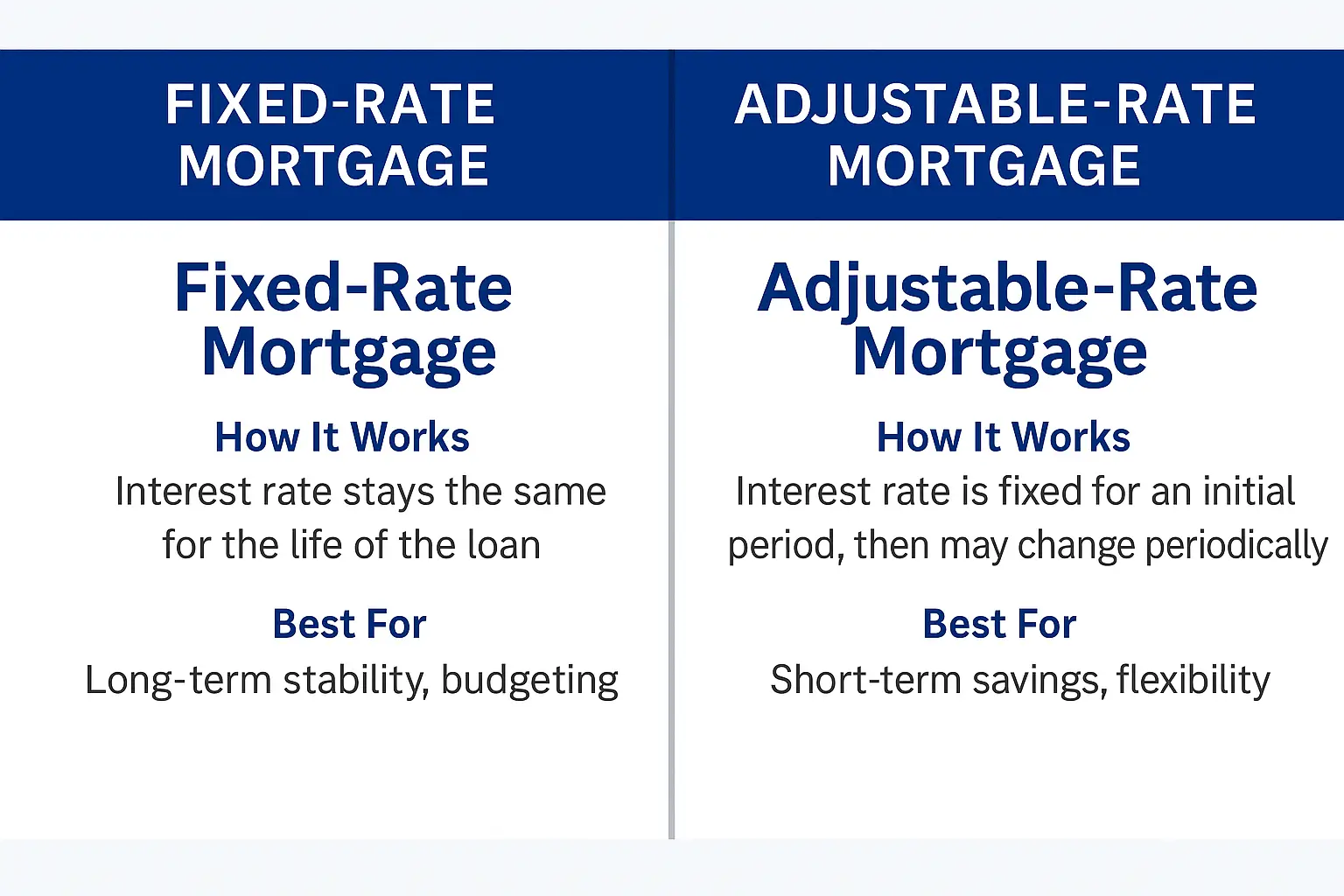
The fixed-rate mortgage remains the most common selection for homebuyers who value payment predictability. With this product, the interest rate is locked for the entire duration of the loan, typically 15, 20, or 30 years. Because the principal and interest components of your monthly payment never change, this option provides a hedge against inflation and rising market interest rates.
Adjustable-Rate Mortgages (ARMs)
Ally also offers ARMs, which typically feature an initial period where the interest rate remains fixed (e.g., 5, 7, or 10 years). After this initial period, the rate adjusts periodically based on market indices. These are often used by borrowers who plan to sell the home or refinance before the adjustment period begins, as the initial interest rates are frequently lower than those offered on traditional fixed-rate loans.
Refinance Options
Refinancing through Ally generally falls into two categories:
- Rate-and-Term Refinance: Replacing an existing mortgage with a new one that features a better interest rate or a different loan term.
- Cash-Out Refinance: Replacing an existing mortgage with one of a higher principal amount, allowing the borrower to receive the difference in cash, typically for home improvements, debt consolidation, or other financial needs.
Eligibility and Documentation Requirements
Securing a home loan from any major lender, including Ally, requires meeting specific financial thresholds. In 2026, the mortgage market remains disciplined, and lenders prioritize evidence of repayment capability.
Credit Score and History
While minimum credit score requirements can fluctuate based on broader economic conditions and specific loan programs (such as government-backed loans versus conventional loans), lenders generally seek a score in the "good" to "excellent" range. A higher score typically correlates with better interest rate eligibility. Ally will conduct a hard credit inquiry to review your payment history, credit utilization, and the presence of any derogatory marks such as bankruptcies or foreclosures.
Debt-to-Income Ratio (DTI)
Your DTI ratio is a crucial metric that measures your monthly debt obligations against your gross monthly income. Lenders use this to ensure that you are not overleveraged. While limits vary by product, a lower DTI generally increases the likelihood of approval. Be prepared to provide comprehensive proof of income, including W-2s, 1099s, and recent bank statements to verify liquid assets.
Down Payment and Closing Costs
Unless you qualify for specific programs that allow for lower down payments, conventional loans often require a down payment ranging from 3% to 20% of the home's purchase price. It is vital to distinguish between the down payment and closing costs. Closing costs—which include appraisal fees, title insurance, and prepaid interest—can add 2% to 5% to your total transaction cost.
Comparison of Mortgage Types
| Mortgage Type | Payment Stability | Initial Interest Rate | Best For |
|---|---|---|---|
| 30-Year Fixed | High | Moderate | Long-term homeowners seeking consistency |
| 15-Year Fixed | High | Lower | Those wanting to pay off the home faster |
| 5/6 ARM | Low | Lower | Buyers planning to move within 5-7 years |
| Cash-Out Refi | N/A | Variable | Homeowners accessing home equity |
Navigating the Application Process
The journey from application to funding generally follows a standardized sequence. Understanding these steps can help you prepare your financial house before submitting an application.
- Pre-Qualification/Pre-Approval: Before house hunting, obtaining a pre-approval letter is essential. This signal to sellers that you are a serious, vetted buyer. It involves a preliminary review of your credit and income.
- Home Search and Purchase Agreement: Once pre-approved, you search for a home. When an offer is accepted, the purchase agreement provides the specific details the lender needs to finalize the loan application.
- Appraisal and Underwriting: Ally will order an appraisal to ensure the home’s market value aligns with the loan amount. Simultaneously, underwriters will review your full financial profile to verify your eligibility for the final loan terms.
- Closing: Once the loan is cleared to close, you will review the Closing Disclosure, which lists the final costs and terms, before signing the necessary legal documentation.
Potential Challenges and Troubleshooting
Even with a smooth digital process, applicants may encounter roadblocks. Common hurdles include:
- Appraisal Gaps: If the home appraises for less than the purchase price, you may be responsible for covering the difference out of pocket.
- Documentation Delays: Large, unexplained deposits into your bank accounts can trigger manual underwriter review. Always keep a clear paper trail for any significant fund transfers.
- Credit Changes: Avoid making large purchases (like buying a car or furniture on credit) or opening new credit cards during the mortgage process, as this can alter your DTI and credit score, potentially jeopardizing your loan approval.
Frequently Asked Questions
Does Ally provide FHA or VA loans? While Ally specializes in conventional financing, availability of government-backed loans can vary by program updates and internal business strategy. It is best to check the current online mortgage dashboard or speak with a representative to see if these specific government-backed options are active for your specific geographic area.
How long does the Ally mortgage process take? The timeline varies significantly based on the complexity of your financial profile and the speed at which you provide requested documentation. While digital-first lenders often move faster than traditional banks, borrowers should typically allow 30 to 45 days for the full underwriting and closing process.
Can I check my mortgage rates without a hard credit pull? Many digital platforms allow for a "soft" inquiry to view initial rate estimates. However, a formal rate lock and application will inevitably require a hard credit pull to verify your eligibility accurately.
What happens if I change my job during the application? Changing jobs or income structures during the mortgage process is a major red flag for lenders. If you anticipate a career change, consult with your loan officer immediately, as it will require a re-verification of your employment and income to ensure you still qualify.
Is private mortgage insurance (PMI) required? PMI is typically required for conventional loans if your down payment is less than 20% of the home's value. This insurance protects the lender if you default. Once your equity reaches 20%—either through principal paydown or home appreciation—you can usually request the removal of PMI.
Recommendation for Prospective Borrowers
If you are considering an Ally home loan, begin by organizing your financial documentation—specifically your last two years of tax returns, your most recent month of pay stubs, and two months of bank statements. Because the experience is self-driven, being proactive with your digital filing will significantly improve your efficiency. Start by using the rate tools on their official website to get a sense of current market trends, and consult with a professional if your financial situation involves self-employment or complex assets, as these may require additional verification steps during underwriting.