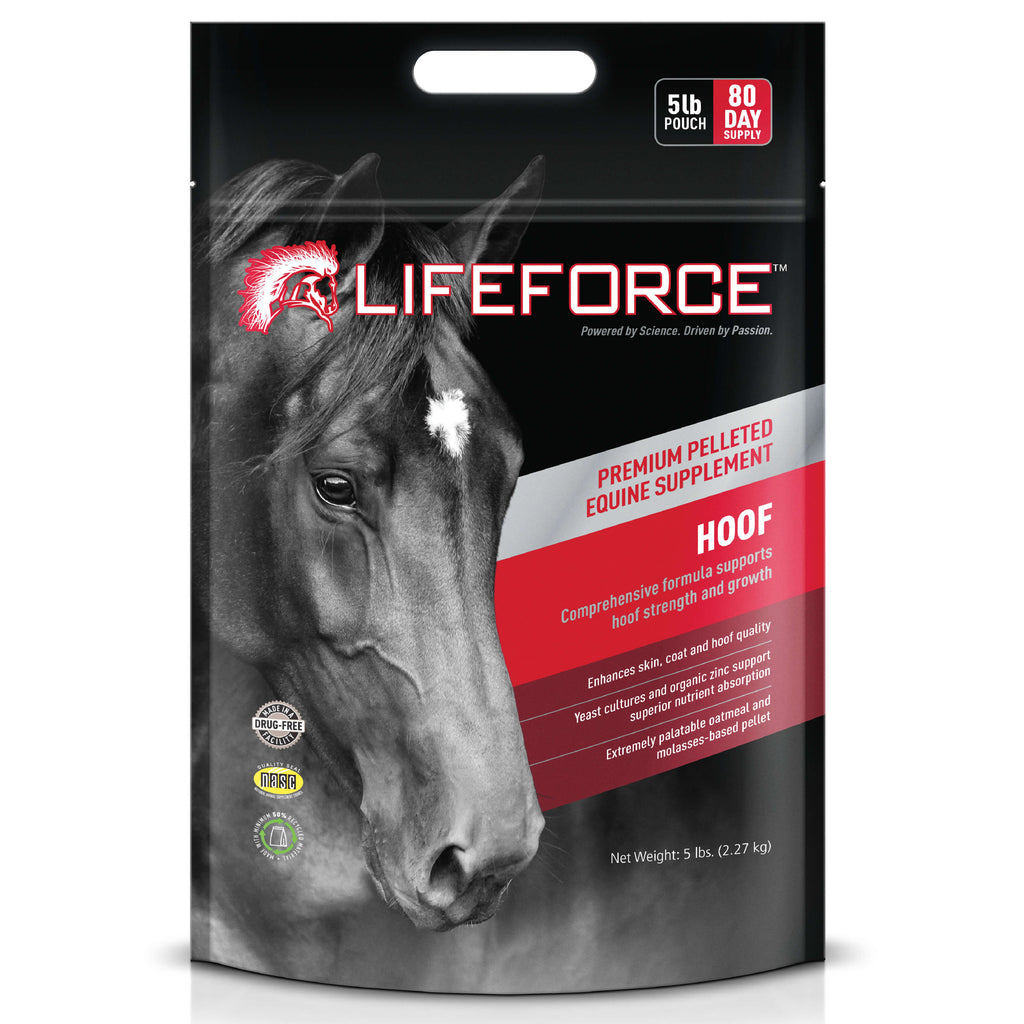
Alltech is a global leader in biotechnology, specializing in natural, yeast-based solutions for animal health, crop science, and sustainable food production. By leveraging advanced fermentation technology and nutrigenomics, Alltech helps producers improve performance and profitability while reducing the environmental footprint of agriculture through its "Planet of Plenty" vision.
The Scientific Foundation of Alltech Biotechnology
Founded in 1980 by Dr. Pearse Lyons, Alltech was built on the principle that biotechnology can provide natural solutions to the challenges facing the global food chain. Unlike traditional chemical-based agricultural companies, Alltech focuses on the power of microorganisms—specifically yeast and algae—to optimize biological processes.
The Role of Fermentation Technology
At the heart of Alltech’s operations is large-scale fermentation. This process involves the controlled growth of specific microorganisms to produce beneficial metabolites, enzymes, and nutrients. In 2026, Alltech continues to refine these processes to create high-purity additives that improve feed efficiency in livestock and nutrient uptake in plants.
The company utilizes various fermentation methods, including:
- Solid-state fermentation: Used to produce enzymes and other biological components by growing fungi or bacteria on a solid substrate.
- Submerged fermentation: The primary method for producing yeast and algae in liquid medium, allowing for precise control over temperature, pH, and oxygen levels to maximize the yield of specific bioactive compounds.
Nutrigenomics: The Frontier of Precision Nutrition
Alltech is a pioneer in nutrigenomics—the study of how nutrition affects gene expression. By using DNA microarray technology, Alltech scientists can observe how specific nutrients "turn on" or "turn off" certain genes within an animal’s body. This allows for the development of "precision nutrition," where supplements are designed to optimize health at the molecular level.
For instance, rather than simply providing a mineral for basic survival, Alltech’s nutrigenomic research identifies which mineral forms (such as organic vs. inorganic) actually trigger genes related to immunity, growth, and stress resistance. This scientific depth ensures that producers are not just feeding animals, but managing their biological potential.
Core Divisions and Their Impact on the Food Chain
Alltech’s influence extends from the soil to the supermarket shelf. Its organizational structure is designed to address every link in the agricultural production cycle.
Animal Health and Nutrition
Animal nutrition remains Alltech’s largest sector. The company provides solutions for ruminants (dairy and beef), poultry, swine, aquaculture, and equine.
- Gut Health Management: Modern animal production often seeks to reduce the use of antibiotics. Alltech’s "Seed, Feed, Weed" program uses mannan-rich fractions (MRF) derived from yeast cell walls to "seed" the gut with beneficial bacteria, "feed" those bacteria, and "weed" out pathogens. This biological approach stabilizes the microbiome and enhances the animal's natural defenses.
- Mineral Management: Traditional inorganic minerals (like sulfates and oxides) are often poorly absorbed and excreted into the environment. Alltech’s Bioplex and Sel-Plex lines provide minerals in an organic form (chelated to amino acids or incorporated into yeast), which the animal’s body recognizes and uses more efficiently.
- Mycotoxin Management: Molds in feed can produce mycotoxins that devastate animal health. Alltech developed the Mycosorb line, which uses yeast-derived glucans to bind mycotoxins in the digestive tract, preventing them from entering the bloodstream.
Alltech Crop Science
The biotechnology applied to animals is mirrored in Alltech’s approach to plant health. Alltech Crop Science focuses on soil health, plant protection, and performance. In 2026, as synthetic fertilizer costs and environmental regulations increase, these biological solutions are critical.
- Soil Health: By introducing beneficial microbes and fermentation metabolites into the soil, Alltech helps restore the natural rhizosphere. This improves nutrient cycling and soil structure.
- Biostimulants: These products enhance the plant's natural processes, such as photosynthesis and stress tolerance, allowing crops to thrive even in suboptimal conditions like drought or extreme heat.
The Beverage Division: A Synergy of Science
Alltech also operates the Lexington Brewing & Distilling Co. While this might seem separate from agriculture, it is fundamentally a biotechnology venture. The expertise required to ferment premium beer and bourbon is the same expertise used to create high-quality animal feed additives. This division serves as a "living laboratory" for yeast research and provides a unique vertical integration that few other biotech firms possess.
Sustainability and the "Planet of Plenty" Initiative
By 2026, sustainability is no longer an optional "extra" for agricultural businesses; it is a core requirement. Alltech’s "Planet of Plenty" initiative is a commitment to using biotechnology to create a world where there is enough nutritious food for everyone while preserving the planet's resources.
Reducing Methane and Nitrogen Emissions
Ruminant livestock (cows and sheep) are major contributors to methane emissions. Alltech has developed specific feed additives, such as Optigen, which provides a controlled-release source of nitrogen for rumen microbes. This increases the efficiency of protein synthesis in the rumen, reducing the amount of nitrogen excreted as waste and improving the overall carbon footprint of the milk or meat produced.
Circular Economy in Agriculture
Alltech promotes circularity by finding value in agricultural byproducts. Through fermentation, low-value materials can be converted into high-value protein or functional ingredients. This reduces waste and creates a more resilient food system.
Comparison of Key Alltech Product Categories
The following table outlines the primary biotech mechanisms and intended outcomes for Alltech’s most prominent product lines.
| Product Category | Primary Mechanism | Key Benefit (2026 Standards) | Target Species |
|---|---|---|---|
| Yeast Cultures (e.g., Yea-Sacc) | Stimulation of fiber-digesting bacteria in the rumen. | Improved milk yield and feed efficiency; reduced digestive upsets. | Dairy, Beef, Equine |
| Organic Trace Minerals (Bioplex) | Minerals bound to amino acids/peptides for high bioavailability. | Better reproductive performance and hoof health; lower environmental runoff. | All Livestock |
| Mycotoxin Binders (Mycosorb) | Adsorption of toxins via yeast-derived carbohydrate fractions. | Protection against contaminated feed; preservation of organ health. | All Livestock, Pets |
| Enzyme Technologies (Allzyme) | Multi-enzyme complexes that break down anti-nutritional factors. | Lower feed costs by allowing the use of alternative, cheaper raw materials. | Poultry, Swine |
| Soil Activators (Crop Science) | Microbial metabolites that stimulate soil biology. | Enhanced root development and improved nutrient uptake from the soil. | Crops, Horticulture |
Practical Implementation: How Producers Use Alltech Solutions
For a producer, adopting Alltech’s biotechnology is not just about buying a bag of feed; it is a strategic shift toward biological management.
Steps for Integration
- Audit and Analysis: Alltech often begins with a "feed audit" or a "mycotoxin 37+ test" to identify the specific challenges on a farm.
- Customized Inclusion: Solutions are rarely "one size fits all." Products are included in the Total Mixed Ration (TMR) or premixes at specific dosages based on the life stage of the animal and the specific goals (e.g., increasing butterfat in milk or improving shell quality in eggs).
- Monitoring Results: Using digital tools and on-farm data, producers track key performance indicators (KPIs) like Average Daily Gain (ADG) or Feed Conversion Ratio (FCR) to quantify the return on investment (ROI).
Common Mistakes to Avoid
- Ignoring Baseline Nutrition: Biotechnology additives are meant to optimize, not replace, a balanced basal diet. If the basic protein and energy levels are incorrect, the biotech additives cannot reach their full potential.
- Inconsistent Dosing: Biological solutions often rely on maintaining a specific concentration of metabolites in the gut. Inconsistent feeding can disrupt the microbial balance and negate the benefits.
Frequently Asked Questions
What makes Alltech different from other agricultural chemical companies?
Alltech focuses almost exclusively on natural biological processes rather than synthetic chemicals. Their core expertise lies in yeast and algae fermentation and the science of nutrigenomics. While chemical companies might focus on killing pests or artificially stimulating growth, Alltech focuses on optimizing the natural immune and digestive systems of the plant or animal.
Is Alltech’s technology safe for human consumption?
Yes. Alltech’s products are designed to improve the health of the animal, which in turn leads to safer and more nutritious food for humans. By reducing the need for antibiotics through better gut health and improving the nutritional profile of meat, milk, and eggs (such as increasing DHA omega-3 levels through algae-fed livestock), Alltech directly contributes to human wellness.
How does Alltech contribute to the reduction of carbon footprints?
Alltech contributes in three main ways: by improving feed efficiency (getting more output from fewer resources), by providing specific additives that reduce methane emissions in ruminants, and by developing crop solutions that reduce the dependency on high-carbon synthetic fertilizers.
Can Alltech products be used in organic farming?
Many of Alltech’s products are derived from natural fermentation and are eligible for use in organic production, though this depends on specific regional certifications (such as USDA Organic or EU organic standards). Producers should always verify the specific product's status with their local certification body.
Where is Alltech headquartered and where do they operate?
Alltech is headquartered in Nicholasville, Kentucky, USA. However, it is a truly global company, operating in more than 120 countries and maintaining a vast network of manufacturing facilities and research bioscience centers worldwide.
Future Outlook and Recommendations
As we move through 2026, the intersection of biotechnology and digital data is the next frontier. Alltech is increasingly integrating its biological solutions with "Precision Ag" tools. For producers, the recommendation is to move toward proactive biological management.
Instead of waiting for a disease outbreak or a crop failure, use diagnostic tools—such as Alltech’s mycotoxin screening and nutrigenomic profiling—to identify risks before they manifest physically. Investing in the microbiome of the soil and the animal today is the most effective way to ensure long-term profitability and compliance with increasingly strict environmental regulations.
For those looking to transition, start with a focused area, such as gut health or mineral bioavailability, and document the changes in animal performance and environmental impact. The transition from chemical-heavy to biological-led agriculture is a journey, and leveraging the research-backed solutions of a leader like Alltech provides a scientifically sound path forward.
More information on specific peer-reviewed research regarding yeast fermentation can be found through academic repositories such as ScienceDirect or official agricultural regulatory bodies like the USDA.