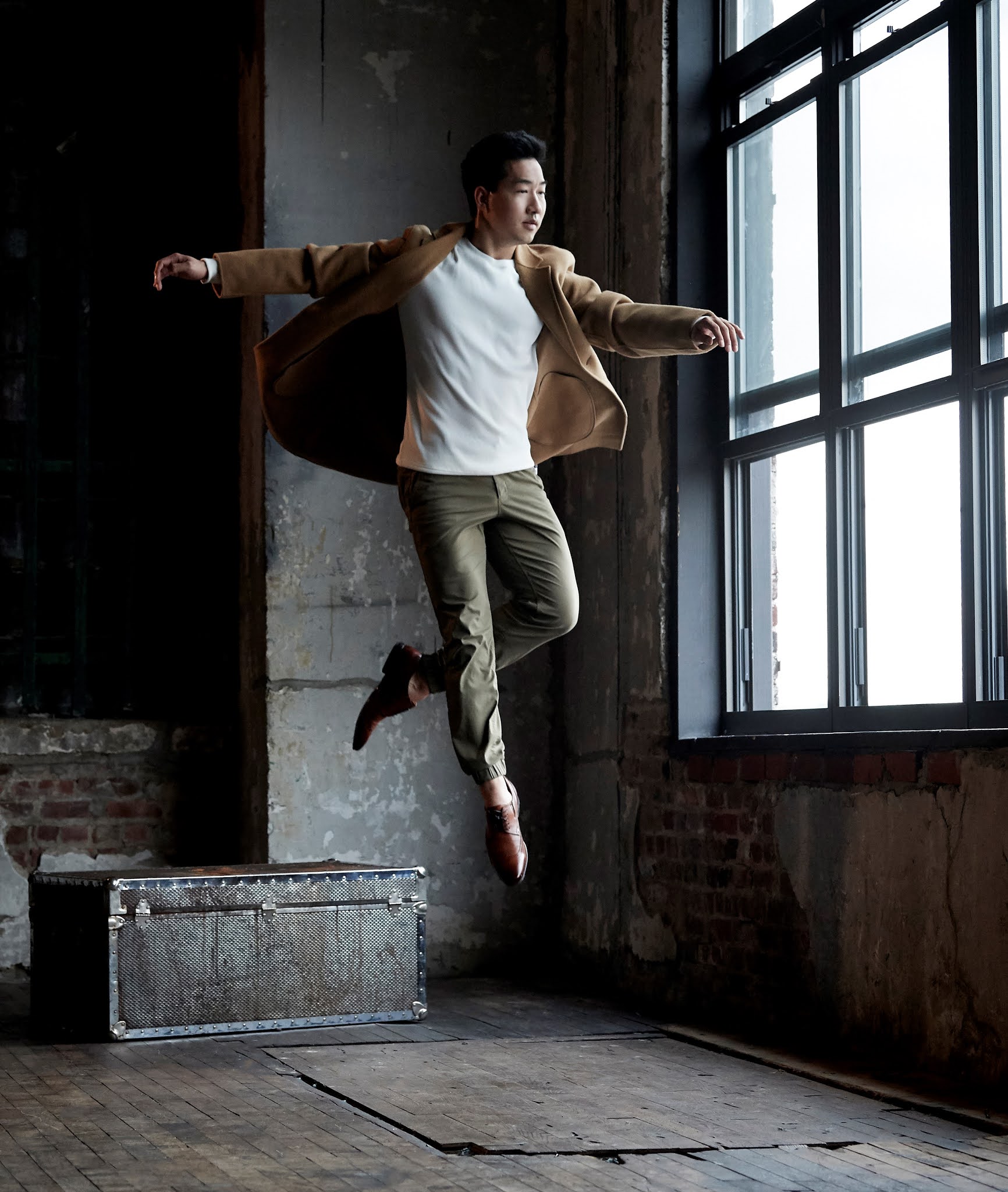
Alex Wong reshaped the direction of So You Think You Can Dance (SYTYCD) by establishing the "All-Star" benchmark for technical versatility and commercial appeal. His transition from a classical ballet principal to a hip-hop icon forced the series to evolve its judging criteria, prioritize cross-genre training, and eventually adopt the professional-focused documentary format seen in 2026.
The Architect of the Modern All-Star System
To understand how Alex Wong influenced the trajectory of So You Think You Can Dance, one must look back at the pivotal Season 7 (2010). Before Wong’s arrival, the show largely functioned as a competition between specialists who struggled to adapt to unfamiliar genres. Wong, a former soloist at the Miami City Ballet, shattered this ceiling. He wasn't just a ballet dancer "trying" hip-hop; he was a technician who mastered the nuances of every style he touched.
When Wong suffered a snapped Achilles tendon during a rehearsal in Season 7, it was widely considered the greatest tragedy in the show's history. However, this injury became the catalyst for his long-term impact. Producers realized that a dancer of Wong’s caliber was too valuable to lose to the vagaries of a standard competition. His subsequent return as an All-Star in Season 8 and beyond fundamentally changed the show's DNA.
By 2026, the All-Star system has become the backbone of the SYTYCD franchise. Wong’s presence redefined the role from a mere partner to a professional mentor. He demonstrated that the show's longevity depended on showcasing elite talent that could bridge the gap between high art (ballet) and street culture (hip-hop). This shift moved the show away from a purely "amateur" competition toward a platform that prepares dancers for the multi-hyphenate demands of the modern entertainment industry.
Redefining Technical Standards: The "Outta Your Mind" Legacy
The single most influential moment in Wong’s SYTYCD career—and arguably the show's history—was his performance of NappyTabs’ "Outta Your Mind" with Stephen "tWitch" Boss. This routine did more than just go viral; it reshaped the creative direction of the series by proving that technical perfection in one discipline does not preclude authenticity in another.
Before this performance, the "ballet vs. hip-hop" narrative usually involved the ballet dancer being ridiculed for being too stiff. Wong’s ability to hit hard, find the pocket, and maintain the "swag" of a hip-hop dancer while retaining the explosive power of a gymnast set a new standard.
The Ripple Effect on Choreography
Because of Alex Wong, choreographers began to elevate the difficulty of their routines. They no longer had to "dumb down" hip-hop for contemporary dancers or simplify contemporary for breakers. The "Alex Wong Effect" meant that any contestant who wanted to win had to reach for that level of cross-genre excellence. In 2026, we see the fruits of this evolution: the current crop of contestants are "hybrids" by default, often training in four or five styles simultaneously to meet the benchmarks Wong established over a decade ago.
Shifting the Show’s Direction Toward Professionalism
In recent seasons leading up to 2026, SYTYCD has moved away from the bright lights of the stage-only format and toward a documentary-style look at the dance industry. Alex Wong’s career trajectory served as the blueprint for this change. After his initial run, Wong didn't just stay in the reality TV bubble; he went on to perform in The Greatest Showman, appeared on Broadway in Newsies, and worked as a consultant for major film and television productions.
The show's 2024 and 2025 seasons leaned heavily into this "day-in-the-life" approach, focusing on the grueling reality of auditions, music video shoots, and brand partnerships. Wong’s involvement as a creative consultant during these years helped the producers understand that the audience was no longer just interested in who could do the most pirouettes; they wanted to see who could survive the professional dance world.
Wong’s influence can be seen in several key areas of the 2026 format:
- The Professional Workshop Stage: Replacing the traditional "Vegas Week," this stage now mimics real-world casting calls for tours and films.
- The Mentorship Program: All-Stars like Wong now take a more active role in the creative process, helping contestants manage the physical and mental tolls of the industry.
- Focus on Longevity: The show now emphasizes injury prevention and career longevity, a direct response to the career-altering injury Wong sustained early on.
Comparative Impact: Alex Wong vs. Traditional Contestants
To visualize the shift in the show's direction, it is helpful to compare the "Pre-Alex" era with the "Post-Alex" era of SYTYCD.
| Feature | Pre-Alex Era (Seasons 1-6) | Post-Alex Era (Seasons 7-2026) |
|---|---|---|
| Primary Goal | Finding a "favorite" dancer. | Developing a "professional" industry-ready artist. |
| Technical Focus | Mastery of one's own "home" style. | Seamless integration across disparate genres. |
| Judging Philosophy | Focusing on personality and "growth." | Focusing on technical precision and commercial viability. |
| All-Star Involvement | Limited to occasional guest spots. | Central to the teaching and selection process. |
| Format Style | Traditional stage-based reality competition. | Hybrid documentary-competition focusing on the "job." |
| Injury Awareness | Viewed as a competition disqualifier. | Integrated into the narrative and training protocols. |
The "Fusion" Revolution in Choreography
Alex Wong’s ability to blend styles led to a significant shift in the types of choreography commissioned for the show. In the early years, routines were strictly categorized: "This is a Jazz piece," or "This is a Cha-Cha." However, Wong’s versatility encouraged choreographers like Mia Michaels, Sonya Tayeh, and later, Christopher Scott, to experiment with "fusion" styles.
By 2026, "genre-less" dance has become a staple of the show. We now see routines that blend ballroom footwork with contemporary floorwork and hip-hop isolations. This evolution is a direct result of Wong proving that the boundaries between styles are porous. When Wong returned as an All-Star, he was often paired with dancers who were technically weaker than him, forcing the choreographers to create pieces that relied on synergy and storytelling rather than just technical checklists. This deepened the emotional resonance of the show, shifting it from a "talent show" to a "performance art" showcase.
Overcoming the "Technique Trap"
One of the common criticisms of highly trained ballet dancers on SYTYCD was that they were "too perfect" or lacked "soul." Alex Wong reshaped this narrative by demonstrating that elite technique is not a cage, but a tool for deeper expression.
His performance in "Bang Bang" (the Season 12 jazz routine with Twitch) showcased a level of comedic timing and personality that many didn't expect from a ballet principal. This taught future contestants—and the audience—that "performance" isn't just about smiling for the camera; it's about the physical commitment to a character. As we look at the 2026 landscape of dance media, the "Alex Wong model" is the gold standard: a dancer who is a technician by day and a character actor by night.
Frequently Asked Questions
Did Alex Wong ever win So You Think You Can Dance?
No, Alex Wong never won the title of "America's Favorite Dancer." He had to withdraw from Season 7 due to an injury and subsequently participated as an All-Star. Despite not winning, he is widely regarded as one of the most successful and influential alumni in the history of the franchise.
How did Alex Wong's injury change the show's rules?
While it didn't change the official rules regarding medical disqualification, Wong’s injury led to a significantly increased focus on dancer health and safety. The show began employing more robust on-site physical therapy teams and modified the rehearsal schedules to prevent the overtraining that contributed to his Achilles tear.
What is Alex Wong’s current role in the dance world in 2026?
As of 2026, Alex Wong serves as a premier creative consultant and choreographer for both television and film. He frequently returns to SYTYCD as a mentor and producer, helping to shape the technical standards for new seasons. He is also a prominent figure in digital dance education, using his platform to teach the "fusion" techniques he popularized on the show.
Why is the "Outta Your Mind" routine so famous?
The routine is legendary because it featured a world-class ballet dancer (Wong) performing a high-level hip-hop routine with one of the greatest street dancers of all time (tWitch) and matching him in energy, rhythm, and style. It broke the stereotype that classical dancers cannot "get down" and remains the most-watched clip in the show's history.
How did Alex Wong influence the Season 18 documentary format?
The shift to a documentary format was inspired by the careers of dancers like Wong, who showed that the "competition" is only a small part of a professional's life. The producers wanted to highlight the grit, the recovery from injuries, and the diverse work opportunities (commercials, movies, stage) that Wong navigated so successfully after his time as a contestant.
Strategic Recommendation for Aspiring Dancers
For dancers looking to follow the "Alex Wong path" in 2026, the primary focus must be on unapologetic versatility. The era of the "single-style specialist" on television is largely over. To succeed in the current SYTYCD environment, one must possess:
- Foundational Rigor: A base in ballet or contemporary to ensure technical safety and line.
- Rhythmic Authenticity: Deep study of street styles (Hip-Hop, Breaking, Popping) to avoid looking "clinical" during commercial routines.
- Media Literacy: An understanding of how to dance for the camera, not just a live audience, which Wong mastered through his transition to film and social media.
The direction of So You Think You Can Dance was forever altered by Alex Wong’s presence. He moved the needle from "entertainment" to "excellence," ensuring that the show remained relevant in an increasingly competitive professional landscape. His legacy is not just a collection of great routines, but a more professional, more technical, and more inclusive industry for all dancers.