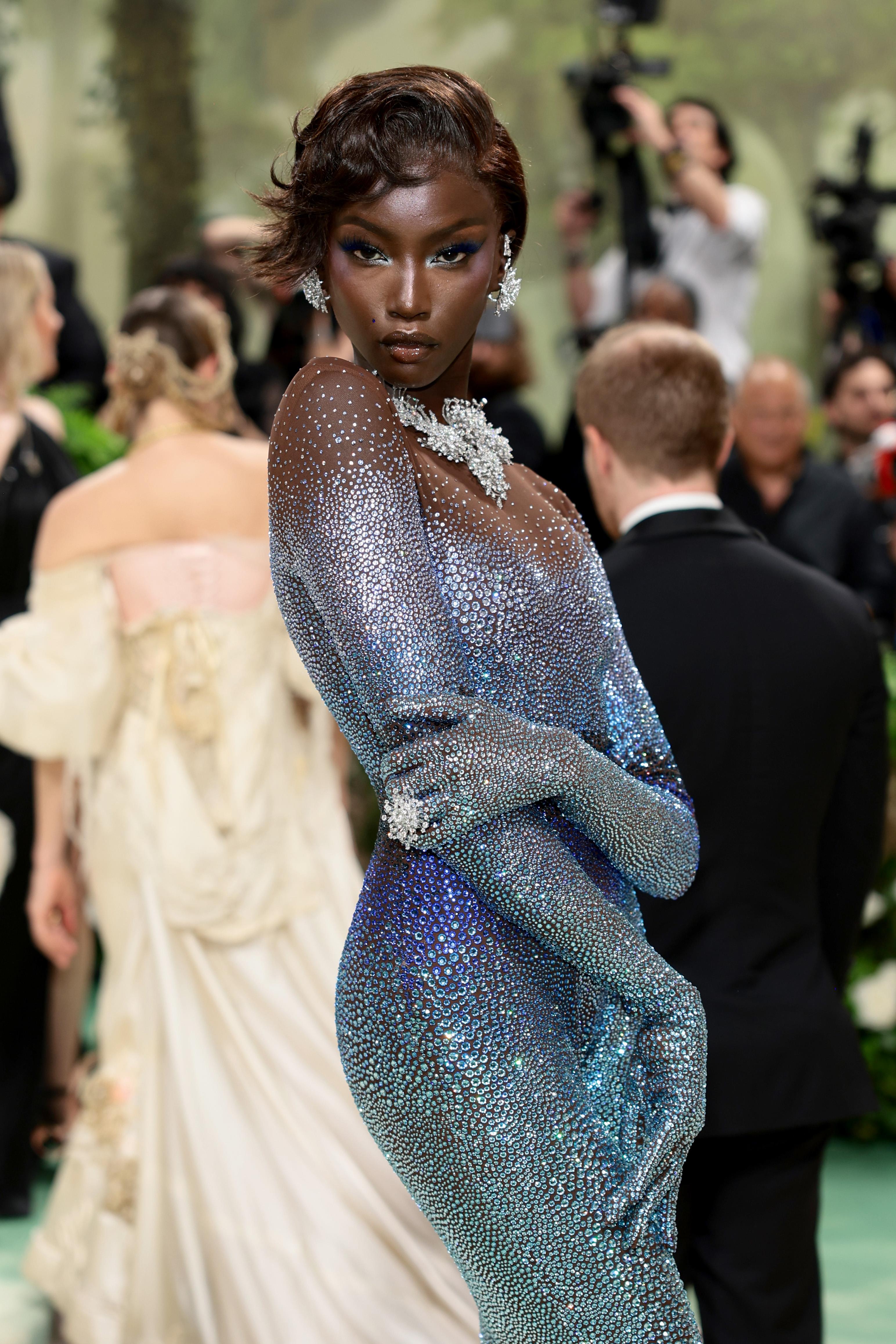
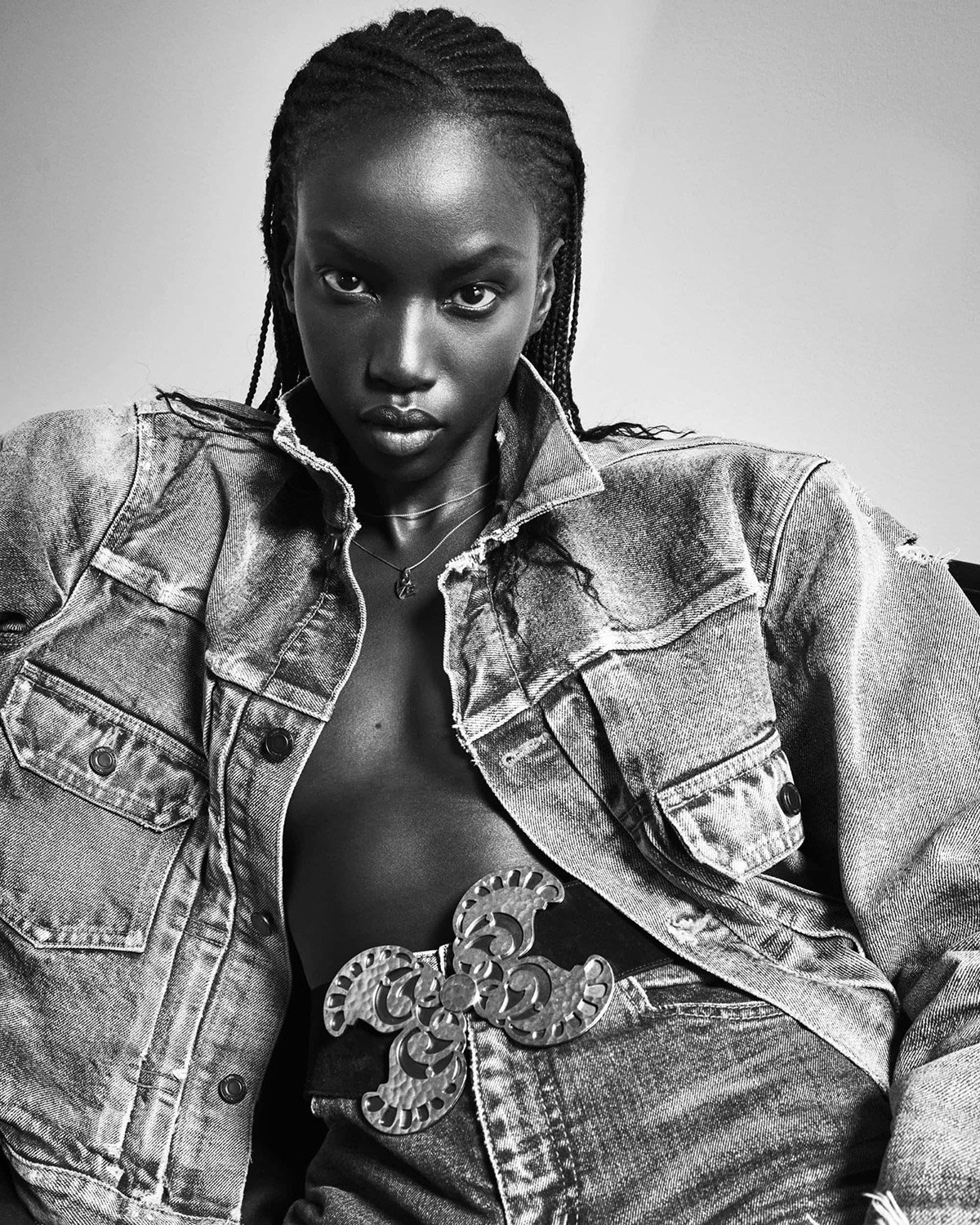
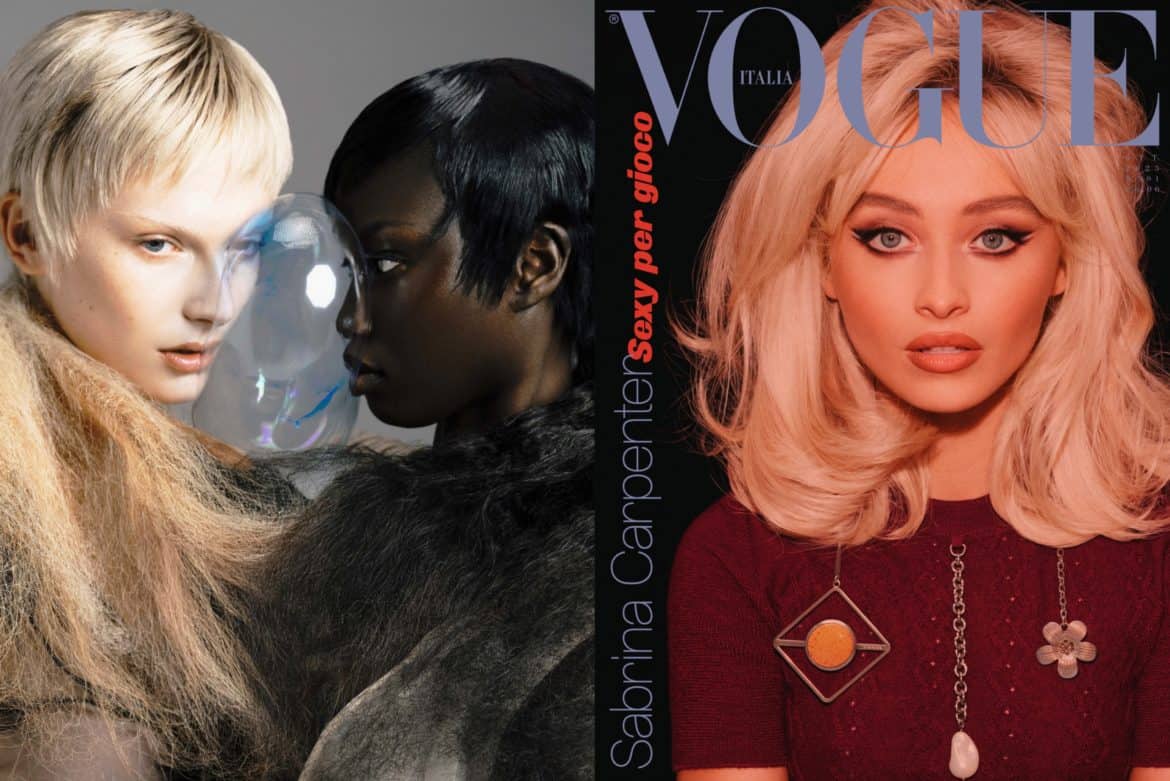
The contemporary modeling industry in 2026 is defined by a departure from static beauty in favor of narrative-driven influence and technical excellence. Alex Consani and Anok Yai represent the two pillars of this shift: the "personality-led" digital trailblazer and the "blue-chip" editorial powerhouse. Together, they illustrate how identity, social media, and traditional high-fashion standards have converged to redefine the modern supermodel.
The Evolution of the Supermodel Identity
The concept of the "supermodel" has undergone several radical transformations since its inception. In the 1990s, the "Big Five" were defined by their untouchability and god-like status. The early 2010s gave way to the "Instagram Girl," where follower counts often outweighed technical runway ability. However, by 2026, the industry has settled into a more complex equilibrium. Today’s top models are expected to possess both the technical skill of the 90s icons and the digital fluency of the social media era.
Alex Consani and Anok Yai are the quintessential examples of this synthesis. They do not merely "wear" clothes; they act as cultural curators who bring specific communities and aesthetics to the forefront of global luxury. This shift reflects a broader industry movement toward authenticity, where a model’s personal brand—their humor, their activism, or their unique path to discovery—is as valuable as their physical dimensions.
The "landscape" is no longer just a runway or a magazine spread; it is a multi-channel ecosystem where the boundary between the "real world" and the "fashion world" has largely dissolved. This transformation has been driven by a demand for representation that feels earned rather than tokenized, and for talent that can navigate the hyper-fast cycles of digital content without losing the prestige required for luxury associations.
Alex Consani: Redefining Trans Visibility and Gen Z Influence
Alex Consani has emerged as a transformative figure in fashion, bridging the gap between "Internet famous" and "High Fashion elite." As an openly trans model who began her career at a young age, Consani’s rise to prominence represents a significant milestone in the industry’s approach to gender diversity and youth culture.
The Power of "Chaos" and Authenticity
Consani’s appeal lies in her refusal to adhere to the traditional, stoic persona of a high-fashion model. On platforms like TikTok, she has cultivated a "chaotic" and deeply relatable persona that resonates with Gen Z. This digital presence was not a secondary hobby but a core component of her ascent. By the time she was walking for brands like Chanel, Versace, and Alexander McQueen, she already possessed a loyal audience that viewed her success as a collective victory for the trans community and for those who felt sidelined by fashion’s historical rigidity.
In 2024, Consani made history as the first openly trans woman to be nominated for Model of the Year at the Fashion Awards. By 2026, this nomination is seen as the catalyst that forced major agencies to reconsider how they scout talent. It proved that a model could be "silly" and "unfiltered" online while maintaining the poise and discipline required for a Marc Jacobs show or a Vogue editorial.
Technical Mastery and Versatility
Despite her digital-first reputation, Consani’s success is grounded in a high level of technical skill. Her walk is characterized by a specific energy—agile and modern—that designers seek when they want to signal a "youthful" pivot for their brand. Her ability to transition from a high-energy runway to a minimalist, high-concept editorial shoot demonstrates a versatility that many of her social-media-famous predecessors lacked. This versatility is essential in 2026, where models are often required to produce their own "behind-the-scenes" content simultaneously with their professional duties.
Anok Yai: The Modern Editorial Icon and the Power of Viral Discovery
If Alex Consani represents the digital "personality" shift, Anok Yai represents the return to "prestige" and technical perfection, albeit through a modern lens. Yai’s story is often cited as the definitive "viral discovery" of the late 2010s—photographed at a Howard University homecoming, the image went viral, leading to a contract with Next Management.
Breaking Barriers at the Highest Levels
Anok Yai’s impact on the landscape is most visible in her record-breaking achievements. She was the first South Sudanese model to open a Prada show since Naomi Campbell, a feat that signaled a major shift in the industry's historical preference for Eurocentric features. Yai did not just enter the industry; she conquered its most exclusive heights, becoming a face of Estée Lauder and a constant presence on the covers of Models.com top rankings.
By 2026, Yai’s career serves as a blueprint for how a model can maintain an "aura of mystery" while still being a product of the digital age. Unlike many of her peers, Yai’s social media is carefully curated, focusing on the artistry of her work and her striking, almost statuesque physical presence. This has allowed her to maintain a "blue-chip" status—the highest tier of modeling where talent is associated exclusively with top-tier luxury brands.
The Technical "Standard"
Yai is frequently lauded for her runway walk, which many critics compare to the greats of the 90s. In an era where some "nepo-babies" have been criticized for a lack of runway training, Yai’s precision, pace, and ability to sell a garment through movement have made her a favorite of photographers like Steven Meisel and brands like Schiaparelli. Her career emphasizes that while discovery can happen on Instagram or at a college festival, longevity in the industry still requires a mastery of the craft.
Comparative Analysis: Two Paths to the Top
The following table compares the distinct approaches of Alex Consani and Anok Yai, illustrating how different "archetypes" can find equal success in the 2026 modeling landscape.
| Feature | Alex Consani | Anok Yai |
|---|---|---|
| Discovery Path | Early professional modeling + TikTok viral growth | Viral street photography at Howard University |
| Primary Appeal | Personality, humor, and Gen Z relatability | Technical perfection and "blue-chip" editorial aura |
| Cultural Impact | Pioneer for trans visibility and digital authenticity | Breaking racial barriers at Prada and Estée Lauder |
| Signature Aesthetic | High-energy, modern, and versatile | Statuesque, elegant, and high-prestige |
| Brand Associations | Chanel, Versace, Marc Jacobs, Coperni | Prada, Estée Lauder, Schiaparelli, Tom Ford |
| Social Media Strategy | High engagement, "chaotic" behind-the-scenes | Curated, artistic, and work-focused |
Structural Changes in the Modeling Industry
The success of models like Consani and Yai is not occurring in a vacuum. It is the result of deep structural changes within fashion agencies and brand marketing departments. By 2026, several key shifts have become industry standards.
From "Mannequin" to "Muse"
Historically, models were often treated as "hangers" for the clothes—interchangeable and voiceless. The current landscape requires models to be "muses" who bring their own perspective. Designers now frequently cite their models' personal lives or identities as inspiration for collections. This shift has necessitated a more collaborative relationship between the designer, the stylist, and the model.
The Death of the "Cookie-Cutter" Scout
Agencies like IMG, Next, and Elite have overhauled their scouting departments. While height and facial structure remain important, scouts are now looking for "points of view." This include's a model’s ability to speak on social issues, their unique hobby (such as Consani’s comedy), or their cultural heritage. The goal is to find talent that can carry a brand’s narrative across multiple platforms, not just on a billboard.
Diversity Beyond Tokenism
In the past, brands were often criticized for "tokenism"—including one person of color or one trans person in a show to avoid backlash. In 2026, the standard has moved toward "meaningful representation." Models like Anok Yai are no longer the "only" person of color in a show; they are the stars of the show. Similarly, trans models are no longer cast for the sake of a "statement" but because they are the best talent for the job.
The Role of Social Media: From Portfolio to Personality
Social media has transitioned from being a supplementary tool to becoming a model’s primary portfolio. However, the way it is used has changed. In the early 2020s, "perfect" feeds were the goal. In 2026, "vulnerability" and "unfiltered" content are the keys to high engagement.
Alex Consani’s career highlights this perfectly. Her followers feel as though they are part of her journey, from the makeup chair to the after-party. This level of access creates a "parasocial" bond that brands are eager to tap into. When Consani wears a specific brand of shoes in a "Get Ready With Me" video, the impact on sales is often greater than a traditional advertisement.
Conversely, the "mystery" approach used by Anok Yai remains effective for the ultra-luxury segment. Brands like Hermès or Dior still value a certain level of exclusivity. The shift in the landscape allows for both strategies to exist simultaneously: the "accessible star" and the "elusive icon."
Industry Challenges and the Future Outlook
Despite the progress represented by Consani and Yai, the modeling industry in 2026 faces several significant challenges.
- The Rise of AI and Digital Twins: Some brands are beginning to experiment with AI-generated models or "digital twins" of famous models. This raises questions about the future of physical modeling and the ownership of a model’s likeness.
- Mental Health and Digital Burnout: The pressure to be "always on" for social media has led to increased reports of burnout among young models. Agencies are now beginning to include mental health clauses and "digital detox" periods in their contracts.
- Sustainability in Fast-Fashion vs. Luxury: Models are increasingly being held accountable for the brands they choose to work with. There is a growing movement where top-tier models refuse to work with "ultra-fast-fashion" brands due to environmental and labor concerns.
As we look toward the late 2020s, the "shifting landscape" suggests that the most successful models will be those who can navigate these ethical and technological challenges while maintaining a distinct, uncopyable human essence.
FAQ
How did Alex Consani become famous?
Alex Consani's rise was a combination of professional modeling work and a viral TikTok presence. She began modeling at age 12, but her career exploded in the early 2020s when her humorous, high-energy videos caught the attention of both the Gen Z public and major high-fashion designers. Her ability to blend high-fashion "cool" with internet "relatability" made her a standout talent.
What is Anok Yai's significance in fashion history?
Anok Yai is significant for several reasons, most notably for being the first South Sudanese model to open a Prada show. Her discovery via a viral photograph at Howard University also marked a turning point in how social media could disrupt traditional scouting. She is widely considered one of the most technically proficient "supermodels" of the modern era, known for her impeccable runway walk and editorial presence.
Is the industry still focused on "social media models"?
The industry has moved beyond just "social media models." While a digital presence is almost always required, 2026 standards prioritize "talent-plus." This means a model must have both a digital following and the technical skill to perform in high-stakes editorial and runway environments. Followers alone are no longer enough to sustain a high-fashion career.
How has trans representation changed in modeling by 2026?
Trans representation has moved from "niche" or "activist-focused" to the mainstream of luxury fashion. Models like Alex Consani are being cast because of their talent and brand-fit, rather than solely to make a political statement. This "normalization" is a key feature of the current landscape, though advocates continue to push for better protections and pay equity for trans talent.
What do agencies look for in new models in 2026?
Beyond height and physical features, agencies look for a "personal brand" or a "unique narrative." They seek individuals who have a clear voice, an engaged community, and the professional discipline to handle the fast-paced nature of modern fashion cycles. Technical skills, such as runway walking and camera movement, have also seen a resurgence in importance.
Practical Recommendation for Aspiring Models
For those looking to enter the modeling industry in 2026, the key is diversification. Do not focus solely on your physical appearance or solely on your social media following. Instead, work on developing a "POV" (Point of View). Ask yourself: What story am I telling? Whether it’s through humor like Alex Consani or through artistic excellence like Anok Yai, the industry rewards those who bring something more than just a face to the table. Start by building an authentic digital presence that reflects your true personality, but also invest time in learning the technical aspects of the craft—study the greats, practice your movement, and understand the heritage of the brands you wish to represent.