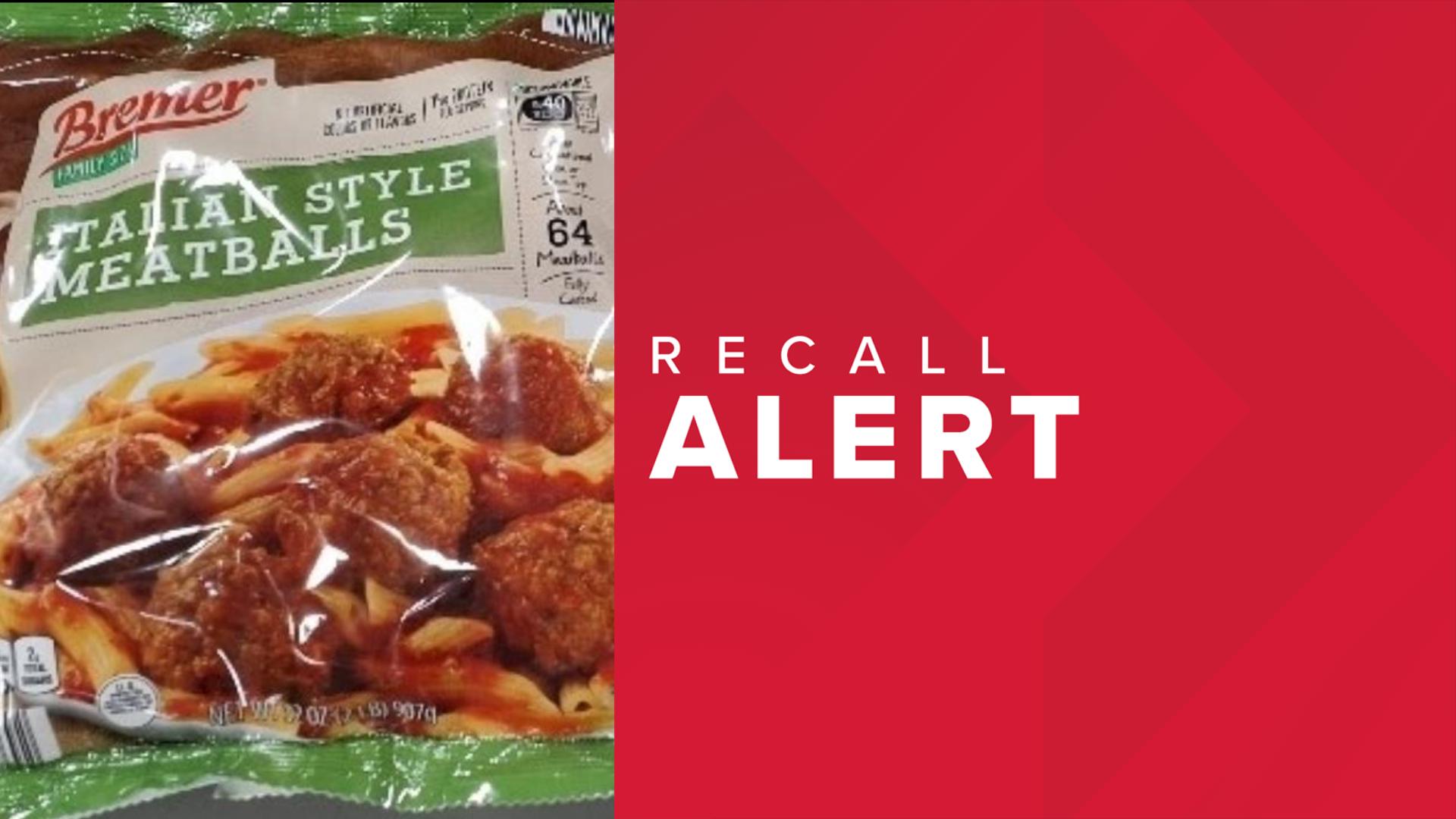
If you discover that a product you purchased from Aldi is subject to a food recall, immediately stop using the item and do not consume it. To resolve the issue, return the product or its packaging to your local Aldi store for a full refund. You can verify specific recalls by checking the official Aldi website or the FDA and USDA recall databases for lot codes and expiration dates.
Food safety is a cornerstone of modern grocery retail, yet even a company as streamlined as Aldi occasionally faces the necessity of product recalls. Whether due to potential bacterial contamination, undeclared allergens, or the presence of foreign materials, understanding how to navigate an Aldi food recall is essential for protecting your health and your wallet. As we move through 2026, the integration of digital tracking and supply chain transparency has made it easier than ever to identify these risks, but the responsibility for final verification often rests with the consumer.
The Landscape of Food Safety at Aldi
Aldi has built a massive global following based on a "no-frills" model that prioritizes efficiency and private-label brands. Because the vast majority of products sold at Aldi are exclusive brands—such as Simply Nature, Earthly Grains, and Park Street Deli—the company maintains significant control over its supply chain. However, this also means that when a raw ingredient supplier faces an issue, multiple Aldi-exclusive products may be impacted simultaneously.
In 2026, food safety protocols have become increasingly stringent. Regulatory bodies like the Food and Drug Administration (FDA) and the United States Department of Agriculture (USDA) work closely with retailers to trigger "voluntary recalls" before widespread illness occurs. A recall at Aldi is typically a proactive measure rather than a reactive one. It indicates that either the manufacturer or a government agency detected a potential risk during routine testing.
How to Verify an Active Aldi Food Recall
When news of a recall breaks, the sheer volume of information can be overwhelming. Not every bag of spinach or carton of eggs is affected; recalls are almost always limited to specific production windows, geographic regions, and manufacturing facilities. To determine if your kitchen contains a recalled item, you must look for three specific pieces of information: the product name, the UPC (Universal Product Code), and the Lot Code or Best By Date.
1. Check the Official Aldi Recall Portal
Aldi maintains a dedicated "Product Recalls" section on its official website. This is the most reliable source for information specifically tailored to their inventory. The portal lists the product image, the reason for the recall, and the specific "Best By" dates or "Sell By" dates affected. Since Aldi frequently updates this list, it should be your first point of reference.
2. Utilize Federal Databases
For meat, poultry, and egg products, the USDA Food Safety and Inspection Service (FSIS) is the governing body. For almost everything else—including produce, canned goods, and snacks—the FDA manages the recall.
- FDA Recall Search: Allows you to filter by brand name (e.g., "Little Journey" or "Friendly Farms").
- USDA Current Recalls: Provides detailed PDFs showing the labels of affected meat products and the establishment number (prefixed by "EST") found inside the USDA mark of inspection.
3. Review Third-Party Alerts and News
Many consumers receive recall notifications through news outlets or consumer advocacy groups. While these are helpful for awareness, always cross-reference them with official Aldi or government documentation. In 2026, many shoppers also receive push notifications via the Aldi mobile app if their purchase history indicates they bought a potentially affected item.
Understanding the Types of Food Recalls
Recalls are categorized based on the type of hazard they pose. Understanding these categories helps you assess the urgency of the situation and the potential health risks involved.
Microbiological Contamination
This is perhaps the most common reason for an Aldi food recall. It involves the presence of harmful bacteria, viruses, or parasites.
- Salmonella: Often found in poultry, eggs, and raw produce. Symptoms include fever, diarrhea, and abdominal cramps.
- Listeria monocytogenes: Particularly dangerous because it can survive in cold environments like refrigerators. It is a frequent culprit in recalls involving deli meats and soft cheeses.
- E. coli: Often linked to ground beef or leafy greens. Certain strains can cause severe kidney damage.
Undeclared Allergens
For individuals with severe food allergies, an undeclared ingredient is a life-threatening hazard. This occurs when a product contains an allergen—such as milk, eggs, peanuts, tree nuts, fish, shellfish, wheat, or soy—that is not listed on the label. This usually happens due to cross-contamination at the factory or a packaging error where the wrong label is applied to a product.
Physical (Foreign Object) Contamination
Occasionally, fragments of metal, plastic, glass, or wood find their way into food products during the manufacturing process. While less common than biological risks, these pose an immediate choking or injury hazard.
Decoding Product Labels: UPCs and Lot Codes
The most critical step in confirming a recall is matching the codes on your packaging to the codes listed in the recall notice.
- The UPC Code: This is the 12-digit barcode printed on the packaging. Every unit of a specific product (e.g., 16oz Simply Nature Organic Whole Milk Yogurt) shares the same UPC. The recall notice will specify the UPCs involved to ensure you aren't confusing a similar but unaffected product.
- The Lot Code: This is a series of letters and numbers that identifies exactly when and where the product was made. It might be inkjet-printed on the bottom of a can, the shoulder of a plastic bottle, or the seal of a bag.
- Best By/Use By Date: While not as precise as a lot code, many recalls use these dates to define the scope of the affected products. If your "Best By" date falls within the range listed in the recall, the product should be treated as contaminated.
What to Do if You Have a Recalled Item
If you confirm that your Aldi purchase is part of a recall, follow these steps to ensure safety and financial recovery.
- Do Not Consume: This is the most vital instruction. Even if the food looks, smells, and tastes normal, microscopic pathogens could be present. Do not feed the product to pets, as they are also susceptible to foodborne illnesses.
- Isolate the Product: Place the item in a sealed plastic bag. This prevents any potential leakage or cross-contamination in your refrigerator or pantry. Label it clearly as "RECALLED - DO NOT EAT" to ensure no other member of your household accidentally uses it.
- Clean Your Storage Area: If the recalled item was a "leaky" product (like raw meat) or a product prone to shedding (like loose sprouts), sanitize the shelves and drawers where it was stored. Use a solution of one tablespoon of unscented liquid chlorine bleach to one gallon of warm water.
- Return for a Refund: Take the product (or the empty packaging, if you have already disposed of the contents) back to any Aldi location. Aldi’s policy for recalls is straightforward: customers are entitled to a full cash refund. You do not need your original paper receipt to receive a refund for a recalled item.
- Monitor for Symptoms: If you have already consumed the product, watch for signs of illness. Most foodborne symptoms appear within 12 to 72 hours, though Listeria can take up to 60 days to manifest. Consult a healthcare provider if you experience severe symptoms.
Aldi's Refund Policy and the "Twice as Nice" Guarantee
Aldi is famous for its Twice as Nice Guarantee, which promises to replace a product and refund your money if you are not 100% satisfied. However, it is important to note that this guarantee is typically applied to quality issues (e.g., a bruised apple or bread that went stale too quickly).
For safety-related recalls, the protocol is generally a full refund of the purchase price. While individual store managers may occasionally offer a replacement of an equivalent (safe) item, the primary goal of the recall process is to remove the hazard from your home and reimburse your costs. In 2026, if you use the Aldi app, the refund may be processed back to your original payment method or issued as a digital gift card for immediate use.
Comparison of Recall Severity and Actions
| Recall Class | Risk Level | Example Cause | Consumer Action |
|---|---|---|---|
| Class I | High | Listeria or undeclared peanuts | Immediate disposal or return; high risk of serious injury/death. |
| Class II | Moderate | Undeclared sulfites or minor physical objects | Return for refund; potential for temporary or reversible health issues. |
| Class III | Low | Minor labeling errors (not allergens) | Return for refund; unlikely to cause adverse health consequences. |
| Market Withdrawal | Negligible | Quality issue (e.g., stale texture) | Optional return; does not violate FDA regulations but fails store standards. |
How to Stay Informed in 2026
Proactivity is the best defense against foodborne illness. In an era where supply chains move at lightning speed, staying informed requires a multi-channel approach.
- Sign Up for Email Alerts: Both the FDA and USDA offer email subscription services that send alerts directly to your inbox the moment a recall is categorized.
- Use Social Media Wisely: Follow Aldi's official social media accounts. They often post announcements regarding significant recalls to ensure maximum reach.
- Check the App: If you are an Aldi regular, ensure your notifications are turned on for the official Aldi app. Modern retail systems are increasingly able to match recall data with transaction history, providing a personalized safety net.
FAQs
Do I need a receipt to get a refund for a recalled Aldi product?
No, a receipt is not required for a refund on a recalled item. Aldi identifies recalled products by their UPC and packaging. As long as the item is confirmed to be part of the recall, the store will process a full refund to your original payment method or provide cash.
Can I just throw the product away instead of returning it?
Yes, you can choose to dispose of the product immediately to remove the risk from your home. However, to receive a refund, you must generally bring the packaging or the product back to the store. If you throw it away, take a clear photo of the UPC and Lot Code first; some store managers may honor the refund with photographic proof, though this is at their discretion.
What if I ate a recalled product but feel fine?
Many people consume recalled products without getting sick, especially if the contamination level was low or their immune system is strong. However, you should still monitor your health. If the recall involved Listeria, be aware that symptoms can take weeks to develop. If you are pregnant, elderly, or immunocompromised, it is wise to contact your doctor for advice even if you feel fine.
Is Aldi less safe than other grocery stores?
No. Recalls affect all major retailers, including Walmart, Kroger, and Whole Foods. Because Aldi sells a high volume of private-label goods, their name appears more prominently in recall notices compared to retailers that sell diverse national brands where the manufacturer's name is highlighted instead of the store's.
How do I know if a specific Aldi store has the recall?
Most Aldi food recalls are regional or national. If a product is recalled in your state, all Aldi stores in that state will pull the item from their shelves. You can call your local store or check the state-specific listings on the FDA website to confirm if your local branch was affected.
Next Steps for Consumers
If you suspect you have a recalled item, your next action should be to verify the Lot Code against the official list on the Aldi Product Recalls page. Once confirmed, secure the item in a sealed bag and plan a visit to your nearest Aldi for a refund. To prevent future issues, consider signing up for federal food safety alerts to receive real-time updates on all grocery products you bring into your home.