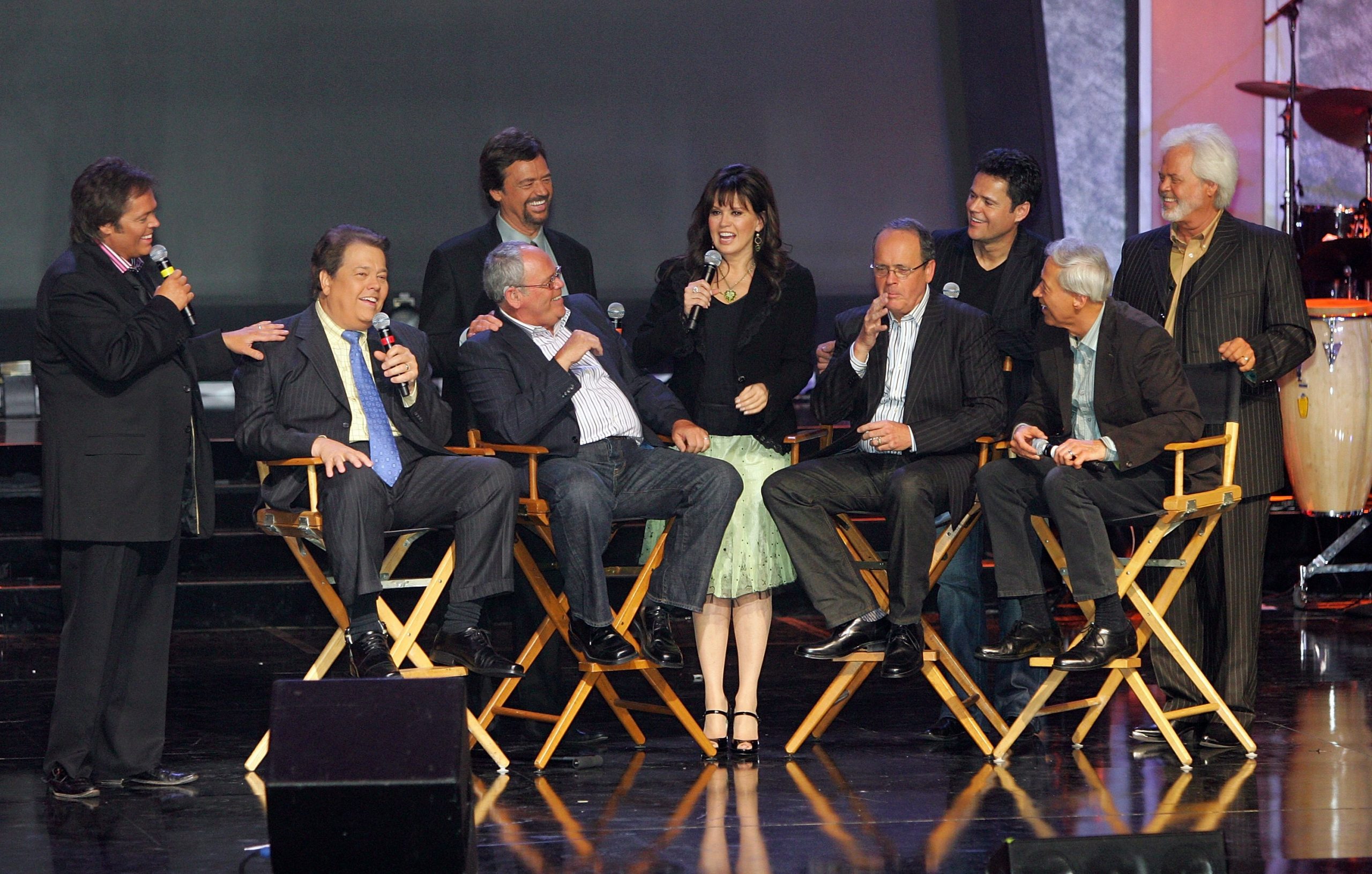
As of 2026, Alan Osmond’s estimated net worth stands between $2 million and $5 million. While this figure is modest compared to the peaks of the Osmond family’s global fame, it reflects a resilient financial journey characterized by high-level television production, enduring music royalties, and strategic pivots following the family’s well-documented historical financial challenges.
Alan Osmond, the eldest of the performing Osmond brothers, has always occupied a unique position within the family’s financial ecosystem. Often described as the "mastermind" or the "architect" of the group, his wealth is not merely a product of stage performances but a result of his extensive work behind the lens as a producer, writer, and business manager. To understand Alan Osmond’s financial profile, one must look past the glittering costumes of the 1970s and examine the structural shifts he made to preserve the Osmond legacy through decades of industry change and personal health battles.
The Foundation of Wealth: The Osmond Brothers Era
The primary engine for Alan Osmond’s initial wealth was the meteoric rise of The Osmonds. Starting as a barbershop quartet on The Andy Williams Show, the group transitioned into a global pop phenomenon in the early 1970s. Alan’s role was foundational; he was the group leader who coordinated rehearsals, choreography, and business negotiations.
During the peak years (1971–1975), the group achieved massive commercial success with hits like "One Bad Apple," "Down by the Lazy River," and "Crazy Horses." Revenue during this era came from three primary streams:
- Record Sales: With 77 gold and platinum records over their career, the mechanical royalties generated from these sales formed a significant portion of Alan’s early net worth.
- Live Touring: The Osmonds were a premier touring act, selling out stadiums globally. At the height of "Osmondmania," the group’s earning power was comparable to that of the Jackson 5 or even the Beatles in specific markets like the United Kingdom.
- Merchandising: The 1970s saw an explosion of Osmond-themed merchandise, from lunchboxes to fan magazines, a market that Alan helped oversee as the group’s de facto leader.
However, the financial profile of Alan Osmond is inextricably linked to the broader family’s financial history. In the late 1970s, the family faced a significant financial crisis. Despite earning tens of millions of dollars, poor investment advice and a commitment to paying back all creditors—rather than declaring bankruptcy—depleted much of the family’s liquid wealth. Alan played a pivotal role in the "recovery era," shifting the family’s focus toward television production to rebuild their capital.
Transition to Production and Osmond Studios
As the "teen idol" phase of the family’s career waned, Alan Osmond demonstrated remarkable financial foresight by moving into the production side of the entertainment industry. This transition is a critical component of his long-term financial stability.
The establishment of Osmond Studios in Orem, Utah, was a landmark business venture. Under Alan’s guidance, the facility became a hub for television production, most notably the Donny & Marie variety show on ABC. By owning the infrastructure and serving as a producer, Alan was able to capture a larger percentage of the "backend" revenue that typically goes to network executives or independent production houses.
His production credits extend beyond family projects. Alan was involved in producing high-profile specials and series, earning him several industry accolades and securing a steady stream of producer fees. This "behind-the-scenes" income is often more durable than performer income, as it relies on intellectual property rights and technical expertise rather than the fluctuating popularity of a stage persona.
The Financial Impact of Health and Advocacy
In 1987, Alan Osmond was diagnosed with Multiple Sclerosis (MS). This diagnosis significantly altered his career trajectory and, by extension, his financial profile. The physical demands of touring became unsustainable, leading him to retire from regular performances earlier than his younger siblings.
While health issues often lead to a decline in net worth due to medical expenses and loss of income, Alan utilized his platform to create new avenues of influence:
- The One Heart Foundation: While primarily a charitable endeavor, his work with foundations bolstered his public profile and kept him active in the philanthropic circuit, which often aligns with high-net-worth networking and legacy building.
- Digital Ventures: Alan was an early adopter of the internet for fan engagement. Through platforms like TheFamily.com, he sought to monetize the Osmond brand in the digital age, focusing on family-friendly content and genealogy.
- Public Speaking: Alan transitioned into motivational speaking, sharing his "The Show Must Go On" philosophy regarding his battle with MS. Corporate speaking engagements in the 1990s and 2000s provided a high-margin revenue stream that compensated for the lack of touring income.
Diversification of Revenue Streams
Alan Osmond’s current financial status is the result of diverse income sources rather than a single "big break." In 2026, his portfolio is characterized by several distinct pillars.
Music Publishing and Royalties
As a songwriter and arranger for many of the group’s hits, Alan continues to receive performance royalties through organizations like ASCAP or BMI. Every time an Osmond song is played on the radio, streamed, or used in a film or television commercial, a portion of the fee is directed to the writers and original performers. Given the enduring nostalgia for 70s pop, these "passive income" streams remain a reliable asset.
Real Estate and Branson, Missouri
The Osmonds were instrumental in the development of Branson, Missouri, as a live entertainment capital. The Osmond Family Theater was a significant investment. While the family eventually moved on from daily operations in Branson, the appreciation of real estate assets and the historical profits from the "theatre years" contributed significantly to Alan’s ability to maintain his lifestyle in semi-retirement.
Media Production Consultant
Even in his later years, Alan has served as a consultant for documentaries, biopics, and musical theater productions based on the family’s life (such as The Osmonds: A New Musical). Consulting fees for legacy projects allow him to leverage his 60+ years of industry experience without the physical toll of active production.
Comparing Financial Roles Within the Osmond Family
To understand Alan's $2M–$5M net worth, it is helpful to compare his financial path with his siblings. While Donny and Marie Osmond have higher individual net worths (estimated in the $18M–$20M range), their wealth is driven by continuous, high-visibility residencies in Las Vegas and solo brand deals.
Alan’s wealth profile is more representative of a "Business Patriarch." He bore the brunt of the management responsibilities during the years the family was repaying their $80 million debt in the late 70s and early 80s. His financial legacy is defined by the fact that he kept the family business solvent during its darkest hours, even if it meant his personal "liquid" net worth remained lower than his more famous younger siblings.
| Income Category | Primary Source | Financial Impact | Status in 2026 |
|---|---|---|---|
| Mechanical Royalties | Record sales (Vinyl, CD, Digital) | Moderate / Consistent | Active / Passive |
| Performance Royalties | Radio, Streaming, TV Sync | High / Recurring | Active / Passive |
| Production Fees | Television and Film producing | High / Historic | Legacy / Consulting |
| Real Estate | Utah and Missouri properties | High / Long-term | Asset-based |
| Public Speaking | Motivational and Health advocacy | Moderate / Direct | Intermittent |
| Literary Rights | Books and Memoirs | Low / Moderate | Passive |
Historical Financial Resilience: The $80 Million Lesson
One cannot discuss Alan Osmond's net worth without mentioning the "Great Osmond Recovery." In the mid-1970s, the family's patriarch, George Osmond, made several ill-fated real estate and stock market investments. Combined with the costs of building their own studio and high overhead, the family found themselves roughly $80 million in debt (in 2026 dollars, this would be significantly higher).
Alan was a key figure in the decision not to file for bankruptcy. The family spent nearly a decade funnelling every dollar earned from touring and TV back into debt repayment. This period explains why Alan's net worth is not in the tens of millions; he spent the prime of his earning years clearing the family's name. This financial integrity is a hallmark of his profile, prioritizing long-term reputation over immediate personal wealth.
Current Lifestyle and Asset Management
In 2026, Alan Osmond resides in Utah, where he maintains a lifestyle focused on family and health. His assets are primarily tied up in:
- Personal Real Estate: High-value property in the Utah valley, which has seen significant appreciation over the last two decades.
- Intellectual Property: Ownership or partial stakes in the "Osmond" trademark and specific production catalogs.
- Private Investments: Conservative portfolios designed to provide a steady draw for retirement and medical care related to his MS.
His financial profile is a testament to "wealth preservation" rather than "wealth explosion." Unlike modern influencers who seek rapid exits, Alan’s financial life has been a marathon of managing a global brand through multiple economic cycles.
Frequently Asked Questions
What is Alan Osmond's main source of income today?
In 2026, Alan’s primary income stems from music royalties and consulting fees. As a songwriter and original member of the Osmonds, he receives "mailbox money" from the global broadcast and streaming of the group’s extensive catalog. He also earns fees as a consultant for Osmond-related media projects.
How did MS affect Alan Osmond’s net worth?
MS impacted his net worth by ending his live performing career prematurely. Tours are historically the most lucrative part of a musician's career. However, it also forced him to diversify into production and speaking, which provided a more sustainable long-term income that did not require the same physical stamina as a world tour.
Did Alan Osmond lose his money in the 1970s?
Alan, along with the rest of his family, saw his personal wealth drastically reduced in the late 1970s due to bad investments managed by family advisors. Rather than keeping his individual earnings, Alan and his brothers contributed their income to pay off the collective family debt, a process that took many years to complete.
Is Alan Osmond the wealthiest member of the family?
No. Donny and Marie Osmond are currently the wealthiest members of the family due to their long-running Las Vegas residencies, talk shows, and consistent solo commercial endorsements. Alan’s wealth is more modest, reflecting his role as a producer and manager rather than a frontline solo star.
Does Alan Osmond still own Osmond Studios?
The original Osmond Studios in Orem, Utah, changed ownership and purpose years ago. While it was a major asset for Alan in the 1970s and 80s, his current financial profile relies more on the intellectual property generated there rather than the physical real estate of the studio itself.
Professional Summary and Next Steps
Alan Osmond’s financial profile serves as a case study in entertainment industry resilience. From the heights of "Osmondmania" to the depths of massive debt, and finally to a stable retirement, his $2M–$5M net worth represents a hard-won victory. For those looking to understand the financial mechanics of a legacy entertainment brand, Alan’s focus on production rights, IP ownership, and debt integrity provides valuable lessons.
Readers interested in the intersection of celebrity and finance should look into the importance of music publishing rights, as Alan’s story highlights how creative credits (songwriting) often provide a longer financial tail than performance fees. For those following the Osmond family specifically, observing how the family continues to monetize their "brand" through musical theater and digital media offers a blueprint for legacy management in the 21st century.