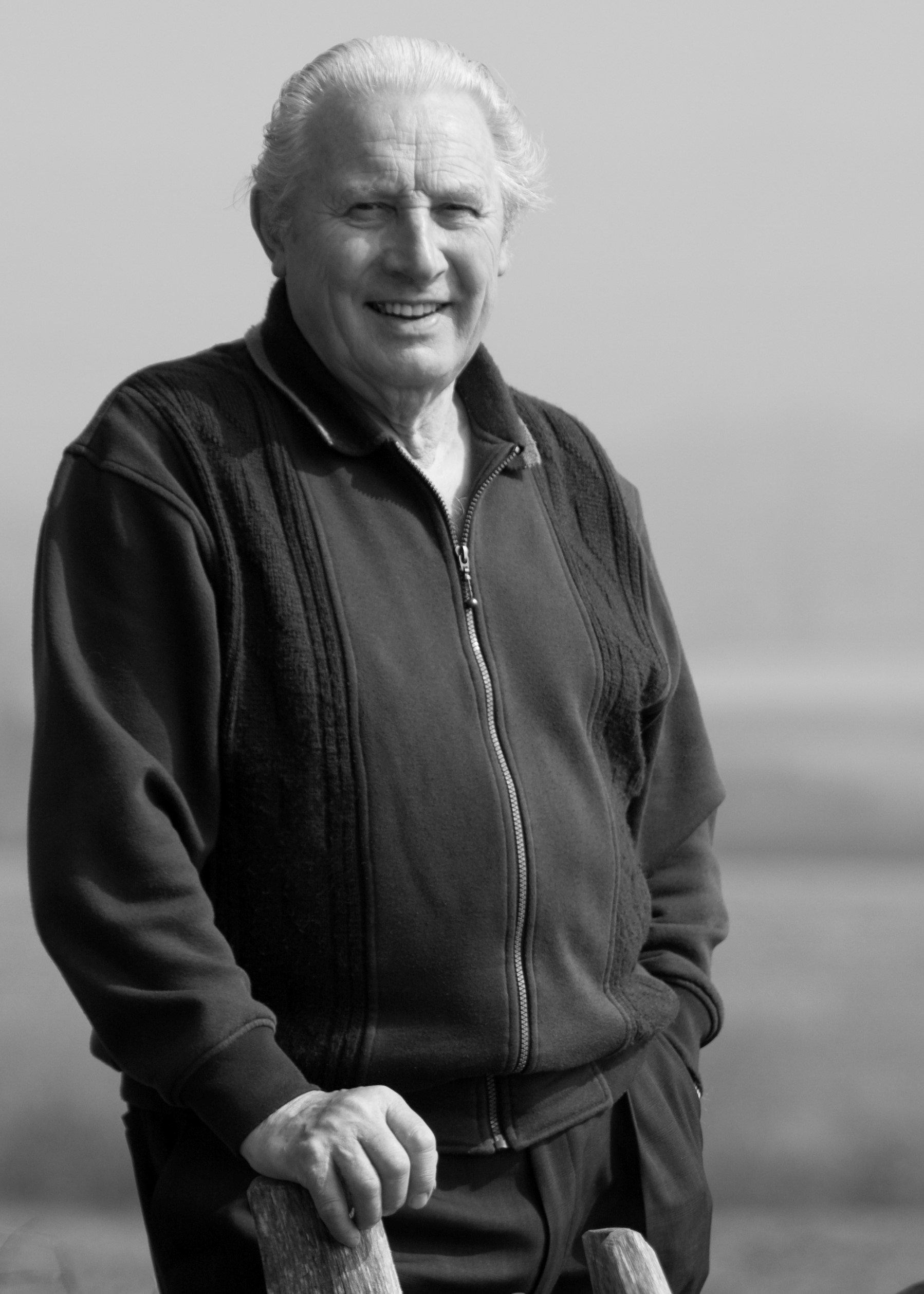
Alan Ball is an Academy Award and Emmy-winning director, writer, and producer who redefined prestige television and modern cinema through his unflinching exploration of the American psyche. Best known for creating Six Feet Under and True Blood, his directorial work is characterized by a unique blend of dark humor, surrealism, and a profound focus on mortality and identity.
The Evolution of a Directorial Voice
Alan Ball’s journey into directing was not a traditional one. While many directors begin their careers behind the lens, Ball established himself first as a formidable voice in the writer's room. His early years in the 1990s were spent navigating the high-pressure world of television sitcoms, including Grace Under Fire and Cybill. These experiences, while often fraught with creative friction, provided Ball with a foundational understanding of character rhythm and the technical mechanics of television production.
However, it was the seismic success of the 1999 film American Beauty, for which Ball wrote the screenplay, that granted him the industry leverage to step into the director’s chair. Though Sam Mendes directed that film, the script’s preoccupation with the rot beneath suburban perfection became the cornerstone of Ball's own directorial identity. He realized that to fully protect the specific, often polarizing tone of his narratives—where tragedy and absurdity coexist—he needed to oversee the visual execution.
By the time he transitioned to directing the pilot of Six Feet Under for HBO in 2001, Ball had developed a philosophy centered on "the uncomfortable truth." He viewed the camera not just as a tool for recording action, but as an empathetic observer of the mundane and the macabre. This shift from writer to director allowed him to maintain a cohesive aesthetic that would eventually define the "Golden Age" of cable television.
Defining the Aesthetic: Six Feet Under and the Art of Mortality
When discussing Alan Ball as a director, the conversation inevitably centers on Six Feet Under. Ball directed several of the series' most pivotal episodes, including the pilot and the series finale. His directorial style in this series established a visual language for grief that was both clinical and deeply emotional.
The Pilot: Setting the Tone
In the series premiere, Ball utilized a specific color palette—cool blues and antiseptic whites—to contrast the clinical reality of the Fisher & Sons funeral home with the vibrant, chaotic lives of the characters. As a director, Ball favored medium shots that allowed the actors room to breathe, emphasizing the space between family members. This spatial awareness became a hallmark of his style, illustrating the emotional distance that often exists within intimate relationships.
The Series Finale: A Masterclass in Visual Narrative
Perhaps the most significant achievement of his directorial career is "Everyone's Waiting," the series finale of Six Feet Under. Directed and written by Ball, the final sequence is widely regarded as one of the greatest moments in television history. Ball’s choice to use a fast-forward montage, showing the eventual deaths of every main character, was a bold directorial move that transcended traditional storytelling. The technical precision of the editing, combined with the deliberate use of natural lighting to signify the passage of time, demonstrated a director in full command of his medium.
Directorial Style and Recurring Techniques
Alan Ball’s directing is rarely about flashy camera movements or overt spectacle. Instead, his technical depth lies in his ability to capture the internal states of his characters. Several key elements define his approach across both television and film:
- Magical Realism and Dream Sequences: Ball frequently uses surrealism to bridge the gap between a character's external reality and their internal turmoil. Whether it is a conversation with a dead relative in Six Feet Under or a dream sequence in Uncle Frank, these moments are directed with the same grounded, matter-of-fact tone as the rest of the scene, making the surreal feel inevitable.
- The "Static" Emotional Frame: Unlike directors who rely on shaky cams or rapid cuts to create energy, Ball often employs static shots during moments of high emotional tension. By forcing the viewer to sit with the characters in a still frame, he heightens the sense of discomfort or intimacy.
- Performative Naturalism: Ball is known as an "actor’s director." He prioritizes performance over technical perfection. He often encourages his cast to find the "ugly" or "awkward" moments in a scene, avoiding the polished, sanitized performances common in network television.
- Critical Social Commentary through Genre: In True Blood, Ball used the trappings of the supernatural genre to direct a series that served as a metaphor for civil rights and societal outsiders. His directorial eye focused on the sensory—the heat of the South, the texture of skin, the visceral nature of violence—to ground the fantasy in a recognizable human reality.
Transitioning to Feature Films: Towelhead and Uncle Frank
While Ball is a titan of television, his work as a feature film director provides a more concentrated look at his thematic interests. His filmography, though smaller than his television output, reveals a director interested in the fringes of American society and the historical weight of secrets.
Towelhead (2007)
In his feature directorial debut, Towelhead (also known as Nothing Is Private), Ball tackled the controversial subject of a young girl’s sexual awakening amidst racial and social tensions during the Gulf War. As a director, he chose a gritty, almost voyeuristic visual style that reflected the protagonist’s loss of innocence. The film was polarizing, but it confirmed Ball’s willingness to use his directorial platform to address topics that most mainstream filmmakers avoid.
Uncle Frank (2020)
Uncle Frank represents a more mature, elegiac side of Ball’s directing. Set in the 1970s, the film follows a gay man (Paul Bettany) returning to his rural Southern home for a funeral. Ball’s direction here is warm and nostalgic, using a golden-hued palette that evokes the era without feeling like a caricature. The film showcases his ability to direct nuanced, period-accurate drama while maintaining his signature focus on the complexities of family dynamics.
Technical Specifications and Directorial Credits
The following table outlines the key directorial projects in Alan Ball's career, highlighting his evolution across different formats.
| Year | Project | Format | Notable Directing Credits | Key Thematic Focus |
|---|---|---|---|---|
| 2001–2005 | Six Feet Under | TV Series | Pilot, "Everyone's Waiting" (Finale), etc. | Mortality, family dysfunction, grief. |
| 2007 | Towelhead | Feature Film | Director/Writer | Sexual awakening, racism, suburbia. |
| 2008–2012 | True Blood | TV Series | Pilot, Season Finales | Sexuality, prejudice, the supernatural. |
| 2018 | Here and Now | TV Series | Creator/Director | Progressive politics, mental health, fate. |
| 2020 | Uncle Frank | Feature Film | Director/Writer | LGBTQ+ identity, Southern tradition, reconciliation. |
The Influence of the "Ball Aesthetic" on Modern TV
By 2026, the influence of Alan Ball’s directorial style can be seen across the landscape of "prestige" streaming content. He was a pioneer in treating television with the same visual and thematic weight as independent cinema. His work paved the way for directors who prioritize tone and atmosphere over traditional plot progression.
The "Ball Aesthetic" involves a specific kind of bravery—the bravery to be weird, to be slow, and to be profoundly sad. Modern series that blend dark comedy with existential dread owe a direct debt to the groundwork Ball laid at HBO. His ability to manage large ensemble casts while giving each character a distinct visual space is a technique now studied in film schools and utilized by contemporary showrunners.
Challenges and Critical Reception
Directing such provocative material has not come without challenges. Ball has frequently faced criticism for his "maximalist" tendencies, particularly in later seasons of True Blood, where some critics felt the visual spectacle overshadowed the character work. Furthermore, his penchant for focusing on dark or taboo subjects has occasionally led to "tonal whiplash," where the transition from comedy to tragedy feels jarring to some audiences.
However, supporters argue that this volatility is exactly what makes his work authentic. Life does not happen in a single genre, and Ball’s direction reflects that messy reality. His critical reception generally remains high, with a consensus that he is one of the few directors capable of making the audience contemplate their own mortality while simultaneously laughing at the absurdity of the human condition.
Essential Questions for Aspiring Directors
For those looking to study Alan Ball’s career, several questions help frame his contribution to the craft:
- How does Ball use the "gaze"? Notice how his camera often lingers on objects or faces just a few seconds longer than expected, creating a sense of psychological depth.
- What is the role of sound design? In Ball’s directed episodes, silence is used as a tool for tension as often as dialogue.
- How does he handle ensemble blocking? Observe how he positions characters in a room to signify power dynamics and emotional alliances without a single word of dialogue.
Frequently Asked Questions
What was Alan Ball's first directing credit?
Alan Ball’s professional directorial debut was the pilot episode of the HBO series Six Feet Under, which aired in 2001. While he had been a highly successful writer and producer prior to this, he took the directorial reins to ensure the series' unique visual tone was established correctly from the start.
How many Emmys has Alan Ball won for directing?
While Alan Ball has won multiple Emmy Awards for his work as a producer and writer, his most notable individual win for directing was the Primetime Emmy for Outstanding Directing for a Drama Series for the Six Feet Under pilot in 2002.
Is Alan Ball still active in the film industry in 2026?
As of 2026, Alan Ball remains a respected elder statesman of the industry. While he has moved toward a more selective "executive producer" role for younger talent, he continues to develop personal projects that align with his interests in identity and social history, often focusing on independent films and limited series.
What makes Alan Ball's directing style unique?
His style is defined by a "fearless intimacy." He is unafraid to show the physical and emotional vulnerabilities of his characters, often using long takes and naturalistic lighting. He also masterfully integrates surrealist elements into realistic settings, a technique that has become a signature of his work.
What is the connection between Alan Ball and HBO?
Alan Ball is one of the foundational creators of the HBO "prestige era." His partnership with the network produced Six Feet Under and True Blood, two of the most successful and critically acclaimed series in the network's history. This relationship allowed him the creative freedom to explore adult themes without the constraints of traditional network censors.
Practical Recommendation for Viewers and Students
To truly understand Alan Ball as a director, start by watching the pilot and the series finale of Six Feet Under back-to-back. These two episodes, both directed by Ball, serve as the "bookends" of his creative philosophy. They demonstrate his growth in technical confidence and his unwavering commitment to his central theme: that life is made meaningful only by the presence of death. For those interested in his feature work, Uncle Frank provides the best contemporary example of his ability to weave personal history into a universal narrative.