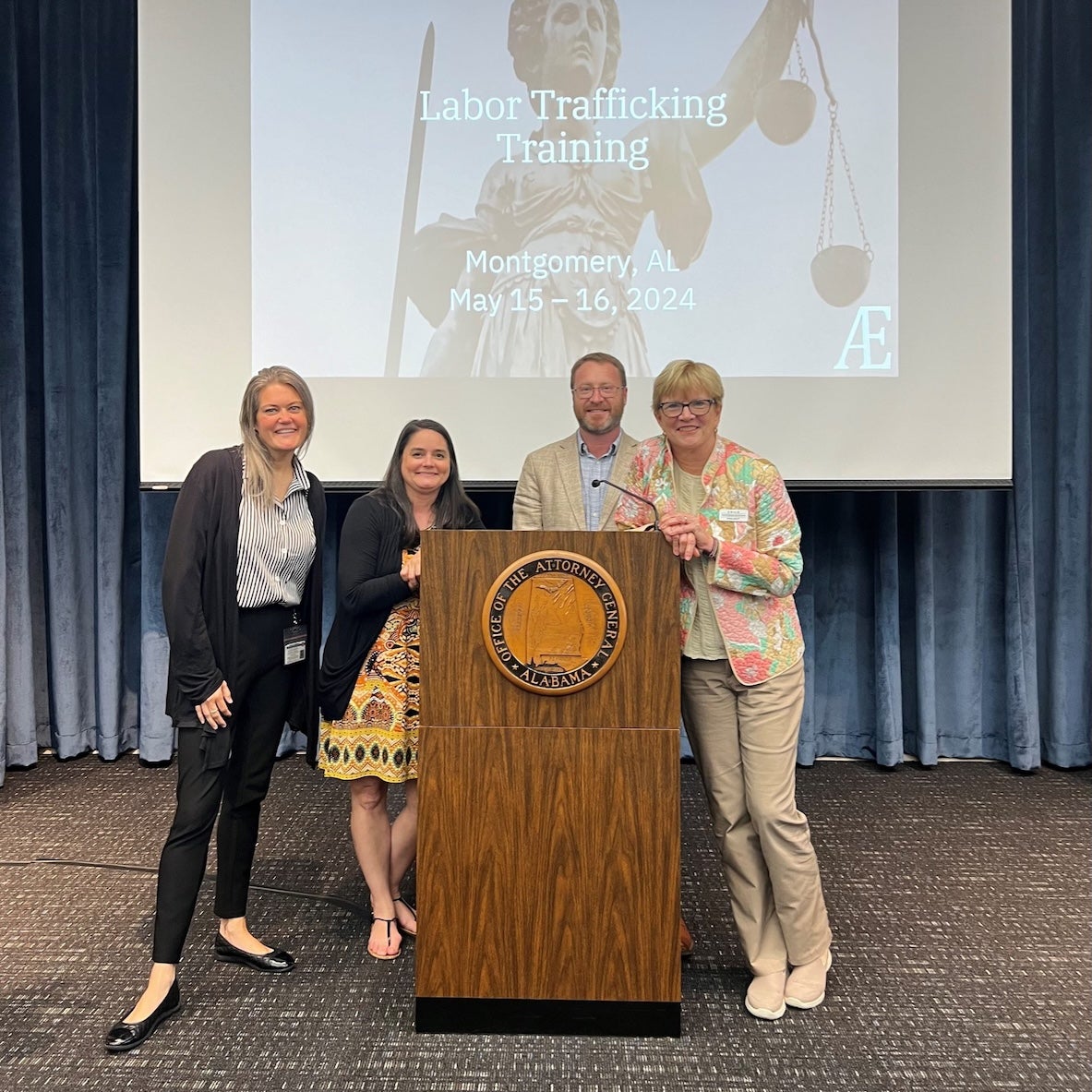
The Alabama Office of the Attorney General serves as the chief legal officer and law enforcement agency for the state, providing vital legal representation to state agencies, prosecuting criminal offenses on appeal, and offering critical resources for consumer protection, public safety, and open government compliance.
Introduction to the Alabama Office of the Attorney General
The Alabama Office of the Attorney General functions as the chief legal and law enforcement officer of the state, holding constitutional and statutory authority under Alabama law. Headquartered in Montgomery, the office represents the State of Alabama in all litigation before the Supreme Court of the United States and the Alabama appellate courts, advises state officers and agencies on legal matters, and enforces state laws to protect the public interest.
For citizens, businesses, and local government entities, understanding the scope, jurisdiction, and services of this office is essential for resolving consumer disputes, reporting fraud, understanding public records laws, and accessing state legal channels. While the office possesses broad powers to uphold state law and protect consumers, it also operates under strict statutory limitations regarding the types of private legal disputes it can intervene in. Navigating these services effectively requires an understanding of how the office is structured, the divisions available to the public, and the precise procedures required to file complaints or request public records.
Core Responsibilities and Constitutional Authority
The Attorney General of Alabama derives authority from the Alabama Constitution and Title 36 of the Code of Alabama. As an elected constitutional officer serving a four-year term, the Attorney General is tasked with safeguarding the legal interests of the state and its citizens.
The responsibilities of the office extend across several major domains:
- State Legal Representation: Serving as legal counsel for state departments, agencies, boards, and commissions, defending state laws in court, and issuing official legal opinions to authorized public officials.
- Criminal Appeals and Prosecution: Handling criminal appeals from convictions in state trial courts to appellate levels, and assisting local district attorneys in specialized prosecutions or multi-jurisdictional criminal investigations when authorized by law.
- Consumer Protection: Enforcing state consumer protection statutes against deceptive trade practices, unfair business methods, and scams targeting Alabama residents.
- Public Safety and Special Investigations: Operating specialized units focused on cybercrime, Medicaid fraud, human trafficking, and environmental protection.
- Open Government Enforcement: Providing guidance and enforcement mechanisms regarding the Alabama Open Meetings Act and the Alabama Public Records Law.
Official Legal Opinions
One of the unique statutory duties of the Alabama Attorney General is issuing written legal opinions to state officers, district attorneys, county governing bodies, and municipal officials. Under Section 36-15-1 of the Code of Alabama, these officials are entitled to request formal opinions on questions of law connected to their official duties.
These opinions carry significant legal weight. While they are not binding judicial decisions, state and local officials who act in good faith reliance upon an official Attorney General opinion are generally protected from personal liability. Citizens and researchers can access past opinions through the searchable database on the official Alabama Attorney General website.
Key Divisions Serving the Public
The Alabama Office of the Attorney General is organized into specialized divisions designed to manage its diverse legal and administrative responsibilities. Several divisions directly interface with the public, offering avenues for assistance, reporting, and compliance.
- ALABAMA OFFICE OF THE ATTORNEY GENERAL
- Consumer Protection
- Deceptive Trade
- Price Gouging
- Scam Reporting
- Special Investigations
- Medicaid Fraud
- Cybercrime & Child Safety
- Open Government
- Open Meetings Act
- Public Records Law
- Compliance Guidance
- Consumer Protection
The Consumer Protection Division
The Consumer Protection Division handles inquiries and complaints regarding unfair or deceptive trade practices, fraudulent business schemes, and consumer rights violations. While the division cannot represent individual consumers in private lawsuits or act as a private attorney, it monitors market trends, investigates patterns of business misconduct, and initiates civil enforcement actions on behalf of the state.
Common issues addressed by this division include:
- Deceptive advertising and false claims.
- Home improvement and contractor fraud.
- Identity theft and financial scams.
- Violations of state telemarketing and do-not-call regulations.
- Price gouging during declared states of emergency.
The Medicaid Fraud Control Unit (MFCU)
Operating with joint federal and state funding, the Medicaid Fraud Control Unit investigates and prosecutes healthcare providers who defraud the Alabama Medicaid program. The unit also investigates allegations of abuse, neglect, and financial exploitation of patients residing in Medicaid-funded nursing homes, board-and-care facilities, and other residential healthcare settings.
Special Investigations and Cybercrime
The office houses investigative personnel who work alongside local, state, and federal law enforcement agencies. These units focus on complex financial crimes, public corruption, human trafficking, and internet crimes against children (ICAC). The cybercrime unit provides technical expertise and investigative support to apprehend individuals who exploit digital networks for criminal activity.
Consumer Complaints and Dispute Resolution
Filing a consumer complaint with the Alabama Office of the Attorney General is a straightforward process, but setting realistic expectations is crucial. The office does not serve as a court of law or a mandatory arbitration service for private contract disputes. Instead, it utilizes consumer complaints to identify systemic business violations and mediate disputes where appropriate.
Step-by-Step Guide to Filing a Consumer Complaint
- Gather Documentation: Collect all relevant paperwork, including contracts, receipts, invoices, canceled checks, written correspondence, emails, and advertisements related to the transaction.
- Attempt Direct Resolution: Before filing a state complaint, attempt to resolve the issue directly with the business owner or customer service department. Keep a detailed log of dates, times, and names of individuals spoken with.
- Access the Official Portal: Visit the official consumer portal on the Alabama Attorney General website to access the online complaint form. Alternatively, consumers can download a printable PDF form to submit via mail.
- Complete the Form: Provide accurate contact information, the legal business name and address of the merchant, a clear chronological summary of the dispute, and copies of supporting documentation.
- Submit and Acknowledge: Submit the complaint. The office reviews submissions to determine whether a violation of state consumer protection laws has occurred. If appropriate, a copy of the complaint may be forwarded to the business with a request for a formal response.
Open Government: Open Meetings and Public Records
Transparency in government is a cornerstone of Alabama law. The Attorney General's office plays a pivotal role in educating public bodies, officials, and citizens about their rights and responsibilities under the Alabama Open Meetings Act (OMA) and the Alabama Public Records Law.
The Alabama Open Meetings Act
The Open Meetings Act governs how governmental bodies conduct public business. It mandates that meetings of executive and legislative boards, commissions, and municipal councils must be open to the public, with specific, narrow exceptions for executive sessions.
The Attorney General provides guidance on:
- Required advance notice for public meetings.
- Proper procedures for entering executive sessions (e.g., discussing pending litigation, real estate transactions, or personnel matters).
- Prohibitions against secret voting or walking quorums.
The Alabama Public Records Law
Under Alabama law, citizens have a general right to inspect and copy public writings, documents, and records maintained by state and local government agencies. While the law presumes that records are open, numerous statutory exceptions exist, including records related to ongoing criminal investigations, tax returns, trade secrets, and specific personnel files.
Citizens encountering improper denials of public records requests or violations of open meeting rules can consult resources provided by the Attorney General's office or seek legal remedies in circuit court.
Comparison of Legal Services and Limitations
Understanding what the Office of the Attorney General can and cannot do prevents misdirected inquiries and ensures citizens utilize the appropriate legal channels.
| Service Category | What the Office Can Do | What the Office Cannot Do |
|---|---|---|
| Private Legal Disputes | Enforce public laws, investigate widespread fraud, and protect collective consumer interests. | Represent individual citizens in private lawsuits, divorces, or landlord-tenant disputes. |
| Legal Advice | Issue official legal opinions to authorized state and local public officers. | Provide private legal advice, counsel, or representation to individual citizens or private businesses. |
| Criminal Law | Handle criminal appeals, prosecute state-level corruption, and assist district attorneys upon request. | Override local district attorneys on routine local prosecutions without proper statutory authority. |
| Consumer Protection | Investigate deceptive trade practices, mediate consumer complaints, and file civil injunctions. | Recover individual monetary damages in every private dispute or act as a private collection agency. |
Frequently Asked Questions
Can the Alabama Attorney General represent me in a private lawsuit against a business?
No. The Attorney General represents the State of Alabama and its agencies, not individual citizens. If you require legal representation in a private dispute, you must hire a private attorney or contact legal aid organizations.
How do I report price gouging during an emergency in Alabama?
When a state of emergency is declared, price gouging statutes prohibit excessive pricing on essential goods and services. You can report suspected price gouging directly through the online complaint portal on the Alabama Attorney General website by providing business details, receipts, and photographic evidence of price discrepancies.
Are Attorney General opinions legally binding?
Official legal opinions issued by the Attorney General provide authoritative guidance to state and local public officials. While they do not carry the formal force of a court ruling, public officials who act in good faith reliance upon these opinions are generally shielded from personal liability.
How do I request a public record from a state agency?
Public records requests should be submitted directly to the custodian of records for the specific state agency, board, or department holding the record. Requests should be made in writing, describing the desired documents with sufficient clarity. If an agency violates the Alabama Public Records Law, guidance can be found through state legal resources.
What should I do if I suspect Medicaid fraud or nursing home abuse?
Suspected fraud within the Medicaid program, or abuse and neglect in nursing home facilities, can be reported confidentially to the Medicaid Fraud Control Unit via phone or through the online reporting mechanisms hosted by the Alabama Attorney General website.
Next Actions and Official Contact
For individuals needing to file a consumer complaint, review official legal opinions, or access public safety resources, the primary point of contact is the official web portal maintained by the state. Always ensure you are utilizing verified government channels ending in .gov when submitting personal information or formal complaints to state authorities.