Al Haymon stands as one of the most enigmatic, disruptive, and influential figures in modern boxing history. Eschewing traditional media interviews, avoiding public spotlights, and operating with a quiet intensity that has earned him both fervent admiration and fierce criticism, Haymon fundamentally transformed how championship-level boxing matches are financed, broadcast, and promoted. By shifting the paradigm from traditional pay-per-view-dependent stables to a platform-agnostic, advisor-driven business model, Haymon altered the leverage balance between fighters, promoters, and networks, permanently reshaping the contemporary boxing landscape.
The Evolution of Boxing Promotion Before Al Haymon
To understand the scale of Al Haymon’s impact on the sport, it is necessary to examine the traditional boxing promotion model that dominated the twentieth century and the early 2000s. Historically, boxing promotion was dominated by powerhouse promoters such as Don King, Bob Arum (Top Rank), and later Oscar De La Hoya (Golden Boy Promotions). These traditional promoters typically locked fighters into long-term, exclusive promotional contracts. In this legacy ecosystem, the promoter acted as the central hub: they organized the events, negotiated site deals, secured television broadcast windows, and managed the fighter's career trajectory.
While this system produced some of the most memorable bouts in sporting history, it also possessed inherent structural conflicts of interest. Traditional promoters often controlled both sides of a major matchup—representing both the A-side and the B-side fighter. This dynamic frequently led to prolonged contractual stalemates, as promoters sought to maximize their own corporate profits rather than ensure that the best fighters squared off against one another. Furthermore, fighters often bore significant financial risks while receiving a smaller percentage of the overall revenue generated by their blood, sweat, and marquee performances.
The Rise of the Boxing Advisor Model
Al Haymon entered the boxing sphere not as a traditional boxing promoter holding a state promoter's license, but as a Harvard-educated music industry manager and business strategist. Having managed successful R&B and hip-hop acts such as MC Hammer, Whitney Houston, and Boyz II Men, Haymon brought a corporate entertainment mindset to a sport notorious for its lack of institutional transparency.
Instead of operating as a traditional promoter who signs fighters to restrictive, multi-fight promotional pacts, Haymon positioned himself primarily as a boxing advisor. Under this framework, fighters would sign management and advisory agreements with Haymon, giving him total control over their business affairs, financial planning, and career direction while retaining independent promotional flexibility. This distinction was crucial: it allowed Haymon to legally bypass certain state regulatory burdens associated with traditional promoters while wielding immense collective bargaining power. By consolidating a massive stable of elite fighters—often numbering over a hundred world-class athletes at a time—Haymon created a unified bloc that could dictate terms to television networks and rival promoters alike.
Premier Boxing Champions (PBC) and the Television Revolution
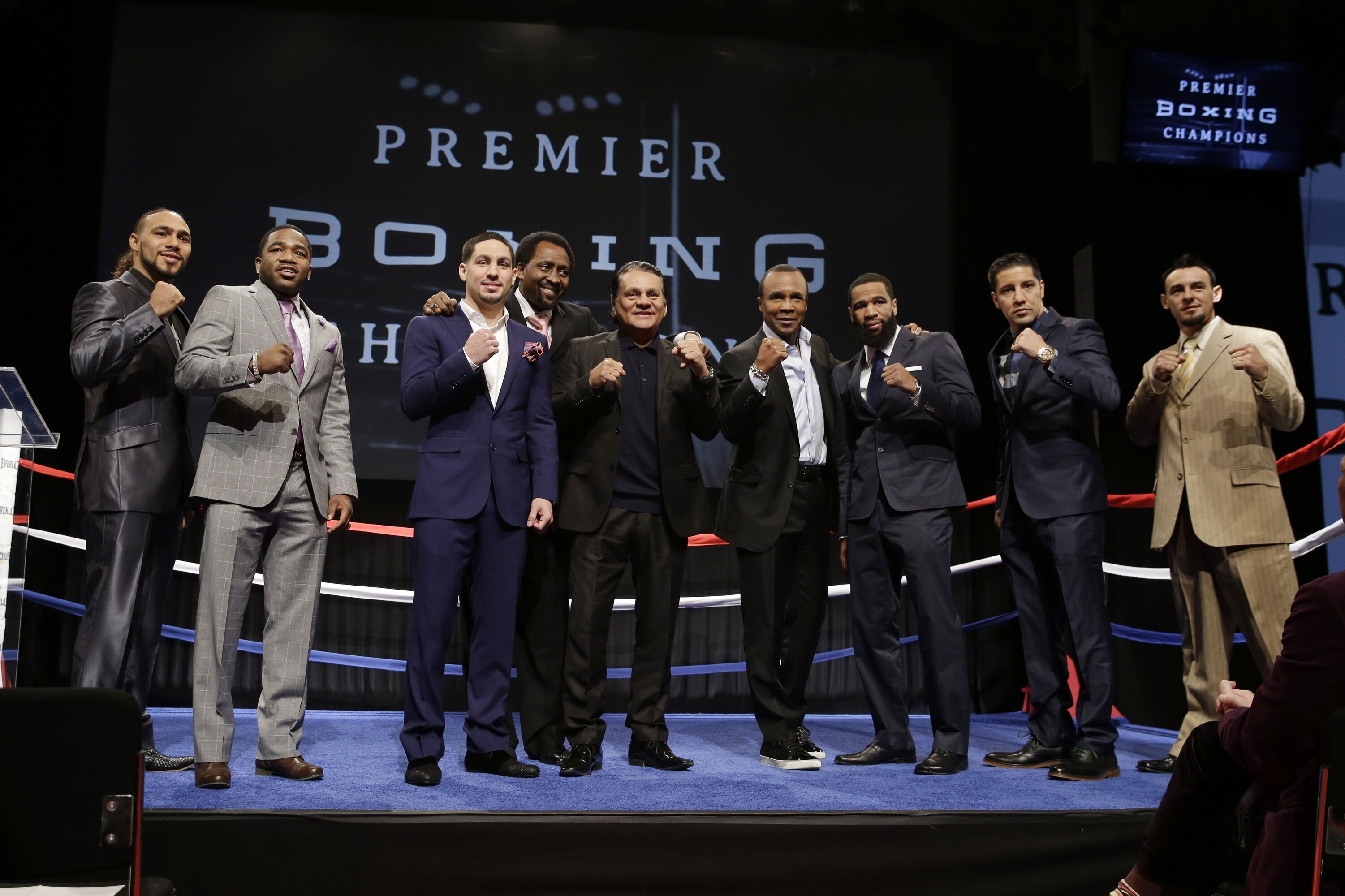
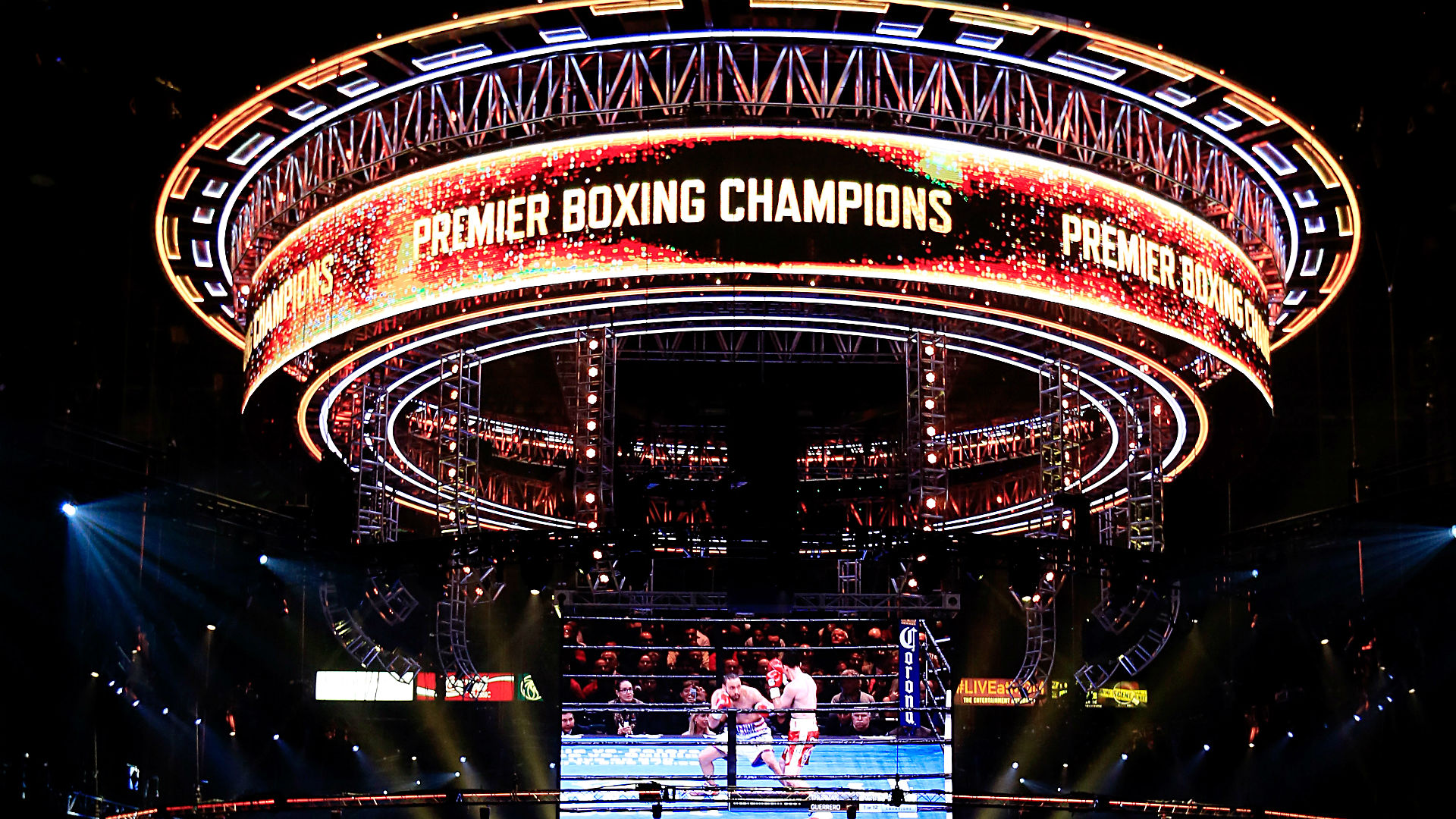
The defining zenith of Al Haymon’s strategy arrived in 2015 with the launch of Premier Boxing Champions (PBC). Financed by private equity and wealthy backers, PBC was designed to take boxing off exclusive, high-cost pay-per-view platforms and return the sport to free-to-air, over-the-air television networks and basic cable.
Haymon struck landmark broadcast agreements with major networks, most notably NBC, CBS, ESPN, and later Fox Sports and Showtime. The core thesis behind PBC was simple yet radical: boxing needed to expand its audience reach beyond hardcore fans who were willing to pay $75 per pay-per-view event. By broadcasting live, competitive championship fights on standard network television during weekend afternoons and prime-time slots, PBC aimed to re-establish boxing as a mainstream American sport.
Financial Mechanics and Industry Disruption
The introduction of PBC injected unprecedented capital into the boxing ecosystem. Fighters signed to Haymon were guaranteed lucrative, multi-fight purses paid directly by the PBC enterprise, shielding them from the financial volatility of ticket sales and gate receipts. This guaranteed-purse model provided unprecedented financial security for elite athletes, allowing them to focus entirely on training rather than worrying about financial survival.
However, this aggressive capital deployment also sent shockwaves through the industry:
- Promotional Rivalries: Traditional promoters like Bob Arum and Golden Boy viewed PBC as an existential threat. The influx of venture capital allowed Haymon to outbid rivals for top-tier talent and secure premium broadcast windows.
- Anti-Trust Lawsuits: The rapid scaling of PBC led to legal challenges. In 2015, Top Rank filed an antitrust lawsuit against Al Haymon, alleging that his exclusive broadcast deals and control over a massive fighter stable violated federal antitrust laws by freezing out competing promoters. The lawsuit was eventually settled out of court, but it underscored the disruptive friction Haymon’s model caused within the industry.
- Over-Saturation and Financial Realities: Producing high-end broadcast productions on major networks proved extraordinarily expensive. As initial television ratings fluctuated and advertising revenues failed to match skyrocketing fighter purses, PBC was forced to scale back its broadcast commitments, eventually migrating heavily toward subscription-based streaming and pay-per-view models via Showtime and Fox Sports PPV.
Comparison of Boxing Promotion Models
| Feature | Traditional Promotion Model (e.g., Top Rank, Golden Boy) | The Al Haymon / PBC Model |
|---|---|---|
| Primary Role | Licensed promoter holding exclusive promotional rights. | Business advisor, manager, and content producer via PBC. |
| Fighter Contracts | Long-term, exclusive promotional agreements tying fighters to a single company. | Advisory agreements with promotional flexibility across various entities. |
| Broadcast Strategy | Heavy reliance on traditional Pay-Per-View (PPV) and HBO/Showtime cable networks. | Initial focus on free broadcast TV (NBC, CBS, Fox), evolving into PPV and premium cable. |
| Financial Structure | Revenue-share based on gate receipts, pay-per-view buys, and sponsorships. | Guaranteed purses funded through private equity and broadcast license fees. |
| Matchmaking Control | Centralized in-house matchmaking between stablemates or aligned partners. | Consolidated negotiation power across multiple promotional banners. |
The Current State and Legacy of Al Haymon in Modern Boxing
As the boxing landscape continues to evolve, Al Haymon’s footprint remains indelible, even as the operational mechanics of his enterprise adapt to shifting media consumption habits. The landscape of the mid-2020s is characterized by unprecedented consolidation, driven heavily by deep-pocketed international investment from entities such as Riyadh Season in Saudi Arabia, which has successfully bridged promotional divides that once seemed impassable.
Despite these new global players, Haymon’s core innovation—recognizing that fighters deserve guaranteed compensation and that the sport's business model required modernization—permanently altered fighter expectations. Top athletes today are far less willing to accept exploitative contracts or gamble their health without substantial financial guarantees, a shift largely catalyzed by the bargaining leverage Haymon historically provided his clients.
Furthermore, Haymon’s insistence on working behind the scenes established a template for modern sports management where the brand of the enterprise or the athlete supersedes the traditional, ego-driven boxing promoter personality of the past. While legendary promoters like Don King loved the microphone and the camera, Al Haymon proved that absolute silence and relentless behind-the-scenes execution could yield even greater commercial power.
Frequently Asked Questions
Who is Al Haymon and why is he important in boxing?
Al Haymon is a Harvard-educated business manager, advisor, and producer who revolutionized boxing by creating Premier Boxing Champions (PBC). He is important because he shifted the industry away from traditional, promoter-centric, pay-per-view-dependent models toward a fighter-advisor framework backed by major television networks and guaranteed purses.
Is Al Haymon a licensed boxing promoter?
Historically, Al Haymon operated primarily as a manager and advisor rather than a licensed boxing promoter in every jurisdiction. By utilizing this distinction, he worked alongside licensed promoters to stage events while maintaining direct advisory control over his fighters' financial and career decisions.
What was Premier Boxing Champions (PBC)?
Premier Boxing Champions is a boxing series and promotional enterprise founded by Al Haymon in 2015. It was created to bring high-level professional boxing back to free-to-air, broadcast television and basic cable networks, expanding the sport's audience beyond traditional pay-per-view subscribers.
How did Al Haymon change how fighters are paid?
Haymon introduced guaranteed purses funded through private capital and broadcast licensing fees. This financial structure protected elite athletes from the revenue volatility of ticket sales and pay-per-view buy rates, ensuring predictable income for championship-level fighters.
What challenges has Al Haymon's model faced?
The PBC model faced significant financial hurdles due to the high costs of broadcast production, fluctuating television ratings, and legal challenges from rival promoters regarding market exclusivity and antitrust concerns. These pressures eventually forced a transition from free broadcast television toward targeted cable, streaming, and pay-per-view partnerships.