AIS (Auto Insurance Specialists) functions as a specialized insurance brokerage that shops multiple high-rated carriers to find competitive renters insurance policies tailored to your specific needs. In 2026, AIS remains a primary resource for tenants seeking to bundle renters and auto insurance, providing essential protection for personal property, personal liability, and additional living expenses through its extensive network of partner insurance companies.
Understanding the AIS Brokerage Model for Renters
To understand AIS renters insurance, one must first distinguish between an insurance carrier and an insurance broker. AIS is not the company that underwrites your policy; rather, it is a brokerage that acts as an intermediary between you and various insurance providers. This distinction is crucial because it defines how you interact with your policy, how your premiums are calculated, and how claims are eventually processed.
When you request a quote through AIS, their agents utilize proprietary software to scan the offerings of numerous partners—such as Mercury Insurance (their parent company), Progressive, Travelers, and Safeco. This model is particularly beneficial for renters who may not have the time to visit ten different websites to compare rates. By providing your information once to AIS, you receive a curated list of options that meet your coverage requirements.
In 2026, the value proposition of a broker like AIS centers on personalized consultation. While direct-to-consumer digital platforms are common, AIS maintains a focus on "specialists" who can explain the nuances of different policy forms. This is especially important as rental markets evolve and landlords increasingly require specific liability limits or "interested party" designations on policies.
Core Coverage Components of an AIS Renters Policy
A standard renters insurance policy (technically known as an HO-4 policy) obtained through AIS typically consists of four primary pillars of protection. Understanding these components in depth ensures you are not underinsured in the event of a total loss.
1. Personal Property Coverage
This is the heart of any renters policy. It protects your belongings—furniture, electronics, clothing, and kitchenware—against "named perils." These perils usually include fire, lightning, windstorm, hail, explosion, riot, aircraft, vehicles, smoke, vandalism, theft, and falling objects.
In 2026, it is vital to distinguish between Actual Cash Value (ACV) and Replacement Cost Value (RCV). AIS specialists typically recommend RCV, as it pays out the amount needed to buy a brand-new version of your items at current market prices, rather than a depreciated value. For example, if a five-year-old laptop is stolen, ACV might only pay $200, whereas RCV would provide the $1,200 required to replace it with a comparable new model.
2. Personal Liability Protection
Liability coverage protects you if someone is injured in your home or if you accidentally damage someone else’s property. This coverage follows you; if you accidentally cause a fire that damages the apartment building, or if your dog bites someone at a local park, your liability coverage is designed to pay for legal defense fees and any settlements or judgments up to your policy limit.
Most landlords in 2026 require a minimum of $100,000 in liability coverage, but AIS often suggests $300,000 or more. Given the rising costs of medical care and legal services, the price difference for higher liability limits is usually negligible—often costing only a few extra dollars per month.
3. Medical Payments to Others
Unlike liability, which requires you to be at fault, medical payments coverage is designed for smaller, "no-fault" injuries that occur on your premises. If a guest trips over a rug and needs stitches, this portion of the policy covers their medical bills directly. This can often prevent a small accident from escalating into a major liability lawsuit. Standard limits for this typically range from $1,000 to $5,000.
4. Loss of Use (Additional Living Expenses)
If a covered peril, such as a fire or significant water damage, makes your rental uninhabitable, Loss of Use coverage pays for the "extra" expenses you incur while living elsewhere. This includes hotel bills, restaurant meals that exceed your normal grocery budget, and even temporary storage fees. In 2026, with the high cost of temporary housing, having a robust Loss of Use limit is a critical safety net.
The Financial Aspect: Costs and Premiums in 2026
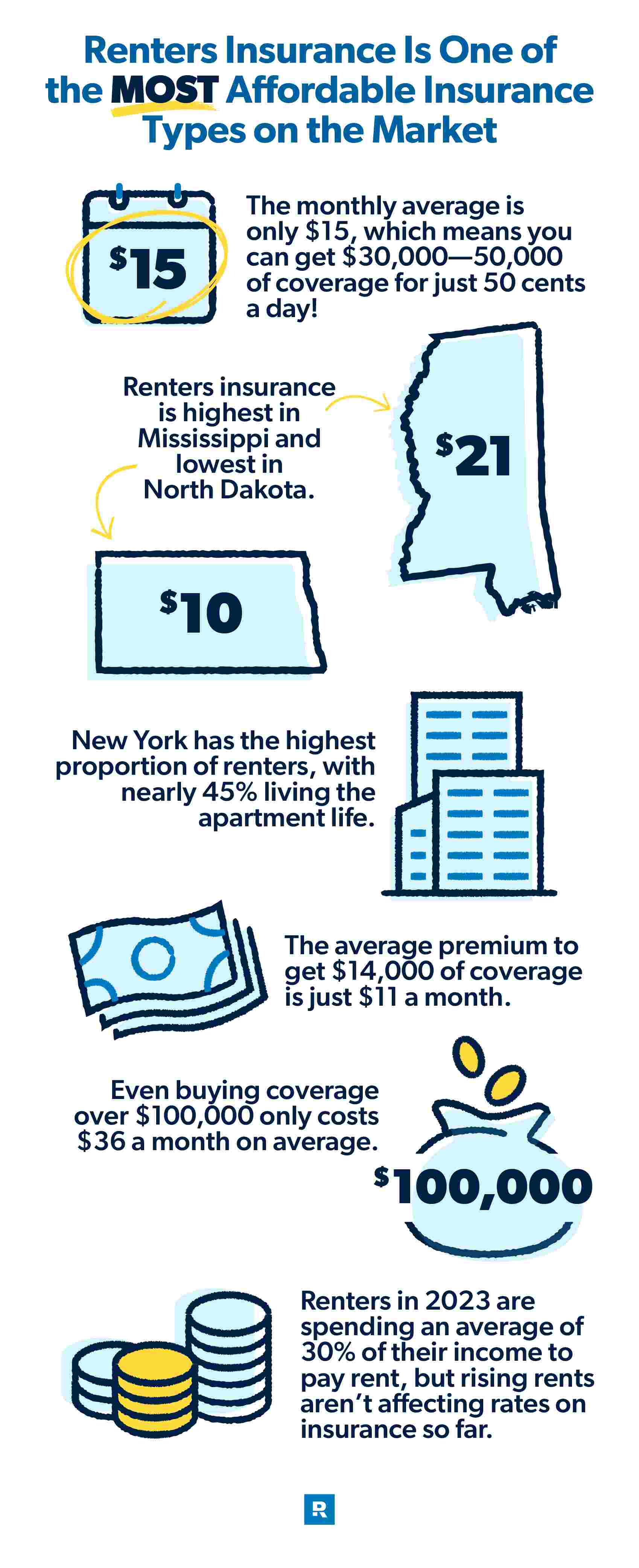
The cost of renters insurance through AIS is influenced by several variables, including geographic location, the age of the building, your claims history, and your credit-based insurance score (where permitted by state law). On average, renters insurance remains one of the most affordable insurance products available.
| Coverage Component | Typical Limit Range | Estimated Monthly Impact |
|---|---|---|
| Personal Property | $15,000 - $50,000+ | $8 - $15 |
| Liability | $100,000 - $500,000 | $2 - $5 |
| Loss of Use | 20% - 40% of Property Limit | Included in base |
| Deductible | $250 - $1,000 | Higher deductible lowers premium |
Note: Estimates are based on 2026 market averages and vary significantly by state and risk profile.
One of the primary drivers of cost is the deductible. This is the amount you agree to pay out of pocket before the insurance company covers the remainder of a claim. Choosing a $1,000 deductible instead of $250 can significantly lower your monthly premium, but you must ensure you have that $1,000 readily available in an emergency fund.
Strategic Bundling and Discounts
The most effective way to lower the cost of renters insurance via AIS is through multi-policy bundling. Because AIS specializes in auto insurance, they are uniquely positioned to find carriers that offer significant discounts when you purchase both auto and renters policies through the same provider.
In 2026, bundling remains a top strategy for consumers. Not only does it reduce the total premium (sometimes making the renters policy feel "free" because of the savings generated on the auto side), but it also simplifies your financial life by consolidating your insurance management under one brokerage.
Other common discounts available through AIS partners include:
- Protective Devices: Discounts for smoke detectors, fire extinguishers, deadbolt locks, and monitored security systems.
- Claims-Free History: Lower rates for tenants who haven't filed a claim in the last three to five years.
- Paperless Billing: Small discounts for opting into electronic statements and automatic payments.
- Profession-Based Discounts: Certain carriers offer lower rates for educators, first responders, or healthcare workers.
Important Policy Exclusions and Limitations
While renters insurance is comprehensive, it is not "all-risk." There are specific events that standard policies do not cover. Understanding these exclusions is vital to avoid surprises during a catastrophic event.
- Floods: Standard renters insurance does not cover damage from natural floods (rising water from outside). This requires a separate policy through the National Flood Insurance Program (NFIP) or a private flood insurer.
- Earthquakes: In states like California or Washington, earthquake damage is excluded. You must add an earthquake endorsement or purchase a separate policy.
- Pests: Damage from bedbugs, rodents, or termites is considered a maintenance issue and is not covered.
- High-Value Items: Standard policies have "sub-limits" for specific categories. For example, a policy might only cover up to $1,500 for jewelry or $2,500 for business equipment. If you own an engagement ring worth $10,000, you will need to "schedule" that item—providing an appraisal and paying a specific additional premium for it.
For a detailed look at flood insurance requirements, you can visit the Official NFIP Website.
The Application and Claims Process
The process of securing a policy through AIS in 2026 has been streamlined through digital integration, yet it still retains the option for human interaction.
Step 1: Information Gathering
You will need to provide your address, the approximate value of your belongings, and details about the rental property (e.g., number of units in the building, proximity to a fire hydrant).
Step 2: Customization
An AIS specialist will help you determine if you need additional coverage for electronics, home office equipment (essential in the remote-work era of 2026), or specific liability endorsements for pets.
Step 3: Comparison and Binding
Once AIS presents the quotes, you select the policy that fits your budget and coverage needs. You can often "bind" the coverage immediately, and AIS will send the proof of insurance directly to your landlord or property management company.
Step 4: Managing a Claim
If a loss occurs, you generally contact the underlying insurance carrier directly (e.g., Mercury or Travelers) to initiate the claims process. However, AIS serves as an advocate. If you encounter issues with the carrier's response time or the adjustment of the claim, your AIS agent can often provide guidance or intervene on your behalf.
For data on insurance company complaint ratios and financial stability, the National Association of Insurance Commissioners (NAIC) provides extensive resources.
Why Use a Broker Like AIS?
The primary advantage of using AIS for renters insurance is market access. An individual consumer can only visit so many websites in an afternoon. AIS uses its institutional relationships to access rates that may not always be as easily visible to the general public.
Furthermore, as the insurance market becomes more complex with climate-related risks and changing regulations, having a specialist who understands the "fine print" is invaluable. AIS agents can explain the difference between "named perils" and "special form" coverage, ensuring that you aren't just buying the cheapest policy, but the right one.
Frequently Asked Questions
Does AIS renters insurance cover my roommate's stuff?
Generally, no. Standard renters insurance policies only cover the named insured and any related residents (like a spouse or children). Unrelated roommates typically need to purchase their own individual policies to ensure their personal property and liability are protected. Sharing a policy is sometimes possible if both names are listed, but it can lead to complications during claims or if one person moves out.
Will my policy cover my belongings if I am traveling?
Yes. Most renters insurance policies found through AIS provide "off-premises" coverage. This means your belongings are covered anywhere in the world, though often at a reduced limit (typically 10% of your personal property limit). If your suitcase is stolen from a hotel room in Europe, your renters insurance can help reimburse you for the loss.
Is pet damage covered under the liability section?
Liability coverage usually applies to bodily injury or property damage caused by your pet to others (such as a dog bite). However, it does not cover damage your pet does to the apartment you are renting, such as scratching floors or staining carpets. That type of damage is typically handled through your security deposit with the landlord. Some insurers also have breed restrictions, so it is important to disclose your pet type to your AIS agent.
How do I estimate the value of my personal property?
The most effective way is to conduct a home inventory. Walk through each room with a smartphone and record a video of your belongings, opening drawers and closets. For major items like furniture and electronics, try to note the brand and approximate purchase date. In 2026, many apps exist to help you catalog these items and store the data in the cloud. Most people underestimate the value of their "small" items like clothes and kitchenware, which can easily total thousands of dollars.
Can I cancel my AIS policy if I move?
Yes. Renters insurance is usually very flexible. If you move to a new rental, you can often transfer the policy to your new address, though the premium may change based on the new location's risk profile. If you buy a home, you would cancel the renters policy and transition to a homeowners policy, which AIS can also facilitate.
Final Recommendation
For those living in rental properties in 2026, AIS renters insurance offers a balanced approach between digital speed and expert consultation. If you already have an auto insurance policy, your first step should be to contact AIS for a bundle quote. The potential savings on your car insurance often offset a significant portion of the renters insurance premium, making it an essential and affordable protective measure for any tenant. Before signing, ensure you have opted for Replacement Cost Value for your belongings and have at least $300,000 in personal liability to safeguard your financial future.