The Airport Authority of The Bahamas is the statutory body responsible for the management, operation, and security of major aviation gateways across the Bahamian archipelago. Established under the Airport Authority Act of 1994, it oversees the safety of the Lynden Pindling International Airport (LPIA) and the ongoing modernization of the Family Island airport network through strategic public-private partnerships.
The Statutory Mandate and Mission
The Airport Authority of The Bahamas (AA) operates as a corporate entity under the jurisdiction of the Ministry of Tourism, Investments and Aviation. Its creation in 1994 marked a significant shift in Bahamian aviation policy, moving from direct departmental oversight to a more structured, corporate approach to airport management. The primary mandate of the Authority is to provide safe, efficient, and commercially viable airport services that comply with international standards.
The Authority’s mission is centered on the implementation of the Airport Authority Act, which empowers it to own, manage, and operate airports. While its most visible role is in the capital, Nassau, its reach extends to the various "Family Islands," where it ensures that infrastructure keeps pace with the demands of the tourism sector and the needs of local residents. In the context of 2026, the Authority has shifted its focus heavily toward the "Family Island Airport Renaissance Project," an initiative designed to upgrade over a dozen airports to accommodate larger aircraft and increased passenger volumes.
Beyond mere operations, the Authority serves as the employer for hundreds of security professionals and administrative staff. It acts as a bridge between the central government’s policy goals and the technical requirements of the Civil Aviation Authority Bahamas (CAAB), which serves as the independent regulator. Understanding this distinction is crucial: the Airport Authority is the operator and service provider, while the CAAB is the enforcer of aviation laws and safety regulations.
Management of Lynden Pindling International Airport (LPIA)
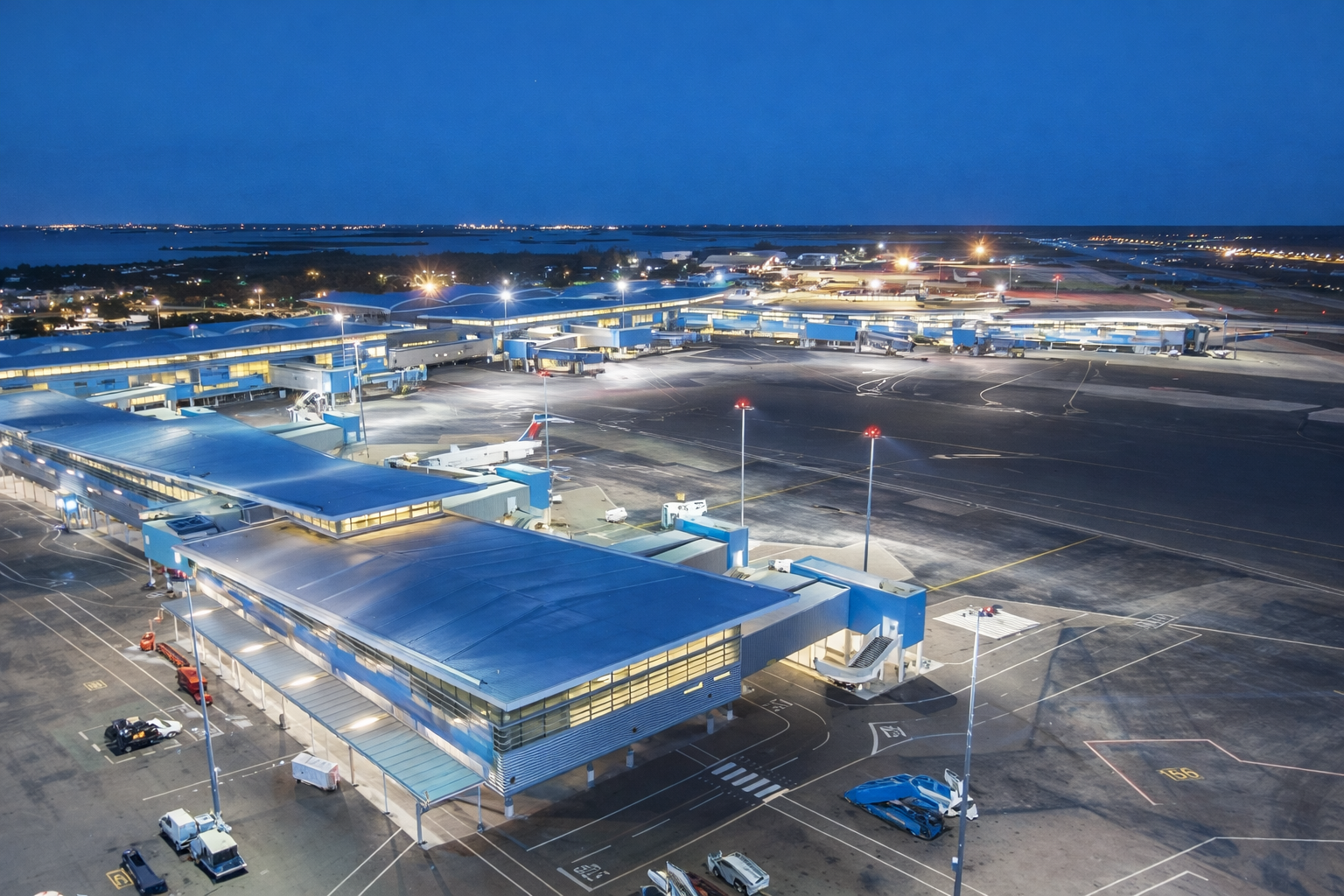
Lynden Pindling International Airport, located in Nassau, is the primary international gateway to The Bahamas and the busiest airport in the country. While the Airport Authority owns the land and the assets, the day-to-day management of LPIA is executed through a long-term contract with the Nassau Airport Development Company (NAD).
NAD is a Bahamian company owned by the Airport Authority but managed under a management agreement with Vantage Airport Group. This unique arrangement allows the Authority to maintain sovereign control over the asset while benefiting from the private sector's operational expertise and global best practices. As of 2026, this partnership remains a cornerstone of the Bahamian aviation strategy, ensuring that LPIA maintains its status as a world-class facility with US Pre-clearance capabilities.
The Airport Authority’s role at LPIA specifically focuses on:
- Aviation Security: Providing the personnel and equipment for passenger and baggage screening via the Airport Security Unit (ASU).
- Asset Oversight: Monitoring the performance of NAD to ensure the airport meets the socio-economic goals of the government.
- Regulatory Compliance: Coordinating with international bodies like the International Civil Aviation Organization (ICAO) to ensure LPIA remains a safe port of entry.
The Family Island Airport Renaissance Project
One of the most ambitious undertakings of the Airport Authority in recent years is the redevelopment of the Family Island airports. Recognizing that the centralization of tourism in Nassau was a bottleneck for national growth, the government launched a $260 million-plus initiative to upgrade 14 airports across the islands.
In 2026, many of these projects have transitioned into their operational phases under Public-Private Partnership (PPP) models. These partnerships involve private developers who design, build, finance, and operate the terminals, while the Airport Authority retains ownership and provides security oversight.
Key Development Locations
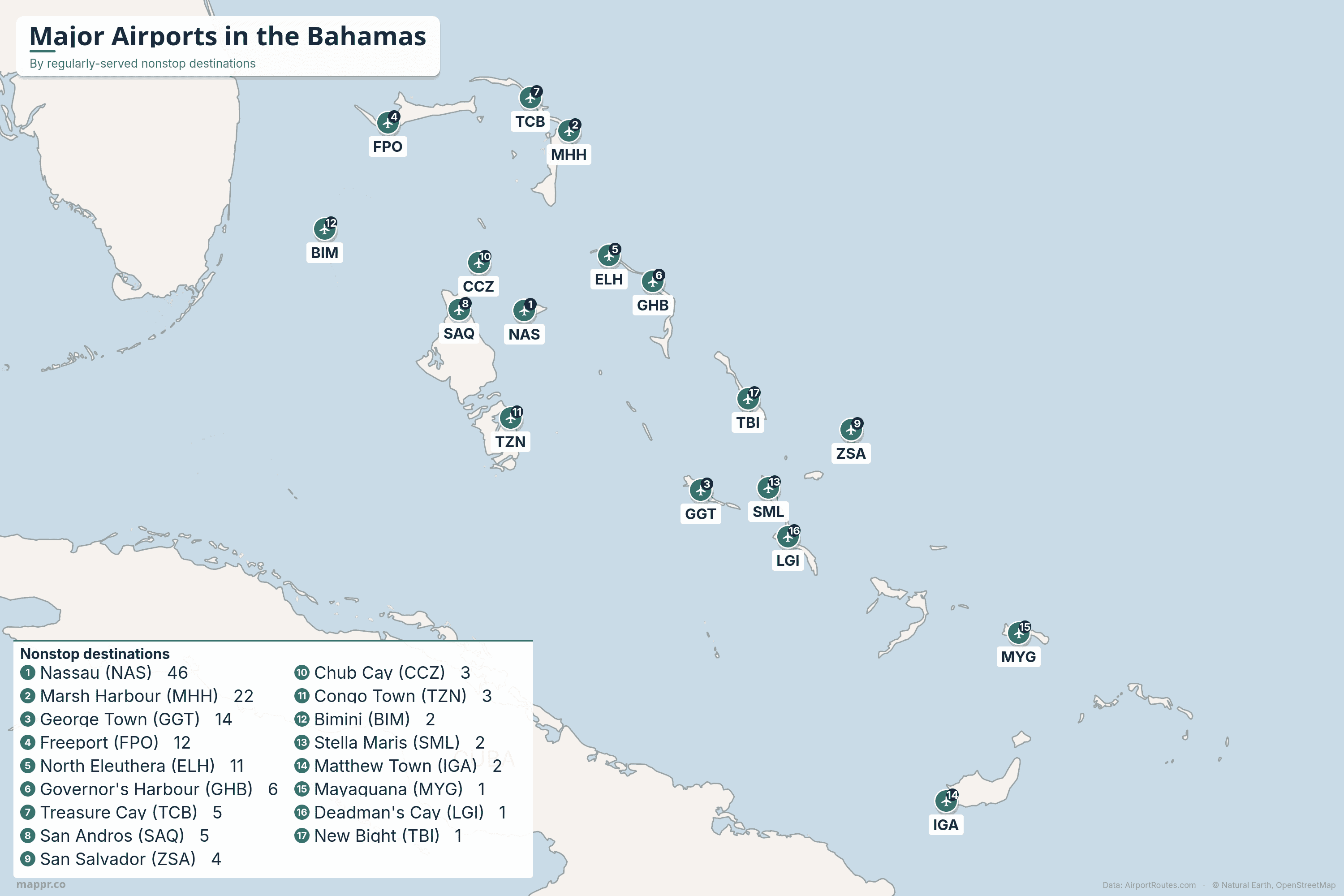
- Exuma International Airport (GGT): As a regional hub, Exuma has seen a total overhaul of its terminal and airside infrastructure to support direct flights from major US and European markets.
- North Eleuthera Airport (ELH): Known for its high-net-worth traveler demographic, this facility has been upgraded to improve the flow of passengers between the airport and the nearby islands of Harbour Island and Spanish Wells.
- Leonard M. Thompson International Airport (MHH): Located in Marsh Harbour, Abaco, this airport was a priority for the Authority following the devastation of Hurricane Dorian, focusing on resilience and expanded cargo capacity.
- Grand Bahama International Airport (FPO): While Grand Bahama has a complex history regarding ownership, the Airport Authority has been instrumental in the 2025–2026 redevelopment phase, aiming to restore the island’s status as a premier aviation hub.
Aviation Security and the Airport Security Unit (ASU)
The Airport Security Unit (ASU) is perhaps the most critical department within the Airport Authority. Its officers are responsible for the front-line defense of the nation’s borders within the terminal environment. The ASU operates under the strict guidelines of ICAO Annex 17, which dictates the international standards for safeguarding civil aviation against acts of unlawful interference.
Security Responsibilities
The ASU’s duties include passenger screening, checked baggage inspection, and the protection of "sterile areas" within the terminal. They utilize advanced technology, such as Computed Tomography (CT) scanners and Explosive Trace Detection (ETD) systems, which became standard across major Bahamian hubs by 2025.
Security at Bahamian airports is multi-layered. For travelers heading to the United States, the security protocols must also satisfy the requirements of the Transportation Security Administration (TSA) due to the US Pre-clearance facilities at LPIA and Grand Bahama. This means the Airport Authority must maintain a high level of training and certification for its officers to ensure that the Pre-clearance privilege—which allows travelers to bypass customs upon arrival in the US—is never jeopardized.
Training and Standards
The Authority maintains an internal training department that conducts regular drills and certification programs. These programs cover:
- Detection of prohibited items and hazardous materials.
- Emergency response coordination with the Royal Bahamas Police Force and Royal Bahamas Defence Force.
- Customer service training, recognizing that security personnel are often the first and last point of contact for tourists.
Airport Fees and Revenue Models
To maintain infrastructure and pay for security services, the Airport Authority oversees a complex structure of fees and charges. These fees are essential for the self-sustainability of the aviation sector, reducing the burden on the national treasury.
| Fee Category | Applicable To | Purpose |
|---|---|---|
| Security Fee | All departing passengers | Funding the Airport Security Unit personnel and equipment. |
| Passenger Facility Charge (PFC) | Departing international passengers | Used for capital improvements and debt servicing for terminal builds. |
| Landing Fees | Commercial and private aircraft | Charged based on the Maximum Take-Off Weight (MTOW) of the aircraft. |
| Parking Fees | Aircraft staying over 2 hours | Covers the use of ramp space and overnight storage. |
| Terminal Fees | Airlines and charter operators | Rent for check-in counters, gate usage, and administrative offices. |
In 2026, the fee structure remains competitive with other Caribbean destinations. The Authority has moved toward a more digitalized collection system, integrating fees directly into ticket prices for commercial airlines and utilizing an online portal for private aviation operators to pay landing and parking fees in advance.
Careers and Employment with the Airport Authority
The Airport Authority is one of the larger government employers in The Bahamas. Career opportunities range from administrative roles in finance and human resources to technical positions in aviation security and facilities maintenance.
Joining the Airport Security Unit
The most common entry point for employment is the ASU. Applicants must typically be Bahamian citizens, possess a clean police record, and have a high school diploma or equivalent. Successful candidates undergo a rigorous training program that includes physical fitness assessments and technical exams on aviation security law.
Professional Development
The Authority emphasizes upward mobility. Employees are often sponsored for international certifications through organizations like the Airports Council International (ACI) and ICAO. By 2026, the Authority has established a "Leadership in Aviation" program to prepare younger Bahamians for management roles within the Family Island PPP projects.
Traveler Guidelines and Prohibited Items
For the average traveler, interacting with the Airport Authority primarily happens at the security checkpoint. To ensure a smooth process, the Authority publishes updated guidelines on what is permitted in the cabin versus checked luggage.
- Liquids, Aerosols, and Gels (LAGs): The "3-1-1" rule generally applies for international flights, although newer scanners at LPIA have started to allow larger volumes in some lanes.
- Prohibited Items: Sharp objects, firearms (unless properly declared and permitted), and flammable materials are strictly prohibited. The Authority works closely with the Bahamas Customs Department to monitor the export of restricted local items, such as certain marine products.
- Arrival Times: For international flights from LPIA, the Authority recommends arriving at least three hours before departure, especially during peak travel windows (11:00 AM to 3:00 PM), to account for security and US Pre-clearance processing.
Current Infrastructure Status (2026)
As of 2026, the landscape of Bahamian airports has been significantly altered by the completion of several key phases of the National Airport System Plan. The following table highlights the status of major airports under the Authority’s purview.
| Airport Name | IATA | Current Status (2026) | Recent Upgrade |
|---|---|---|---|
| Lynden Pindling International | NAS | Fully Operational | Smart-gate immigration kiosks installed. |
| Exuma International | GGT | Expanded Hub | New 60,000 sq. ft. terminal completed. |
| North Eleuthera | ELH | PPP Managed | New runway lighting and terminal expansion. |
| Grand Bahama International | FPO | Redeveloped | Restored international terminal and pre-clearance. |
| Leonard M. Thompson | MHH | Operational | Enhanced solar-power integration for resilience. |
| San Salvador International | ZSA | Operational | Runway resurfacing to accommodate larger jets. |
Frequently Asked Questions
What is the difference between the Airport Authority and the Civil Aviation Authority?
The Airport Authority of The Bahamas is the entity that operates and manages the airports and provides security services. The Civil Aviation Authority Bahamas (CAAB) is the regulatory body that creates the rules, issues pilot licenses, and ensures that the Airport Authority and all airlines comply with safety laws. One runs the airports; the other watches over the entire industry to ensure safety.
Does the Airport Authority manage all airports in The Bahamas?
The Authority has direct oversight or ownership of the major state-owned airports. However, there are several private airstrips on various cays that are managed by private island owners. Additionally, while the Authority owns LPIA, it is managed by the Nassau Airport Development Company (NAD). Most large public airports on the Family Islands fall under the Authority’s jurisdiction, often managed through PPP agreements.
How can I report a lost item at a Bahamian airport?
If an item is lost at a security checkpoint, it is usually handled by the Airport Authority’s security office. If an item is lost in the general terminal or on an aircraft at LPIA, you should contact the NAD Lost and Found office or the specific airline. For Family Island airports, travelers should contact the Airport Manager’s office at that specific location.
Are there specific security fees for private pilots?
Yes, private pilots are subject to landing, parking, and security fees. These fees vary based on the weight of the aircraft and the specific airport. By 2026, the Airport Authority has streamlined these payments through an online portal, allowing pilots to settle their accounts before they arrive or depart, facilitating a quicker turnaround.
What are the requirements for working as a security officer at the Airport Authority?
Applicants must be Bahamian citizens, usually between the ages of 18 and 40 for initial entry, with a high school diploma (BGCSEs preferred). They must pass a background check, a medical exam, and a drug test. Once hired, they must complete a multi-week training course and pass a certification exam administered by the Authority’s training division.
Recommendation for Travelers and Operators
For those traveling through or operating within the Bahamian aviation system in 2026, the best course of action is to stay informed through official channels. Travelers should download the mobile apps for LPIA or specific Family Island hubs to receive real-time updates on security wait times and terminal changes. Private operators and stakeholders should ensure they are registered with the Airport Authority’s digital portal to manage fees and stay updated on regulatory changes. As the Family Island infrastructure continues to evolve, checking the specific facility capabilities—such as fuel availability and runway lengths—is essential for any flight planning.