In the United States, most major commercial airlines—including United Airlines, American Airlines, Delta Air Lines, and Southwest Airlines—allow the transport of prisoners under strict federal regulations. These operations are conducted exclusively by law enforcement agencies in compliance with TSA and FAA mandates, requiring armed escorts, specific seating at the rear of the aircraft, and advance notification to the air carrier.
The transport of prisoners via air is a highly specialized logistical operation governed by federal law, specifically Title 49 of the Code of Federal Regulations (CFR). While the general public rarely notices these transfers, they are a daily occurrence across the U.S. aviation network. This guide explores the airlines that permit these transfers, the legal requirements for agencies, and the operational differences between commercial flights and specialized government services like the Justice Prisoner and Alien Transportation System (JPATS).
Legal Framework and TSA Regulations for In-Flight Prisoner Transport
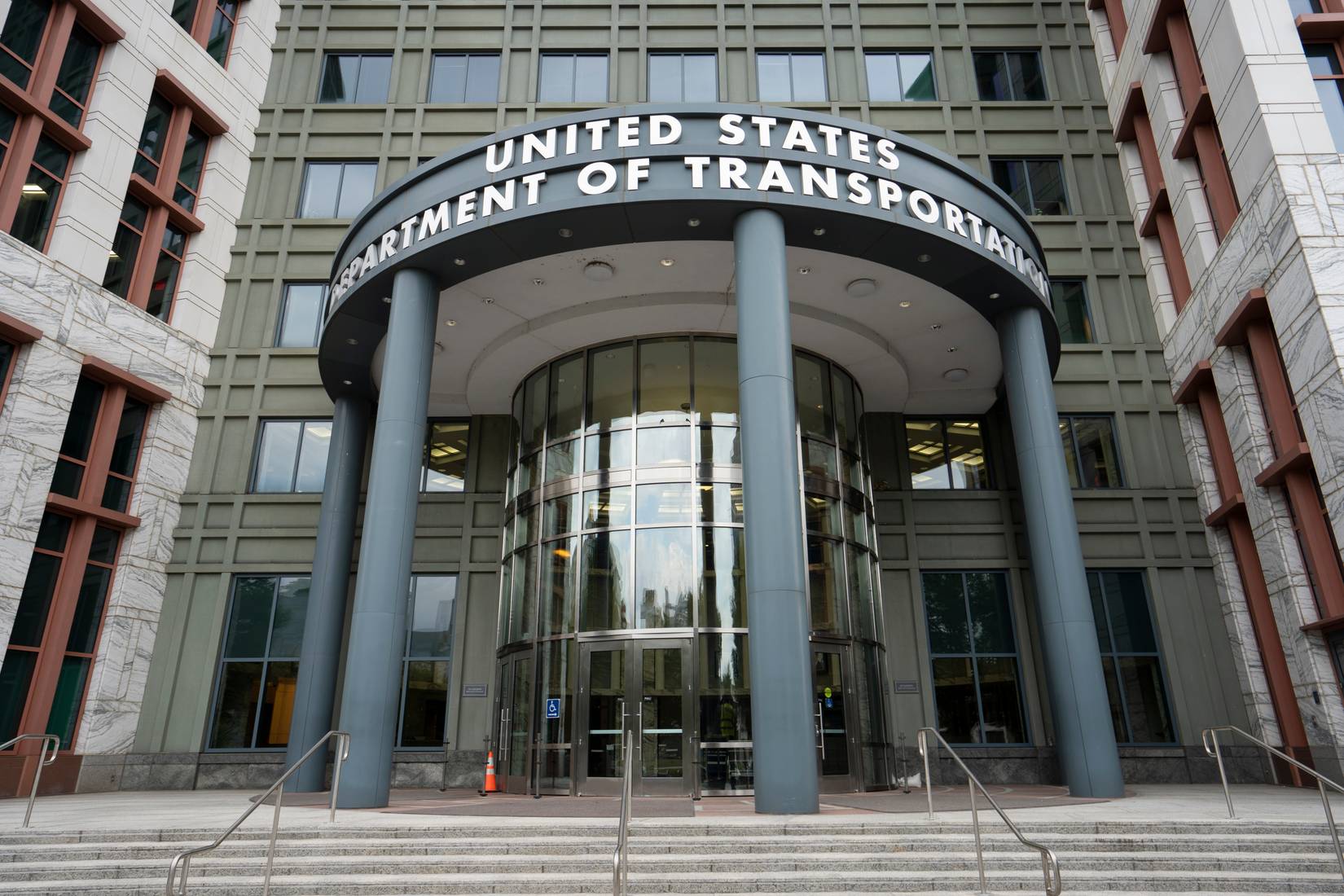
The authority to transport prisoners on commercial aircraft is not granted by the airlines themselves, but rather regulated by the Transportation Security Administration (TSA) and the Federal Aviation Administration (FAA). As of 2026, the foundational regulation remains 49 CFR § 1544.221, which outlines the mandatory security procedures that every "aircraft operator" must follow when a person in the custody of law enforcement is on board.
Title 49 CFR § 1544.221 Explained
This federal regulation distinguishes between "low-risk" and "high-risk" prisoners. A low-risk prisoner is generally someone who has not demonstrated a history of violence or escape attempts during transit. A high-risk prisoner is someone who is considered a significant flight risk or a danger to themselves and others.
For a low-risk prisoner, the regulation typically requires one armed law enforcement officer for a flight lasting less than four hours. For flights longer than four hours, two armed officers are required. In contrast, a high-risk prisoner requires a minimum of two armed officers at all times, and most commercial airlines are restricted to carrying only one high-risk prisoner per flight. This limitation ensures that the flight crew and federal air marshals can maintain control of the cabin environment without being overwhelmed by multiple high-threat individuals.
The Role of the Transportation Security Administration (TSA)
The TSA’s role is to verify the credentials of the law enforcement officers (LEOs) who are "flying armed." Before boarding, officers must present a formal notification to the airline, often referred to as a "Letter of Authority" or via the digital LEO Flying Armed verification system. As of 2026, many of these processes have been digitized to allow for real-time verification of badges and credentials against federal databases. The TSA ensures that the prisoner has been screened for prohibited items, though the screening process for prisoners is often conducted in a sterile, non-public area of the airport to maintain security and privacy.
Major Commercial Airlines Participating in Prisoner Transport
Most "legacy" carriers and major low-cost carriers in the U.S. participate in prisoner transport because they are categorized as Part 121 air carriers, which are required to comply with federal transport mandates if they choose to accept government contracts.
United, American, and Delta Air Lines
United, American, and Delta are the primary choices for long-haul interstate prisoner transfers. These airlines have robust "Government and Military Relations" departments that handle the logistics of these bookings. Law enforcement agencies typically book these seats through specialized portals or government travel agencies rather than standard consumer websites.
These carriers require that the prisoner and their escorts board the plane before all other passengers (pre-boarding) and deplane only after all other passengers have exited (post-deplaning). This "first in, last out" rule minimizes the prisoner’s exposure to the general public and reduces the risk of an incident in the jet bridge or gate area.
Southwest Airlines and Regional Carriers
Southwest Airlines also facilitates prisoner transport, though its "open seating" policy presents a unique logistical challenge. To comply with federal law, which requires prisoners to be seated in the rear-most available seats and not in an exit row, Southwest agents must block off the back rows of the aircraft before general boarding begins.
Regional carriers like SkyWest, Republic, and Envoy—which operate as United Express, American Eagle, or Delta Connection—also allow prisoner transport. However, because these aircraft are smaller (often CRJ or ERJ models), the proximity between the prisoner and other passengers is increased. Consequently, law enforcement agencies often prefer larger "mainline" jets for transfers to ensure a greater physical buffer.
Justice Prisoner and Alien Transportation System (JPATS): "Con Air"
While commercial airlines are used for individual transfers, the bulk of large-scale prisoner movement in the U.S. is handled by the Justice Prisoner and Alien Transportation System (JPATS), managed by the U.S. Marshals Service. Often referred to by its colloquial name, "Con Air," JPATS operates its own fleet of aircraft and leases others to move thousands of prisoners between judicial districts, correctional facilities, and foreign countries.
JPATS is the only government-operated scheduled airline in the U.S. It is used primarily for:
- Moving federal inmates between Bureau of Prisons (BOP) facilities.
- Transporting individuals for court appearances in different states.
- Extraditing fugitives.
- Deporting individuals under the jurisdiction of Immigration and Customs Enforcement (ICE).
The advantage of JPATS over commercial airlines is security. Since the entire aircraft is populated by prisoners and armed federal agents, the restrictions found on commercial flights (like the one-high-risk-prisoner limit) do not apply. JPATS flights typically operate out of specialized hangars and regional hubs like Oklahoma City, bypassing public terminals entirely.
Private Prisoner Transport Services and Charter Options
For state and local agencies that do not have the budget for a private jet but need to move a prisoner more securely than a commercial flight allows, private transport companies fill the gap. Companies such as PTS of America and TransCor America provide specialized ground and air transport services.
In 2026, these private entities often utilize "charter-on-demand" services. Instead of flying on a scheduled Delta or United flight, an agency might charter a small King Air or Cessna Citation through a private operator. This allows the agency to control the entire environment, avoid public airports, and fly directly into smaller municipal airfields closer to the destination prison. This is often the preferred method for high-profile inmates or those with significant medical needs that commercial airlines are unequipped to handle.
Procedures and Security Protocols During Transit
The safety of a prisoner transport flight relies on strict adherence to boarding and seating protocols. These are not merely airline policies but are mandated by the FAA to ensure the safety of the flight deck and the passengers.
Boarding and Seating Arrangements
- The "Rear-Most" Rule: Prisoners must be seated in the rear-most seat of the aircraft that is not an exit row. This placement ensures that the prisoner is not behind any other passengers and is furthest from the cockpit.
- Aisle Access: The law enforcement officer must always sit between the prisoner and the aisle. If there are two officers and one prisoner, the prisoner is typically placed in a window seat with both officers occupying the middle and aisle seats.
- Restraints: While prisoners are usually handcuffed, TSA regulations prohibit the use of "hard" restraints (like shackles) to be attached to any part of the aircraft. In the event of an emergency evacuation or water landing, the prisoner must be able to move. Most agencies use "soft" restraints or covers over handcuffs to avoid alarming other passengers.
Escort Requirements and Conduct
Armed escorts are required to remain awake and vigilant for the duration of the flight. They are prohibited from consuming alcohol and must ensure that the prisoner does not consume alcohol or use the restroom unaccompanied. If a prisoner needs to use the lavatory, the officer must secure the area, and in many cases, the prisoner is denied access to the restroom during short-duration flights to maintain security.
Logistics, Costs, and Scheduling for Law Enforcement
Transporting a prisoner via a commercial airline is often more cost-effective for a local sheriff's department than driving a van across state lines, which requires multiple days of lodging, fuel, and overtime pay.
| Transport Type | Typical Provider | Escort Ratio | Primary Use Case |
|---|---|---|---|
| Commercial (Low Risk) | United, American, Delta | 1:1 or 2:1 | Routine extraditions, non-violent warrants. |
| Commercial (High Risk) | United, Delta, Southwest | Min 2:1 | Violent offenders (Max 1 per flight). |
| JPATS (Con Air) | U.S. Marshals Service | Varies (High) | Federal inmate transfers, mass movements. |
| Private Charter | PTS, TransCor, Private Jets | Varies | High-profile inmates, medical transfers. |
Cost Considerations
The cost includes the price of three full-fare tickets (for one prisoner and two officers), plus the "armed fly" processing fees that some agencies incur. Furthermore, agencies must factor in the "opportunity cost" of having two officers away from their local jurisdiction for a full day or more. By 2026, many agencies utilize regional extradition cooperatives to share these costs, allowing one agency's officers to "ride share" with prisoners from another nearby jurisdiction.
Common Challenges and Limitations in Prisoner Transport
Despite the established protocols, several factors can complicate or lead to the cancellation of a prisoner transport.
- Pilot Discretion: Under Federal Aviation Regulations, the Pilot in Command (PIC) has the final authority over who is allowed on the aircraft. If a pilot believes a prisoner is too agitated or poses a safety risk, they can refuse boarding, even if the agency has a valid warrant and TSA clearance.
- Medical Issues: Commercial airlines are not medical transports. If a prisoner has a contagious disease or a condition that requires specialized equipment (like oxygen tanks), the airline may deny boarding.
- Public Disturbance: If a prisoner becomes vocal or disruptive in the gate area, the airline will likely deny boarding to prevent a "disturbance in the cabin." This is why discreet movement is the priority for all law enforcement agencies.
FAQ
Can a civilian book a flight to transport a prisoner?
No. Prisoner transport on commercial airlines is strictly a law enforcement function. Only authorized peace officers with valid credentials and a "Need to Fly Armed" authorization from their agency can facilitate the transport of a person in custody.
Are prisoners handcuffed on commercial flights?
Yes, prisoners are almost always handcuffed. However, per TSA and FAA guidelines, they are usually restrained in a way that is not overtly visible to other passengers—such as using a "black box" cover over the cuffs or having a jacket draped over their hands. They are never shackled to the aircraft seat.
Do passengers know when a prisoner is on board?
In most cases, no. Because of the "first in, last out" boarding procedure, the prisoner and their escorts are already seated at the very back of the plane before the first passenger walks down the jet bridge. Unless a passenger walks all the way to the back to use the rear lavatory, they likely will not notice the transfer.
Can high-risk prisoners fly on any airline?
Technically, yes, if the airline is a Part 121 carrier. However, the limit of one high-risk prisoner per flight is strictly enforced. If a flight already has a high-risk prisoner booked by the FBI, a local sheriff's department would be forced to book a different flight for their own high-risk inmate.
Are prisoners fed during the flight?
Airlines are generally prohibited from serving the prisoner food that requires metal utensils. Any food provided to the prisoner is usually managed by the escorting officers to ensure no items (like plastic knives or forks) can be used as weapons. Most officers bring simple, pre-packaged snacks for the prisoner.
Practical Recommendation for Law Enforcement Agencies
When planning a prisoner transport in 2026, agencies should prioritize booking through the Justice Prisoner and Alien Transportation System (JPATS) whenever possible, as it is the most secure and specialized environment for inmate movement. If commercial air is the only option, ensure that the Notification to Aircraft Operator is submitted at least 24 to 48 hours in advance. Always choose mainline jets over regional turboprops to maximize the distance between the prisoner and the flight deck. Finally, ensure that all escorting officers are up to date on their TSA Flying Armed training, as any credential discrepancy at the checkpoint will result in a missed flight and significant logistical delays.
For detailed regulatory guidance, agencies should consult the TSA's official Law Enforcement Programs page and the U.S. Marshals Service JPATS overview.