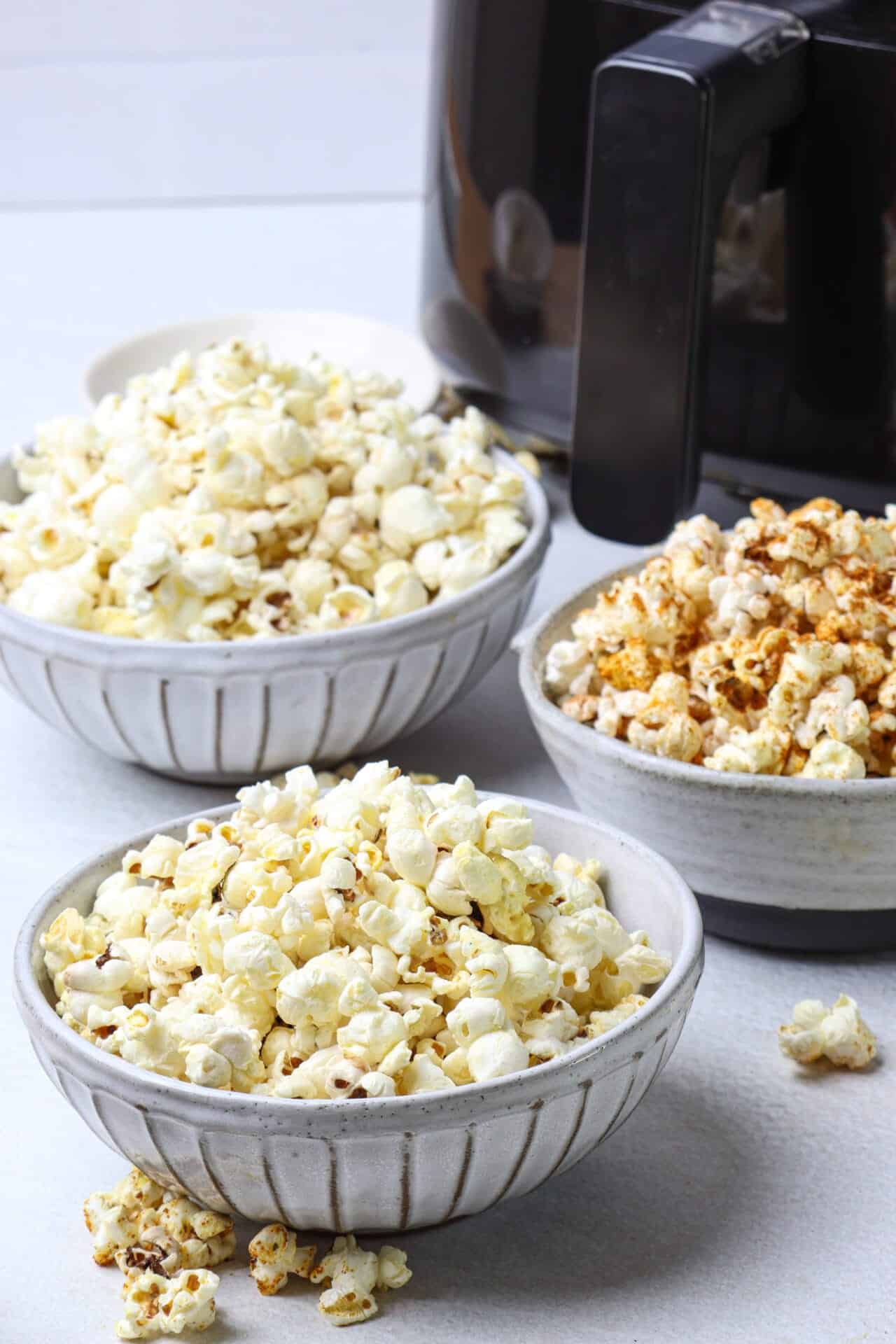
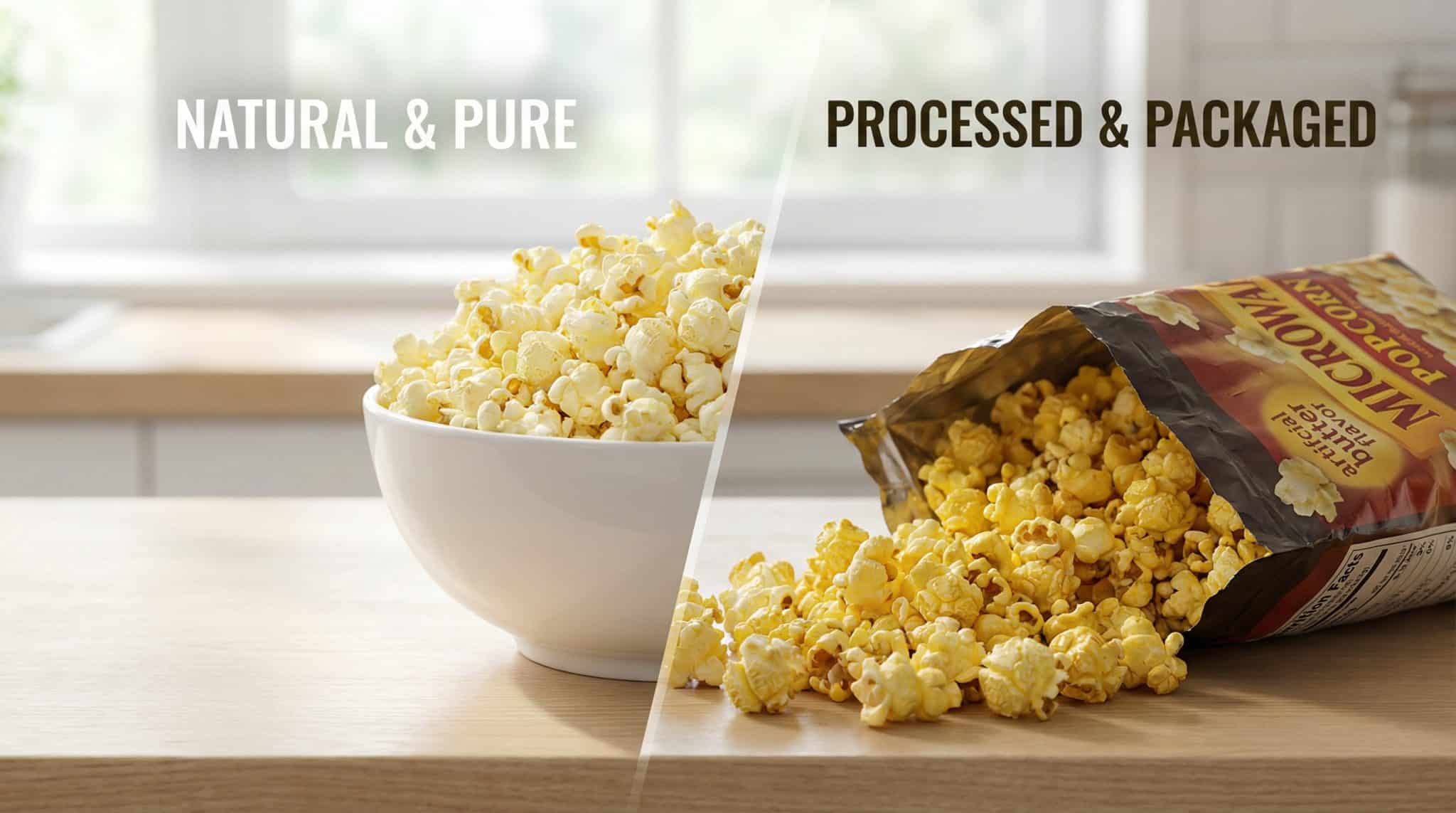
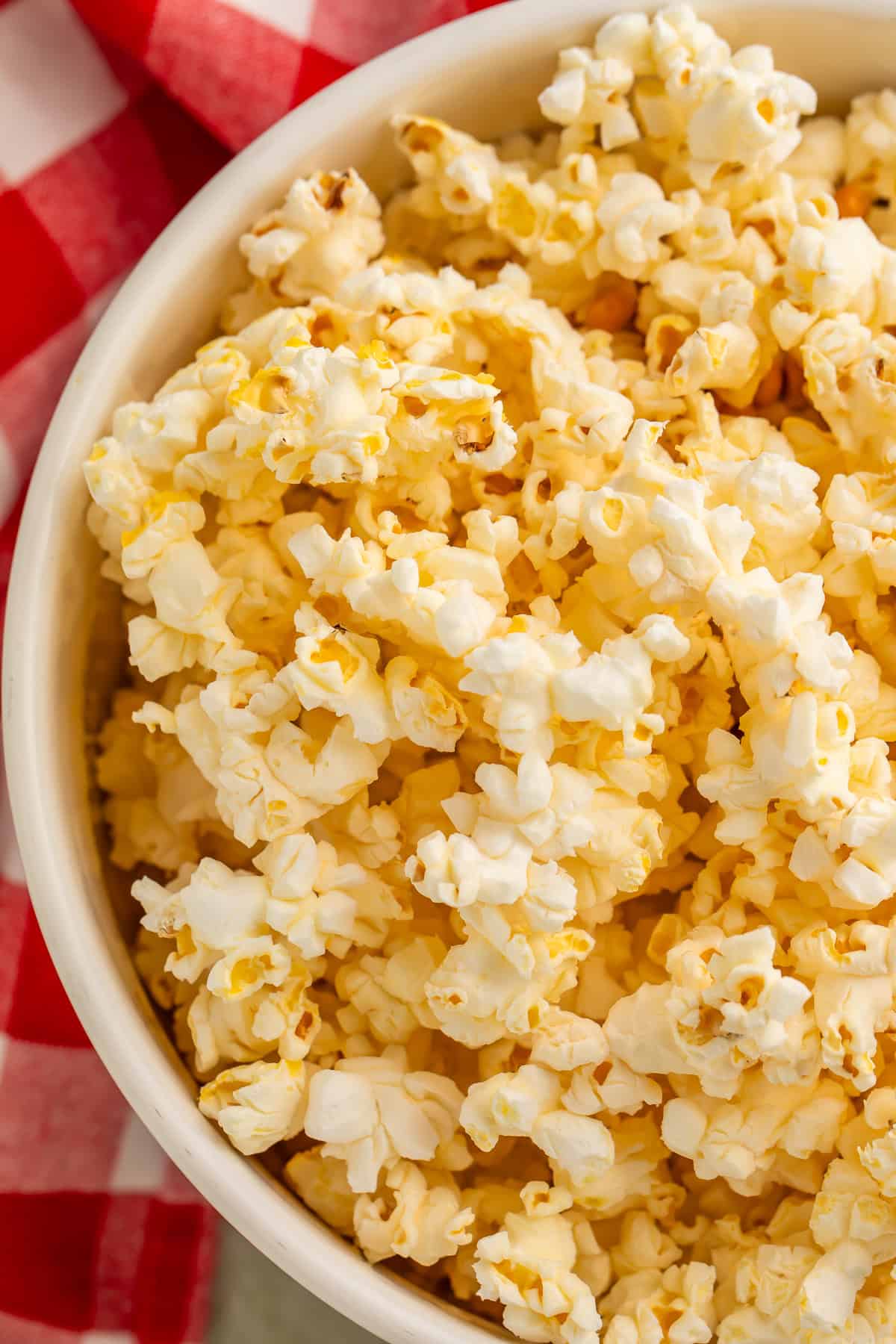
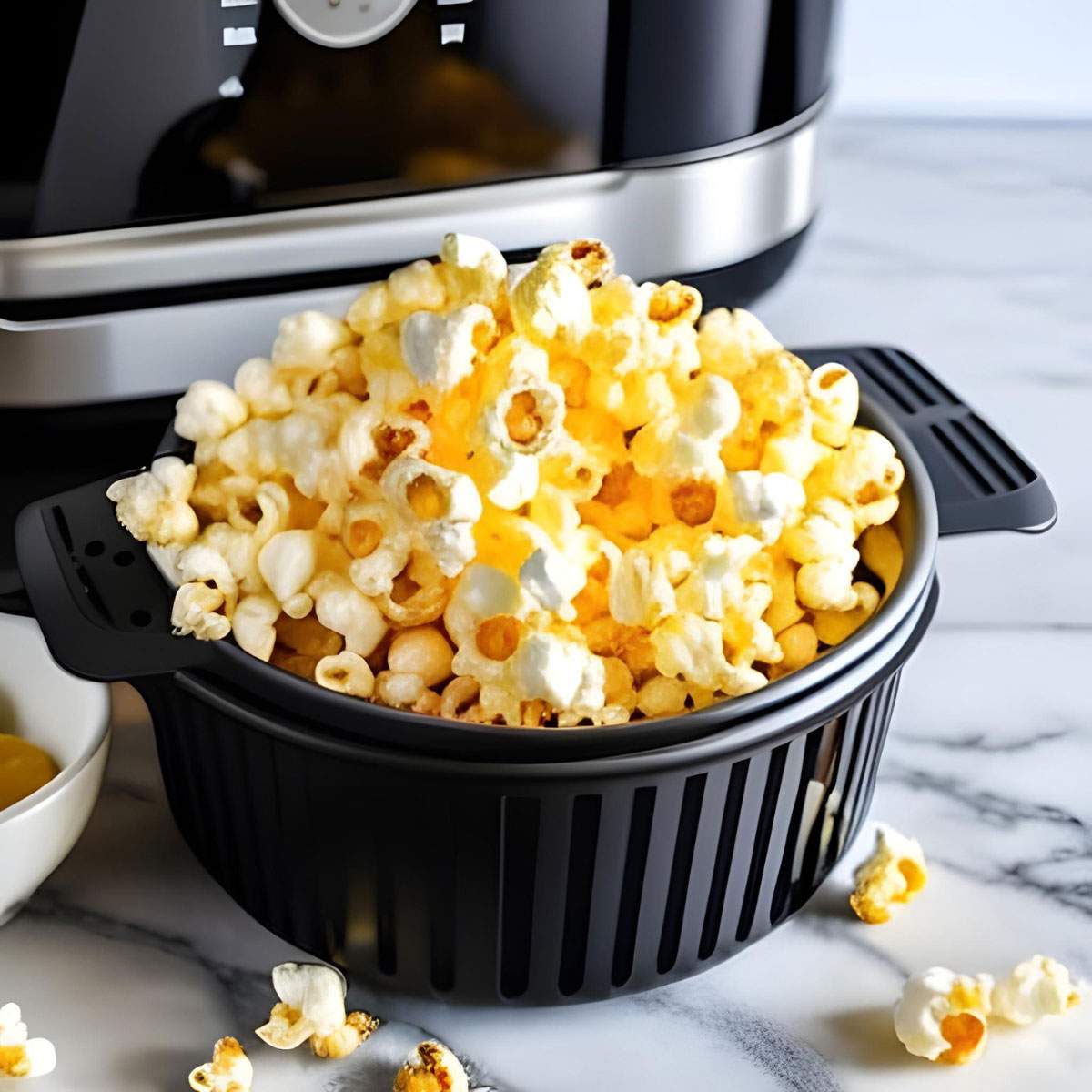
Air cooked popcorn is a whole-grain snack produced by heating corn kernels with rapidly circulating hot air rather than oil or butter. This method, often called air-popping, relies on convection to expand the kernels, resulting in a crisp, lightweight snack that is significantly lower in calories and fat than traditional stovetop or movie-theater varieties.
As we move through 2026, the focus on "clean label" snacking and ultra-processed food reduction has propelled air cooked popcorn to the forefront of the health food market. While the concept has existed for decades, modern technology has refined the process, making it faster, more consistent, and more accessible for the home cook. This guide explores the science behind the pop, the best equipment available this year, and the culinary techniques required to turn a "dry" snack into a gourmet experience.
The Science of Air Cooking: How It Works
To understand why air cooked popcorn is unique, one must understand the anatomy of a popcorn kernel. Each kernel contains a tiny droplet of water stored inside a circle of soft starch. The outer hull, or pericarp, is unusually strong. In traditional methods, oil acts as a heat conductor, surrounding the kernel and transferring energy. In air cooking, high-velocity hot air performs this task.
As the air popper heats the kernels to approximately 355°F (180°C), the water inside the kernel turns into steam. This steam creates intense internal pressure. Because the pericarp is so strong, it holds that pressure until it reaches a breaking point. When the hull finally ruptures, the pressurized steam expands instantly, turning the starch inside out into a white, fluffy foam that quickly cools into the shape we recognize.
The absence of oil in this process means the starch is not "fried" as it expands. This results in a different texture—often described as "sturdier" or "crunchier" than oil-popped corn—and prevents the absorption of saturated fats during the cooking phase.
Nutritional Profile of Air-Popped Popcorn
In 2026, nutritional density is a primary metric for snack selection. Air cooked popcorn is one of the few snacks that is 100% whole grain. According to the USDA FoodData Central, plain air-popped popcorn is naturally low in sodium and sugar while being high in essential nutrients.
Caloric Density and Fiber
A standard serving of three cups of air-popped popcorn contains approximately 90 to 100 calories. In contrast, the same amount of oil-popped corn can exceed 150 calories, and movie theater popcorn often reaches 300 calories or more due to heavy fats.
Beyond calories, air cooked popcorn is an excellent source of dietary fiber. Three cups provide nearly 4 grams of fiber, which aids in digestion and promotes satiety, making it an ideal tool for weight management.
Antioxidants (Polyphenols)
Research has indicated that popcorn contains high levels of polyphenols—antioxidants that help neutralize harmful free radicals. Because air cooked popcorn is not diluted by water (as in some fruits/vegetables) or masked by heavy oils, these antioxidants are highly concentrated. The hulls, while sometimes a nuisance to those with dental work, contain the highest concentration of these beneficial compounds.
Essential Equipment for 2026
Choosing the right tool for air cooking depends on your kitchen space, volume needs, and preference for automation.
Electric Countertop Air Poppers
These remain the gold standard for consistency. Modern 2026 models feature "cyclonic" airflow patterns that ensure almost every kernel is exposed to the same temperature, significantly reducing the number of "old maids" (unpopped kernels).
- Pros: Fast (usually 2-3 minutes), no oil required, very easy to clean.
- Cons: Requires counter space and a power outlet; can be loud.
Silicone Microwave Poppers
For those with limited storage, silicone bowls designed for the microwave are a popular alternative. You simply place the kernels in the bowl, cover with the vented lid, and microwave.
- Pros: Collapsible for storage, doubles as a serving bowl, dishwasher safe.
- Cons: Requires careful timing to avoid scorching; some kernels may remain unpopped if the microwave has "cold spots."
Convection Oven Method
High-end smart ovens in 2026 often include an "Air Fry" or "Air Pop" setting. By using a perforated basket and high-speed fans, these ovens can pop corn without a dedicated appliance.
- Pros: No extra appliances needed.
- Cons: Takes longer than a dedicated popper and requires specific baskets to prevent kernels from falling through the racks.
Comparing Popcorn Preparation Methods
The following table compares air cooking to other common preparation methods as of 2026.
| Feature | Air Cooked (Popper) | Oil-Popped (Stovetop) | Microwave Bag (Standard) |
|---|---|---|---|
| Calories (per 3 cups) | ~93 | ~165 | ~130-180 |
| Total Fat | 1.1g | 9.0g | 6.0g - 12.0g |
| Processing Level | Zero / Whole Grain | Minimal | Moderate to High |
| Texture | Crisp & Lightweight | Rich & Tender | Variable/Sometimes Chewy |
| Clean-up | Wipe with dry cloth | Wash pot with soap | Toss bag |
| Cost per Serving | Lowest (Bulk Kernels) | Low | High |
The "Dry" Seasoning Challenge: How to Make Toppings Stick
The most common complaint regarding air cooked popcorn is that salt and seasonings fall straight to the bottom of the bowl. Since there is no oil to act as an adhesive, you must use alternative techniques to ensure flavor adherence.
The Mist Technique
Using a high-quality "Misto" or fine-mist sprayer is the most effective solution. You can fill it with olive oil, avocado oil, or even balsamic vinegar. A micro-thin layer of liquid—far less than what is used in stovetop popping—provides enough surface tension for seasonings to stick.
Steam Adhesion
If you want to remain 100% oil-free, season the popcorn immediately after it exits the popper. The residual steam on the surface of the hot kernels can briefly act as an adhesive. However, you must work quickly and use "popcorn salt," which is ground into a fine flour-like powder.
Liquid Bases
For savory profiles, a light spray of Braggs Liquid Aminos, soy sauce, or lime juice works well. For sweet profiles, a very light mist of maple syrup or honey water can serve as a binder for cinnamon or cocoa powder.
Gourmet Flavor Combinations for the Health-Conscious
In 2026, the trend has shifted away from artificial "butter" flavors toward globally inspired, whole-food seasonings.
- The Umami Bomb: Nutritional yeast, garlic powder, and a pinch of sea salt. This is a classic "vegan cheese" flavor that is highly addictive and nutrient-dense.
- The Chili-Lime: Fresh lime zest, a mist of lime juice, and Tajín or ancho chili powder.
- The Mediterranean: Dried oregano, lemon peel powder, and a fine dusting of feta powder (dehydrated feta).
- The Golden Popcorn: Turmeric, black pepper (to activate the curcumin), and a hint of ginger.
- The Everything Bagel: Poppy seeds, sesame seeds, dried onion, and garlic flakes. (Note: These heavier seeds require a light oil mist to stick effectively).
Troubleshooting Common Issues
Even with the best equipment, air cooking can occasionally yield sub-optimal results. Here is how to fix the most frequent problems.
1. Chewy or "Tough" Texture
Popcorn becomes chewy when steam is trapped in the popping chamber or the bowl.
- Solution: Ensure your air popper’s vents are not obstructed. If using a microwave bowl, leave the lid slightly ajar if the design allows. Always transfer popped corn to a wide, open bowl immediately to let residual steam escape.
2. High Volume of Unpopped Kernels
This is usually a matter of kernel moisture or heat-up time.
- Solution: Store your kernels in an airtight glass jar in a cool, dark place. If kernels dry out, they won't have the steam pressure needed to pop. You can "rehydrate" old kernels by adding a teaspoon of water to the jar and shaking it daily for three days before use.
3. Burning kernels in the microwave
Microwaves heat unevenly, and the "Popcorn" button is notoriously unreliable.
- Solution: Listen carefully. Once the interval between pops slows to 2 seconds, stop the microwave immediately. Do not wait for the timer to finish.
Sustainability and Economic Benefits
Choosing air cooked popcorn aligns with 2026 sustainability goals. Pre-packaged microwave bags are often lined with PFAS (per- and polyfluoroalkyl substances) and create significant waste. By using an air popper and buying kernels in bulk, you eliminate plastic waste and chemical exposure.
Economically, bulk popcorn is one of the cheapest snacks available. A single 2lb (0.9kg) bag of kernels can produce over 25 large bowls of popcorn, costing pennies per serving compared to the high markup of processed chips or crackers.
FAQ: Frequently Asked Questions
Is air-popped popcorn healthier than air-fried popcorn?
Technically, they are very similar. An "air fryer" is essentially a powerful convection oven. If you use a basket that allows for proper air circulation, the nutritional result is identical to an electric air popper. However, dedicated air poppers are usually more efficient at moving the kernels to prevent burning.
Can I put salt in the air popper before it pops?
No. You should never put salt, butter, or oil inside an electric air popper. The salt can corrode the heating element, and oils can clog the motor or create a fire hazard. Always season your popcorn in a separate bowl after the popping process is complete.
Why does my air-popped popcorn taste bland?
Air-popped corn lacks the fat that carries flavor in oil-popped varieties. To fix this, use high-intensity seasonings like nutritional yeast, smoked paprika, or truffle salt, and ensure you use a fine-mist sprayer to help the flavors bond to the kernels.
Which type of kernel is best for air cooking?
There are two main types: Butterfly and Mushroom. Butterfly kernels are the classic "wing" shape and are best for air popping because they have a high surface area for seasonings to cling to. Mushroom kernels pop into a round ball and are sturdier, making them better for heavy coatings like caramel or chocolate, though they can sometimes feel "chewier" when air-popped.
How long does air cooked popcorn stay fresh?
Because it lacks oil (which can go rancid), air-popped corn can stay crisp for about 2-3 days if stored in a strictly airtight container. However, it is best consumed within a few hours, as it absorbs moisture from the air more quickly than oil-coated popcorn, leading to a stale texture.
Final Recommendation for 2026
For those seeking a balance of health and convenience in 2026, the electric cyclonic air popper remains the best investment for the home kitchen. It provides the most consistent "pop" and requires the least maintenance. To master the flavor, invest in a high-quality oil mister and fine-grind popcorn salt. By controlling the ingredients from start to finish, you transform a simple whole grain into a gourmet, guilt-free snack that fits any dietary requirement, from vegan to gluten-free.