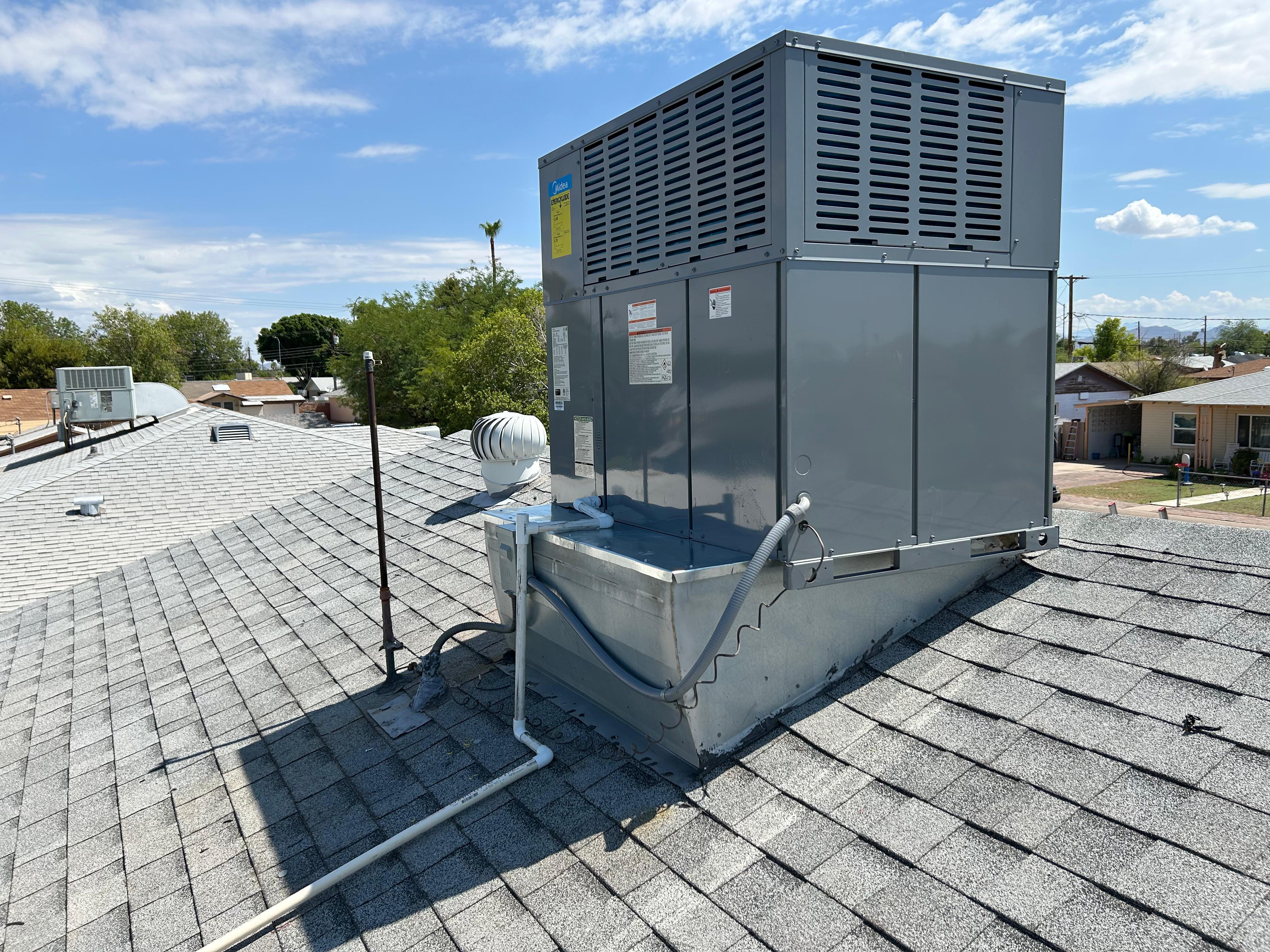
Navigating air conditioner repair in Mesa, Arizona requires an understanding of extreme desert operating environments, specialized diagnostic procedures, local licensing requirements, and clear cost factors. Because Mesa experiences intense summer heat that places heavy strain on cooling systems, homeowners frequently face urgent repair decisions regarding refrigerant leaks, electrical component failures, and compressor performance.
Understanding Mesa’s Climate and Cooling Demands
Mesa, Arizona sits in the heart of the Sonoran Desert, where summer temperatures frequently exceed 100 degrees Fahrenheit for weeks at a time. This relentless thermal load forces residential and commercial air conditioning systems to run for extended cycles, often nearly continuously from May through September. Understanding this environmental reality is the first step toward grasping why air conditioner repair in Mesa, AZ differs significantly from mild-climate maintenance.
When an air conditioning unit runs under high ambient temperatures, internal pressures within the refrigerant lines rise drastically. The condenser coils, which expel heat absorbed from inside the home into the outside air, must work against extreme outdoor heat. If these coils become dirty or obstructed by desert dust, debris, or cottonwood seeds, heat transfer efficiency plummets. Consequently, compressors overheat, electrical capacitors fail prematurely, and blower motors burn out under sustained mechanical stress.
Furthermore, the local soil and mineral profile can impact system longevity, particularly for evaporative coolers (though less common in modern refrigerated central air setups) or units utilizing water-cooled components. For refrigerated air systems, the primary environmental adversary is fine particulate matter, including windblown sand and caliche dust. This particulate matter bypasses standard filtration if filters are not changed monthly, accumulating on wet evaporator coils and forming an insulating sludge that chokes airflow and reduces cooling capacity.
Common Air Conditioner Malfunctions in Mesa
Air conditioning failures in Mesa rarely happen when the weather is mild; they typically occur during peak heatwaves when systems are running at maximum capacity. Recognizing the most common symptoms and their root causes helps homeowners communicate effectively with technicians and understand the scope of required repairs.
Refrigerant Leaks and Undercharge States
One of the most frequent service calls involves a loss of cooling capacity caused by low refrigerant levels. Air conditioners do not consume refrigerant; a drop in charge indicates a leak in the copper tubing, evaporator coil, or service valves. In Mesa's high-heat environment, running a system low on refrigerant causes the compressor to overheat because refrigerant also acts as a cooling agent for the compressor motor windings.
- Symptoms: Warm air blowing from vents, ice forming on the indoor evaporator coil or suction line, and higher-than-normal electric bills due to extended run times.
- Resolution: Technicians must locate the leak using electronic leak detectors or ultraviolet dye, repair the breach, pressure-test the system with nitrogen, evacuate the lines, and recharge the system to manufacturer specifications using the correct refrigerant type (such as R-410A).
Electrical Component Failures: Capacitors and Contactors
Electrical surges, lightning storms during the monsoon season, and extreme heat take a heavy toll on electrical components. Dual-run capacitors, which provide the initial electrical jolt needed to start the compressor and fan motor, are particularly vulnerable to thermal degradation.
- Symptoms: A humming sound from the outdoor unit with the fan not spinning, clicking noises when the thermostat calls for cooling, or complete failure of the system to turn on.
- Resolution: Technicians measure microfarads using a multimeter. If the capacitor is bloated, leaking oil, or testing outside its specified tolerance range, it must be replaced with a component matching the exact microfarad and voltage ratings.
Drainage Obstructions and Condensate Clogs
Air conditioners remove moisture from indoor air as a byproduct of the cooling process. This condensation drips into a drain pan and flows through a PVC pipe out of the home. In Mesa, high dust levels combine with moisture to form algae, sludge, and blockages in the condensate drain line.
- Symptoms: Water pooling around the indoor air handler, musty odors, or the safety float switch shutting the system down automatically to prevent water damage to ceilings and drywall.
- Resolution: Clearing the line using compressed air, nitrogen, or specialized flush solutions, and verifying that the auxiliary float switch is wired correctly.
Arizona Licensing, Regulations, and Contractor Selection
Hiring an unqualified technician can lead to improper repairs, voided equipment warranties, and safety hazards involving high-voltage electricity and pressurized refrigerants. In Arizona, the regulatory framework for HVAC contractors is strictly governed by the Arizona Registrar of Contractors (ROC).
Contractor Licensing Categories
For residential air conditioning repair, installation, and maintenance, the ROC issues specific classifications:
- CR-39 / C-39 (Air Conditioning and Refrigeration): Covers the installation, alteration, and repair of air conditioning and refrigeration systems.
- K-39 (Dual Residential and Small Commercial): Permits work on residential and light commercial structures.
Homeowners in Mesa should verify that any service provider holds an active, bondable license in good standing. Operating without a license is a criminal offense in Arizona. You can check a contractor's license history, complaint record, and bonding status directly through the Arizona Registrar of Contractors public portal.
Environmental Protection Agency (EPA) Section 608 Certification
Federal law under EPA Section 608 mandates that any technician handling regulated refrigerants must be certified. Handling refrigerants without certification can lead to environmental damage and federal fines. Ensure that the repair technician holds a Universal EPA certification, indicating they are qualified to work on high- and low-pressure appliances across all equipment types.
Comparing Repair, Component Replacement, and Full System Replacement
When an air conditioner fails, homeowners face a critical financial and operational decision: should they pay for a repair, replace a major component (like a compressor or evaporator coil), or invest in a brand-new system? Evaluating this decision requires balancing age, repair costs, and energy efficiency.
| Scenario | Typical Equipment Age | Repair vs. Replacement Considerations | Long-Term Financial Impact |
|---|---|---|---|
| Minor Electrical Repair (Capacitor, Contactor) | 0–10 Years | Highly cost-effective; standard wear item that does not indicate system failure. | Low immediate cost; restores standard operation. |
| Refrigerant Leak Repair & Recharge | 3–8 Years | Feasible if under warranty; costly if out of warranty, especially if the leak is in the evaporator coil. | Moderate to high cost; recurring leaks require systematic replacement. |
| Compressor Failure | 10+ Years | Generally unadvisable; replacement costs approach the price of a new outdoor unit. | High cost with low return on investment for aging equipment. |
| Complete System Failure (Outdated R-22 Refrigerant) | 12+ Years | Mandatory replacement; R-22 refrigerant is phased out and cost-prohibitive. | High upfront investment, but yields significant monthly energy savings and reliability. |
Cost Factors for Air Conditioner Repair in Mesa
Pricing for air conditioning repairs in Mesa varies based on several distinct factors. Understanding these variables helps homeowners evaluate quotes and avoid unexpected expenses.
- Diagnostic Fees: Most reputable Mesa contractors charge a flat dispatch or diagnostic fee to travel to the home and troubleshoot the system. This fee typically covers the first hour of technical assessment.
- Parts Availability and Cost: Standard components like capacitors, contactors, and standard blower motors are usually stocked on service trucks, minimizing labor time. Proprietary inverter boards, variable-speed motors, or older components may require ordering, extending downtime.
- Emergency Service Premiums: Because Mesa summers are punishing, emergency after-hours, weekend, or holiday calls carry premium labor rates. While routine service calls occur during normal business hours, emergency calls command higher dispatch and hourly fees.
- Refrigerant Pricing: The phase-out of ozone-depleting refrigerants (such as R-22) has made remaining supplies expensive. Modern systems utilizing R-410A or newer replacements (such as R-32 or R-454B) feature different wholesale pricing structures that influence recharge costs.
Step-by-Step Troubleshooting Before Calling a Technician
Before scheduling a service call, homeowners can perform several safe, preliminary checks to rule out simple user errors or minor issues.
- Check the Thermostat Settings: Ensure the thermostat is set to "Cool," the temperature setting is lower than the current room temperature, and the fan switch is set to "Auto" rather than "On" (which blows uncooled air when the compressor cycles off).
- Inspect the Breaker Panel: Locate the main electrical panel and the local disconnect box near the outdoor condensing unit. If a breaker has tripped, reset it once. If it trips a second time, do not reset it again; this indicates an electrical short circuit requiring professional diagnosis.
- Examine the Air Filter: A heavily clogged filter chokes airflow, causing the evaporator coil to freeze solid. Turn the system off, inspect the filter, and replace it if it is dirty. If ice is present, run the fan only ("On" setting) to thaw the coil before calling a technician.
- Clear Outdoor Debris: Ensure that shrubs, accumulated desert dust, toys, and shade structures are at least two feet away from the perimeter of the outdoor condensing unit to allow proper airflow.
Frequently Asked Questions
How quickly should a Mesa HVAC company respond during a summer heatwave?
During peak summer months in Mesa, response times for emergency repairs can range from a few hours to same-day service, depending on contractor availability. Priority dispatch is frequently reserved for households enrolled in maintenance agreements or homes with vulnerable occupants, such as infants or elderly residents.
Is it worth repairing an air conditioner that is over 10 years old?
As a general rule of thumb, if the repair cost exceeds 50% of the replacement value of the unit, or if the unit is more than 10 years old and requires a major component like a compressor or coil, replacement is usually more cost-effective. Older units also utilize less efficient energy standards, meaning a new system can significantly lower monthly electric bills.
Why is my air conditioner freezing up when it is 115 degrees outside?
An AC freeze-up is almost always caused by restricted airflow or low refrigerant levels, not high outdoor temperatures. When airflow is blocked by a dirty filter or a dirty indoor coil, the refrigerant inside the evaporator coil cannot absorb enough heat to boil off completely, causing the remaining liquid to drop below freezing and turn ambient moisture into ice.
Do I need a permit for an air conditioner repair in Mesa?
Routine repairs—such as replacing a capacitor, motor, contactor, or repairing a refrigerant leak—do not require a building permit from the City of Mesa. However, if you are replacing the entire split system, condenser, or furnace, local building codes and the City of Mesa require a mechanical permit to ensure compliance with electrical and energy efficiency standards.
Next Actions and Professional Recommendations
If your air conditioning system exhibits signs of failure, prioritize safety by turning off the system at the thermostat if you notice burning odors, grinding mechanical noises, or continuous breaker trips. Verify that your chosen contractor is licensed through the Arizona Registrar of Contractors, holds EPA certification, and provides transparent, upfront pricing before authorizing any physical repairs. Schedule annual maintenance visits in the early spring—before Mesa's extreme heat arrives—to catch failing components before they result in a complete breakdown.