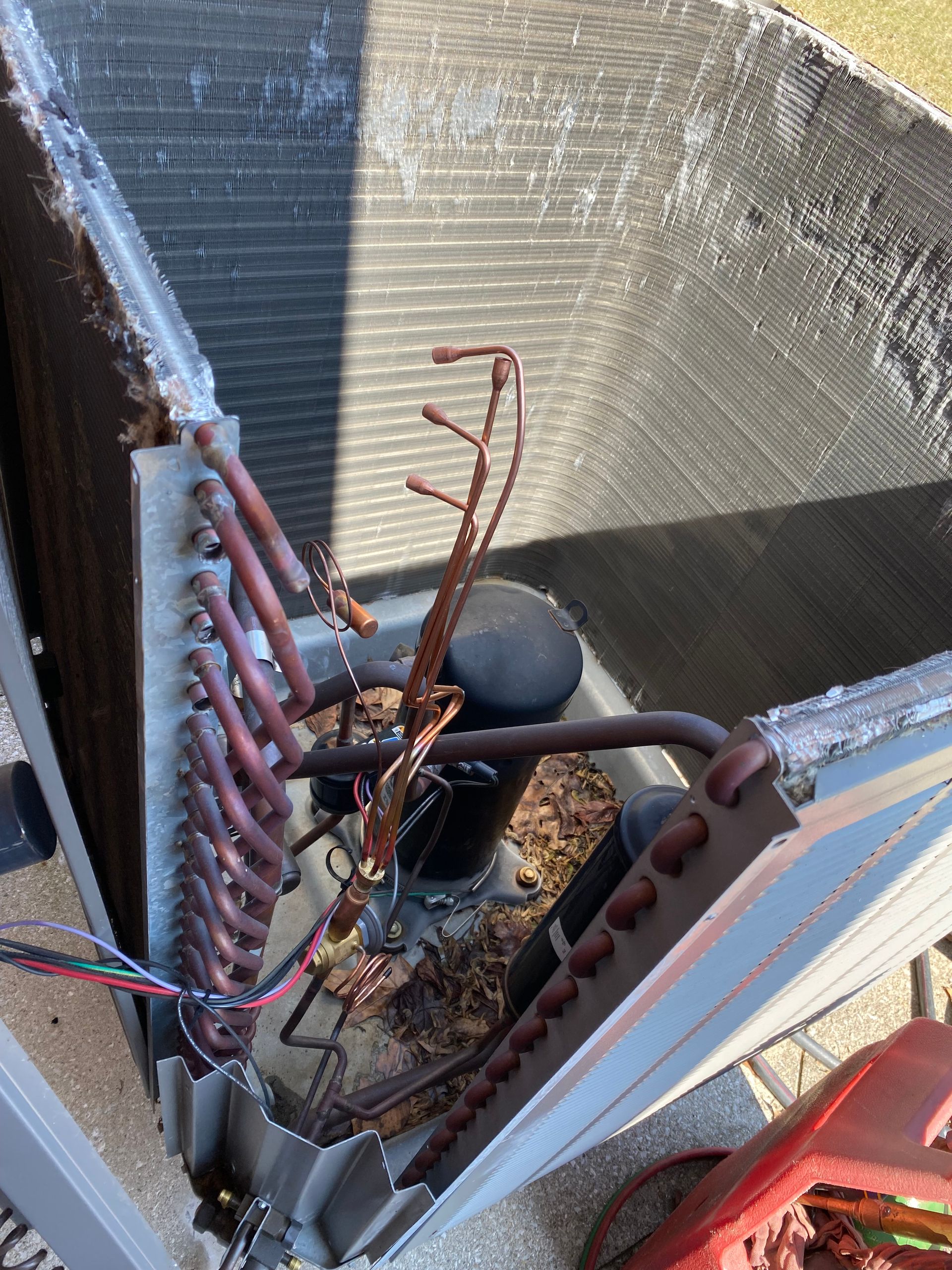
When summer temperatures spike across Central Indiana, a functioning air conditioning system moves from a luxury to an absolute necessity. Navigating air conditioner repair in Indianapolis requires understanding local climate demands, common system failures, diagnostic steps, repair costs, and how to select qualified HVAC contractors who operate under Indiana mechanical codes and licensing standards.
Understanding the Indianapolis Climate and HVAC Demands
The climate in Indianapolis presents unique challenges for residential air conditioning equipment. Summers are characterized by high humidity and prolonged heat waves, with daytime temperatures frequently exceeding 85°F to 90°F from late June through August. This intense environmental pressure forces cooling systems to run long cycles, pushing mechanical components—such as compressors, fan motors, and capacitors—to their operational limits.
Furthermore, the transition from humid summers to freezing winters means Indianapolis heat pumps and central air systems experience extreme thermal cycling. Air conditioning units must work harder to strip moisture out of indoor air to maintain comfort, which increases the likelihood of condensate drain clogs, coil icing, and electrical strain. Recognizing these local environmental factors helps homeowners anticipate maintenance needs and address minor performance drops before they escalate into complete system failures.
Common Air Conditioner Problems and Diagnostic Indicators
When an air conditioner fails to cool adequately or refuses to turn on entirely, identifying the underlying symptom is the first step toward an effective repair. Modern residential cooling systems are complex networks of electrical circuits, refrigerant loops, and airflow mechanics.
Electrical and Capacitor Failures
One of the most frequent service calls for air conditioner repair in Indianapolis involves electrical components. Dual-run capacitors and contactors frequently fail due to age, power surges, or extreme outdoor heat.
- Symptom: The outdoor condenser unit hums, but the fan does not spin, or the system clicks repeatedly without starting.
- Technical Cause: Degraded dielectric fluid inside the capacitor prevents it from storing and releasing the electrical charge required to jump-start the compressor or fan motor.
Refrigerant Leaks and Low Charges
Air conditioners do not consume refrigerant; they circulate a closed loop of chemical coolant (such as R-410A) to absorb and release heat.
- Symptom: Weak airflow from supply vents, lukewarm air, ice forming on the indoor evaporator coil or copper refrigerant lines.
- Technical Cause: Pinholes caused by formicary corrosion in the aluminum or copper coils lead to refrigerant loss, dropping system pressure and impairing heat absorption. Technicians must locate the leak, repair it, and recharge the system to manufacturer specifications.
Drainage Clogs and Water Damage
High humidity levels in Marion County mean air conditioners pull gallons of moisture out of the air daily. This condensation collects in a drip pan and flows through a PVC drain line out of the home.
- Symptom: Water pooling around the indoor air handler, musty odors, or the system shutting down unexpectedly due to a float safety switch.
- Technical Cause: Algae, mold, and dust sludge accumulate in the condensate trap and drain pipe, blocking water flow and causing backups.
Mechanical Wear and Blower Motor Failure
The indoor blower motor circulates conditioned air through the ductwork. Over years of continuous operation, bearings can seize or motor modules can fail.
- Symptom: Squealing or grinding noises from the indoor unit, little to no air coming from vents, or a tripped circuit breaker.
- Technical Cause: Lack of lubrication, worn-out bearings, or electrical surges damaging the variable-speed motor control board.
Professional Diagnosis vs. DIY Troubleshooting
Before calling an HVAC technician, homeowners can perform several safe, preliminary checks to rule out minor issues. However, due to the high-voltage electricity and pressurized chemicals involved, major repairs must be left to licensed professionals.
| Issue / Symptom | Safe Homeowner Action | Professional Repair Action |
|---|---|---|
| System Won't Turn On | Check thermostat batteries and settings; check main circuit breaker panel for tripped breakers. | Test voltage at the disconnect box, replace burnt contactors, or service control boards. |
| Weak Airflow | Inspect and replace dirty disposable air filters; ensure supply and return vents are unobstructed. | Clean blower wheel, clear blocked ductwork, or evaluate static pressure. |
| Warm Air Blowing | Verify thermostat is set to "Cool" and temperature is set below room temperature. Check outdoor unit for debris blockage. | Measure superheat and subcooling, test refrigerant pressures, and locate/repair leaks. |
| Ice on Indoor Coil | Turn off the cooling system immediately and switch the fan to "On" to melt ice. Replace filter. | Thaw system fully, identify restriction (low refrigerant or airflow), and execute necessary mechanical repairs. |
Licensing, Regulations, and Hiring HVAC Contractors in Indianapolis
Selecting a reputable contractor for air conditioner repair in Indianapolis requires verifying credentials to ensure compliance with local and state regulations. In Indiana, HVAC contractors must carry appropriate general liability insurance and worker's compensation coverage to protect homeowners from liability in case of workplace accidents on the property.
Key Verification Steps for Homeowners:
- Local Permits and Codes: While minor repairs like replacing a capacitor or cleaning a drain line do not require municipal permits, replacing a complete outdoor condenser unit or evaporator coil in Indianapolis and Marion County often requires mechanical permits and adherence to the Indiana Residential Code.
- EPA Section 608 Certification: Technicians who handle, recover, or charge refrigerants must hold a valid EPA Universal certification under Section 608 of the Clean Air Act. Homeowners should verify that their servicing technician possesses this credential.
- Manufacturer Certifications: Look for technicians certified by major equipment manufacturers (such as Carrier, Trane, Lennox, or Goodman). Certified technicians receive specialized training on proprietary inverter-driven compressors, communicating thermostats, and variable-speed systems.
Cost Factors for Air Conditioner Repair in Indianapolis
Repair costs vary depending on the nature of the failure, part availability, labor rates, and whether the equipment is still covered under a manufacturer warranty. On average, standard diagnostic fees in the Indianapolis metro area range from $75 to $150, which is often applied toward the cost of the approved repair.
Cost Breakdown of Common Repairs:
- Capacitor or Contactor Replacement: $150 – $350 (including parts and labor). These are routine repairs completed within an hour.
- Condensate Line Clearing: $125 – $250. Includes flushing the line with nitrogen or specialized clearing solutions and treating the trap with algaecide tablets.
- Blower Motor Replacement: $450 – $1,000+. Standard PSC motors are less expensive, while modern electronically commutated motors (ECM) carry higher equipment costs.
- Refrigerant Leak Repair and Recharge: $300 – $1,500+. Costs fluctuate significantly based on the amount of refrigerant required, the accessibility of the leak, and whether nitrogen pressure testing is necessary.
Homeowners should always request a written, itemized estimate detailing labor, parts warranties, and diagnostic fees before authorizing any repair work.
Preventive Maintenance to Avoid Emergency Repairs
Routine preventive maintenance is the single most effective strategy for extending the lifespan of an air conditioning system and reducing the frequency of unexpected breakdowns. Systems that undergo annual spring tune-ups operate at higher energy efficiencies, saving money on monthly utility bills during peak summer months.
Essential Maintenance Tasks:
- Filter Replacement: Change disposable fiberglass or pleated air filters every 30 to 90 days, depending on household occupancy, pets, and local particulate levels.
- Outdoor Coil Cleaning: Gently rinse accumulated cottonwood seeds, grass clippings, and dirt off the outdoor condensing unit fins using a garden hose (avoiding high-pressure pressure washers that can bend delicate aluminum fins).
- Clear Vegetation: Maintain a minimum two-foot clearance around the outdoor unit by trimming shrubs, weeds, and tree branches to ensure proper airflow and heat dissipation.
- Professional Tune-Up: Schedule an annual spring service appointment where a licensed technician checks electrical connections, lubricates moving parts, measures operating pressures, and verifies proper refrigerant charge.
Frequently Asked Questions
How often should I have my air conditioner serviced in Indianapolis?
Air conditioning systems should be inspected and tuned up at least once a year, ideally in the spring before heavy summer cooling demands begin. Regular maintenance catches worn components early and ensures peak seasonal efficiency.
Is it better to repair an older air conditioner or replace the entire system?
As a general rule, if an air conditioner is more than 10 to 12 years old and requires a repair that exceeds 50% of the unit's total replacement value—such as a failed compressor or major refrigerant leak—replacement is typically more cost-effective than investing in aging equipment, especially given the efficiency gains of modern systems.
Can I use a garden hose to clean my outdoor air conditioner?
Yes, you can gently rinse debris off the exterior fins of the outdoor condenser using low pressure from a standard garden hose. Always turn off power to the unit at the disconnect box before washing it, and never use a high-pressure power washer, which can flatten the delicate metal fins and restrict airflow.
What should I do if my AC is leaking water inside the house?
Turn off your air conditioning system immediately at the thermostat to prevent further water accumulation and potential damage to subflooring, drywall, or electrical components. A leaking indoor unit typically indicates a clogged condensate drain line or a cracked drain pan that requires professional clearing or replacement.
Are warranties transferable if I bought a home with an existing AC unit?
Many manufacturer warranties are tied to the original equipment installation date and registration. While some brands offer reduced warranty terms (such as five years instead of ten) for subsequent homeowners, checking the serial number and original registration status with a licensed dealer clarifies your exact coverage status.
Conclusion and Next Actions
Maintaining a comfortable indoor environment during hot Indianapolis summers relies on prompt responses to equipment malfunctions and adherence to regular maintenance schedules. When faced with an air conditioning failure, prioritize safety by checking basic power sources and filters before contacting a licensed, EPA-certified HVAC professional. By securing written estimates, verifying local credentials, and investing in annual tune-ysts, homeowners can protect their heating and cooling investments and ensure reliable operation for years to come.