An AIG life insurance loan allows policyholders with permanent life insurance, such as universal or whole life, to borrow against the accumulated cash value of their policy. This financial tool lets you access liquidity while keeping the death benefit in place, provided the loan is repaid with interest, or deducted from the final payout upon death.
The Mechanism of Cash Value Accumulation
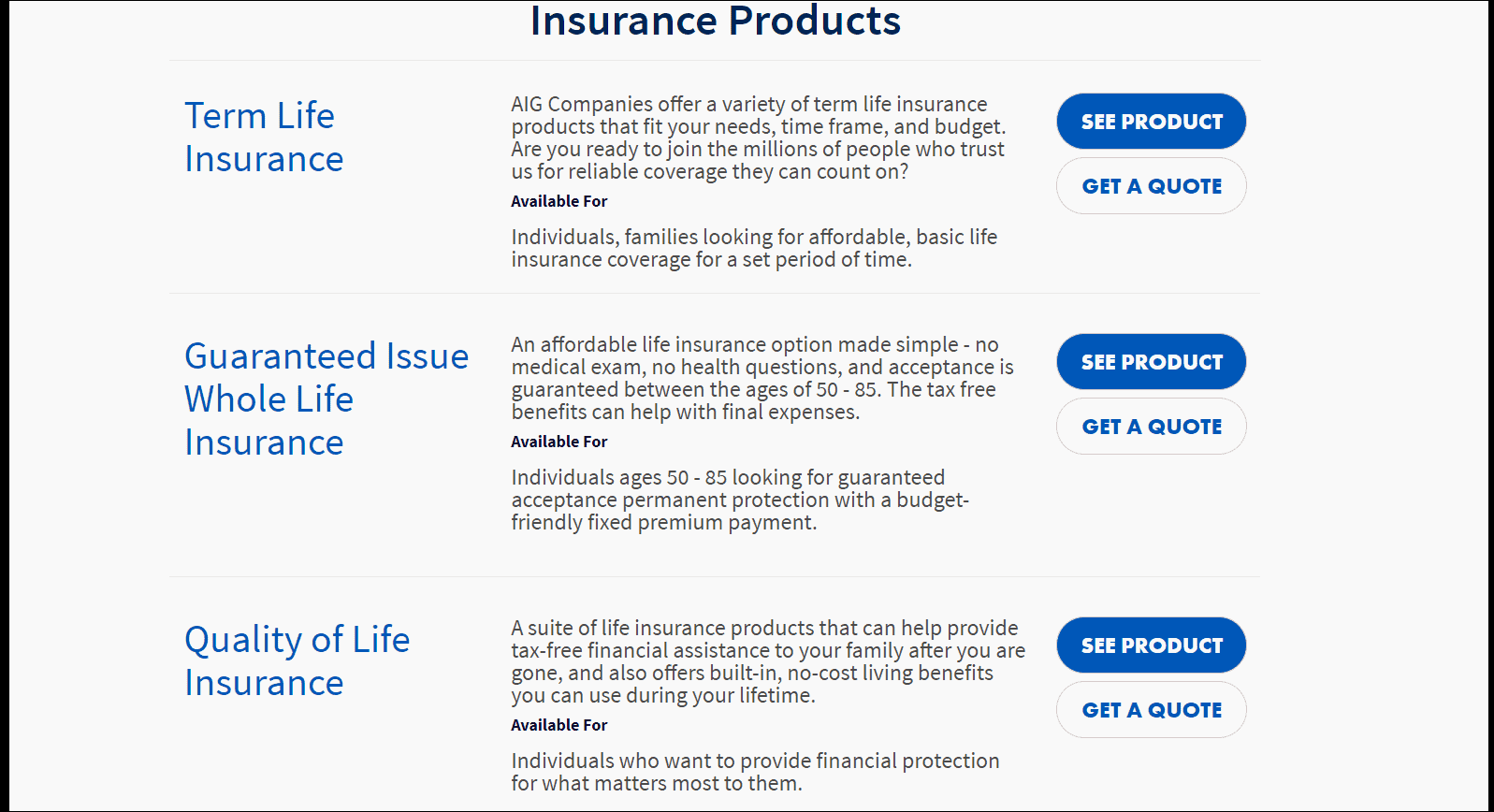
To understand how an AIG life insurance loan functions, one must first recognize the structural difference between term life insurance and permanent life insurance. Term insurance provides coverage for a set period and holds no cash value. In contrast, permanent life insurance products—which include various forms of universal life, indexed universal life, and whole life policies—contain a cash value component.
A portion of the premium payments made over the years is allocated to a cash value account after accounting for the cost of insurance and administrative fees. This account grows over time, often through interest crediting or market-linked performance, depending on the specific policy type. When this cash value reaches a sufficient balance, it transforms from a dormant asset into a financial resource that the policyholder can leverage through a policy loan.
Eligibility Requirements and Prerequisites
Not every policyholder is automatically eligible for a loan. The fundamental prerequisite is that your specific policy must have accrued enough cash value to support a loan. Furthermore, the policy must be in "in-force" status, meaning all premiums required to keep the coverage active have been paid.
Before initiating a request, you should review your specific policy documents or log into your AIG policyholder portal. Some policies may have a waiting period—typically between one and three years—before the cash value is accessible via loan. Additionally, AIG may impose a minimum loan amount or require that a certain percentage of the cash value remains as a buffer to prevent policy lapse. If you have previously taken out loans or have outstanding interest, your "net" available cash value will be reduced accordingly.
The Loan Process: How to Proceed
Requesting a loan from your AIG policy is a formal procedure designed to ensure both the insurer and the policyholder understand the contractual implications.
- Verify Available Cash Value: Before applying, confirm the current "loanable" amount. Note that the cash surrender value and the loanable value may differ.
- Review Loan Terms: Understand the interest rate structure. AIG policy loans typically charge a fixed or variable interest rate. Because the insurance company uses your cash value as collateral, the interest rate on these loans is often competitive compared to unsecured personal loans.
- Submit the Request: Most policyholders can initiate this process through the AIG customer portal. In some cases, or for larger amounts, you may be required to sign and submit a formal loan request form.
- Processing and Disbursement: Once approved, the funds are typically sent via direct deposit or check. This process is generally faster than securing a bank loan because the collateral is already held by the insurer.
Financial Implications and Repayment
It is critical to distinguish between a "loan" and a "withdrawal." A withdrawal permanently reduces your cash value and often reduces your death benefit, whereas a loan is intended to be repaid.
If you do not repay the loan, the outstanding principal and any accrued interest remain as a debt against your policy. If you pass away with an outstanding loan balance, the insurance company will deduct the remaining balance from the death benefit paid to your beneficiaries. While this ensures that your beneficiaries still receive a payout, it reduces the total legacy left to them.
Furthermore, if the loan balance grows to the point that it exceeds the remaining cash value, your policy could reach a "lapse" state. If the policy lapses, the insurance coverage ends, and you may face significant tax consequences, as the unpaid loan may be treated by the IRS as taxable income.
Comparison of Cash Access Methods
When considering how to access funds from your insurance policy, it is helpful to compare the available options.
| Feature | Policy Loan | Partial Withdrawal | Policy Surrender |
|---|---|---|---|
| Repayment Required | Yes | No | N/A |
| Impact on Death Benefit | Deducted at death | Permanent reduction | Policy terminated |
| Tax Implications | Generally tax-free* | Taxable if over basis | Taxable gains |
| Asset Retention | Policy stays active | Policy stays active | Policy ends |
*Provided the policy remains in force and is not a Modified Endowment Contract (MEC).
Managing Interest and Policy Stability
The interest you pay on an AIG life insurance loan is not just a cost of borrowing; it is a financial variable that directly affects your policy’s performance. In many instances, while you pay interest to the insurance company, your remaining cash value continues to earn interest or investment credits. This can potentially mitigate the effective cost of the loan.
However, if you fail to pay the annual interest, the interest is typically added to the loan balance—a process known as "capitalization." Over time, if interest is added to the balance rather than paid out of pocket, the debt grows exponentially. This increases the risk that the loan will eventually consume the entirety of the cash value, potentially leading to a policy lapse. Maintaining a consistent repayment schedule, even if only paying the interest annually, is the most effective way to keep your policy stable.
Common Risks and Considerations
While life insurance loans offer flexibility, they are not without risks.
- Modified Endowment Contracts (MEC): If you contribute too much money into your policy relative to the death benefit, it may be classified as a MEC. Loans taken from a MEC are treated differently by the IRS and are subject to income tax and potential penalties if taken before age 59½.
- Market Volatility: For universal life policies linked to market indexes, the growth of your cash value is not guaranteed. If the market underperforms while you have a large outstanding loan, the stability of your policy can be compromised more quickly than expected.
- Tax Status: In most cases, life insurance loans are tax-free because you are essentially borrowing your own money. However, if the policy terminates while a loan is outstanding, the IRS may view the outstanding loan balance as a gain, potentially resulting in a significant tax bill.
Expert Guidance and Next Steps
Before taking a loan against your AIG policy, perform a "policy illustration" request. This is a document provided by AIG that shows how the policy is projected to perform under various loan scenarios. It will demonstrate how your death benefit and cash value are expected to change over the next 10, 20, or 30 years based on current interest rate assumptions.
If you are facing an emergency, verify the turnaround time for disbursements. While standard, these are not instant transactions. Finally, consult with a tax professional or a financial advisor to ensure that borrowing against your policy fits into your broader retirement and estate planning strategy.
If you are ready to explore this, your first step should be logging into your secure AIG account portal to view your "Current Loanable Amount." If the information is not readily apparent, call the customer service number listed on your most recent annual statement to speak with a representative who can provide a personalized breakdown of your specific policy’s loan terms.
Frequently Asked Questions
Does taking a loan from my AIG policy affect my death benefit? Yes, if the loan is not repaid before your death, the outstanding balance—including any unpaid accrued interest—is subtracted from the total death benefit payout to your beneficiaries.
Is the interest paid on an AIG life insurance loan tax-deductible? Generally, no. For most individuals, interest paid on a life insurance policy loan is considered personal interest and is not tax-deductible under current IRS guidelines.
What happens if I cannot pay back the loan? The loan does not have a set repayment schedule, but if the balance grows to equal the cash value of the policy, the policy may lapse. This could result in the loss of your life insurance coverage and potential tax liabilities.
Can I borrow the entire cash value of my policy? Usually, no. Insurance companies typically reserve a small percentage of the cash value to ensure the policy can continue to cover its administrative costs and insurance charges. You can typically borrow between 75% and 90% of the net cash value.
Are there credit checks involved in getting an AIG policy loan? No, because the loan is collateralized by the cash value you have already accumulated, AIG does not perform a credit check. Your eligibility is based entirely on the terms and status of your specific policy.
What is a Modified Endowment Contract (MEC) and why does it matter? A MEC is a tax designation for a life insurance policy that has been "over-funded" according to IRS rules. If your policy is a MEC, loans are taxed on a LIFO (Last-In, First-Out) basis, meaning you will likely owe income taxes on any loan taken against the policy.