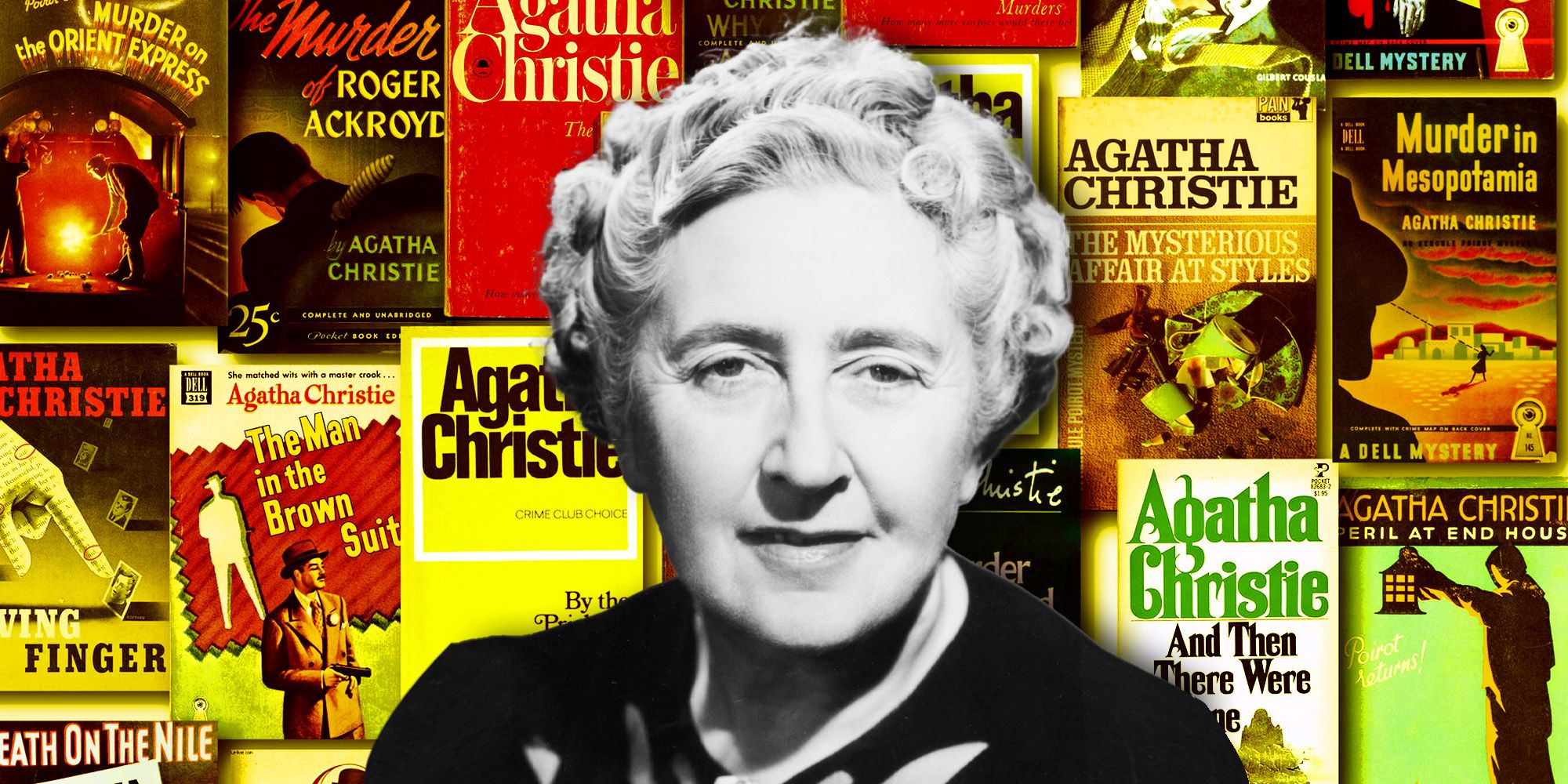
Agatha Christie’s top books—such as And Then There Were None, The Murder of Roger Ackroyd, and Murder on the Orient Express—remain the gold standard of classic detective fiction, offering intricate plotting, psychological depth, and unforgettable master sleuths like Hercule Poirot and Miss Jane Marple.
Choosing where to begin or what to read next in the vast bibliography of the "Queen of Crime" can be daunting. With over 66 detective novels, 14 short story collections, and the world's longest-running play to her name, Agatha Christie shaped the modern murder mystery genre. Understanding her top works requires looking beyond surface-level popularity to examine their structural innovations, cultural impact, and enduring literary appeal.
Understanding the Appeal of Agatha Christie's Masterpieces
To appreciate why certain titles stand out as Christie's top books, one must understand the environment in which she wrote. Emerging during the Golden Age of Detective Fiction in the 1920s and 1930s, Christie mastered the "fair-play whodunit." In these narratives, the reader receives every single clue presented to the investigator, challenging the audience to solve the puzzle alongside the detective before the final chapter revelation.
Unlike hardboiled American detective fiction that prioritized gritty realism and systemic corruption, Christie’s British country house mysteries and exotic excursions focused on closed-circle settings. A limited number of suspects—each with a clear motive, means, and opportunity—are trapped together. This structural constraint forces a psychological chess match between the detective and the perpetrator. The enduring popularity of her work relies on precise plotting, misdirection, and characters driven by human flaws such as greed, jealousy, and fear.
The Definitive Top Agatha Christie Books
While individual preferences vary, literary critics, mystery writers' associations, and global readership polls consistently rank a core group of titles at the pinnacle of her bibliography. These novels showcase her range, from psychological suspense to innovative narrative structures.
And Then There Were None (1939)
Widely considered Christie’s masterpiece and the best-selling mystery novel of all time, And Then There Were None departs from traditional detective fiction by omitting a central sleuth like Poirot or Marple. Instead, ten strangers with dark pasts are invited to an isolated rock off the coast of Devon by a mysterious host.
As a gramophone record accuses each guest of murder, they begin to die one by one in accordance with a chilling nursery rhyme. The psychological erosion of the characters as they realize the killer is one among them creates an atmosphere of unrelenting dread. It remains a masterclass in suspense and structural perfection.
The Murder of Roger Ackroyd (1926)
This is the book that cemented Christie’s global reputation and forever changed the rules of detective fiction. Narrated by Dr. James Sheppard, the local physician and faithful companion to Hercule Poirot in a quiet English village, the novel chronicles the murder of wealthy industrialist Roger Ackroyd.
The book is celebrated for its radical narrative twist, which shattered genre conventions. While some contemporary critics felt it stretched the boundaries of fair play, literary history regards it as a brilliant execution of unreliable narration and narrative misdirection.
Murder on the Orient Express (1934)
Featuring her most famous creation, Belgian detective Hercule Poirot, this novel takes place on the luxurious international train stranded by a snowdrift in the Balkans. An American multi-millionaire is found murdered in his locked compartment, stabbed multiple times.
Poirot must interrogate a diverse group of international passengers, each with alibis that seem airtight. Inspired by real-world historical events, the resolution to Murder on the Orient Express offers a profound moral dilemma rather than a simple puzzle box solution, showcasing Christie's ability to challenge conventional justice.
The ABC Murders (1936)
For readers seeking a cat-and-mouse thriller, The ABC Murders provides a gripping narrative structure. A serial killer targets victims in alphabetical order—Ascher in Andover, Clarke in Bexhill-on-Sea, Cust in Churston—leaving an ABC railway guide beside each body.
Written with a mix of first- and third-person perspectives, the novel pits Poirot against a methodical killer who seems to be taunting him through public letters. It explores early forensic psychology and the chilling nature of organized, targeted urban crime compared to isolated country house murders.
The Murder at the Vicarage (1930)
No overview of Christie’s top works is complete without introducing Miss Jane Marple, the unassuming elderly spinster from the fictional village of St. Mary Mead. In her debut novel appearance, The Murder at the Vicarage, a universally disliked colonel is shot dead in the local clergyman's study.
Miss Marple uses her intimate knowledge of human nature—gained from observing the gossip and quiet malice of village life—to solve a crime that baffles the local police. This novel establishes Marple's core philosophy: human nature remains consistent regardless of whether one lives in a cottage or a palace.
Comparative Overview of Top Titles
| Title | Publication Year | Primary Detective | Setting | Key Narrative Innovation |
|---|---|---|---|---|
| And Then There Were None | 1939 | None (Ensemble) | Isolated Island | Elimination structure without a professional detective |
| The Murder of Roger Ackroyd | 1926 | Hercule Poirot | English Village | Groundbreaking unreliable narrator twist |
| Murder on the Orient Express | 1934 | Hercule Poirot | Snowbound Train | Moral complexity and collective conspiracy |
| The ABC Murders | 1936 | Hercule Poirot | Multiple UK Locations | Serial killer procedural and cat-and-mouse dynamic |
| The Murder at the Vicarage | 1930 | Miss Jane Marple | St. Mary Mead | Introduction of amateur village sleuth psychology |
Essential Reading Paths for New Readers
Navigating Christie's massive output can be intimidating. Depending on what elements of a story you value most, several distinct entry points offer the best introduction to her style.
If You Want Pure Psychological Suspense
Begin with And Then There Were None. Because it features no recurring characters or baggage from previous novels, it functions as a standalone thriller that delivers maximum tension without requiring familiarity with Poirot or Marple.
If You Want the Ultimate Whodunit Puzzle
Start with The Murder of Roger Ackroyd or Murder on the Orient Express. Both display Christie's technical brilliance at fair-play clues and shocking, logical conclusions that reward close reading.
If You Prefer Cozy Village Mysteries
Opt for The Murder at the Vicarage or later Marple masterpieces like A Murder Is Announced (1950). These works offer sharp social commentary masked behind the gentle facade of English village life.
Common Mistakes When Reading Agatha Christie
Readers often approach Christie's bibliography with habits picked up from modern thrillers, leading to common missteps:
- Expecting fast-paced action: Christie’s books prioritize dialogue, observation, and deduction over car chases and physical combat. Give yourself time to absorb the character interactions and witness statements.
- Skipping the early chapters: The initial setup establishing the relationships, schedules, and alibis of the suspects contains essential clues. Skimming the opening chapters makes solving the mystery alongside the detective impossible.
- Reading series out of publication order unnecessarily: While Christie's books are largely standalone, reading massive spans of Poirot's later life without context can reveal spoilers regarding character fates, though individual mysteries generally function independently.
Practical Next Actions
To begin your journey into Agatha Christie’s bibliography, select one of the core masterpieces listed above based on your preferred subgenre—such as the isolated thriller of And Then There Were None or the classic train mystery of Murder on the Orient Express. Read with a notebook to track alibis, timeframes, and suspicious behaviors. Pay close attention to minor details dismissed by other characters, as Christie rarely includes a scene or piece of dialogue without a hidden purpose.