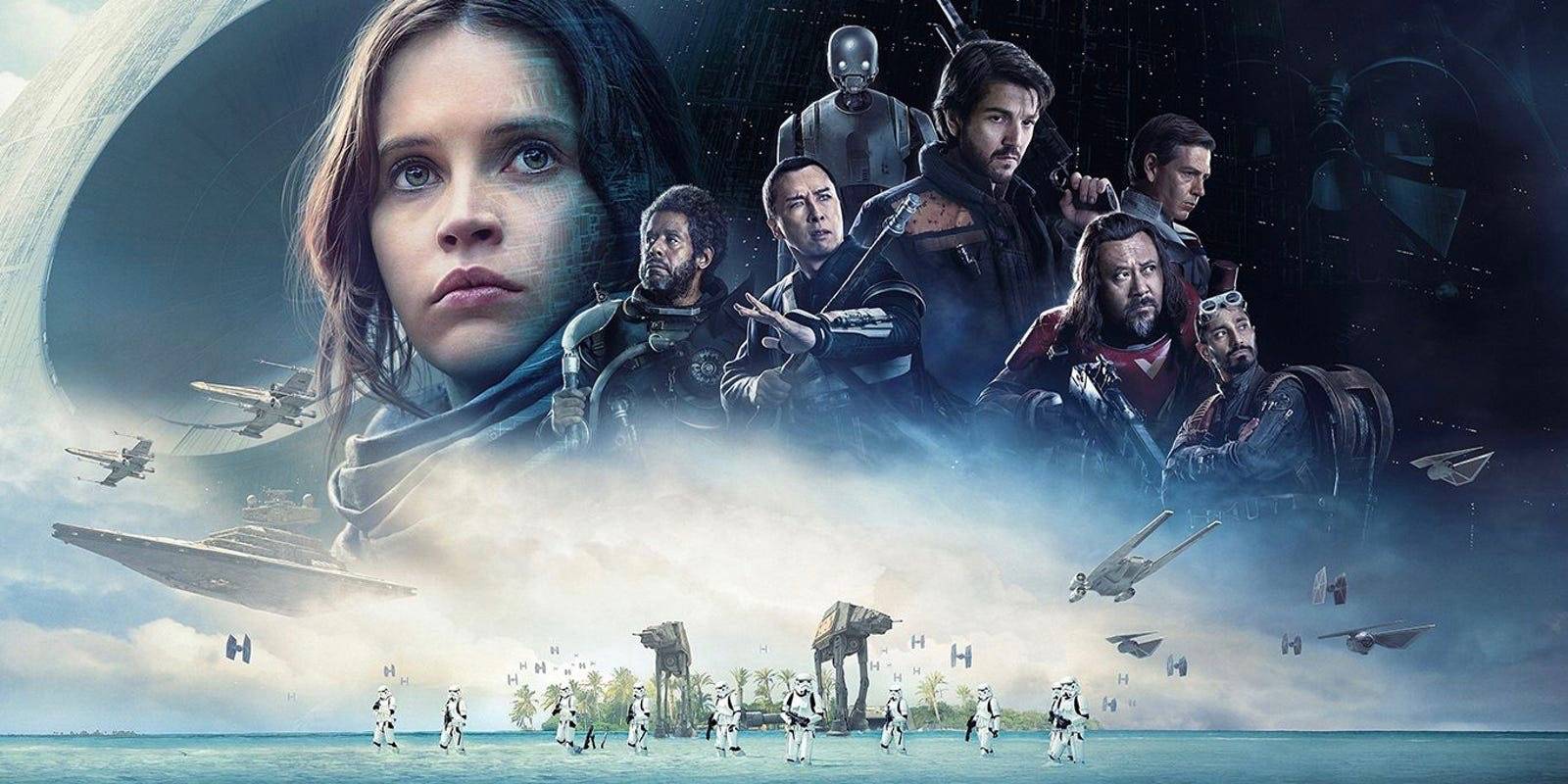
Chronologically, the film that immediately follows Rogue One: A Star Wars Story is Star Wars: Episode IV – A New Hope. The final scene of Rogue One, featuring the Tantive IV escaping Lord Vader's ship, transitions directly into the opening sequence of the 1977 original film, where the chase continues over the planet Tatooine.
The Star Wars timeline is vast and often non-linear in its release schedule. To understand what comes next after Rogue One, one must distinguish between the immediate story continuation (the Original Trilogy) and the narrative lead-up provided by newer series like Andor. As of 2026, the franchise has solidified these connections through high-fidelity streaming series and expanded canon, making the "bridge" between the prequel era and the classic era more robust than ever before.
The Seamless Transition to Episode IV: A New Hope
Rogue One is unique in the Star Wars saga because its ending is not a traditional conclusion; it is a prologue. The film concludes mere minutes—perhaps even seconds—before the start of A New Hope. When the Rebel blockade runner, the Tantive IV, jumps to hyperspace with the stolen Death Star plans, it sets the stage for the most famous pursuit in cinematic history.
The Immediate Narrative Handover
In A New Hope, the audience is introduced to Princess Leia Organa as she attempts to deliver those same plans to Obi-Wan Kenobi. Rogue One provides the essential context for her urgency. Without the sacrifice of the Rogue One squad on Scarif, the "technical readout" mentioned in the original film's opening crawl would never have reached the Rebellion.
Watching A New Hope immediately after Rogue One transforms the experience of the original film. The "small thermal exhaust port" is no longer just a convenient plot device; it is the intentional legacy of Galen Erso, a flaw he spent years hiding within the station’s design. This connection adds a layer of tragic irony and weight to the Battle of Yavin.
Visual and Technical Continuity
One of the major achievements of Rogue One was its commitment to matching the aesthetic of 1977. From the use of vintage-style lenses to the recreation of Grand Moff Tarkin and a young Princess Leia via digital performance capture, the film was designed to be watched back-to-back with the Original Trilogy. In 2026, with 4K restorations and HDR enhancements, the transition between the modern production of Rogue One and the classic look of A New Hope is smoother than ever, though the shift in pacing and special effects remains a charming reminder of the franchise's evolution.
Exploring the Broader Galactic Timeline
If you are looking for what comes next in terms of the "Saga" timeline beyond the immediate next movie, you are entering the Age of Rebellion. This era encompasses the struggle of the Rebel Alliance against the Galactic Empire and stretches across several key films and series.
The Original Trilogy Arc
Following A New Hope, the story continues through:
- Episode V: The Empire Strikes Back: Set three years after the destruction of the first Death Star, this film focuses on the Empire’s retaliation and Luke Skywalker’s Jedi training.
- Episode VI: Return of the Jedi: Set one year after The Empire Strikes Back, this concludes the war against the Empire with the Battle of Endor and the redemption of Anakin Skywalker.
For viewers who started with Rogue One, these films represent the fruition of the hope that Jyn Erso and her team died to preserve. The "Spark" mentioned by Admiral Holdo in later films—and referenced thematically in Rogue One—fully ignites during this trilogy.
The Post-Empire Era (The "Mandoverse")
In the 2026 landscape of Star Wars media, the timeline following the Original Trilogy has been extensively mapped out by series like The Mandalorian, Ahsoka, and The Book of Boba Fett. These stories take place roughly five to ten years after the events of Return of the Jedi. While they are chronologically much later than Rogue One, they deal with the vacuum of power left by the Empire, a regime whose terrifying height was best displayed in the final act of Rogue One.
The Prequel Connection: Andor
While A New Hope follows Rogue One in chronological time, the series Andor serves as the narrative predecessor. Having concluded its two-season run by 2026, Andor provides the definitive backstory for Cassian Andor and the formation of the Rebel Alliance.
Why Andor is Vital Context
If you have just finished Rogue One and want to understand the political machinations that led to the Battle of Scarif, Andor is the essential next watch, even though it takes place before the movie. It explores:
- The Radicalization of Cassian Andor: How a cynical scavenger became a dedicated intelligence officer.
- Mon Mothma’s Double Life: Her struggle to fund a rebellion while serving in the Imperial Senate.
- The Banality of Evil: A grounded look at how the Imperial bureaucracy functioned and oppressed the galaxy on a daily basis.
Season 2 of Andor specifically covers the four years leading up to Rogue One, with the final episodes leading directly into Cassian’s mission to find the pilot Bodhi Rook. For many fans, the "Rogue One Experience" is now a 24-episode journey through Andor followed by the film itself.
Viewing Order Comparison: Where to Go Next
Depending on your goals—whether you want to follow the story of the Rebellion, the story of the Skywalkers, or the history of the galaxy—your "next step" after Rogue One may vary.
| Viewing Goal | Next Title(s) | Era / Focus |
|---|---|---|
| Direct Story Continuation | Episode IV: A New Hope | The Galactic Civil War and the stolen plans. |
| Character Backstory | Andor (Seasons 1 & 2) | The origin of Cassian and the Rebellion's birth. |
| The Sith Perspective | Episode III: Revenge of the Sith | How the Empire began and Vader's transformation. |
| The Wider Galactic Context | Star Wars Rebels (Animated) | The early insurgency and the return of the Jedi. |
| The Full Skywalker Saga | The Original Trilogy (IV, V, VI) | The rise, fall, and redemption of the Skywalker family. |
The Impact of the Death Star Plans
To understand "what comes next," one must understand exactly what the characters in Rogue One achieved. The data transmitted from the Scarif vault was not just a map; it was a comprehensive structural analysis of the DS-1 Orbital Battle Station.
The Technical Reality of the Plans
When the plans reach the Rebel base on Yavin 4, General Jan Dodonna and his team of analysts (including those seen in A New Hope) use the data to identify the exhaust port vulnerability. This transition highlights a shift in the saga's tone: Rogue One is a "boots on the ground" war movie, while A New Hope is a "hero's journey" fantasy. However, the technical specifications provided by the Rogue One team are what make the "magic" of the Force-guided proton torpedo possible.
The Political Fallout
The immediate political consequence of Rogue One is the dissolution of the Imperial Senate. In A New Hope, Grand Moff Tarkin announces that Emperor Palpatine has swept away the last remnants of the Old Republic. The "theft" of the plans served as the final excuse the Emperor needed to transition from a semi-parliamentary autocracy to total military rule via the doctrine of fear (The Tarkin Doctrine).
Legacy Characters: Where Do They Go?
While the core cast of Rogue One does not survive the film, several key legacy characters appear in the movie and continue their stories in the subsequent films and series.
- Darth Vader: After his terrifying hallway rampage at the end of Rogue One, Vader continues his hunt for the plans in A New Hope. His role shifts from a peripheral "enforcer" to the primary antagonist of the Original Trilogy.
- Wilhuff Tarkin: Following the destruction of the Scarif base, Tarkin remains in command of the Death Star. His story concludes in A New Hope during the Battle of Yavin.
- Mon Mothma: Having authorized the mission (reluctantly or otherwise), she continues to lead the Rebellion from the shadows and eventually becomes the Chancellor of the New Republic, as seen in Return of the Jedi and the Ahsoka series.
- Bail Organa: Shortly after the events of Rogue One, Bail returns to his home planet of Alderaan. His story ends tragically in A New Hope when the Death Star destroys the planet, a moment that carries more weight when you realize he had just sent his daughter, Leia, on the mission that started it all.
Frequently Asked Questions
Is Rogue One considered Episode 3.5?
Unofficially, yes. Because it sits exactly between Episode III: Revenge of the Sith and Episode IV: A New Hope, fans often refer to it as "Episode 3.5." It bridges the twenty-year gap between the fall of the Republic and the height of the Galactic Civil War.
Should I watch the Prequel Trilogy before or after Rogue One?
If you are a first-time viewer, watching the Prequel Trilogy (Episodes I-III) first provides a better understanding of who Darth Vader is and why the Jedi are missing. However, Rogue One is designed to be accessible to those who have only seen the original 1977 film. In 2026, the recommended "Ultimate Chronological Order" usually starts with The Acolyte, moves through the Prequels, then Andor, then Rogue One, and finally the Original Trilogy.
Does any member of the Rogue One team survive?
In the cinematic canon, no. Every member of the core team—Jyn Erso, Cassian Andor, Chirrut Îmwe, Baze Malbus, Bodhi Rook, and K-2SO—perishes during the Battle of Scarif. Their sacrifice is a central theme of the film, emphasizing that the victory in A New Hope was built on the lives of those whose names were largely forgotten by history.
What is the best way to watch Star Wars in 2026?
The most popular method remains the Chronological Order, which places Rogue One as the final chapter of the "Rise of the Empire" era. However, the Release Order is still preferred by purists to preserve the plot twists of the Original Trilogy.
Are there any books or comics that take place immediately after Rogue One?
Yes. The novelization of A New Hope (often titled Star Wars: From the Adventures of Luke Skywalker) and the comic book series Star Wars (2015) and Star Wars (2020) from Marvel Comics fill in the gaps between the films. Specifically, the comic series Vader (by Kieron Gillen and later Greg Pak) explores Darth Vader’s perspective immediately following the loss of the Death Star.
Summary of Next Steps for the Viewer
To fully appreciate the Star Wars saga after watching Rogue One, your next steps should be:
- Watch Episode IV: A New Hope immediately. This provides the narrative payoff for the struggle seen in Rogue One.
- Continue through the Original Trilogy. The Empire Strikes Back and Return of the Jedi complete the story arc of the Rebellion and the Empire.
- View Andor. Now that the series is complete as of 2026, it offers the best companion piece to Rogue One, deepening the character of Cassian Andor and explaining the high stakes of the Imperial occupation.
- Explore the Expanded Era. If you want to see what happens to the galaxy after the Empire falls, move on to The Mandalorian or the Ahsoka series on Disney+.
By following this path, the viewer sees the transition from a desperate, fragmented resistance to a triumphant New Republic. Rogue One remains the essential pivot point that makes the entire saga feel more grounded and its victories more earned.