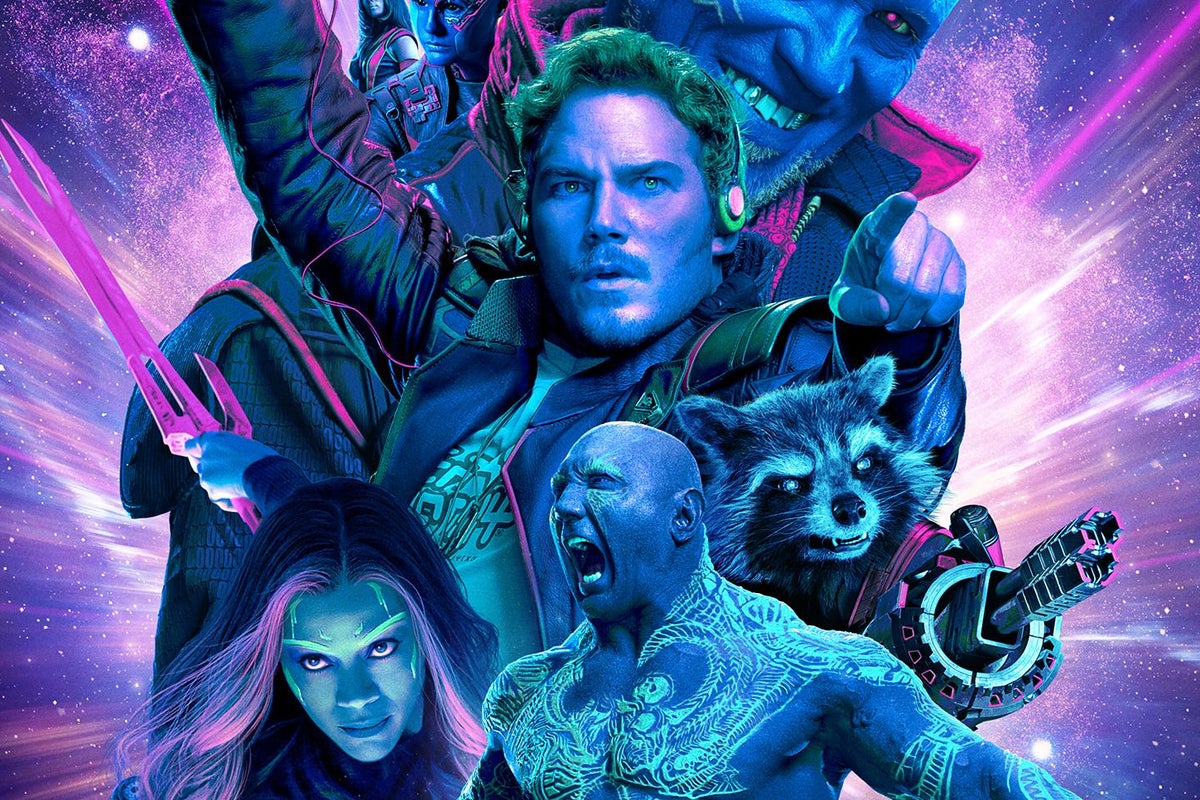
Immediately following the events of Avengers: Infinity War, the Marvel Cinematic Universe (MCU) continues with Ant-Man and the Wasp and Captain Marvel, both of which provide vital context for the 2019 climax, Avengers: Endgame. These films resolve the "Snap" cliffhanger and transition the franchise from the Infinity Saga into the Multiverse Saga.
The "Snap" heard ‘round the world in 2018 left audiences in a state of unprecedented shock. When Thanos snapped his fingers and erased half of all life in the universe, he didn't just end a movie; he fundamentally altered the structure of modern blockbuster storytelling. For viewers asking "after Infinity War what comes next," the answer is a multi-layered journey involving immediate sequels, a massive temporal resolution, and a shift toward a sprawling multiverse.
Understanding the sequence requires looking at both the release order and the chronological narrative. While Avengers: Infinity War was the beginning of the end for Phase 3, the road to recovery and the eventual "Blip" involved several key entries that bridged the gap between the devastation of Wakanda and the final stand at the Avengers Compound.
The Immediate Cinematic Response: Bridging the Gap
While fans were desperate to see the immediate fallout of the Snap, Marvel Studios intentionally shifted the focus to provide necessary puzzle pieces. Two films released between Infinity War and Endgame served to explain where key players were during the conflict and how the universe might eventually be saved.
Ant-Man and the Wasp (2018)
Released just months after Infinity War, this film takes place concurrently with the events leading up to the Battle of Wakanda. It focuses on Scott Lang (Ant-Man) as he deals with the consequences of his involvement in Captain America: Civil War. While the tone is significantly lighter than Infinity War, the narrative importance is massive.
The film introduces the Quantum Realm in greater detail. This subatomic dimension, where time and space operate differently, becomes the technological backbone for the eventual resolution in Endgame. The mid-credits scene is particularly crucial, showing Scott Lang becoming trapped in the Quantum Realm at the exact moment the Snap occurs, as his teammates—Hope van Dyne, Hank Pym, and Janet van Dyne—disintegrate into ash.
Captain Marvel (2019)
Though set primarily in 1995, Captain Marvel was strategically released two months before Endgame. It serves as an origin story for Carol Danvers and explains the origin of the pager Nick Fury used in the Infinity War post-credits scene.
By introducing the most powerful hero in the MCU at that time, Marvel established how the remaining Avengers would have the "heavy hitter" necessary to confront Thanos again. The film’s post-credits scene jumps to the present day, showing Carol Danvers arriving at the Avengers facility to meet Steve Rogers and Natasha Romanoff, setting the stage for the opening minutes of the next major crossover.
The Definitive Conclusion: Avengers: Endgame
The most direct answer to "what comes next" is undoubtedly Avengers: Endgame. Released in 2019, this three-hour epic serves as the grand finale to the Infinity Saga. It addresses the immediate aftermath of the Snap, showing the world five years later—a period often referred to in-universe as "The Blip."
The Narrative Structure of Endgame
Endgame is divided into three distinct acts that provide closure to the narrative threads started in 2008’s Iron Man:
- The Aftermath: The survivors attempt to kill Thanos, only to find he has destroyed the Infinity Stones, leaving them with no way to undo his actions.
- The Time Heist: Utilizing the Quantum Realm (introduced in Ant-Man and the Wasp), the Avengers travel back to various points in MCU history to retrieve the stones from the past.
- The Final Battle: The stones are used to bring everyone back, culminating in a massive confrontation against a past version of Thanos.
The film concludes the character arcs for Tony Stark and Steve Rogers, effectively passing the torch to a new generation of heroes. This transition is essential for understanding the content that follows in Phase 4 and Phase 5.
Transitioning to Phase 4: The Multiverse Saga Begins
Once the Infinity Stones were returned and the primary threat of Thanos was neutralized, the MCU underwent a significant expansion. If you are watching in 2026, you can see how the focus shifted from a linear struggle for power to a complex exploration of alternate realities.
Spider-Man: Far From Home (2019)
Acting as the official epilogue to Phase 3, this film explores the societal consequences of the Blip. It shows how the world struggled to reintegrate half its population after a five-year absence. It also serves as a personal story for Peter Parker, who must navigate a world without his mentor, Tony Stark.
The Introduction of Disney+ Series
One of the biggest changes after Infinity War was the integration of television series into the core narrative. Starting in 2021, shows like WandaVision, The Falcon and the Winter Soldier, and Loki became mandatory viewing for those wanting to follow the overarching plot.
- WandaVision: Explores Wanda Maximoff’s grief following Vision’s death in Infinity War.
- Loki: Directly branches off from a moment in Endgame, introducing the Time Variance Authority (TVA) and the concept of the Multiverse.
Key Media Released After Infinity War
To help navigate the dense release schedule following the 2018 crossover, the table below outlines the primary films and series that advanced the main narrative.
| Title | Release Year | Primary Narrative Role | Connection to Infinity War |
|---|---|---|---|
| Ant-Man and the Wasp | 2018 | World Building | Explains the Quantum Realm; Scott gets trapped by the Snap. |
| Captain Marvel | 2019 | Origin / Setup | Introduces the hero Nick Fury signaled in the post-credits. |
| Avengers: Endgame | 2019 | Conclusion | Directly resolves the Snap; ends the Infinity Saga. |
| Spider-Man: Far From Home | 2019 | Epilogue | Shows the global "aftershocks" of the Blip. |
| WandaVision (Series) | 2021 | Character Study | Deals with the trauma and loss caused by Thanos. |
| Loki (Series) | 2021 | Saga Transition | Explains why the Time Heist was allowed and opens the Multiverse. |
| Spider-Man: No Way Home | 2021 | Multiverse Expansion | First major cinematic collision of alternate realities. |
| Doctor Strange in the MoM | 2022 | Multiverse Exploration | Explores the dangers of "Incursions" between universes. |
The Current State of the MCU (2026 Perspective)
As of 2026, the MCU has moved deep into Phase 5 and is approaching the climax of the Multiverse Saga in Phase 6. The questions raised in Infinity War about the fragility of the universe have evolved. We are no longer concerned with just one universe being halved; we are now witnessing the potential destruction of entire timelines.
The primary antagonist has shifted from Thanos to the various incarnations of Council of Kangs and the emerging threat of Doctor Doom, as heralded by recent developments in the upcoming Avengers: Doomsday and Avengers: Secret Wars. The stakes have escalated from "Universal" to "Omniversal."
Legacy Characters and New Leaders
After the departure of Iron Man and Captain America, leadership has shifted. Captain America (Sam Wilson), Doctor Strange, and Captain Marvel now serve as the anchors of the franchise. Furthermore, the integration of the X-Men and the Fantastic Four—whose arrival was hinted at for years following the Disney/Fox merger—is now the central focus of the 2025 and 2026 release slate.
Common Obstacles for New Viewers
The sheer volume of content released since Infinity War can be overwhelming. Many viewers struggle with the "homework" required to understand the latest films. To solve this, it is recommended to focus on the Core Multiverse Path if you don't have time for every series.
The "Core Path" Strategy
If you want to understand the current 2026 landscape without watching 40+ projects, follow this sequence:
- Avengers: Infinity War & Endgame
- Loki (Seasons 1 & 2) – This explains the "rules" of the current saga.
- Spider-Man: No Way Home
- Doctor Strange in the Multiverse of Madness
- Ant-Man and the Wasp: Quantumania
- Deadpool & Wolverine (2024) – Essential for understanding how previous non-MCU franchises (like the X-Men) are being integrated.
The Role of "The Blip" in Ongoing Storytelling
Even years later, the "Blip" (the five-year gap where half the population was gone) remains the most significant historical event in the MCU. It serves as a narrative tool to explain character motivations and geopolitical shifts.
In The Falcon and the Winter Soldier, we see the rise of the Flag Smashers, a group that preferred the world during the five years when borders were open and resources were shared among fewer people. In Hawkeye, we see the personal toll on Clint Barton, who spent those five years as a lethal vigilante. Even in 2026, new characters being introduced often have their backstories rooted in whether they stayed or "dusted" during the events of Infinity War.
Frequently Asked Questions
Is there a movie between Infinity War and Endgame?
Yes, two movies were released between them: Ant-Man and the Wasp (July 2018) and Captain Marvel (March 2019). While neither film moves the "present-day" clock forward significantly, they both provide the necessary characters and science (the Quantum Realm) required for the Avengers to defeat Thanos in Endgame.
Do I need to watch the Disney+ shows to understand the movies?
While Marvel Studios has attempted to make the movies somewhat standalone, the Disney+ series provide much deeper context. For example, the status of the Multiverse is largely explained in Loki, and Wanda’s transformation into the Scarlet Witch happens entirely in WandaVision. Skipping these may make certain character motivations in later films like Doctor Strange in the Multiverse of Madness feel abrupt.
Who is the main villain after Thanos?
The Multiverse Saga initially positioned Kang the Conqueror as the "next Thanos." However, the narrative has since expanded to include other major threats, most notably Doctor Doom, who is set to play a pivotal role in the upcoming Avengers: Doomsday (2026) and Avengers: Secret Wars (2027).
What happened to the Infinity Stones after Endgame?
In the main MCU timeline (Earth-616), Thanos "reduced the stones to atoms" shortly after the Snap. The stones used in Endgame were borrowed from the past and returned to their original timelines by Steve Rogers. Therefore, the Infinity Stones are currently non-existent in the present-day MCU, which is why the characters have had to find new ways to defend the universe.
Is Tony Stark coming back?
As of 2026, Tony Stark remains dead in the main 616 continuity, having sacrificed himself at the end of Endgame. However, the Multiverse Saga allows for "variants" of characters to appear. While the legacy of Iron Man is carried on by characters like Riri Williams (Ironheart) and Rhodey (War Machine), the MCU has focused on the weight of his sacrifice rather than undoing it.
Next Steps for Fans
If you have just finished watching Avengers: Infinity War, your next immediate step is to watch Ant-Man and the Wasp, followed by Captain Marvel, and then the grand conclusion in Avengers: Endgame.
Once you have completed the Infinity Saga, the best way to stay current is to follow the release order on Disney+. Pay close attention to the "Multiverse Saga" branding, as this indicates the films and shows that will lead directly into the next massive crossover events, Avengers: Doomsday and Secret Wars. For those looking for a deeper dive, Marvel's official website provides updated timelines and character biographies that reconcile the complex chronology of the post-Snap world.