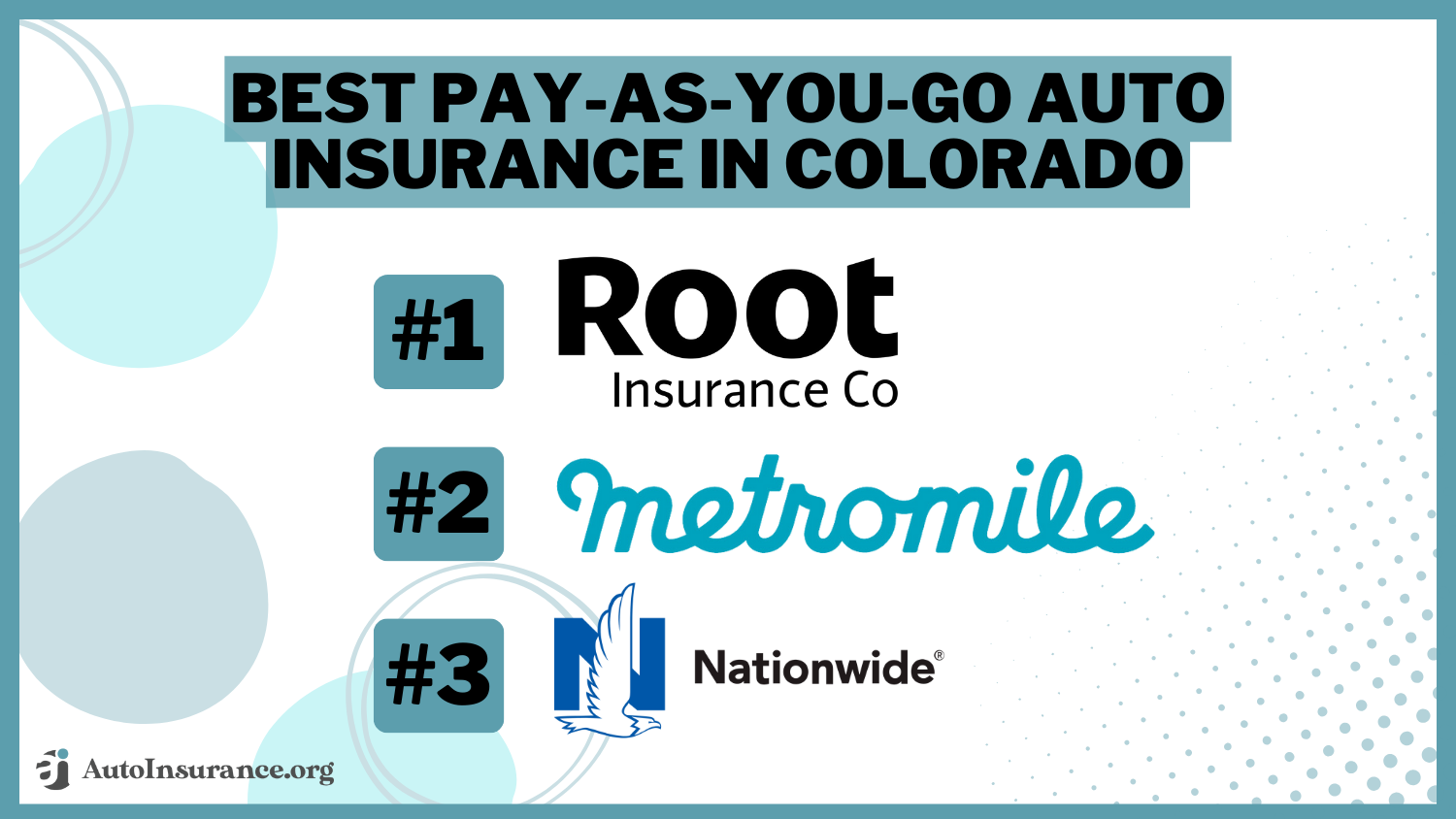
Finding affordable home and auto insurance in Colorado requires balancing state-specific regulatory frameworks, distinct regional risk factors like wildfire exposure and hail damage, and the strategic application of multi-policy discounts. By shopping around, adjusting deductibles, and leveraging local carrier offerings, Colorado residents can secure robust protection without overpaying.
Navigating the insurance market in the Centennial State can feel overwhelming. Homeowners and drivers face unique environmental challenges, dynamic property markets, and fluctuating premium rates across different counties. To secure comprehensive coverage while maintaining affordable monthly or annual payments, you must understand the underlying mechanics of how Colorado insurers calculate risk, evaluate your coverage options, and implement proven cost-reduction strategies.
Understanding the Colorado Insurance Landscape
The insurance ecosystem in Colorado is shaped by a combination of state regulatory guidelines set by the Colorado Division of Insurance (DII), regional geography, and weather-related loss histories. Unlike states with heavily state-mandated rate structures, Colorado operates in a relatively competitive file-and-use regulatory environment where private insurers adjust rates based on actuarial data, subject to regulatory approval.
Colorado’s diverse topography creates distinct insurance sub-markets. Urban centers along the Front Range—including Denver, Colorado Springs, Aurora, and Boulder—experience higher auto insurance rates driven by traffic congestion, higher rates of vehicle theft, and a high volume of commuter accidents. Conversely, mountain and rural communities often face different financial pressures, primarily revolving around property risks such as wildfire vulnerability and limited local fire suppression infrastructure.
Furthermore, Colorado's legal framework dictates how policies are structured. For auto insurance, Colorado is a tort state (fault-based system), meaning the driver responsible for an accident is liable for the damages. This requires drivers to carry minimum liability limits, though carrying only the state minimum often leaves motorists financially exposed after a severe collision. For home insurance, policies are heavily influenced by the soaring costs of construction materials and labor, which have risen significantly over recent years, impacting replacement cost calculations across the state.
Core Requirements for Auto Insurance in Colorado
Before exploring strategies for affordability, every Colorado driver must comply with state-mandated minimum liability coverage. Driving without insurance in Colorado carries severe penalties, including fines, suspension of driving privileges, and mandatory points on your motor vehicle record.
State-Mandated Minimums
Under Colorado law, all registered vehicle owners must maintain liability insurance with the following minimum limits:
- $25,000 for bodily injury or death to one person in any single accident.
- $50,000 for total bodily injury or death liability per accident.
- $15,000 for property damage liability per accident.
These figures are commonly expressed as 25/50/15 coverage. While these limits satisfy legal requirements, financial experts widely advise purchasing higher limits (such as 100/300/100) to protect personal assets from severe lawsuits resulting from major accidents.
Optional and Recommended Auto Coverages
To build a resilient policy that protects against unexpected financial loss, drivers should consider adding several optional coverages:
- Collision Coverage: Pays for damage to your vehicle resulting from a collision with another car or object, regardless of fault.
- Comprehensive Coverage: Protects against non-collision incidents, such as theft, vandalism, glass breakage, animal strikes, and severe weather like hail—a major cost driver in Colorado.
- Uninsured/Underinsured Motorist (UM/UIM) Coverage: Covers your medical bills and property damage if you are hit by a driver who carries no insurance or insufficient limits. Colorado insurers are required to offer UM/UIM coverage, though you have the right to reject it in writing.
- Medical Payments (MedPay): Covers medical and funeral expenses for you and your passengers after an accident, regardless of fault.
Core Requirements and Realities of Home Insurance in Colorado
Unlike auto insurance, home insurance is not legally mandated by the state of Colorado unless you have a mortgage. However, mortgage lenders universally require homeowners to maintain a hazard insurance policy that covers the full replacement cost of the dwelling for the duration of the loan.
Understanding HO-3 and HO-5 Policy Structures
Most Colorado homeowners purchase an HO-3 Special Form policy, which provides open-peril coverage for the physical structure of the home (meaning all risks of physical loss are covered unless specifically excluded, such as floods or earthquakes) and named-peril coverage for personal belongings. High-value homes may qualify for an HO-5 Comprehensive Form, which extends open-peril coverage to personal property as well.
Critical Considerations for Colorado Property Owners
Colorado homeowners face specific regional peril risks that require close attention when reviewing policy declarations:
- Wildfire Exposure: Properties located in the Wildland-Urban Interface (WUI)—particularly in counties near the foothills such as Jefferson, Boulder, Larimer, and El Paso—face heightened wildfire risk. Some carriers have restricted new policies in these high-hazard zones, requiring homeowners to adopt mitigation strategies like defensible space clearing and fire-resistant roofing materials to qualify for standard coverage.
- Hail and Wind Damage: Colorado ranks among the top states nationally for severe convective storms and hail damage. Many insurers in the state have implemented percentage-based deductibles for wind and hail damage (e.g., 1% to 5% of the total dwelling coverage limit) rather than a flat dollar deductible, which can significantly increase out-of-pocket costs after a severe storm.
- Water Damage and Backup: Standard policies typically exclude flood damage, requiring a separate policy through the National Flood Insurance Program (NFIP) or private markets. Additionally, homeowners should consider adding water backup endorsements to cover sewer or drain backups, which are not covered under standard water damage provisions.
Strategies for Finding Affordable Home and Auto Insurance
Securing affordable coverage does not mean cutting essential protections; rather, it involves optimizing your risk profile, leveraging available discounts, and shopping across multiple carriers.
1. Bundle Home and Auto Policies
One of the most effective ways to lower your overall insurance expenditures in Colorado is through bundling. Insurers frequently offer substantial discounts—often ranging from 15% to 25%—when you purchase both your homeowners and auto insurance policies through the same company. Bundling simplifies claims management, streamlines billing, and makes you a more valued customer in the eyes of the carrier.
2. Optimize Deductibles Strategically
Raising your deductibles—the amount you pay out-of-pocket before insurance kicks in—is a reliable way to reduce monthly premiums.
- Increasing an auto collision deductible from $500 to $1,000 can reduce collision premium costs by 15% to 30%.
- For homeowners insurance, moving from a $1,000 flat deductible to a higher threshold yields similar savings, though you must ensure you have adequate emergency savings to cover the higher out-of-pocket cost in the event of a claim.
3. Maintain and Improve Your Credit-Based Insurance Score
In Colorado, insurers are permitted to use credit-based insurance scores (where legally allowed and compliant with state regulations) as a factor in determining premium rates. Consumers with higher credit scores statistically file fewer claims. Regularly checking your credit report, correcting errors, and paying down revolving debt can translate directly into lower insurance premiums over time.
4. Implement Risk Mitigation Measures
Insurance companies reward proactive risk reduction. For auto insurance, maintaining a clean driving record free of moving violations and at-fault accidents for three to five years unlocks safe-driver discounts. Many carriers also offer telematics or app-based programs that track driving habits (speed, braking, mileage) for additional discounts.
For homeowners, lowering your risk profile involves physical property updates:
- Installing an impact-resistant roof (Class 4 rated shingles) can earn significant premium discounts from Colorado insurers due to the state's frequent hail storms.
- Upgrading plumbing, electrical, and HVAC systems reduces the likelihood of catastrophic failure.
- Installing monitored security systems, smoke detectors, and smart-home water shut-off valves provides additional safety credits.
Comparing Coverage Options and Discounts
To evaluate how different choices impact your overall financial commitment, consider the following structured comparison of policy structures and cost-saving vectors.
| Coverage Type | Primary Risk Factors in Colorado | Common Discounts Available | Average Cost-Reduction Impact |
|---|---|---|---|
| Auto Insurance | Traffic density, vehicle theft, uninsured drivers, accident history | Multi-car, safe driver, paperless billing, defensive driving course | 10% to 25% per discount category |
| Home Insurance | Wildfire exposure, hail/windstorms, construction cost inflation | Bundling (Home + Auto), roof upgrade (Class 4), security systems, new home construction | 15% to 30% total premium reduction |
Step-by-Step Guide to Shopping for Insurance in Colorado
Finding the right policy requires a methodical approach. Follow these operational steps to secure the best balance of price and protection:
- Audit Your Current Policies: Review your existing declarations pages. Note your current coverage limits, deductibles, and endorsement riders. Identify any gaps or unnecessary coverages you no longer need.
- Determine Your Coverage Needs: Calculate the true replacement cost of your home (not its market value) and select liability limits that reflect your net worth and asset protection needs.
- Gather Quotes from Multiple Sources: Obtain quotes from at least three different providers. This should include a mix of large national carriers, regional insurers specializing in western states, and independent insurance agents who can compare multiple carriers simultaneously.
- Verify Carrier Financial Strength: Check the financial stability ratings of prospective insurers through independent rating agencies like A.M. Best. A low-cost policy is of little value if the company struggles to pay claims promptly following a widespread regional disaster.
- Review and Finalize: Once you select a carrier, verify that all applicable discounts (bundling, safety features, paperless sign-up) have been correctly applied to your policy declarations before signing.
Common Mistakes to Avoid
When shopping for affordable insurance, policyholders often make critical errors that compromise their financial security:
- Focusing Solely on the Lowest Premium: Choosing the cheapest policy often means accepting dangerously low liability limits, high out-of-pocket deductibles, or missing essential coverages like underinsured motorist protection.
- Failing to Update Replacement Cost Estimates: Construction costs fluctuate. If your home insurance dwelling limit has not been updated to reflect current local building costs, you risk being severely underinsured in a total loss scenario.
- Overlooking Special Deductibles: Failing to read the fine print regarding percentage-based wind and hail deductibles can lead to unexpected out-of-pocket expenses after a major Front Range hailstorm.
- Not Reporting Home Improvements: Completing a roof upgrade or security system installation without notifying your insurer means missing out on valuable premium credits.
Frequently Asked Questions
What is the minimum auto insurance required in Colorado?
Colorado law requires all drivers to carry liability insurance with minimum limits of $25,000 for bodily injury per person, $50,000 for total bodily injury per accident, and $15,000 for property damage per accident (often written as 25/50/15).
Why is home insurance so expensive in Colorado?
Colorado experiences a high frequency of costly natural disasters, particularly severe hailstorms that cause extensive roof damage and wildfires in wildland-urban interface areas. Additionally, rising costs for building materials and labor across the state have increased overall property replacement costs.
Does standard homeowners insurance cover flood damage in Colorado?
No. Standard HO-3 and HO-5 homeowners insurance policies explicitly exclude flood damage. Property owners in designated flood zones—or those seeking comprehensive protection against heavy spring snowmelt and flash flooding—must purchase a separate flood insurance policy.
How can I lower my auto insurance rates if I have a teenage driver?
Adding a teen driver significantly increases auto insurance premiums. You can mitigate this increase by enrolling the teen in an approved driver's education course, adding them to the vehicle with the best safety ratings rather than a sports car, utilizing good student discounts for maintaining a B average or higher, and asking about telematics monitoring programs.
Are Class 4 impact-resistant roofs worth the investment in Colorado?
Yes. Because Colorado is prone to severe hail damage, many insurers offer substantial annual premium discounts (often 10% to 25%) for homes equipped with UL 2218 Class 4 impact-resistant roofing materials, which can help offset the initial installation cost over time.
Recommended Next Action
Take 30 minutes today to pull your current home and auto insurance declarations pages. Compare your liability limits against your current asset exposure, check whether you are taking advantage of multi-policy bundling discounts, and reach out to an independent insurance agent in Colorado to run comparative quotes across multiple carriers to verify you are getting the best value for your coverage.