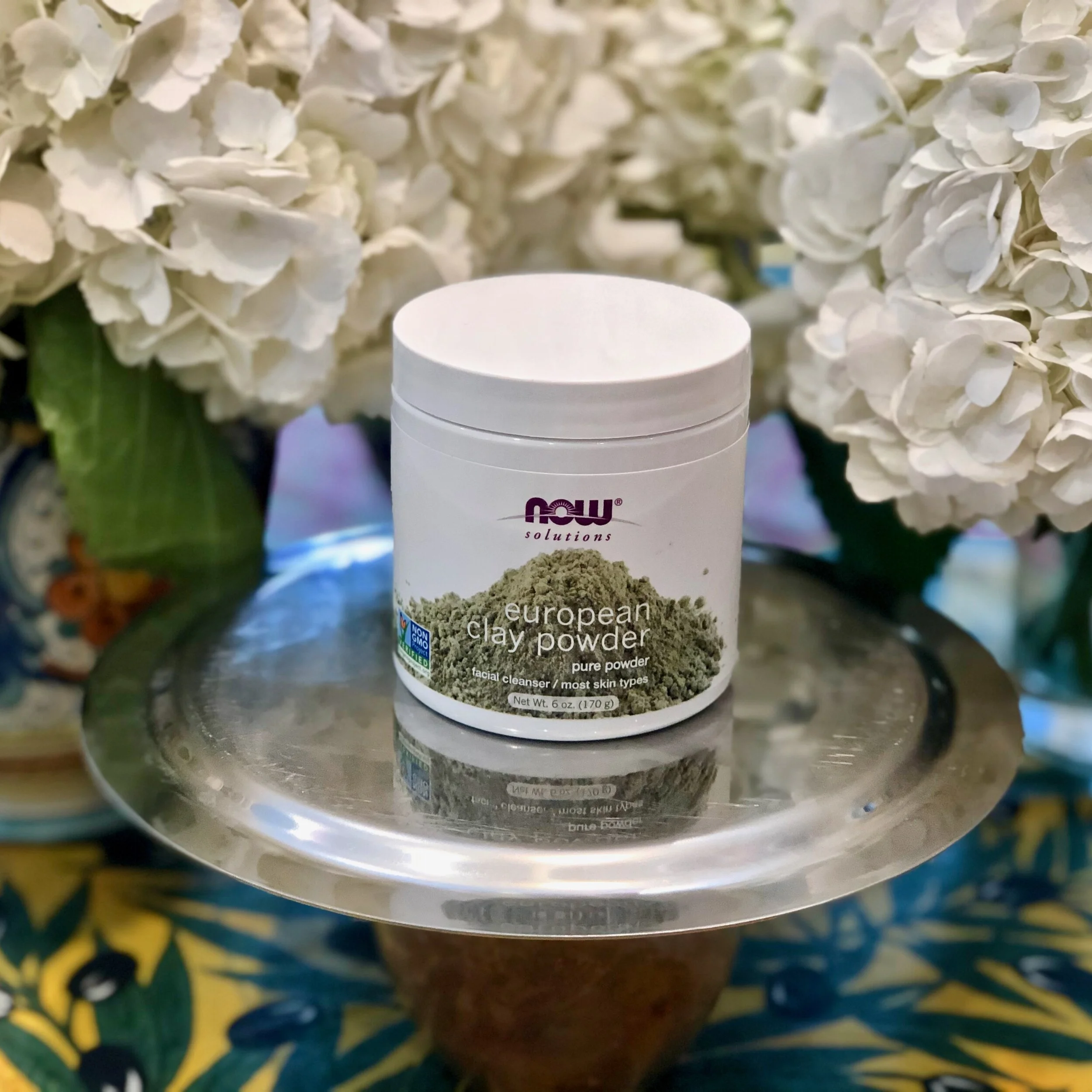
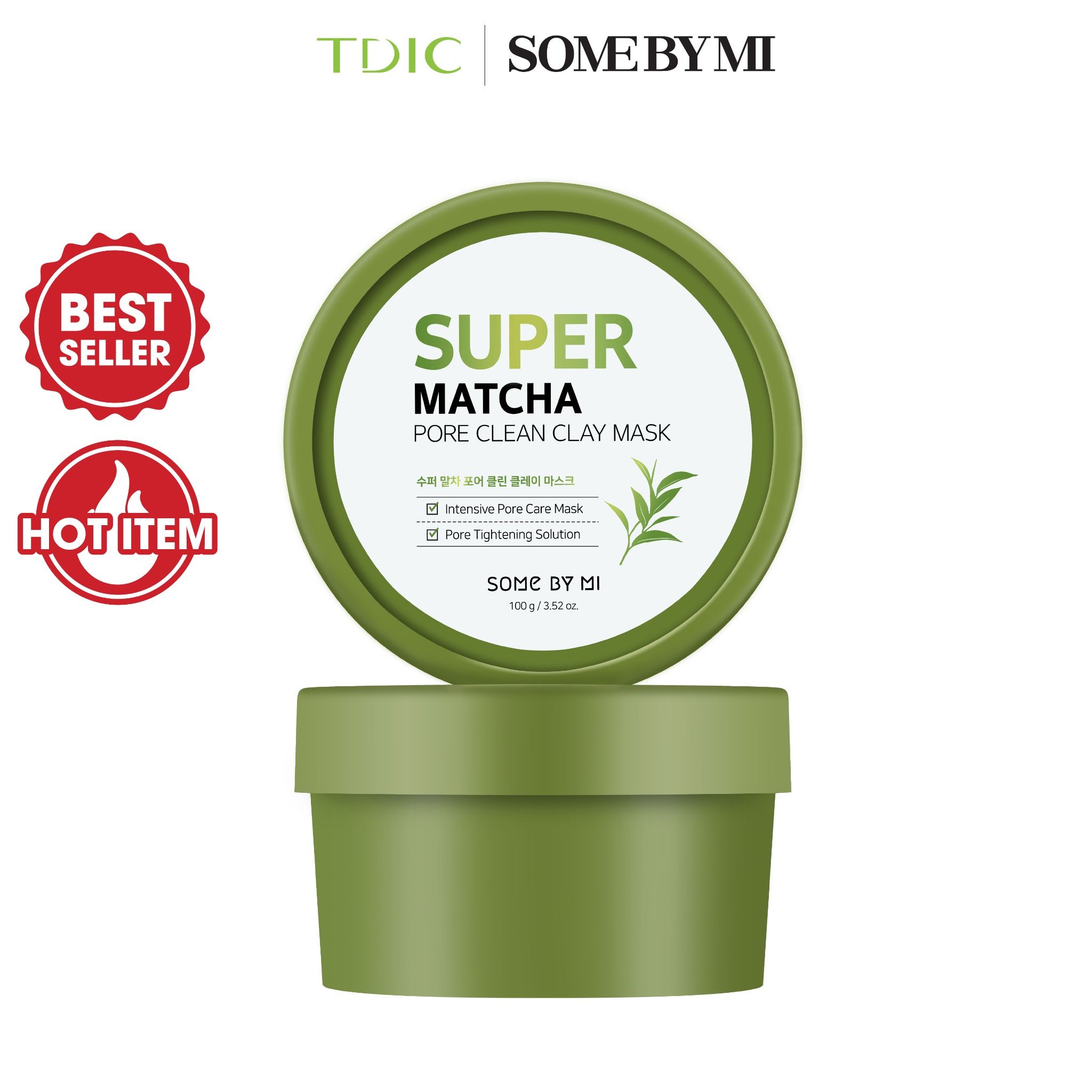
An affordable clay mask offers deep cleansing, oil control, and pore purification without requiring a luxury skincare budget. Formulated with mineral-rich clays like kaolin or bentonite, these budget-friendly treatments absorb excess sebum and gently exfoliate the skin. Consumers can easily find highly effective options at local drugstores or online retailers that rival high-end alternatives.
Understanding the Appeal and Function of Clay Masks
Clay has been utilized in beauty and wellness routines for centuries. From ancient spa rituals to modern dermatology clinics, mineral-rich earths remain a cornerstone of deep-cleansing skincare. When integrated into a weekly routine, an affordable clay mask can help manage oily complexions, reduce the appearance of enlarged pores, and clear surface impurities. The primary mechanism of action involves adsorption—where impurities and excess oils bind to the clay particles as the formula dries—followed by gentle mechanical exfoliation as the mask is rinsed away.
The beauty market often associates high price tags with superior performance, but formulation chemistry tells a different story. The active ingredient in any clay mask is the geological earth itself—such as bentonite, kaolin, French green clay, or fuller's earth. These raw materials are globally abundant and relatively inexpensive to source. Consequently, brands do not need to charge exorbitant prices to deliver a potent, effective product. Understanding how to evaluate these ingredients allows consumers to build an efficient skincare routine while remaining fiscally responsible.
Key Types of Clay Used in Budget Skincare
Before purchasing an affordable clay mask, identifying the specific clay variety used in the formulation is essential. Different types of clay possess distinct mineral compositions, absorption capacities, and pH levels, making them suitable for specific skin types.
Bentonite Clay
Derived from weathered volcanic ash, bentonite clay is renowned for its powerful drawing capabilities. When mixed with liquid, it swells like a porous sponge and carries a strong negative electrical charge. This charge acts as a magnet for positively charged toxins, heavy metals, and excess sebum. Bentonite is ideal for oily, acne-prone, or combination skin types. However, its high absorption capacity means it can be overly drying for sensitive or dry complexions.
Kaolin Clay
Kaolin clay is a gentler, finer earth available in several varieties, including white, pink, red, and yellow. White kaolin is the mildest, offering very gentle exfoliation and oil absorption without disrupting the skin barrier. This makes it suitable for sensitive, dry, or mature skin. Red and yellow kaolin varieties contain higher iron oxide content and offer moderate oil-absorbing properties, making them balanced choices for normal skin.
French Green Clay (Illite)
Composed of iron oxides, decomposed plant matter, and trace minerals, French green clay is exceptionally absorbent. It stimulates blood circulation to the skin surface while tightening pores and removing impurities. Because of its potency, it is best suited for resilient, oily skin types and should be used with caution by those prone to irritation.
Comparing Popular Budget-Friendly Clay Masks
To illustrate the variety available in the budget skincare market, the following table compares several widely accessible, cost-effective clay masks based on their primary clay type, target skin concern, and approximate price point.
| Product Category / Type | Primary Clay Ingredient | Best Suited For | Key Benefits | Approximate Price Range |
|---|---|---|---|---|
| Pure Bentonite Powder | Sodium Bentonite | Oily, Acne-Prone Skin | Deep pore cleansing, intense oil removal | $5 – $10 (large bulk tub) |
| Kaolin & Calamine Blends | White Kaolin, Calamine | Sensitive, Reactive Skin | Soothing redness, mild oil control | $4 – $8 |
| Green Clay & Herbal Extracts | Illite (French Green), Kaolin | Combination, Congested Skin | Balancing T-zone, clarifying pores | $6 – $12 |
| Volcanic Ash & Charcoal Mud | Kaolin, Activated Charcoal | Dull, Environmentally Stressed Skin | Detoxifying, brightening, smoothing texture | $7 – $15 |
Essential Factors to Consider When Selecting an Affordable Clay Mask
Navigating the drugstore aisle or online marketplaces requires a discerning eye. A low price should never come at the expense of skin health or product safety. Evaluating several core criteria helps ensure optimal results.
Ingredient Transparency and Formulation Quality
Check the ingredient deck to see where the clay ranks. In effective clay masks, kaolin or bentonite typically appears near the top of the list. Furthermore, look for supporting hydrating and soothing ingredients. Because clay can be drying, formulations that include glycerin, hyaluronic acid, aloe vera, or plant extracts help maintain moisture balance during the drying process.
Fragrance and Potential Irritants
Many inexpensive skincare products rely heavily on synthetic fragrances and artificial dyes to enhance the sensory experience. For individuals with sensitive skin, eczema, or rosacea, these additives can trigger contact dermatitis or allergic reactions. Prioritize fragrance-free or hypoallergenic formulas whenever possible.
Packaging Integrity
Clay masks are sold in two primary formats: dry powders that require mixing, and pre-mixed creams in jars or squeeze tubes. Dry powders offer superior shelf life and contain fewer preservatives because bacteria cannot thrive without moisture. Pre-mixed tubes offer convenience but may require stronger preservative systems to maintain microbiological safety over time. Squeeze tubes are generally more hygienic than open jars, which expose the product to repeated finger dipping and environmental contamination.
Proper Application and Usage Techniques
Maximizing the benefits of an affordable clay mask requires correct application methodology. Misusing clay treatments can lead to excessive dryness, barrier disruption, and irritation.
- Cleanse First: Always apply a clay mask to freshly cleansed skin. Removing surface makeup, sunscreen, and daily grime ensures the clay can interact directly with the pores.
- Apply an Even Layer: Use a clean foundation brush or fingertips to spread an even, opaque layer across the face. Avoid the delicate eye area and lips, where skin is thin and prone to dehydration.
- Monitor the Drying Time: A common misconception is that a clay mask must dry completely until it cracks and tightens painfully. In practice, masks should be rinsed off when they transition from wet to slightly tacky—typically around 10 to 15 minutes. Allowing the mask to dry completely draws out essential moisture from the stratum corneum, leading to rebound oil production and irritation.
- Rinse with Lukewarm Water: Use gentle circular motions with lukewarm water to loosen the clay. Avoid harsh scrubbing towels, which can cause micro-tears in softened skin.
- Follow Up with Hydration: Immediately apply a hydrating toner, essence, or moisturizer to lock in moisture and reinforce the skin barrier.
Common Mistakes to Avoid with Budget Clay Treatments
Even with high-quality, cost-effective products, certain pitfalls can undermine skincare goals.
Overusing clay masks is the most frequent error. While oily skin may benefit from two applications per week, normal or combination skin typically requires only one session every seven to ten days. Exceeding this frequency strips the acid mantle, leaving the skin vulnerable to dehydration, flaking, and inflammation.
Another mistake involves improper DIY mixing. When purchasing pure bentonite or kaolin powders to save money, users sometimes mix the clay with tap water or harsh additives like pure apple cider vinegar without patch testing. Highly acidic mixtures can disrupt the skin's natural pH, causing stinging and redness. Utilizing distilled water, rose water, or green tea provides a safer, more balanced liquid base.
Frequently Asked Questions
Can an affordable clay mask work just as well as luxury brands?
Yes. The efficacy of a clay mask depends primarily on the quality and type of mineral earth used in the formulation. Many budget-friendly brands source the exact same cosmetic-grade clays as high-end luxury lines. While luxury products may feature elaborate packaging or botanical extracts, basic clay purification remains equally effective at lower price points.
How often should I use a clay mask if I have combination skin?
For combination skin, limit usage to once a week. You can also practice multi-masking by applying the clay mask exclusively to the T-zone (forehead, nose, and chin) where oil production is highest, while avoiding drier areas like the cheeks.
Is it safe to let a clay mask dry completely on my face?
No. Allowing a clay mask to dry completely until it cracks absorbs the skin's natural moisture alongside excess sebum. Rinse the mask off while it still feels slightly damp and pliable to prevent dehydration and irritation.
Can pure clay powder be stored indefinitely?
Dry clay powder has an indefinite shelf life if stored in a cool, dry place away from moisture and direct sunlight. Once mixed with water or liquid, however, the mixture must be used immediately or stored with appropriate preservatives to prevent bacterial growth.
Are clay masks suitable for acne-prone skin?
Clay masks are highly beneficial for acne-prone skin because they absorb excess sebum and help clear debris from pores. However, they are not a standalone cure for clinical acne and should be used alongside targeted treatments like salicylic acid or benzoyl peroxide as recommended by a dermatologist.
Conclusion and Next Actionable Steps
Finding an effective skincare solution does not require spending excessive amounts of money. By understanding your skin type, evaluating ingredient lists, and selecting the appropriate clay variety—whether gentle kaolin or deep-cleansing bentonite—you can easily incorporate an affordable clay mask into your weekly regimen. To begin, assess your skin's primary concerns regarding oil control or texture, select a well-formulated budget option, and perform a patch test before full facial application to ensure optimal compatibility.