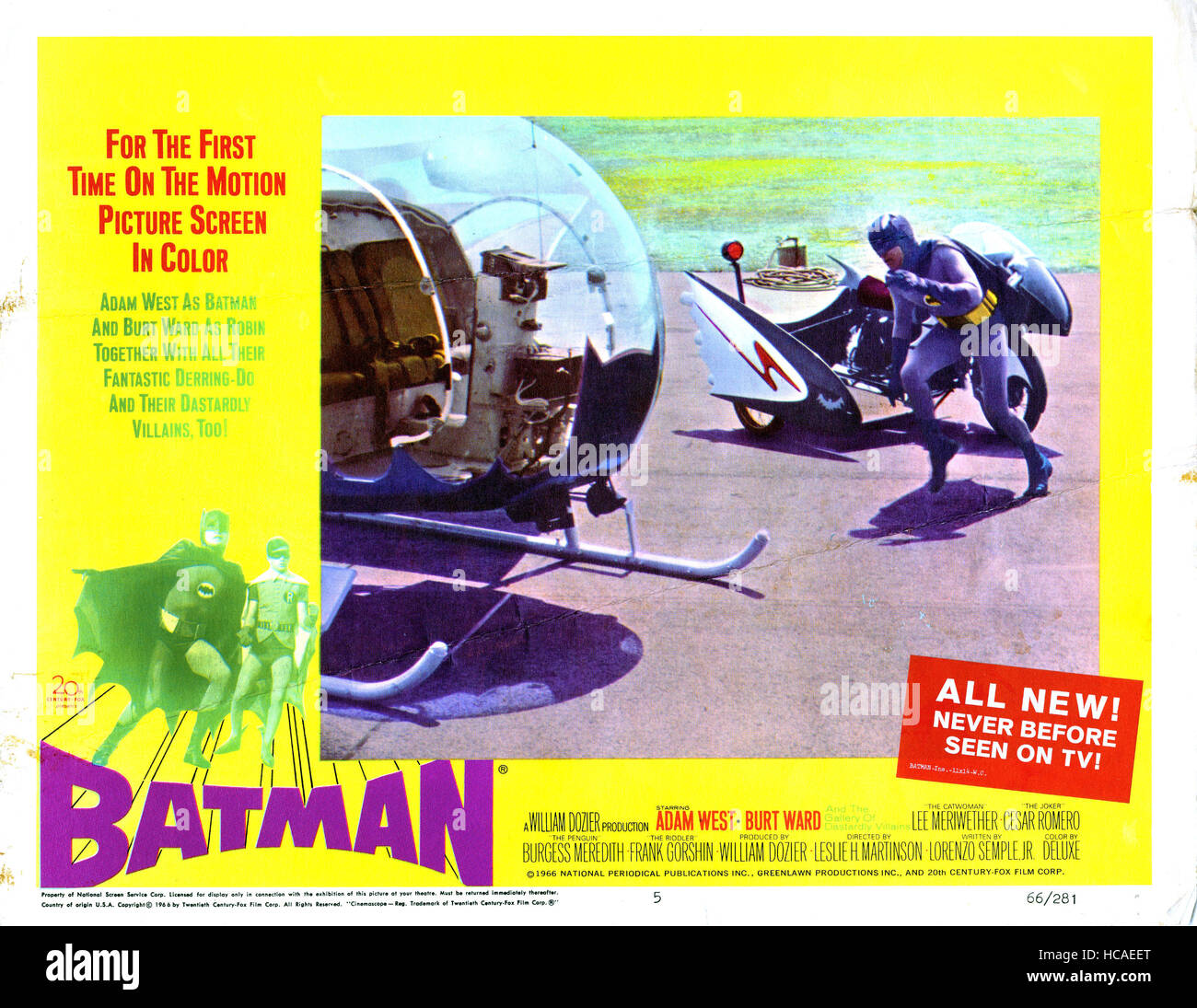
Adam West built a screen career spanning over six decades, leaving an indelible mark on American pop culture. While globally revered for defining Bruce Wayne in the 1966 theatrical film Batman and its companion television series, West's filmography extends far beyond Gotham City into classic sci-fi, studio dramas, cult horror, and acclaimed voice work.
Early Career and Studio Hollywood (1957–1965)
Before stepping into the batsuit, Adam West (born William West Anderson) spent nearly a decade establishing himself as a reliable, handsome leading man in studio Hollywood. His early film work showcased a traditional theatrical presence, defined by deep vocal resonance, expressive screen demeanor, and physical stature that suited mid-century Westerns, military dramas, and studio romances.
- Early Studio Era (1957–1965)
- Batman Feature (1966)
- Cult & B-Movie Era (1970s–1990s)
- Voice & Legacy Films (2000s–2010s)
Breaking Out in Drama and Westerns
West’s major film breakthrough arrived in the 1959 Warner Bros. legal drama The Young Philadelphians. Directed by Vincent Sherman, the film starred Paul Newman as an ambitious lawyer climbing Philadelphia’s high society. West played William Lawrence III, a wealthy socialite whose sudden death in a drunk-driving accident serves as a major narrative catalyst. West's refined performance demonstrated his ability to hold his own alongside top-tier Hollywood stars, establishing his viability for major studio casting calls.
Following The Young Philadelphians, West transitioned into Western cinema, a genre booming in early 1960s Hollywood:
- Geronimo (1962): Directed by Arnold Laven and starring Chuck Connors, this historical Western featured West as Lieutenant John Delahay, an army officer caught in the conflict between Native American forces and the United States government. West brought a disciplined, classic hero persona to the role, further solidifying his image as a heroic screen figure.
- Mara of the Wilderness (1965): In this adventure film, West starred as Ken Walter, a wildlife photographer who discovers a young woman raised by wolves in the Alaskan wilderness. The film allowed West to take central top-billing status in a family adventure narrative.
Sci-Fi and Comedy Milestones
The mid-1960s expanded West’s versatility across genre cinema, positioning him directly in front of audiences looking for imaginative storytelling and physical comedy:
- Robinson Crusoe on Mars (1964): Directed by sci-fi pioneer Byron Haskin, this film remains a milestone of 1960s space cinema. West played Major Dan McReady, the commander of the first crewed mission to Mars. Though his character meets an early fate when his spacecraft crashes, West’s performance established the grounded, authoritative tone of the film's opening act. Over the decades, the movie has gained deep critical respect for its practical visual effects and realistic approach to space exploration.
- The Outlaws Is Coming (1965): West demonstrated his comedic timing alongside The Three Stooges (Moe Howard, Larry Fine, and Joe DeRita) in their final feature film. West played Kenneth Cabot, an eccentric magazine publisher turned unlikely Western sharpshooter. The movie showed West's comfort with physical comedy and exaggerated heroics—traits that directly caught the attention of producers looking for a lead actor for an upcoming comic book adaptation.
The Batman Phenomenon: Batman: The Movie (1966)
In late 1965, producer William Dozier cast Adam West as Bruce Wayne/Batman for a new 20th Century Fox production. Following the explosive success of the TV show's first season, Fox greenlit a feature-length film to capitalize on global "Batmania" and release the project in international markets where the television show had not yet broadcast.
- 1966 Feature Film: Batman
- Camp Aesthetic (Deadpan Delivery)
- High-End Props (Bat-copter/Boat)
- Ensemble Villains (Joker, Penguin, etc.)
Production and Technical Scale
Released in August 1966 between the first and second seasons of the television series, Batman (commonly referred to as Batman: The Movie) took full advantage of a larger feature film budget. While the TV series relied primarily on soundstages and stock footage, the movie introduced high-budget vehicles built specifically for the big screen, including the Batboat and the Batcopter.
Directed by Leslie H. Martinson, the film featured West opposite Burt Ward as Robin, squaring off against a rogue's gallery of four primary villains: The Joker (Cesar Romero), The Penguin (Burgess Meredith), The Riddler (Frank Gorshin), and Catwoman (Lee Meriwether, replacing Julie Newmar due to scheduling conflicts).
West's Performance and Cultural Legacy
West’s genius in Batman: The Movie lay in his deadpan delivery. Playing an inherently outrageous concept with absolute, solemn earnestness, West treated every line of dialogue—from lecturing Robin on pedestrian safety to struggling to dispose of a lit bomb along a crowded pier—with theatrical seriousness.
The film was shot in bright, saturated DeLuxe Color and featured pop-art visual cues, such as stylized sound-effect graphics during fight sequences. West’s portrayal set the definitive standard for camp superhero entertainment of the era. While later cinematic adaptations by Tim Burton, Christopher Nolan, and Matt Reeves pursued dark, gritty realism, West’s 1966 feature remains a celebrated piece of mid-century pop-art cinema.
Post-Batman Typecasting and Cult Cinema (1970s–1990s)
When Batman ended its television run in 1968, West faced severe Hollywood typecasting. Executive producers and casting agents struggled to envision the actor outside the iconic cowl, leading West to embrace independent filmmaking, European co-productions, and lower-budget genre cinema throughout the 1970s, 1980s, and 1990s.
Horror and Sci-Fi Cult Classics
During the late 1970s and 1980s, West found a welcoming home in independent horror and science fiction films. His presence brought immediate name recognition and marquee value to low-budget titles:
The Evil (1978): Directed by Gustave Hmirdis, this supernatural horror film featured West alongside Richard Crenna and Yvette Mimieux. West played Dr. Ernest Wittenberg, a skeptic investigating a haunted mansion built over a sulfur pit. The film won praise among genre enthusiasts for its eerie atmosphere and solid practical effects.
One Dark Night (1983): Directed by Tom McLoughlin, this atmospheric horror film placed West in the role of Allan Christie, a man tied to a telepathic occultist whose corpse terrorizes a mausoleum. West delivered a reserved, mature performance that grounded the film's supernatural elements.
Zombie Nightmare (1987): A staple of late-1980s B-movie culture, this Canadian production starred bodybuilder Jon Mikl Thor and featured West as Captain Tom Truscott, a corrupt police chief involved in a cover-up. The film gained a massive cult following decades later after being featured on Mystery Science Theater 3000.
Post-Batman Career Shift (1970s–1990s)
- Supernatural Horror (The Evil, One Dark Night)
- B-Movie Cult Favorites (Zombie Nightmare, Night of the Kickfighter)
- Mainstream Cameos & Satire (Hooper, Drop Dead Gorgeous)
Comedy, Satire, and Self-Referential Roles
Recognizing that audiences associated him with heroic camp, West began taking self-referential comedy roles in the late 1970s, pioneering a subgenre of acting where he played heightened, satirical versions of his public persona:
- The Happy Hooker Goes to Washington (1977): West played Joey Hampton, a straight-laced politician embroiled in scandal, poking fun at his squeaky-clean image.
- Hooper (1978): Directed by Hal Needham and starring Burt Reynolds, this action-comedy about Hollywood stunt performers featured West in a memorable cameo as himself, acknowledging his status within the stunt and entertainment industry.
- Drop Dead Gorgeous (1999): In this dark comedy mockumentary about a small-town beauty pageant, West made an iconic cameo appearance as himself, judging the contestant pageant and embracing his evergreen status in American nostalgia culture.
Voice Acting and Late-Career Renaissance (2000s–2010s)
In the final two decades of his career, West experienced a massive professional resurgence driven by voice acting in animated feature films and direct-to-video releases. His rich, recognizable baritone allowed him to reinvent his career for new generations of moviegoers.
- Late Career Voice Roles
- Studio Feature Animation (Chicken Little, Meet the Robinsons)
- Return to Batman (Return of the Caped Crusaders)
Major Studio Animated Movies
West became a sought-after voice actor for major Hollywood animation studios, bringing warmth, eccentricity, and authoritative comedy to several theatrical features:
- Chicken Little (2005): In Disney's 3D animated feature, West voiced "Ace" (the movie-within-a-movie Hollywood version of Chicken Little), sending up action-hero tropes with grandiose vocal flair.
- Meet the Robinsons (2007): West lent his voice to Uncle Art, a futuristic, superhero-styled pizza delivery man, in this Disney animated sci-fi film. The role capitalized on West’s natural hero cadence while fitting seamlessly into the film’s whimsical family tone.
- Aloha, Scooby-Doo! (2005): West voiced Jared Moon in this direct-to-video Scooby-Doo feature film, continuing a long tradition of collaborating with Hanna-Barbera and Warner Bros. Animation.
Return to the Cowl: Animated Feature Films
Five decades after starring in Batman: The Movie, West officially returned to voice the Caped Crusader in two feature-length animated films set within the continuity of the 1966 series:
- Batman: Return of the Caped Crusaders (2016): Co-starring original cast members Burt Ward (Robin) and Julie Newmar (Catwoman), this animated feature captured the exact tone, comedic timing, and vibrant spirit of the 1960s show. The film received widespread critical acclaim for preserving West's classic deadpan delivery while utilizing modern animation techniques.
- Batman vs. Two-Face (2017): Released posthumously following West’s passing in June 2017, this film served as his final cinematic performance. West starred opposite William Shatner, who voiced Two-Face/Harvey Dent. The movie offered a fitting, poignant farewell to West’s career, proving that his comedic timing as Batman remained sharp until the very end.
Key Adam West Feature Films Comparison
The following verified table details the key feature films spanning Adam West’s career, highlighting his roles, genres, and contextual significance across seven decades.
| Year | Film Title | Role / Character | Primary Genre | Cultural / Contextual Significance |
|---|---|---|---|---|
| 1959 | The Young Philadelphians | William Lawrence III | Legal Drama | Major studio breakthrough alongside Paul Newman. |
| 1962 | Geronimo | Lt. John Delahay | Historical Western | Established West as a dependable studio leading man. |
| 1964 | Robinson Crusoe on Mars | Maj. Dan McReady | Science Fiction | Sci-fi classic featuring West in a key spaceflight role. |
| 1965 | The Outlaws Is Coming | Kenneth Cabot | Western Comedy | Co-starred with The Three Stooges; showcased comedic chops. |
| 1966 | Batman: The Movie | Bruce Wayne / Batman | Superhero / Comedy | Defined his career; iconic theatrical pop-art classic. |
| 1977 | The Happy Hooker Goes to Washington | Joey Hampton | Comedy / Satire | Early transition into self-referential satirical roles. |
| 1978 | The Evil | Dr. Ernest Wittenberg | Supernatural Horror | Popular 1970s horror film focusing on a haunted estate. |
| 1978 | Hooper | Himself (Cameo) | Action / Comedy | Cameo alongside Burt Reynolds celebrating Hollywood stunt workers. |
| 1983 | One Dark Night | Allan Christie | Horror | Atmospheric 1980s mausoleum-set horror film. |
| 1987 | Zombie Nightmare | Capt. Tom Truscott | Horror / Cult | B-movie favorite featuring bodybuilder Jon Mikl Thor. |
| 1999 | Drop Dead Gorgeous | Himself | Dark Comedy | Memorable mockumentary cameo as a pageant judge. |
| 2005 | Chicken Little | Ace (Hollywood Chicken) | Animated Feature | Disney animated role parodying high-octane action heroes. |
| 2007 | Meet the Robinsons | Uncle Art | Animated Feature | Disney sci-fi feature highlighting West's voice talents. |
| 2016 | Batman: Return of the Caped Crusaders | Bruce Wayne / Batman (Voice) | Animated Superhero | Acclaimed vocal return to his signature 1966 superhero role. |
| 2017 | Batman vs. Two-Face | Bruce Wayne / Batman (Voice) | Animated Superhero | Final film role, released posthumously; co-starred William Shatner. |
Essential Viewing Guide for Film Enthusiasts
To fully appreciate Adam West’s work in feature films, viewers should approach his filmography through three distinct lenses:
- Viewing Guide Paths
- Path 1: Superhero Core (Batman 1966, Animated)
- Path 2: Sci-Fi & Drama (Philadelphians, Mars)
- Path 3: Cult & B-Movie (The Evil, Zombie Nightmare)
Path 1: The Superhero Core
For fans of comic book cinema and TV history, start with Batman: The Movie (1966). It serves as an essential time capsule of 1960s pop art. Follow this with Batman: Return of the Caped Crusaders (2016) and Batman vs. Two-Face (2017) to see how West effortlessly reprised the character 50 years later with vocal finesse.
Path 2: Studio Era Sci-Fi and Drama
To discover West’s capabilities as a classic Hollywood actor before the cowl, watch The Young Philadelphians (1959) for dramatic dialogue, followed by Robinson Crusoe on Mars (1964) for mid-century sci-fi aesthetics and realistic space drama.
Path 3: The Cult & B-Movie Circuit
For fans of midnight movies and drive-in cinema, explore The Evil (1978) and Zombie Nightmare (1987). These entries showcase how West embraced low-budget horror, lending his iconic authority to unconventional genre projects.
Frequently Asked Questions
What was Adam West's first major Hollywood movie?
Adam West's first major Hollywood movie role came in the 1959 Warner Bros. drama The Young Philadelphians. He played William Lawrence III alongside Paul Newman. The high-profile dramatic role established West as a rising studio talent before he shifted toward Westerns, sci-fi, and television.
Was the 1966 Batman movie connected to the TV show?
Yes, Batman: The Movie (1966) was produced by 20th Century Fox specifically as an extension of the hit television series. It was filmed in the summer between Season 1 and Season 2 to capitalize on global "Batmania" and open up theatrical markets overseas where the TV show had not yet aired.
Did Adam West ever play Batman again in a feature film?
Yes. Adam West returned to voice Bruce Wayne/Batman in two animated feature films: Batman: Return of the Caped Crusaders (2016) and Batman vs. Two-Face (2017). Both movies were set directly in the continuity of the original 1966 live-action series and reunited West with Burt Ward and Julie Newmar.
What sci-fi movies did Adam West star in before Batman?
West’s most notable pre-Batman sci-fi film was Robinson Crusoe on Mars (1964), directed by Byron Haskin. West played Major Dan McReady, a space mission commander whose ship crashes on Mars. The film remains a revered cult classic for its realistic production design and grounded sci-fi narrative.
What was Adam West's final movie role?
Adam West's final feature film performance was voicing Batman/Bruce Wayne in the animated movie Batman vs. Two-Face, released in October 2017. West completed his voice recording sessions before his death in June 2017, making the film a posthumous release opposite William Shatner.
How to Explore Adam West's Cinematic Legacy
To build a curated viewing plan for Adam West's feature films, follow these steps to experience his career evolution:
- Start with the Blueprint: Watch Batman: The Movie (1966) to understand the foundational camp performance that defined his public image.
- Explore the Early Hollywood Work: Stream The Young Philadelphians (1959) and Robinson Crusoe on Mars (1964) to see his versatility as a traditional dramatic and sci-fi actor.
- Dive into Cult Genre Cinema: Seek out physical media or streaming releases of The Evil (1978) to appreciate his contributions to late-70s supernatural horror.
- Finish with the Voice Performances: Complete your marathon with Meet the Robinsons (2007) and Batman vs. Two-Face (2017) to experience the late-career vocal renaissance that secured his legacy across generations.