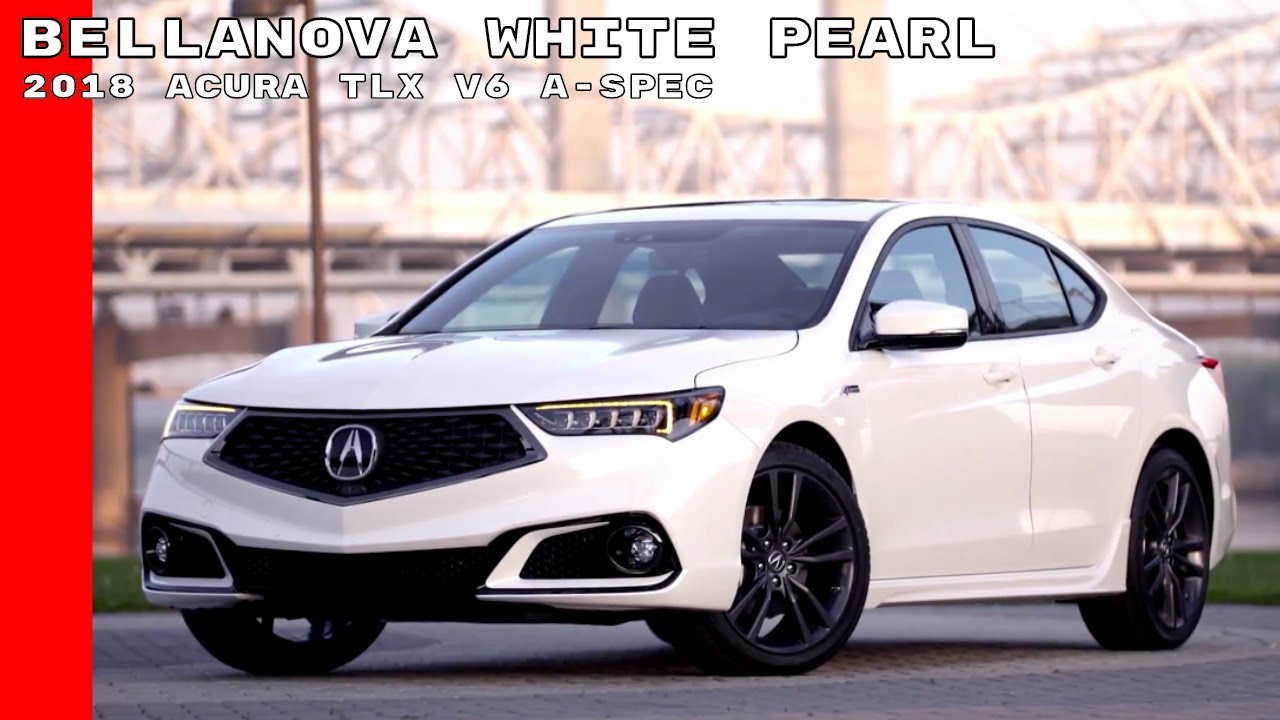
Acura’s pearl white finishes, most notably Platinum White Pearl and the legacy White Diamond Pearl, are sophisticated tri-coat paint systems consisting of a solid base color, a translucent pearlescent mid-coat containing mica or ceramic flakes, and a protective clear coat. This multi-layer approach creates a deep, multi-dimensional shimmer that reacts to changing light conditions, distinguishing it from standard flat white or metallic paints.
Understanding the Multi-Stage Paint Process
To truly understand Acura’s pearl white, one must look beneath the surface. Unlike standard "monocoat" or "two-stage" finishes found on entry-level vehicles, Acura’s premium white finishes are almost exclusively "tri-coat" or "three-stage" applications. This complexity is the primary reason why these colors often carry a premium surcharge on the vehicle's window sticker.
The Base Coat: Establishing the Foundation
The first functional layer after the primer is the base coat. For a color like Platinum White Pearl, this is a highly opaque, solid white pigment. Its job is to provide the "ground" color. If you were to stop here, the car would look like a standard refrigerator—flat, clean, but lacking any depth. This layer must be applied with extreme uniformity because any imperfection in the base will be magnified by the layers that follow.
The Mid-Coat: The Pearlescent Magic
The second stage is what defines the "pearl" effect. This layer is a semi-transparent resin infused with pearlescent pigments. Historically, these were made from natural mica—a silicate mineral—but modern 2026-era paints often utilize synthetic mica or ceramic flakes coated with titanium dioxide or iron oxide.
When light hits these microscopic flakes, it doesn't just reflect off the surface. Some light reflects, while some passes through the translucent flakes and reflects off the base coat. This creates a phenomenon known as thin-film interference, resulting in the "glow" or "shimmer" associated with luxury vehicles. Depending on the angle of the sun, the paint may appear brilliant white, soft cream, or even slightly silver.
The Clear Coat: Protection and Gloss
The final layer is a high-solids clear coat. Its primary purpose is protection against UV radiation, bird droppings, and oxidation. However, in a pearl system, the clear coat also acts as a magnifying glass, enhancing the depth of the mid-coat flakes and providing the "wet look" gloss that defines a showroom-ready Acura.
Evolution of Acura’s White Pearl Palette
Acura has iterated on its white pearl formula for decades, evolving from the creamy tones of the early 2000s to the crisp, cool whites seen in the 2026 lineup.
White Diamond Pearl (NH-603P)
For many years, White Diamond Pearl was the gold standard for the MDX and TLX. It was characterized by a warmer, slightly "eggshell" undertone. In direct sunlight, the pearl effect was heavy and visible, often appearing as distinct golden or silver sparkles. While beloved for its elegance, some owners found it difficult to match during repairs due to its warm bias.
Platinum White Pearl (NH-883P)
Platinum White Pearl is the modern successor and is currently the most prevalent white in the Acura catalog. Compared to White Diamond Pearl, Platinum White is significantly "cooler." It lacks the yellowish undertones of previous generations, offering a brighter, more clinical white that aligns with modern "tech-luxury" aesthetics. The pearlescent flakes are also finer, creating a more seamless shimmer rather than a distinct "glitter" effect.
Majestic White Pearl
In some markets and specific model years, Acura has utilized Majestic White. This finish sits somewhere between the previous two, offering high brilliance with a neutral tone. It is often reserved for flagship trims, emphasizing the sculptural lines of the Precision Crafted Performance design language.
Technical Comparison: Pearl, Metallic, and Solid Whites
Choosing a paint finish involves balancing aesthetics with practical considerations. The following table breaks down the differences between the types of white finishes Acura has utilized.
| Feature | Solid White (e.g., Taffeta White) | Metallic White | Pearl White (Tri-Coat) |
|---|---|---|---|
| Composition | Pigment + Clear Coat | Pigment + Aluminum Flakes | Base + Mica/Ceramic Mid + Clear |
| Visual Depth | Low (Flat) | Moderate | High (Multi-dimensional) |
| Repair Difficulty | Low | Moderate | High |
| Cost | Standard | Moderate | Premium ($500 - $600+) |
| Light Reaction | Consistent reflection | Sparkles in direct light | "Glows" and shifts with angles |
| Durability | High | High | High (but harder to touch up) |
Why Pearl White Looks Different: The Physics of Light
The reason Acura owners often obsess over their pearl white finish is rooted in physics. Standard metallic paints use aluminum flakes that act like tiny mirrors, reflecting light directly back at the viewer. This creates a "twinkle."
Pearl finishes, however, use refraction. Because the mica flakes in the mid-coat are translucent, they split the light into different wavelengths. This is why, as you walk around a 2026 Acura MDX in Platinum White Pearl, the "highlight" (the brightest spot of light) seems to move smoothly across the body lines. It emphasizes the vehicle's "shoulders" and "character lines" in a way that a flat white simply cannot.
Maintenance and Detailing for Pearl White Finishes
Owning a pearl white Acura requires a specific maintenance mindset. While white is famously good at hiding light dust and water spots, the "pearl" can be muted if the surface is not properly cared for.
The Challenge of Industrial Fallout
White paint is a magnet for "rail dust" or industrial fallout—tiny iron particles from brake pads or train tracks that embed themselves in the clear coat. On a pearl white car, these particles eventually oxidize, appearing as tiny orange "rust spots."
- Solution: Use a dedicated iron remover spray and a clay bar at least once a year. This ensures the clear coat remains transparent, allowing the pearl mid-coat to shine through unobstructed.
Avoiding the "Yellowing" Effect
Cheap waxes or prolonged UV exposure can sometimes cause white finishes to take on a yellowish tint over time. This is usually not the paint itself yellowing, but the degradation of the wax or the clear coat.
- Solution: Use high-quality synthetic sealants or ceramic coatings. Ceramic coatings are particularly effective for Acura’s Platinum White Pearl because they provide a high refractive index, which actually increases the perceived depth of the pearl effect.
Polishing Considerations
When polishing a tri-coat paint, detailers must be cautious. Since the "pearl" is in the mid-layer, you cannot "buff out" a deep scratch that has reached the mid-coat without potentially distorting the pearl distribution. Maintaining the thickness of the clear coat is vital. Always use the least aggressive method possible to remove swirl marks.
The Repair Challenge: Why Color Matching is Difficult
If there is one downside to Acura’s pearl white, it is the complexity of paint repair. If a door is scratched and requires a respray, a body shop cannot simply spray the door and be done.
- The "Laying" of the Flake: The way the pearlescent flakes settle is influenced by the spray gun's air pressure, the temperature in the booth, and the technician's arm speed.
- The Blend: To ensure the repair is invisible, technicians must "blend" the paint into the adjacent panels (the front fender and the rear door). This spreads the transition of the new pearl over a larger area, tricking the eye into seeing a uniform color.
- The "Flop": Painters check the "flop"—how the color looks from a side angle versus head-on. If the mid-coat is applied too heavily, the repaired panel will look darker or more "yellow" than the rest of the car when viewed from an angle.
For these reasons, insurance claims for pearl white vehicles are often slightly higher than for solid-colored cars, as the labor hours required for blending are more extensive.
Resale Value and Market Popularity in 2026
In the 2026 automotive market, white remains the most popular car color globally. Acura’s specific execution of pearl white is a significant driver of resale value.
- Broad Appeal: Unlike "hero colors" (like Apex Blue Pearl or Long Beach Blue), pearl white is universally accepted. It is viewed as sophisticated yet safe.
- Longevity: White hides the "swirl marks" caused by automatic car washes better than any other color. This means that a five-year-old Acura in Platinum White Pearl often looks "newer" to a secondary buyer than a black or dark blue car of the same age.
- Temperature Control: In warmer climates, the high reflectivity of the pearl white finish helps keep cabin temperatures lower, reducing the load on the HVAC system—a minor but tangible benefit for long-term ownership.
Frequently Asked Questions
Is Acura Platinum White Pearl a metallic paint?
Not exactly. While it contains "flakes," they are pearlescent (mica or ceramic) rather than metallic (aluminum). This results in a softer, more iridescent glow rather than a sharp, metallic glitter. Technically, it is classified as a tri-coat pearlescent finish.
How can I find my Acura's specific paint code?
The paint code is typically located on the driver’s side door jamb on the VIN sticker. Look for a code starting with "NH" (e.g., NH-883P for Platinum White Pearl). This code is essential if you are ordering touch-up paint or seeking a professional repair.
Does pearl white hide scratches better than solid white?
Yes. The multi-dimensional nature of the pearlescent flakes helps to diffract light, which can mask very fine "spiderweb" scratches or swirl marks that would be more visible on a flat, solid white surface. However, deep scratches that reach the primer are equally visible on both.
Can I use a standard white touch-up pen on a pearl white Acura?
It is not recommended. A standard white pen will look like a flat, "corrected" spot on a shimmering surface. For Acura pearl finishes, you should use a specialized touch-up kit that includes two separate pens: one for the base color and one for the pearlescent mid-coat.
Is the extra cost for pearl white worth it?
From a purely aesthetic and resale standpoint, yes. The depth and premium feel of the tri-coat finish align with Acura’s luxury branding. However, owners should be aware that it is more expensive to repair and requires diligent decontamination (iron removal) to keep it looking its best.
Final Recommendation for Acura Owners
If you are considering an Acura in a pearl white finish in 2026, you are choosing one of the most durable and visually rewarding colors in the luxury segment. To preserve the "explained" brilliance of this tri-coat system, invest in a high-quality ceramic coating shortly after purchase. This will protect the delicate clear coat and ensure the light-refracting mica flakes continue to provide that signature Acura glow for years to come. For any bodywork, always insist on a shop experienced with multi-stage finishes to ensure the complex pearlescent layers are matched with precision.