Acko General Insurance is primarily recognized as a digital-first provider specializing in non-life products, such as motor and health insurance, rather than life insurance. While the brand has significantly influenced the Indian insurtech landscape, it operates under a general insurance license, meaning it does not issue traditional long-term life insurance policies like term, endowment, or whole life plans.
Understanding the Regulatory Classification of Insurance Providers
To determine whether an entity functions as a life insurance company, one must look at the licensing framework established by the Insurance Regulatory and Development Authority of India (IRDAI). In the Indian market, insurance providers are strictly bifurcated into two distinct categories: Life Insurance and General Insurance (also known as Non-Life).
A "Life Insurance" license permits a company to provide products designed to offer financial protection against the risk of death or to provide long-term savings through maturity benefits. These companies handle products like Term Life, Whole Life, and ULIPs (Unit Linked Insurance Plans). Conversely, a "General Insurance" license—which is the category under which Acko operates—covers assets and health risks. This includes motor insurance, travel insurance, property insurance, and health insurance.
Acko General Insurance Limited maintains a general insurance license. Consequently, it cannot legally underwrite life insurance risks. If you are browsing the Acko digital platform for a policy that covers the loss of life with a payout to your beneficiaries, you will find that their portfolio focuses on the broader spectrum of general insurance products, reflecting their operational scope and regulatory mandate as of 2026.
The Evolution of Acko in the Insurtech Ecosystem
Since its inception, Acko has distinguished itself through a direct-to-consumer (D2C) model. By bypassing traditional insurance intermediaries and agents, the company focused on reducing operational overhead and passing those savings to customers in the form of lower premiums and simplified digital claim processes.
When consumers ask if Acko is a life insurance company, it is often due to the brand’s high visibility and its expansion into health insurance. Health insurance is frequently mistaken for life insurance by first-time buyers because both categories provide financial security during difficult times. However, in the financial services sector, health insurance falls under the umbrella of "General Insurance" or "Standalone Health Insurance," which involves covering medical expenses, hospitalization, and surgical costs, rather than providing a death benefit.
Acko’s primary contributions to the market have been in the motor and health sectors, where they have introduced innovations such as:
- Claims Automation: Reducing the paperwork historically associated with accidental damage or hospitalizations.
- Micro-Insurance: Offering bite-sized insurance products for short-term needs, such as gadget protection or ride-based insurance.
- Embedded Partnerships: Integrating insurance offerings directly into the platforms of e-commerce and travel aggregators.
Distinguishing Between General Insurance and Life Insurance
For policyholders, understanding the difference between the products Acko offers and a life insurance policy is crucial for effective financial planning. Financial planners often recommend a "layered" approach to insurance, where life insurance acts as a foundation and general insurance acts as a utility-based safety net.
| Feature | Life Insurance | General Insurance (Acko’s Scope) |
|---|---|---|
| Primary Objective | Income replacement upon death | Coverage for assets, health, and liability |
| Policy Duration | Long-term (10–40 years, or whole life) | Short-term (typically 1 year renewable) |
| Payout Trigger | Death of the insured or maturity | Specified loss (accident, illness, theft) |
| Primary Examples | Term plans, ULIPs, Endowment | Motor, Health, Travel, Gadget |
| License Type | Life Insurance License | General Insurance License |
Why Health Insurance Is Not Life Insurance
A common point of confusion arises because Acko provides comprehensive health insurance. Consumers may hear that they are "insured by Acko" and assume this covers their mortality risk. It is essential to clarify that Acko’s health insurance products are designed to cover medical exigencies.
If you are diagnosed with an illness or require hospitalization, Acko’s health policy covers the costs of treatment up to the sum insured. However, this policy does not provide a lump sum payout to your family in the event of your death. Life insurance is specifically designed to handle the financial vacuum left behind by a breadwinner’s death, ensuring the family can maintain their lifestyle or pay off debts. These are two separate financial instruments that serve different risk-mitigation purposes.
Assessing Your Coverage Needs
When evaluating your financial portfolio, you should not look for a single "all-in-one" provider. Instead, consider your lifecycle stage and your risk exposure.
- Evaluate Assets: Do you own a vehicle or property? These require general insurance to cover repair or replacement costs due to accidents, fire, or natural disasters. This is where companies like Acko operate.
- Evaluate Health Needs: Do you have family members dependent on your health coverage? Acko’s health insurance products are designed to address the rising costs of healthcare and provide access to network hospitals.
- Evaluate Mortality Risk: If you have dependents, you must look for a dedicated life insurance company authorized to provide term insurance. This is a separate contract that ensures your dependents receive a death benefit regardless of the status of your health or vehicle insurance policies.
Frequently Asked Questions
1. Does Acko offer any plans that provide a death benefit? No. Acko operates as a general insurance company. Their products are focused on asset protection (motor, home) and health coverage. They do not issue policies that function as life insurance or offer death benefits.
2. Can I bundle Acko health insurance with a life insurance policy? Since Acko does not offer life insurance, you cannot bundle these services directly through them. Most financial advisors suggest purchasing a term life insurance policy from a specialized life insurer and keeping your health or motor insurance with a general insurer like Acko to optimize coverage and cost.
3. Why do people search for "Acko life insurance"? This is often a result of brand recognition. Acko is a major player in the Indian digital insurance space. Consumers who are satisfied with their experience using Acko for car or health insurance naturally search for other insurance products under the same brand name, leading to the assumption that they offer life insurance.
4. Is there an official list of life insurance companies in India? Yes, the IRDAI maintains an updated list of all registered insurance companies on its official website, categorizing them clearly into Life, General, and Standalone Health insurers. You can verify any company's license status through this regulatory body.
5. How should I verify if a policy I purchased is life or general insurance? Check the policy document. A life insurance policy will explicitly mention "Term," "Endowment," or "Life Coverage" and will be issued by a company registered under the Life Insurance category. A general insurance policy will mention "Health," "Motor," "Travel," or "Property" and will be issued by a general insurance company.
Next Steps for Your Financial Planning
If you have already utilized Acko for your health or motor insurance needs, you have secured protection against immediate financial drains caused by medical bills or vehicle damage. However, if your goal is to secure the financial future of your dependents, your next logical step is to research and procure a term life insurance plan.
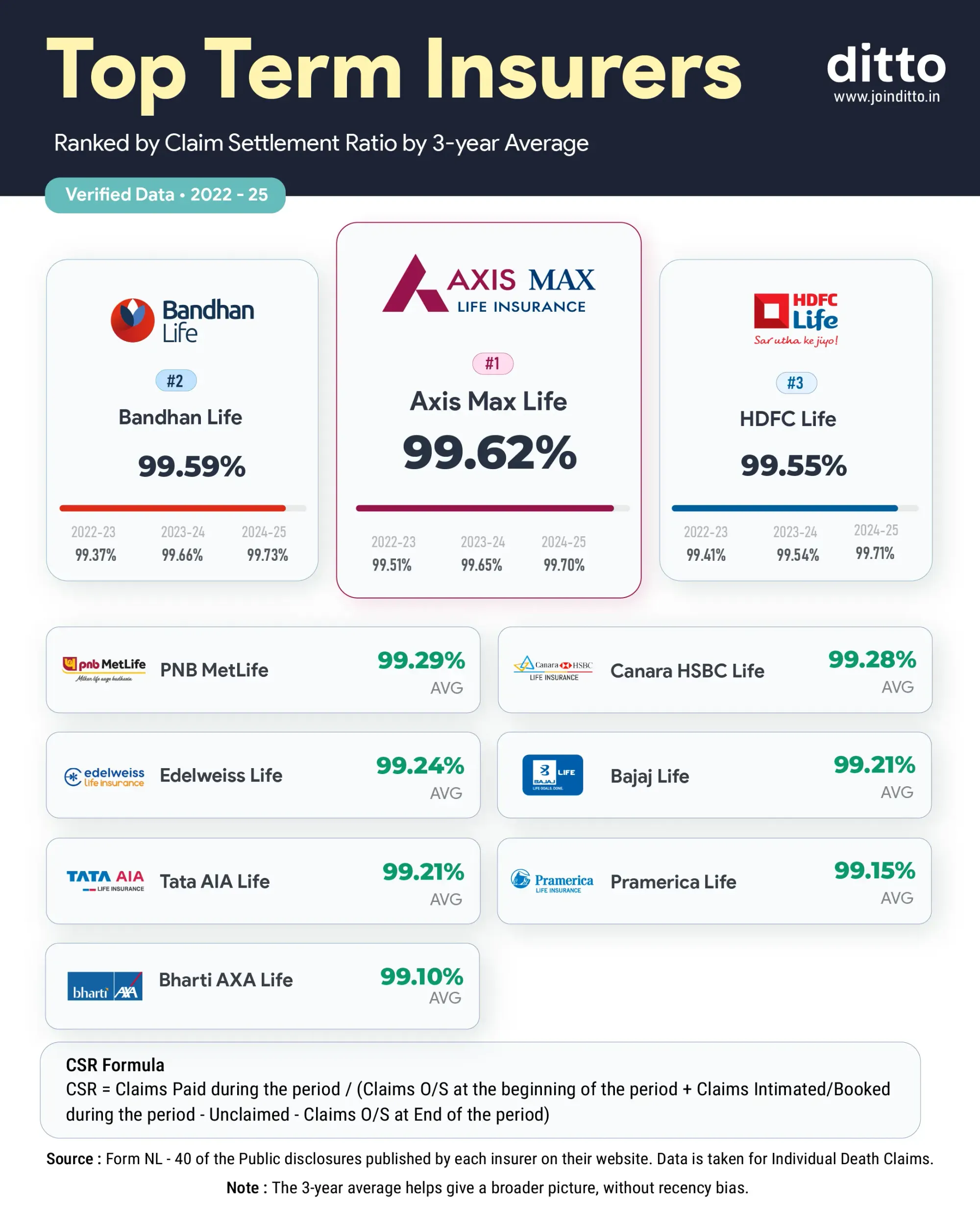
Visit the IRDAI website to view the list of licensed life insurance companies. When selecting a life insurer, look for those with a high "Claim Settlement Ratio" (CSR), which indicates the percentage of claims the company has successfully paid out relative to the claims received. Compare plans across different providers to find a tenure and coverage amount that aligns with your family’s financial obligations and long-term goals. Do not assume that your current health or vehicle insurer can provide the life coverage you require; keep these financial portfolios distinct to ensure you are fully protected.