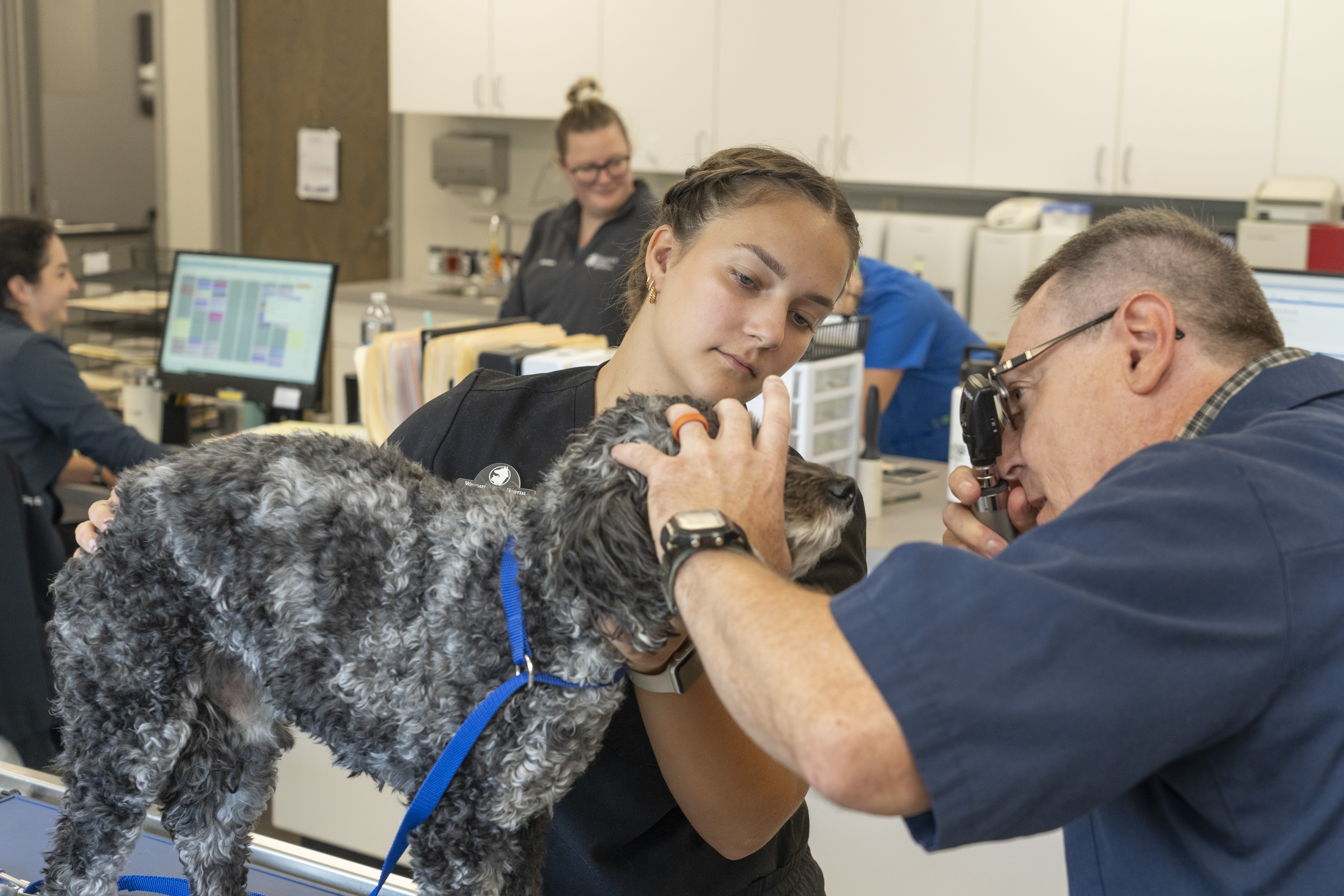
Choosing the right path toward becoming a veterinary technician requires selecting a program that balances academic rigor, clinical preparation, and the essential stamp of approval from the American Veterinary Medical Association (AVMA). As the demand for credentialed veterinary professionals continues to grow in 2026, distance learning has become a viable and flexible gateway to this career. To ensure your education counts toward licensure, you must prioritize programs that hold Committee on Veterinary Technician Education and Activities (CVTEA) accreditation.
Understanding the Importance of CVTEA Accreditation
When researching online veterinary technology programs, the most critical factor is the status of the school’s accreditation. The American Veterinary Medical Association (AVMA) acts as the primary governing body for veterinary education in the United States through its Committee on Veterinary Technician Education and Activities (CVTEA).
Accreditation is not merely a badge of honor; it is a legal and professional necessity. In almost every state, graduating from an AVMA-CVTEA-accredited program is a prerequisite to sitting for the Veterinary Technician National Examination (VTNE). If you graduate from a non-accredited program, you may find yourself ineligible for licensure or certification, effectively preventing you from practicing as a credentialed Veterinary Technician (VT), Registered Veterinary Technician (RVT), or Licensed Veterinary Technician (LVT) in many jurisdictions.
Before enrolling in any online program, verify the institution’s current accreditation status directly through the official AVMA website. Accreditation is periodically reviewed, and a school that was accredited yesterday may face probation or loss of status if they fail to meet evolving standards.
How Online Veterinary Technology Programs Function
Contrary to common misconceptions, an "online" veterinary technology degree is not fully remote. Because the profession requires high-level manual skills—such as surgical assisting, laboratory analysis, and animal restraint—these programs operate under a hybrid model.
The Didactic Component
The classroom-based portion of your education is delivered via a Learning Management System (LMS). You will engage with lectures, participate in discussion boards, submit research papers, and complete proctored examinations. This portion of the curriculum is designed to provide the foundational knowledge necessary to pass the VTNE, covering pharmacology, anatomy, physiology, and surgical nursing.
The Clinical Mentorship Component
This is the "hands-on" requirement that defines veterinary technician education. You are expected to find a local, practicing veterinarian or a credentialed veterinary technician to serve as your clinical mentor. Under their supervision, you will document your completion of a specific "task list"—a series of required clinical competencies. These tasks might include:
- Performing physical exams on various species.
- Administering vaccinations and injections.
- Assisting in sterile surgical environments.
- Conducting fecal analysis, urinalysis, and hematology.
- Taking and processing diagnostic radiographs (X-rays).
If you are not currently employed in a veterinary practice, most schools will require you to secure an internship or a volunteer position at a clinic that agrees to oversee these tasks. Without access to a physical clinic, you cannot complete an accredited degree.
Key Factors for Comparing Programs
When choosing between accredited online vet tech schools, focus on how the program fits your life and your professional goals.
| Consideration | What to Look For |
|---|---|
| Clinical Support | Does the school help place you with a clinic, or is it your responsibility? |
| Clinical Mentor Requirements | Are there specific credentials required for your supervisor (e.g., DVM or CVT)? |
| Course Delivery | Is the instruction synchronous (live) or asynchronous (on-demand)? |
| VTNE Pass Rates | Look for schools that consistently publish their recent three-year pass rates. |
| Technological Requirements | Do you need specific software or hardware for lab simulations? |
Financial Considerations and Tuition Models
In 2026, the cost of an online veterinary technology degree varies significantly between public community colleges and private four-year institutions.
Community colleges often provide the most cost-effective route, especially if you are a state resident. Because these programs are often state-funded, the tuition is generally lower than that of private for-profit technical schools. However, some private schools offer more robust career placement services or accelerated timelines that might justify the higher price tag for students who need to enter the workforce faster.
Always calculate the "hidden" costs of your education. These include:
- Clinical site fees: Some clinics may charge a fee to provide mentorship, or you may need to pay for malpractice insurance while you learn.
- Textbooks and Software: Veterinary textbooks are specialized and expensive; ensure you factor in at least $500–$1,000 per year for materials.
- Proctoring Fees: Many online programs utilize third-party services to ensure academic integrity during exams, which can carry an additional cost per course.
Managing Common Challenges
The most frequent hurdle for online students is the clinical mentorship requirement. If you reside in a rural area with limited veterinary clinics, or if you live in a region where veterinarians are unwilling to supervise students, your path to completion may be delayed.
- Start Early: Reach out to local clinics months before your clinical courses begin. Build a professional relationship before you need to ask for a formal mentorship.
- Understand Liability: Many clinics are hesitant to take on students due to liability concerns. Check if your school provides student liability insurance coverage as part of your tuition.
- Communication is Key: Your instructors are your greatest asset. If you struggle with a clinical task, document the struggle and reach out to your faculty advisor immediately. They can often provide instructional videos or alternative techniques to help you master the skill.
Preparing for the VTNE
The Veterinary Technician National Examination is the final gatekeeper to your career. While your school should provide preparation materials, success on the VTNE usually requires additional study. Most successful candidates use study guides that map the exam’s domain areas: Pharmacy and Pharmacology, Surgical Nursing, Dentistry, Laboratory Procedures, Animal Care and Nursing, Diagnostic Imaging, and Anesthesia.
Look for schools that offer "mock" exams or review sessions toward the end of your curriculum. These serve as a diagnostic tool to help you identify which areas of your knowledge are weak before you pay the non-refundable exam fee.
Frequently Asked Questions
Can I get a degree in veterinary technology entirely from home? No. While the coursework is online, you are required to perform clinical procedures in a licensed, operating veterinary facility to gain hands-on experience that meets AVMA standards.
What if my employer refuses to let me perform tasks on-site? If your current employer cannot provide the environment or the required mentorship for your tasks, you must find an additional internship site. Your program advisor can assist in identifying local clinics that are designated as teaching sites.
How long does it typically take to finish an online program? While some students complete the program in two years, the average for working students is often three years. Most programs allow for a flexible pace, but you must ensure your credits remain valid within the school’s maximum timeframe for degree completion.
Will I be a "Registered" Vet Tech upon graduation? Graduation from an accredited program qualifies you to take the VTNE. After passing the exam, you must apply to your state’s veterinary medical board. The title (RVT, LVT, or CVT) depends on the specific regulations of your state.
Are online degrees viewed differently by employers? Generally, no. As long as the program is AVMA-CVTEA accredited, employers care more about your clinical proficiency and your license status than how you earned your degree. Your ability to document your hands-on hours is what proves your readiness for the clinic.
Your Next Actions
- Verify Status: Use the AVMA website to confirm the accreditation of any program you are considering.
- Contact Admissions: Reach out to the programs that interest you. Ask specifically about their "Clinical Task List" and what support they provide for finding mentorship.
- Audit Your Workplace: If you are currently working in a clinic, speak with your lead technician or practice manager about your intention to enroll. Ask if they are willing to support your clinical mentorship requirements.
- Plan Financially: Check the current tuition rates for 2026 and look for state-specific financial aid or institutional scholarships that might lower your out-of-pocket costs.
Becoming a veterinary technician is a rigorous journey that demands both academic discipline and manual dexterity. By selecting an accredited program and proactively managing your clinical mentorship, you build a foundation for a stable and fulfilling career in animal healthcare.