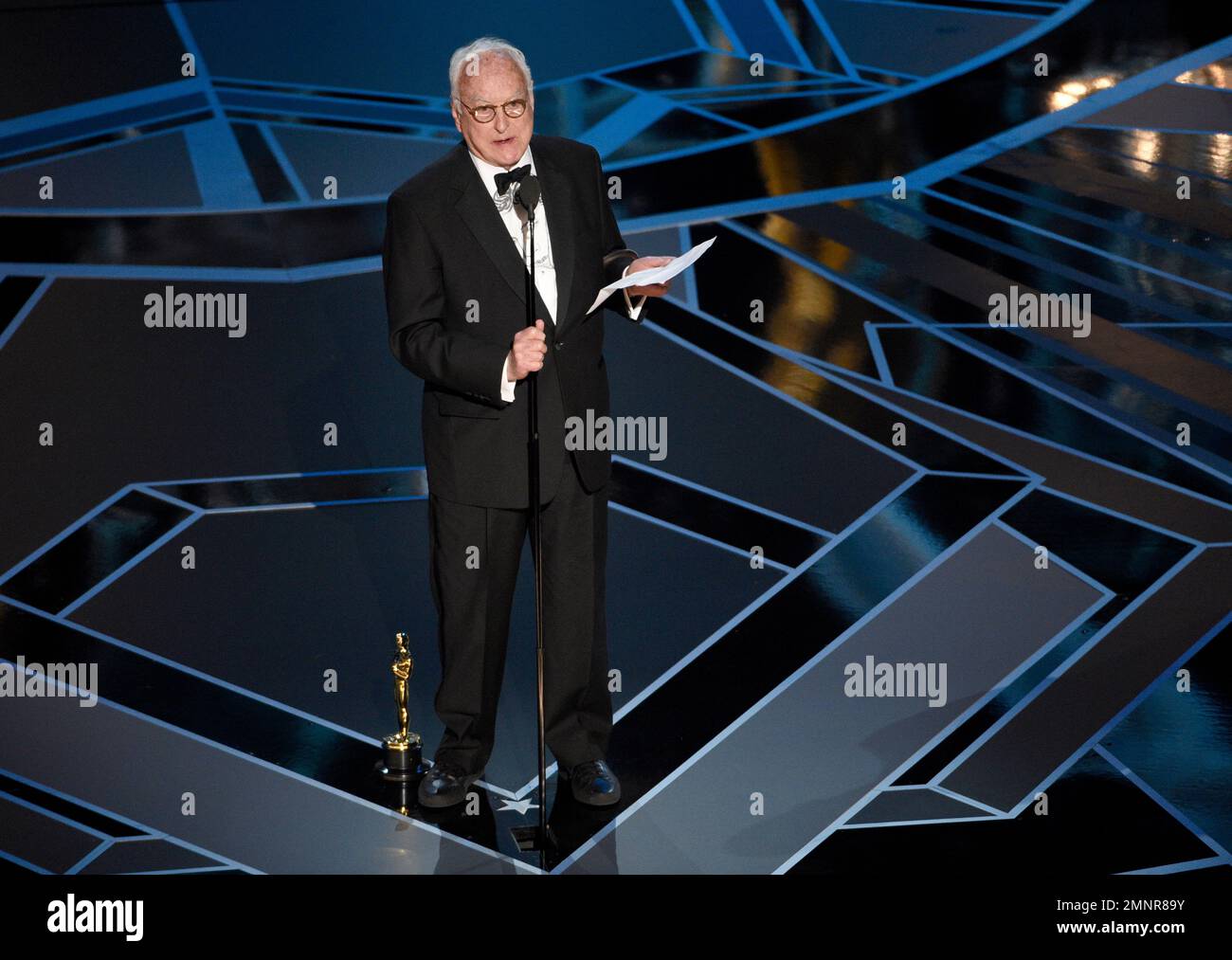
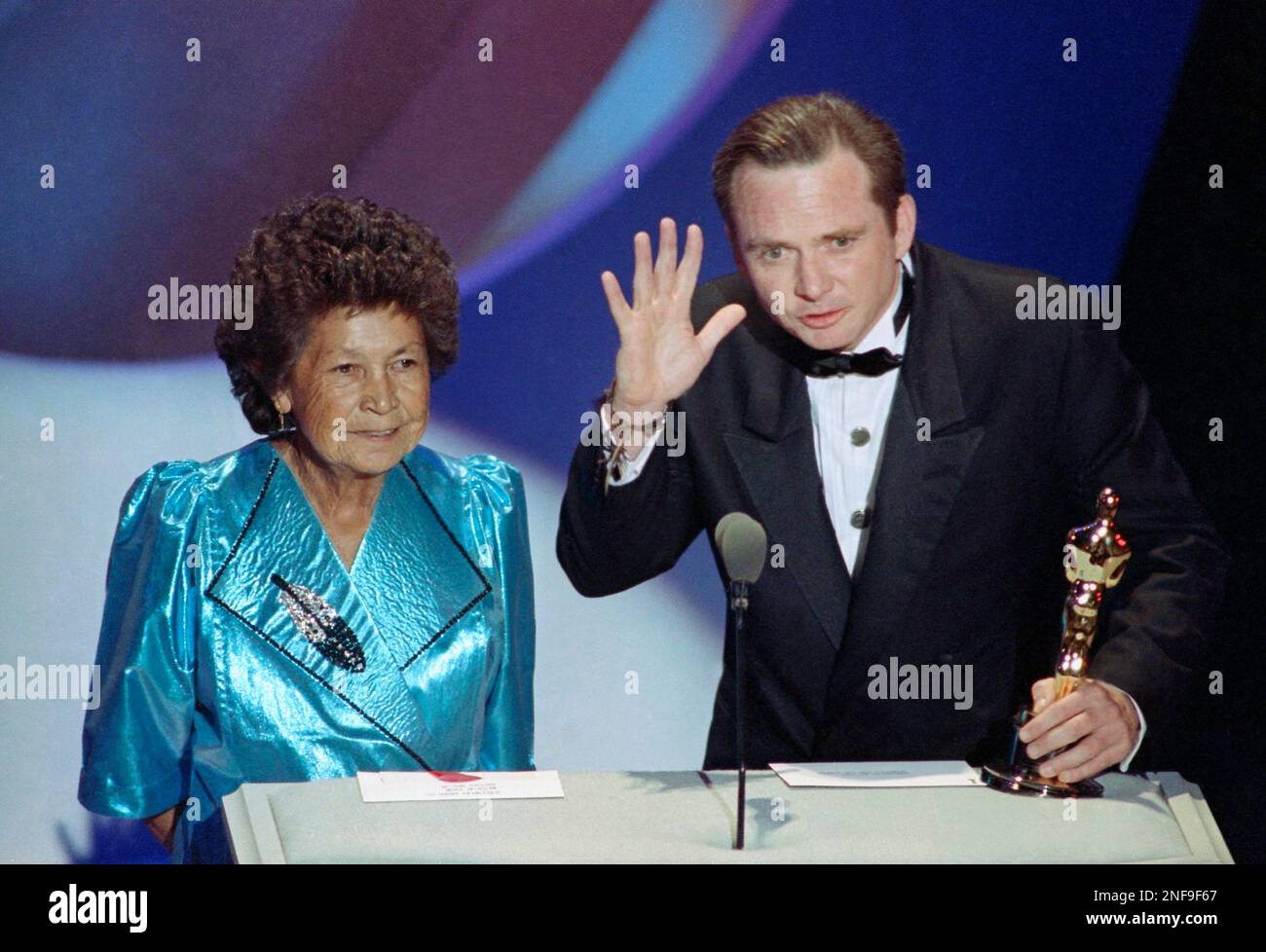
The Academy Award for Best Adapted Screenplay is one of the film industry's most prestigious honors, presented annually by the Academy of Motion Picture Arts and Sciences (AMPAS) to the writer of a screenplay previously published, produced, or disseminated through another medium, such as a novel, short story, play, television show, or earlier film.
Introduction to the Best Adapted Screenplay Category
The Academy Award for Best Adapted Screenplay recognizes the unique literary and structural challenge of translating a narrative from an established source material into a compelling cinematic experience. While original screenplays build a story entirely from scratch, adapted screenplays must honor the core essence, themes, and characters of a pre-existing work while simultaneously reinventing the structure to fit a completely different visual and temporal medium.
Understanding this category requires examining its history, eligibility criteria, the mechanics of the nomination voting process, and the ways it differs fundamentally from its sibling category, Best Original Screenplay. Whether you are a film historian, an aspiring screenwriter, or an avid cinephile, exploring the nuances of this award sheds light on how literature successfully transforms into cinema.
Historical Evolution and Origins of the Category
The Academy Awards, popularly known as the Oscars, have undergone numerous structural changes since their inception in 1929. The category dedicated to screenwriting has evolved significantly to reflect the changing nature of storytelling and authorship in Hollywood.
Early Years and Categorical Changes
In the earliest ceremonies, the Academy occasionally separated writing awards into distinct categories, such as Best Title Writing, Best Original Story, and Best Adaptation. During the 1930s and 1940s, the lines between original concepts and adaptations often blurred, and the rules governing which films qualified for which category were frequently revised by the Board of Governors.
For many decades, the category was formally known as Best Screenplay, Best Screenplay Based on Material from Another Medium, or Best Adapted Screenplay. The modern designation consistently highlights the adaptation process, emphasizing that transforming a book, play, or article into a shooting script is an act of creative reinvention rather than mere transcription.
Landmark Milestones and Notable Trends
Over the decades, the category has honored a diverse array of source materials. Novels remain the most common source for winners, ranging from classic literature to contemporary pulp fiction. However, stage plays, short stories, non-fiction books, and even television series have yielded victorious scripts.
A notable historical shift occurred as studios began adapting comic books, graphic novels, and video games, expanding the definition of source material. Furthermore, historical milestones—such as screenwriters of diverse backgrounds winning the award—have mirrored the slow, continuous democratization of the film industry.
Eligibility Rules and Academy Guidelines
To compete for the Academy Award for Best Adapted Screenplay, a film must meet strict eligibility criteria established by the Academy of Motion Picture Arts and Sciences. These rules ensure fairness and maintain a clear boundary between original and adapted works.
Defining "Adapted" Material
According to Academy regulations, any motion picture that is not based strictly on an original screenplay falls under the adapted screenplay umbrella. Common sources include:
- Published novels, novellas, and short stories
- Biographies, memoirs, and works of investigative journalism
- Stage plays, musicals, and theatrical performances
- Pre-existing motion pictures, such as remakes, sequels, or foreign-language films translated and restructured for English-speaking audiences (or vice-versa)
- Television series, radio broadcasts, or podcasts
- Comic books, graphic novels, and manga
The Branch Branch-Specific Voting Process
Unlike many other Academy Awards where the entire voting membership casts ballots for the winners, the nominations for the writing categories are determined exclusively by members of the Writers Branch.
- Nominations: Writers Branch members rank their top choices within their specific field, ensuring that working screenwriters evaluate the craft of screenwriting.
- Final Voting: Once the nominees are announced, the entire active membership of the Academy is eligible to vote for the winner during the final ballot phase.
The Complex Mechanics of Screenplay Adaptation
Adapting a pre-existing work is rarely a straightforward process of shortening a novel or filming a play's dialogue. It requires deep analytical skills, structural restructuring, and creative vision.
- SOURCE MATERIAL
- (Novel, Play, Memoir, Article, Comic Book)
- DECONSTRUCTION & THEME
- (Identifying core narrative, tone, and arc)
- STRUCTURAL REINVENTION
- (Translating internal monologues into visual action)
- CINEMATIC SCREENPLAY
- (Final shooting script)
From Internal Monologue to Visual Action
Novels often rely heavily on internal monologues, deep psychological exploration, and descriptive prose that cannot be directly translated onto a screen. A skilled adapted screenplay writer must find visual or auditory equivalents for these internal states. For example, a character's internal grief in a novel might be manifested through silence, framing, production design, or externalized actions in the film.
Compression and Condensation
A standard feature-length film runs between 90 and 150 minutes, which roughly translates to a 90-to-150-page screenplay. Condensing a 500-page historical biography or an intricate multi-character novel into this timeframe requires ruthless editing. Screenwriters must often combine characters, drop subplots, and invent cinematic sequences that capture the essence of multiple book chapters in a single scene.
Best Adapted Screenplay vs. Best Original Screenplay
A frequent point of discussion among film enthusiasts is the difference between the Adapted and Original screenplay categories. Both awards carry equal prestige, but they evaluate distinct writing skill sets.
| Feature / Criteria | Best Adapted Screenplay | Best Original Screenplay |
|---|---|---|
| Source Material | Based on pre-existing work (books, plays, articles, etc.) | Created entirely from scratch by the author |
| Core Challenge | Condensing, translating, and reinventing existing lore | Building world lore, character backgrounds, and plot structures |
| Branch Oversight | Evaluated and nominated by the Writers Branch | Evaluated and nominated by the Writers Branch |
| Examples | The Godfather, No Country for Old Men, The Social Network | Parasite, Get Out, Pulp Fiction |
While original screenplays are praised for their novel world-building and unexpected narrative turns, adapted screenplays are often judged on how intelligently they honor, subvert, or elevate source material that audiences may already know and love.
Notable Examples of Winning Screenplays
Looking at historical winners provides concrete insight into the types of writing the Academy favors in this category. Winning screenplays often balance fidelity to the source with bold cinematic choices.
- The Godfather (1972): Based on Mario Puzo's bestselling novel, Francis Ford Coppola and Puzo successfully streamlined a sprawling crime epic, cutting extraneous subplots to focus squarely on the Corleone family dynamic and Michael's tragic descent.
- The Silence of the Lambs (1991): Ted Tally adapted Thomas Harris’s thriller novel. Tally maintained the psychological tension and procedural accuracy of the book while crafting tight, memorable dialogue that defined modern cinematic thrillers.
- The Social Network (2010): Aaron Sorkin adapted Ben Mezrich’s non-fiction book The Accidental Billionaires. Sorkin transformed dry corporate history and legal depositions into a high-octane, Shakespearean drama driven by rapid-fire dialogue.
Common Controversies and Eligibility Challenges
The boundary between "adapted" and "original" is not always clear-cut, leading to occasional controversies within the Academy.
The Remake and Sequel Dilemma
Sequels present an interesting challenge. If a film is a sequel to a movie that was an original screenplay, but it features characters created for that original film, is it original or adapted? Generally, if the characters and situations derive from a previously exploited work or film, the script is categorized as adapted. This rule prevents studios from entering sequels into the original category simply to avoid competing with heavy literary adaptations.
True Stories and Biopics
Biographical films and historical dramas almost always compete in the adapted category if they draw from published biographies, memoirs, or extensive historical records. However, if a writer constructs a screenplay entirely from oral histories or personal firsthand accounts that have not been formally published, grey areas can emerge. The Academy’s executive committees review border-case submissions annually to assign the appropriate category.
Frequently Asked Questions
What qualifies a film for the Best Adapted Screenplay category?
A film qualifies if its script is based on any pre-existing material, including novels, short stories, non-fiction books, stage plays, television shows, newspaper articles, comic books, or prior motion pictures. If the story did not originate entirely in the minds of the screenwriters for that specific film, it is classified as adapted.
Who is eligible to receive the Oscar statuette for Best Adapted Screenplay?
The Academy awards the Oscar to the credited writer or writers of the screenplay. This can include a single screenwriter, a writing duo, or up to three writers maximum under strict Writers Guild of America (WGA) and Academy arbitration rules that govern writing credits on feature films.
Can a documentary film win Best Adapted Screenplay?
No. Documentaries are ineligible for the writing categories because their narratives are constructed primarily in the editing room rather than through a pre-written dramatic shooting script. Documentaries have their own dedicated category, Best Documentary Feature Film.
How do screenwriters handle changes when adapting a famous book?
Screenwriters focus on emotional and thematic truth rather than literal page-by-page replication. Because film is a visual medium, writers often invent cinematic sequences, merge minor characters into composite figures, or drop secondary subplots to ensure the narrative flows naturally within a standard running time.
Are comic book movies eligible for Best Adapted Screenplay?
Yes. Films based on comic books, graphic novels, manga, and strips are routinely categorized as adapted screenplays because the characters and foundational storylines originated in a published medium prior to the film's production.
Practical Next Steps and Further Exploration
If you are interested in deepening your understanding of the Academy Award for Best Adapted Screenplay, start by reading published screenplays alongside their source materials. Comparing a novel like Cormac McCarthy’s No Country for Old Men to Joel and Ethan Coen’s film adaptation reveals how master writers distill atmosphere, dialogue, and theme into visual storytelling. For aspiring screenwriters, studying past winning scripts available in libraries or online archives offers invaluable lessons in structural economy, pacing, and character development.