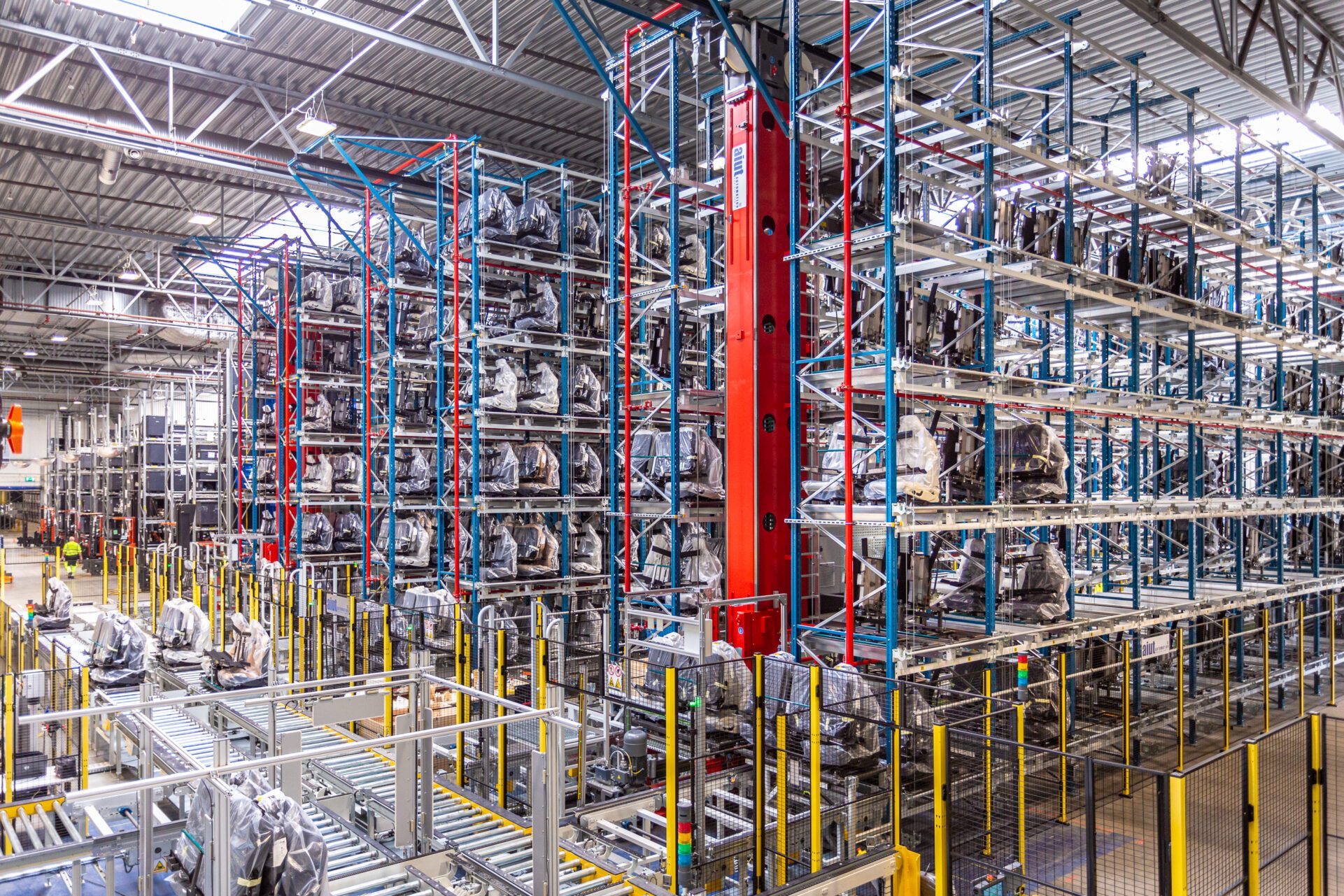
Absolute IG automated high systems represent advanced integration frameworks designed for industrial automation, high-performance computing, and specialized digital infrastructure management. These systems combine high-density processing architecture, automated system recovery protocols, and strict monitoring configurations to maintain operational continuity under heavy workloads.
Deploying and maintaining these high-performance frameworks requires a thorough understanding of system architecture, hardware compatibility, operational prerequisites, and continuous maintenance protocols. Organizations evaluating these configurations must analyze scalability vectors, security parameters, and long-term integration costs to ensure alignment with industrial or enterprise demands.
Core Architecture and Operational Principles
At the foundational level, absolute IG automated high systems rely on a modular hardware and software architecture designed to eliminate single points of failure. The underlying infrastructure typically incorporates distributed nodes, high-bandwidth interconnects, and real-time telemetry systems that monitor system health continuously.
[ Data Ingestion Layer ] ---> [ High-Density Processing Nodes ] ---> [ Automated Recovery Protocol ] ^ | |___________________ [ Real-Time Telemetry & Logs ] <___________________|
The system architecture separates data ingestion, processing, and output layers to optimize resource allocation. High-density processing nodes handle intensive computational tasks, while automated orchestration software dynamically distributes workloads based on current system load and priority levels.
Hardware Prerequisites and Specifications
Successful deployment of absolute IG automated high systems demands strict adherence to hardware specifications. Inadequate infrastructure frequently leads to performance bottlenecks, thermal throttling, or unexpected system crashes during peak operational cycles.
- Processing Units: Multi-core server-grade processors equipped with hardware virtualization extensions and high cache capacities.
- Memory Configuration: Error-Correcting Code (ECC) RAM arranged in multi-channel configurations to prevent data corruption during high-speed computational sequences.
- Storage Infrastructure: Enterprise-grade NVMe solid-state drives configured in redundant arrays (RAID) to ensure high input/output operations per second (IOPS) and fault tolerance.
- Network Fabric: Low-latency, high-throughput network interface cards (NICs) supporting dedicated fiber-optic or 10GbE copper connections.
Integration Prerequisites and Environmental Requirements
Before initiating the deployment of absolute IG automated high systems, engineers and system administrators must prepare the physical and digital environment. Skipping these prerequisites often results in compliance failures, security vulnerabilities, or degraded system performance.
Physical environment requirements focus heavily on power stability and thermal management. High-density systems generate significant heat loads, necessitating enterprise-grade HVAC systems and redundant uninterruptible power supplies (UPS). On the digital side, network security policies, firewall rules, and access control lists must be configured to isolate administrative channels from public networks.
Deployment Sequence and Configuration Steps
Executing a reliable deployment requires a methodical, step-by-step approach. Adhering to structured implementation phases minimizes downtime and ensures all security and performance baselines are met.
- Site Assessment and Infrastructure Audit: Verify that power distribution units, cooling capacity, and rack space meet the minimum thresholds specified by the hardware manufacturer.
- Hardware Assembly and Cabling: Mount processing units, storage arrays, and network switches securely. Implement structured cabling for power and data lines to maintain airflow and simplify future maintenance.
- Firmware and BIOS Optimization: Update all motherboard BIOS, storage controller firmware, and network card drivers to the latest stable enterprise releases. Configure power management profiles for maximum performance.
- Operating System and Hypervisor Installation: Deploy the designated enterprise operating system or bare-metal hypervisor, ensuring proper partitioning and driver integration.
- Automation Framework Initialization: Install and configure the automation software layers, establishing telemetry endpoints, automated backup schedules, and failover triggers.
- System Stress Testing: Execute benchmark workloads and simulated failure scenarios to validate automated recovery responses and cooling efficiency.
Comparative Analysis of System Configurations
Selecting the appropriate configuration depends on the primary workload requirements, budget constraints, and redundancy needs. The following table compares common implementation tiers for high-availability automated environments.
| Configuration Tier | Primary Use Case | Fault Tolerance Level | Hardware Cost Index | Maintenance Complexity |
|---|---|---|---|---|
| Standard Enterprise | General business automation and data processing | Moderate (N+1 Redundancy) | Moderate | Medium |
| High-Performance Cluster | Intensive computational analysis and real-time rendering | High (Active-Active Clustering) | High | Advanced |
| Mission-Critical Autonomous | 24/7 industrial control and high-frequency operations | Maximum (Zero-Downtime Failover) | Very High | Expert |
Security, Compliance, and Risk Management
Operating high-capacity automated systems introduces unique security challenges. Because these frameworks often manage critical infrastructure or sensitive data streams, securing every layer from the physical chassis to the application interface is mandatory.
Administrators must enforce the principle of least privilege, requiring multi-factor authentication for all management interfaces. Encryption standards such as AES-256 for data-at-rest and TLS 1.3 for data-in-transit protect information against interception. Furthermore, regular vulnerability assessments and automated patch management cycles help mitigate emerging cyber threats without requiring manual intervention during active processing windows.
Troubleshooting and Common Operational Challenges
Even with rigorous planning, complex automated systems occasionally encounter performance degradation or hardware faults. Diagnosing these issues systematically prevents prolonged outages.
- Thermal Throttling: Caused by dust accumulation or HVAC failure. Monitor ambient temperatures and clean intake filters regularly.
- Network Bottlenecks: Triggered by misconfigured switch ports or saturated bandwidth channels. Utilize packet analyzers to identify traffic spikes and optimize routing tables.
- Failover Loop Failures: Occurs when primary and secondary nodes continuously ping-pong control due to heartbeat timeout misconfigurations. Adjust timeout thresholds and verify network stability between cluster nodes.
- Storage Latency Spikes: Usually tied to degraded RAID arrays or exhausted queue depths. Review S.M.A.R.T. diagnostics and replace failing drives immediately.
Frequently Asked Questions
What are absolute IG automated high systems primarily used for?
These systems are utilized in environments requiring intensive computational power, real-time data processing, and uninterrupted automated operations. Common applications include industrial automation, enterprise data centers, and high-performance computing clusters where system failure carries high operational costs.
What kind of maintenance schedule do these systems require?
Routine maintenance includes weekly log analysis, monthly firmware and security patch reviews, and quarterly physical inspections of cooling systems and power distribution units. Automated monitoring tools handle real-time health checks continuously, alerting administrators to anomalies instantly.
Can these systems integrate with legacy infrastructure?
Integration with legacy infrastructure is possible through specialized middleware, API gateways, and protocol converters. However, legacy hardware often introduces performance bottlenecks that limit the full capabilities of modern automated high systems.
How do automated failover protocols protect against data loss?
Automated failover systems maintain synchronized replicas of active databases and state information across independent nodes. If the primary node experiences a catastrophic failure, the secondary node assumes operations instantaneously with minimal interruption to active data streams.
What are the primary cost factors associated with deployment?
The primary costs include enterprise-grade hardware procurement, specialized environmental controls (cooling and power redundancy), licensing for automation software, and the technical expertise required for ongoing management and incident response.
To ensure long-term stability and optimal return on investment, organizations should establish a dedicated task force for system monitoring, enforce strict change-management protocols, and conduct regular disaster recovery drills to validate automated failover mechanisms under simulated failure conditions.