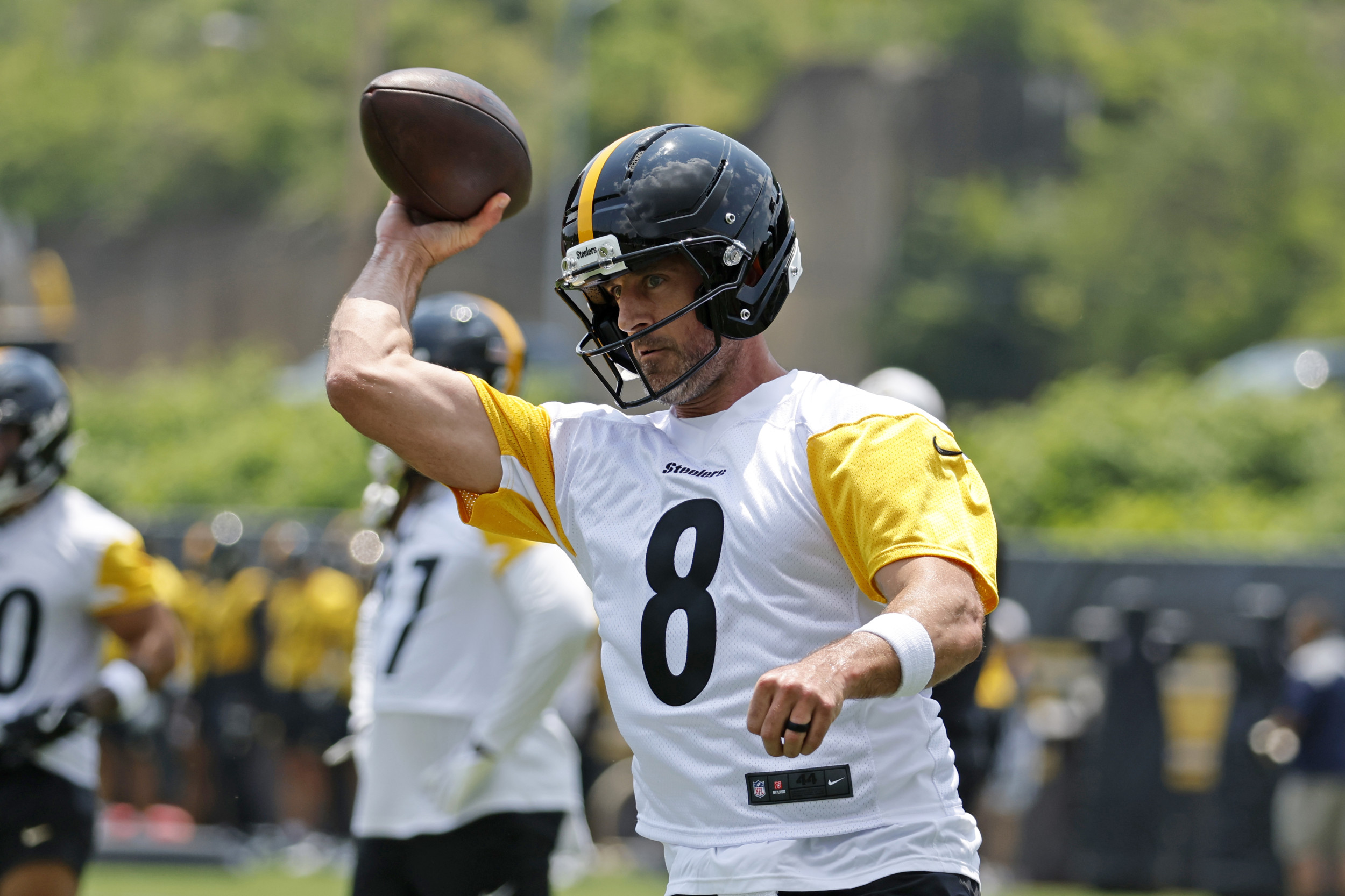
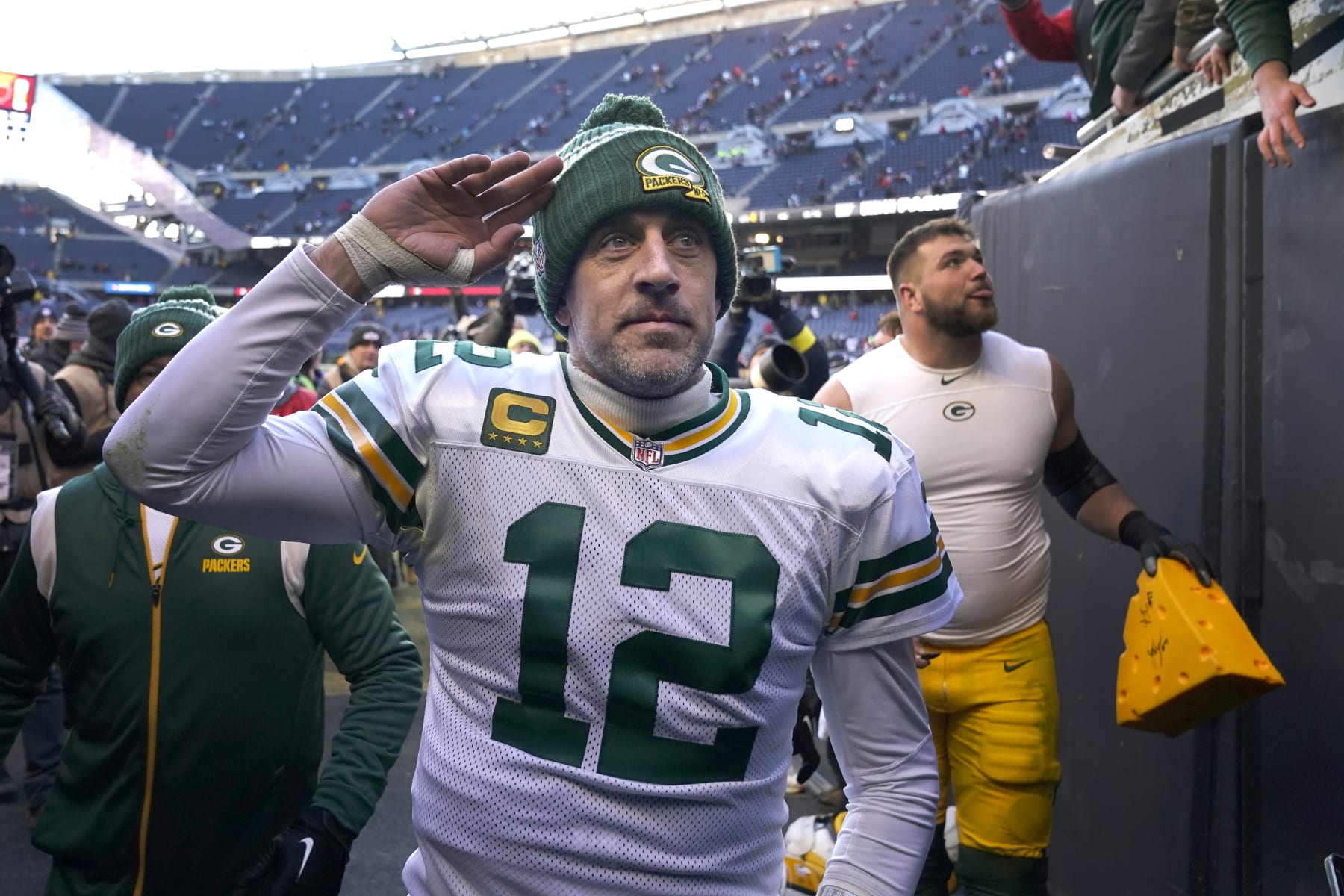
Aaron Rodgers, one of the most recognized figures in professional American football, has built substantial personal wealth through a combination of high-value NFL contracts, strategic endorsement deals, and diversified business investments. As of 2026, his financial status is a reflection of over two decades of elite performance in the National Football League, complemented by an active portfolio outside of the sports arena that leverages his high-profile public image.
To understand the scope of his wealth, one must look beyond the base salaries reported by the NFL. Rodgers’ financial trajectory is characterized by record-breaking contract extensions, calculated revenue-sharing agreements with major corporations, and a transition into the venture capital and media sectors. While precise net worth figures are often estimates based on public filings and industry disclosures, the aggregate value of his career earnings consistently positions him among the highest-paid athletes in American professional sports history.
The Foundation: NFL Career Earnings and Contract Structure
The primary engine of Aaron Rodgers’ wealth is his professional football career, which began with his selection by the Green Bay Packers in the 2005 NFL Draft. Over his long tenure, he evolved from a rookie prospect into a perennial All-Pro quarterback, a status that granted him significant leverage during contract negotiations.
Contract Milestones
Rodgers’ earnings escalated in tandem with the NFL’s salary cap expansion. His career is marked by several landmark contracts that shifted the market for quarterbacks. By 2026, his total on-field earnings, including signing bonuses, roster bonuses, and base salaries from his time with both the Green Bay Packers and the New York Jets, are estimated to exceed $350 million.
A critical component of his wealth accumulation has been the "signing bonus" structure. NFL contracts typically pay out large, upfront signing bonuses that are prorated against the salary cap for the team, but provide immediate liquidity to the player. By securing multiple record-setting extensions throughout his career, Rodgers maximized his guaranteed income, shielding a significant portion of his wealth from the volatility of non-guaranteed salary structures or injury-related risk.
Financial Management and Taxation
It is important to note that gross earnings do not equate to personal net worth. Financial management for elite athletes involves substantial deductions, including:
- Federal and State Income Taxes: Rodgers has earned income across multiple jurisdictions, each with different tax liabilities.
- Agent Fees: Standard agency fees in the NFL typically range from 1% to 3% of the contract value.
- Investment Costs: The management of diversified portfolios incurs recurring advisory and legal fees.
Endorsements and Commercial Partnerships
Beyond his salary, Aaron Rodgers has cultivated a robust stream of off-field income through high-profile endorsements. His marketability stems from his sustained excellence and his distinct public persona, which has made him an attractive partner for major brands.
Strategic Brand Alliances
Unlike athletes who sign a high volume of small endorsements, Rodgers has historically focused on long-term, high-value partnerships. These include, but are not limited to:
- State Farm Insurance: His long-term appearance in the company’s advertising campaigns serves as one of the most recognizable and lucrative commercial associations in sports media.
- Apparel and Equipment: Partnerships with major athletic wear companies have provided consistent annual revenue independent of his football performance.
- Tech and Lifestyle Brands: Rodgers has strategically aligned himself with companies in the wellness, fitness, and technology sectors, often securing equity-based compensation rather than just cash retainers.
Portfolio Diversification and Venture Capital
As his career matured, Rodgers expanded his financial focus into private equity and venture capital. This transition is common for high-net-worth individuals looking to preserve capital and generate long-term growth beyond their peak earning years in sports.
The Shift Toward Equity
In recent years, Rodgers has moved toward becoming an active investor rather than a traditional brand spokesperson. This includes:
- Venture Capital Participation: Investing in startups, particularly those focusing on sports technology, artificial intelligence, and digital media.
- Strategic Advisory Roles: By serving as a consultant or advisor to growing businesses, he often receives a mix of cash and stock options, allowing him to benefit from the future appreciation of these companies.
- Real Estate Holdings: Like many professional athletes, Rodgers maintains a diversified real estate portfolio, including high-value residential properties in states with favorable tax climates.
Comparative Financial Landscape: 2026
The following table provides a breakdown of typical revenue streams for an elite-level quarterback of Rodgers’ experience level as of 2026. This data reflects industry-standard distributions for top-tier NFL players.
| Revenue Source | Typical Income Characteristics | Role in Wealth Accumulation |
|---|---|---|
| NFL Salary | Guaranteed vs. Non-guaranteed | Primary liquidity and career foundation |
| Signing Bonuses | Upfront cash injection | Significant wealth preservation vehicle |
| Endorsements | Long-term media campaigns | Brand equity and passive income |
| Venture Capital | High risk, high reward equity | Long-term growth and tax diversification |
| Licensing/Merch | Residual income streams | Minor but consistent annual revenue |
Addressing Financial Realities and Constraints
One of the most frequent misconceptions regarding athletes' wealth is the assumption that gross income represents liquid, investable cash. Readers should be aware of several limiting factors:
- Inflation and Purchasing Power: While his earnings are massive, the purchasing power of contracts signed in 2005 is vastly different from those signed in 2026.
- Liability and Insurance: Athletes of Rodgers’ stature carry significant insurance costs to protect against potential career-ending injuries, which are considered a necessary overhead cost.
- Market Volatility: While his base wealth is anchored by guaranteed football contracts, the private equity side of his portfolio is subject to market fluctuations.
Frequently Asked Questions
Is Aaron Rodgers' net worth solely derived from NFL contracts?
No. While NFL contracts form the bulk of his liquid career earnings, a significant portion of his wealth—particularly his long-term net worth—is derived from a mix of multi-year endorsement deals and successful investments in private equity and real estate.
How do NFL contract guarantees affect personal wealth?
NFL contract guarantees ensure that an athlete receives their money even if they are released or injured. For Rodgers, these guarantees have acted as a financial hedge, ensuring that a significant percentage of his total career value was secured regardless of his on-field status in any given year.
Do endorsement deals provide more income than NFL salaries?
For most of his career, Rodgers’ NFL salary has been higher than his annual endorsement income. However, the gap narrows during years with fewer contract renewals, and his investment and endorsement portfolio is designed to provide steady income after his retirement from the league.
Are there public records of Aaron Rodgers' investments?
While some of his investment activities are public through regulatory filings for companies in which he holds significant equity, much of his private portfolio remains confidential. He generally operates through private equity vehicles that do not require full public disclosure of individual portfolio holdings.
What is the biggest risk to the wealth of an athlete like Rodgers?
The primary risks involve poor investment management, the impact of market downturns on his equity holdings, and high tax liabilities. Professional financial advisors typically manage these risks through aggressive asset allocation and tax-sheltered investment vehicles.
Recommendation for Further Inquiry
If you are analyzing the wealth of professional athletes for financial research or personal interest, it is recommended to distinguish between "career earnings" (the total amount paid by teams) and "net worth" (assets minus liabilities). Rely on audited financial reports, SEC filings (for equity in public companies), and recognized sports business publications rather than speculative estimates. For those interested in the structure of athlete compensation, reviewing the NFL Collective Bargaining Agreement provides the most accurate data on how league-wide salary caps dictate the earning ceilings for elite players.