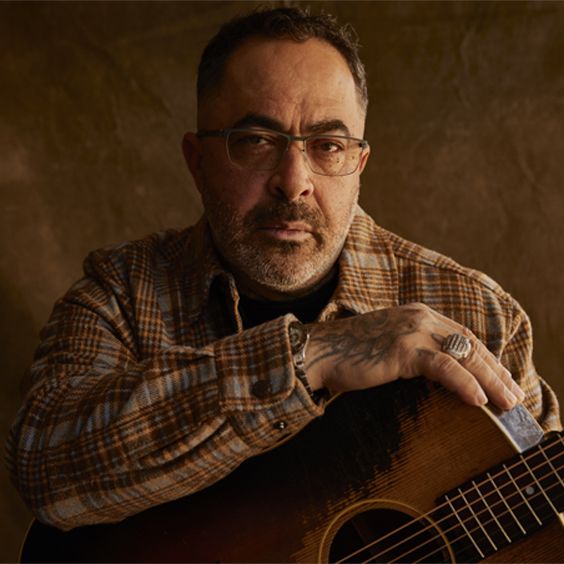
Aaron Lewis, the multi-platinum recording artist and frontman of the rock band Staind, maintains a widely recognized association with the state of Vermont. While he was born in Springfield, Massachusetts, his formative years and enduring personal identity are inextricably linked to Rutland, Vermont, where he spent much of his childhood and adolescence. This geographic foundation played a significant role in shaping his worldview, his transition into the music industry, and his eventual public persona as a solo country artist.
Understanding the Geographic Origins of Aaron Lewis
To understand the trajectory of Aaron Lewis’s life and career, one must look at the specific environmental influences of his youth. Although his birth record places him in Massachusetts, his upbringing in the rural landscape of Vermont—specifically the Rutland area—is often cited by the artist as the bedrock of his character. For fans and researchers interested in the biography of the artist, distinguishing between his place of birth and his place of "home" is essential.
Rutland, situated in the heart of the Green Mountains, offers a distinct atmosphere compared to the bustling urban environments that define many American rock stars. The rugged topography, the tight-knit nature of Vermont communities, and the outdoor-centric lifestyle of the region provided Lewis with a backdrop that heavily contrasts with the music industry hubs of Los Angeles or New York. This regional influence is not merely a biographical footnote; it serves as a thematic anchor for much of his solo work, which frequently explores themes of Americana, rural values, and small-town resilience.
Why Location Matters in the Context of Stardom
In the entertainment industry, an artist’s origin story serves as a crucial component of their brand identity. For Aaron Lewis, the transition from the alternative metal sound of Staind to the traditional country sound of his solo career was anchored in his authentic, long-standing connection to his roots. The Vermont identity allows him to substantiate his pivot to country music, moving beyond the stereotypes of a "rock star turned country singer" to present himself as a product of a specific, rural American experience.
The Formative Years in Rutland
Lewis’s residency in Vermont during his youth provided him with the necessary space to develop his musical interests away from the pressures of mainstream celebrity. During this time, the lack of immediate proximity to the major record labels necessitated a unique path toward visibility. Many of the songs he would later pen for Staind and his subsequent solo albums draw upon the specific memories of his time in New England.
The Influence of the Vermont Environment
- Isolation and Focus: The relative isolation of Rutland allowed for concentrated musical development. Without the distractions of large-city nightlife, younger musicians in these regions often turn to instruments as a primary form of creative outlet.
- Cultural Values: Growing up in Vermont instilled a sense of independence and self-reliance. This is evident in the themes of his songwriting, which often prioritize individual autonomy and a skepticism toward centralized or perceived elite power structures.
- Nature as an Influence: The natural landscapes of the Green Mountains remain a recurring, albeit subtle, theme in his work, representing a refuge from the chaotic life of a touring musician.
Biographical Disambiguation: Fact vs. Myth
It is a common point of confusion for casual listeners to associate an artist exclusively with their place of birth. However, in biographical terms, "home" is defined by the location of one's upbringing. Aaron Lewis has consistently acknowledged his time in Vermont in various interviews and media appearances. This verification is vital for those tracking the artist’s history, as it corrects the misconception that his country persona is a calculated performance rather than an extension of his lived reality.
Clarifying the Timeline
- Birth: Springfield, Massachusetts (1972).
- Childhood/Adolescence: Rutland, Vermont. This period is widely recognized as the span during which he established his identity and initial musical ambitions.
- Career Launch: The formation of Staind in 1995 took place in the New England area, heavily drawing from the talent pools and networks he cultivated in the region.
Comparison of Regional Influences on Musical Genre
The following table illustrates the divergence between the rock and country sensibilities often associated with artists from various regions, specifically focusing on how Lewis’s Vermont background anchors his current stylistic choices.
| Attribute | Rock Influences (Early Career) | Country Influences (Solo Career) |
|---|---|---|
| Primary Theme | Internal struggle, angst | Rural lifestyle, tradition |
| Musical Tone | High-distortion, rhythmic | Acoustic, lyrical, narrative |
| Regional Basis | New England urban/suburban tension | Vermont rural/pastoral values |
| Audience Focus | Alternative metal subculture | Modern country/Americana audience |
The Impact of Vermont on Songwriting and Aesthetics
When Aaron Lewis speaks about his songwriting process, he frequently references the need for authenticity. For an artist who has shifted genres, maintaining a narrative that feels "earned" is critical for sustained success. By leaning into his Rutland, Vermont, history, Lewis creates a bridge for his audience, helping them understand why a musician who once performed in arenas with a nu-metal band now sits with an acoustic guitar singing about rural life.
The aesthetics of his solo career—from the cover art of his albums to his stage presentation—are intentionally stripped down. This minimalism is reflective of the Vermont experience: a rejection of the superficial in favor of the foundational. Whether it is the visual motifs of wood, earth, and denim, or the lyrical focus on local patriotism and family, the connection to his upbringing remains a central pillar of his artistic output in the 2020s.
Exploring Related Questions
Did Aaron Lewis start his music career in Vermont?
While his musical career began in earnest with the formation of Staind in the mid-1990s, his foundational musical experiences, including playing in local bands and honing his craft, were fostered during his time living in the New England region, specifically Vermont. He often credits the regional scene with providing the necessary feedback loop to develop his distinctive vocal style.
Why is Aaron Lewis's Vermont background important to his country music?
In the country music genre, the "authenticity" of the performer is often evaluated by the audience through the lens of their background. Because country music is rooted in rural experience, his upbringing in Rutland allows him to speak with authority on themes such as small-town life, which would otherwise feel performative coming from an artist with no rural history.
How does Vermont differ from the environments typically associated with rock stars?
Most rock stars are associated with the urban centers where they were signed or gained fame—cities like Seattle, Los Angeles, or New York. Vermont, by contrast, is characterized by its geography and lack of major entertainment industry infrastructure. This gives Lewis a unique positioning, allowing him to maintain an image of being "removed" from the industry mainstream even while being a successful commercial artist.
Does Aaron Lewis still maintain ties to Vermont?
Public records and interviews indicate that Lewis has maintained a long-term personal connection to the region. Artists often return to their formative landscapes for creative inspiration, and Lewis has frequently discussed the importance of the peace and quiet he finds in the areas of New England that were once his home.
Operational Limitations and Professional Advice
When researching the biographies of celebrities like Aaron Lewis, it is important to distinguish between public branding and private life. While his connection to Rutland is verified, readers should note that an artist’s biography is often curated. Official press materials and interviews are the best sources for information regarding his personal history. If you are conducting academic research or writing a journalistic profile, ensure that you cross-reference mentions of his location with credible industry publications or, where available, public records.
Furthermore, regarding the artist's discography or current tour schedules, one should always refer to official fan portals or verified ticket-distribution services. Information regarding personal residences or private matters should be treated with discretion, as public figures are entitled to privacy regarding their non-commercial activities.
Next Steps for Fans and Researchers
For those looking to explore the connection between Aaron Lewis and Vermont further:
- Review Official Discography: Listen to the lyrical content of his solo albums, such as Town Line and The Road, which frequently reference his New England upbringing.
- Consult Credible Biographies: Use established music databases to track the timeline of his early band years in the 1990s to see how his geography influenced his early industry networking.
- Analyze Interview Transcripts: Review interviews from the past decade where he specifically discusses his transition from the rock industry back to his roots, often explicitly naming Vermont as a key influence.
- Observe Visual Narratives: Pay attention to music videos and social media content; artists often use their childhood landscapes to visually represent their identity to their audience.
By focusing on the verified facts of his upbringing in Rutland, readers can gain a more comprehensive understanding of the artist's evolution and the deliberate choices he has made in both his music and his public life.