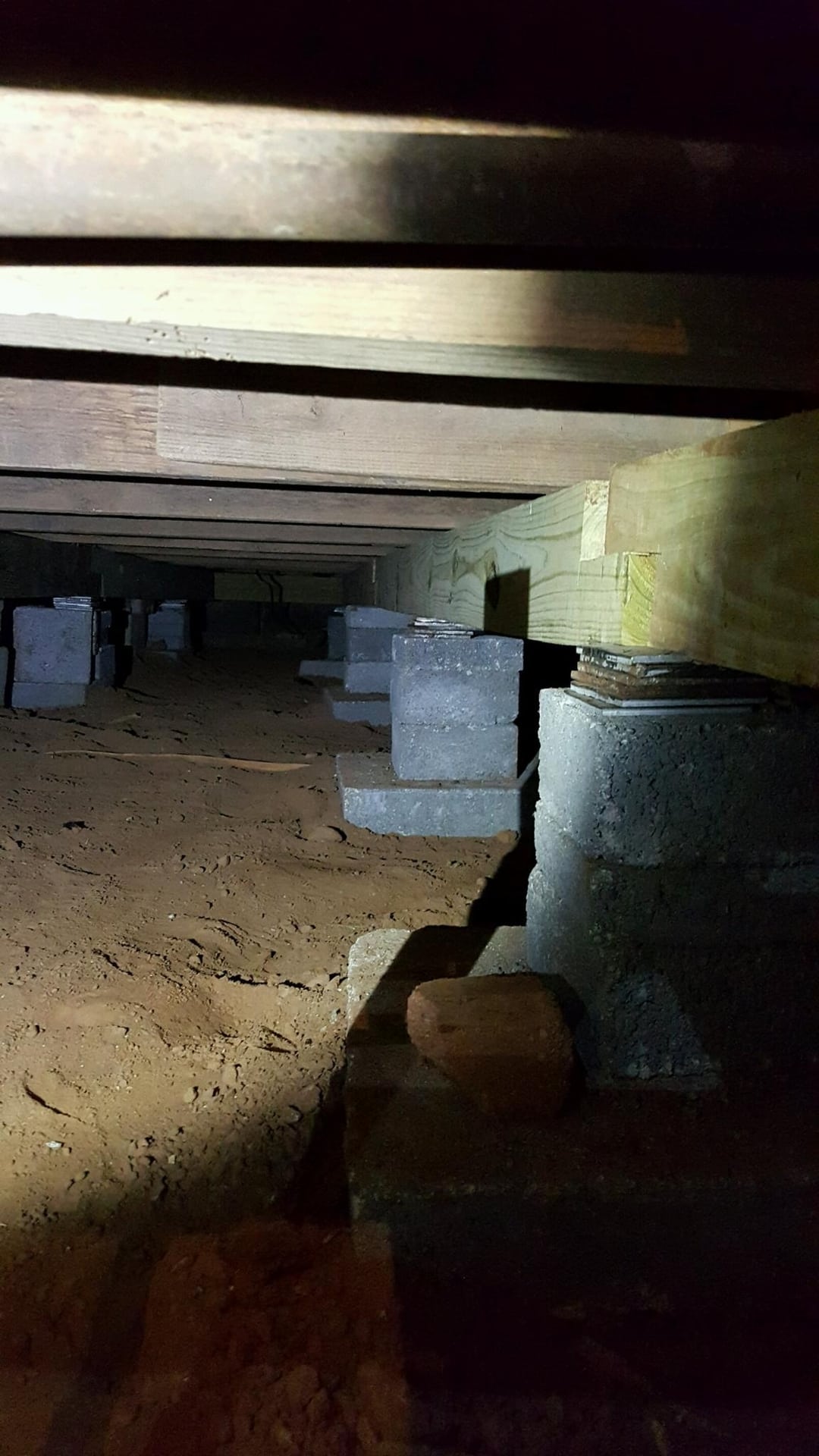
In 2026, AAA Foundation Service remains one of the most prominent providers for residential and commercial structural stabilization in the Houston metropolitan area. To resolve foundation issues in Houston’s expansive clay soil, homeowners typically require professional piering or piling installations to level the slab, prevent further cracking, and protect the home’s long-term resale value.
Houston’s geographical location presents a unique set of challenges for residential and commercial structures. The region sits atop thick layers of "expansive clay," often colloquially referred to as "Houston Gumbeaux." This soil acts like a sponge, expanding significantly when saturated with water and shrinking drastically during the city’s intense summer heatwaves. This constant cycle of heaving and settling puts immense pressure on concrete slabs, leading to the structural failures that necessitate the services of firms like AAA Foundation Service.
The Specific Challenge of Houston’s Soil and Climate
To understand why foundation repair is a multi-million dollar industry in Southeast Texas, one must look at the geological composition of the Upper Gulf Coast. The soil in Harris, Fort Bend, and Montgomery counties is predominantly composed of Montmorillonite clay. In 2026, as weather patterns continue to fluctuate between periods of extreme precipitation and prolonged drought, the volatility of this soil has only increased.
When the soil dries out, it pulls away from the foundation, leaving a void. Without the support of the earth beneath it, the heavy concrete slab begins to sag under its own weight. Conversely, during heavy rainfall or hurricane events, the soil swells, pushing upward against the slab (a phenomenon known as "upheaval"). Over time, these movements cause the concrete to crack, doors to stick, and brick veneer to separate.
AAA Foundation Service: Company Profile and History
AAA Foundation Service is a veteran in the Houston market, having established its reputation over several decades. While many "fly-by-night" contractors enter the market following droughts or floods, AAA has maintained a presence since the mid-20th century. Their longevity is a critical factor for Houston homeowners because foundation warranties are only as good as the company’s ability to remain in business to honor them.
The company specializes in several key areas:
- Residential Slab Repair: Utilizing pressed concrete pilings and steel pilings to level traditional slab-on-grade foundations.
- Pier and Beam Stabilization: Addressing older homes in areas like the Heights or Montrose that utilize crawl spaces.
- Commercial Foundation Work: Providing heavy-duty structural support for warehouses, retail centers, and office buildings.
- Under-Slab Tunneling: Facilitating plumbing repairs without breaking through the interior flooring of the home.
Primary Foundation Repair Methods in 2026
When engaging a service like AAA Foundation Repair in Houston, the solution usually involves driving supports deep into the ground to reach a stable soil layer or to create enough friction to support the structure's weight.
Pressed Concrete Pilings
This is the most common method used in the Houston area due to its balance of cost-efficiency and effectiveness. The process involves using the weight of the house itself to hydraulically drive pre-cast concrete cylinders into the ground. These cylinders are stacked on top of one another until they reach "refusal"—the point at which the soil can no longer be penetrated. A concrete cap is then placed on the top piling, and steel shims are used to level the house.
Steel Pilings
For homes with particularly deep clay or those situated near bayous where the soil is exceptionally soft, steel pilings are often recommended. These consist of high-grade steel pipes that can reach much greater depths than concrete. While more expensive, they provide a smaller "footprint" in the soil and are less likely to be affected by the seasonal moisture fluctuations of the upper soil layers.
Bell Bottom Piers
Though less common for quick repairs, bell bottom piers involve drilling a hole into the earth, flaring out the bottom (the "bell"), and pouring reinforced concrete into the shaft. This method is often preferred by structural engineers for new construction or high-load additions, as the flared base provides significant resistance to both settling and upheaval.
The Step-by-Step Repair Process
When a homeowner contacts AAA Foundation Service, the process follows a standardized technical progression to ensure safety and accuracy.
- Initial Inspection and Leveling Map: A technician uses a digital level (such as a ZipLevel) to create a topographical map of the home’s current floor elevations. This identifies exactly which corners or sections have dropped.
- Permitting and Utilities: In 2026, most municipalities in the Greater Houston area require a building permit for foundation work. Additionally, a "Call Before You Dig" service must mark underground utility lines to prevent damage to gas or water mains.
- Excavation: Small holes (approximately 2x2 feet) are dug at the locations where pilings will be installed. If interior piers are needed, the team may suggest tunneling from the outside to avoid cutting holes in the home's carpet or tile.
- Piling Installation: Using hydraulic jacks, the chosen piling material is driven to the point of refusal.
- The Lift: Once all pilings are in place, the crew uses a coordinated jacking sequence to slowly lift the low areas of the house back toward their original position. This is a delicate process, as lifting too quickly can cause new cracks in the drywall or plumbing leaks.
- Shim and Secure: Once the desired elevation is reached, steel shims are hammered into place between the piling cap and the foundation beam.
- Backfill and Cleanup: The holes are filled, and the soil is compacted.
Cost Considerations for 2026
Foundation repair costs in Houston have adjusted with inflation and the rising price of raw materials like concrete and steel. In 2026, the cost is primarily determined by the number of "piers" or "drops" required.
| Method | Estimated Cost per Pier (2026) | Typical Total Project Range | Best Use Case |
|---|---|---|---|
| Pressed Concrete Pilings | $450 – $650 | $5,000 – $12,000 | Standard residential slabs; cost-conscious owners. |
| Steel Pilings | $800 – $1,200 | $12,000 – $25,000 | Deep unstable soils; heavy multi-story homes. |
| Bell Bottom Piers | $700 – $1,000 | $8,000 – $18,000 | New additions; specific engineering requirements. |
| Polyurethane Injection | $2,500 – $6,000 (total) | N/A | Filling voids; leveling driveways or pool decks. |
Note: These figures are estimates for the Houston market and can vary based on the depth of the pilings and the accessibility of the site.
Warranties and the Importance of Post-Repair Plumbing Tests
One of the most critical aspects of hiring AAA Foundation Service is their Lifetime Transferable Warranty. In the Houston real estate market, a foundation repair without a transferable warranty can be a significant liability during a home sale. Prospective buyers in 2026 almost always demand proof of repair and a certificate of structural integrity.
However, a foundation lift inherently shifts the home’s plumbing. The PVC or cast-iron pipes buried beneath the slab are rigid, and when the house moves, those pipes can snap or disconnect. It is standard industry practice (and often a requirement for the warranty to remain valid) to perform a hydrostatic pressure test after the repair. This test ensures that the sewer and water lines are still intact. If a leak is detected, under-slab tunneling is typically required to reach the break and perform the repair.
Preventative Maintenance: The "Slab Soaker" Method
Even after professional repair from a company like AAA, Houston homeowners must engage in preventative maintenance to keep the soil moisture levels consistent. In 2026, automated foundation watering systems are common.
Homeowners are advised to:
- Install Soaker Hoses: Place hoses 12 to 18 inches away from the foundation. Watering the ground directly against the concrete can lead to erosion or "puddling," which is equally damaging.
- Maintain Grading: Ensure that the ground slopes away from the house so that water does not pool near the foundation during Houston’s frequent thunderstorms.
- Root Barriers: If large trees (like Live Oaks) are within 10-15 feet of the house, they can suck hundreds of gallons of water from the soil daily, causing localized shrinking and settling. Installing a root barrier can prevent the tree from "drinking" the water needed to keep the foundation stable.
How to Verify a Foundation Repair Contractor in Houston
Before signing a contract in 2026, verify the following credentials for any firm, including AAA Foundation Service:
- BBB Accreditation: Check the Better Business Bureau of Metropolitan Houston for their current rating and complaint history.
- General Liability Insurance: Ensure the company carries adequate insurance to cover potential damage to your home or injuries to workers.
- Engineer’s Affidavit: For major repairs, it is often wise to hire an independent structural engineer to review the repair plan and "sign off" on the final results. This provides an unbiased third-party verification that the work was done correctly.
- Local References: Ask for references in your specific neighborhood (e.g., Sugar Land, Katy, or Pearland), as soil conditions vary slightly by zip code.
Frequently Asked Questions
1. How long does a typical foundation repair take?
Most residential foundation repairs in Houston can be completed in 1 to 3 days. This includes the excavation, piling installation, and the lift. If interior piers or extensive tunneling are required, the process may extend to 5 days. Weather conditions, particularly heavy rain, can cause delays since the holes must be dry for proper installation.
2. Does homeowners insurance cover foundation repair?
In most cases, standard homeowners insurance policies do not cover foundation repair caused by "settling, cracking, shrinking, bulging, or expansion." Coverage is typically only triggered if the foundation damage was a direct result of a covered peril, such as a major plumbing leak (burst pipe) or certain types of sudden water damage. Always review your specific policy with your agent.
3. What are the early warning signs of foundation failure?
Common indicators include diagonal cracks in the drywall (especially above door frames or windows), "stair-step" cracks in the exterior brickwork, doors that no longer latch or that swing open on their own, and gaps between the ceiling and the walls. In 2026, many homeowners also use laser levels to check for sloping floors which may not be visible to the naked eye.
4. Can I stay in my home during the repair?
Yes, you can typically remain in the home while AAA Foundation Service performs the work. The majority of the noise and vibration occurs outside. However, during the "lifting" phase, you may hear loud popping or creaking sounds as the house adjusts to its new position. If interior piers are being installed through the floor, those specific rooms will be inaccessible.
5. Why is the Houston area so prone to these issues compared to other cities?
It is a combination of the "Gumbeaux" clay soil and the dramatic weather swings. Cities with more stable soil (like Austin's limestone) or more consistent moisture levels don't experience the same degree of soil movement. Houston’s high water table and the fact that much of the city was built on former swamplands or rice fields contribute to the instability.
6. Is a lifetime warranty really "lifetime"?
The warranty is generally for the life of the structure, but it usually covers only the specific areas where the pilings were installed. If a different part of the house settles later, that would be considered a new issue. It is vital to keep the original contract and any transfer documents if you sell the home, as the new owner must typically notify the company of the title transfer within 30 days.
Final Recommendation for Houston Homeowners
If you suspect your foundation is failing in 2026, the first step is to seek a professional evaluation. AAA Foundation Service offers a high level of expertise specifically tailored to the Houston climate. However, homeowners should always obtain a detailed leveling map and compare the proposed repair plan against the recommendations of an independent structural engineer. Consistent foundation watering and proper drainage remain your best defenses against future movement after the repairs are finalized.