Navigating morning congestion in Metro Detroit requires a combination of real-time data and historical pattern recognition. WWJ Newsradio 950 AM serves as the region's primary source for "Traffic and Weather on the 8s," providing critical updates every ten minutes. By understanding the typical bottlenecks on I-75, I-94, and I-696, commuters can better utilize these reports to shave minutes off their daily drive.
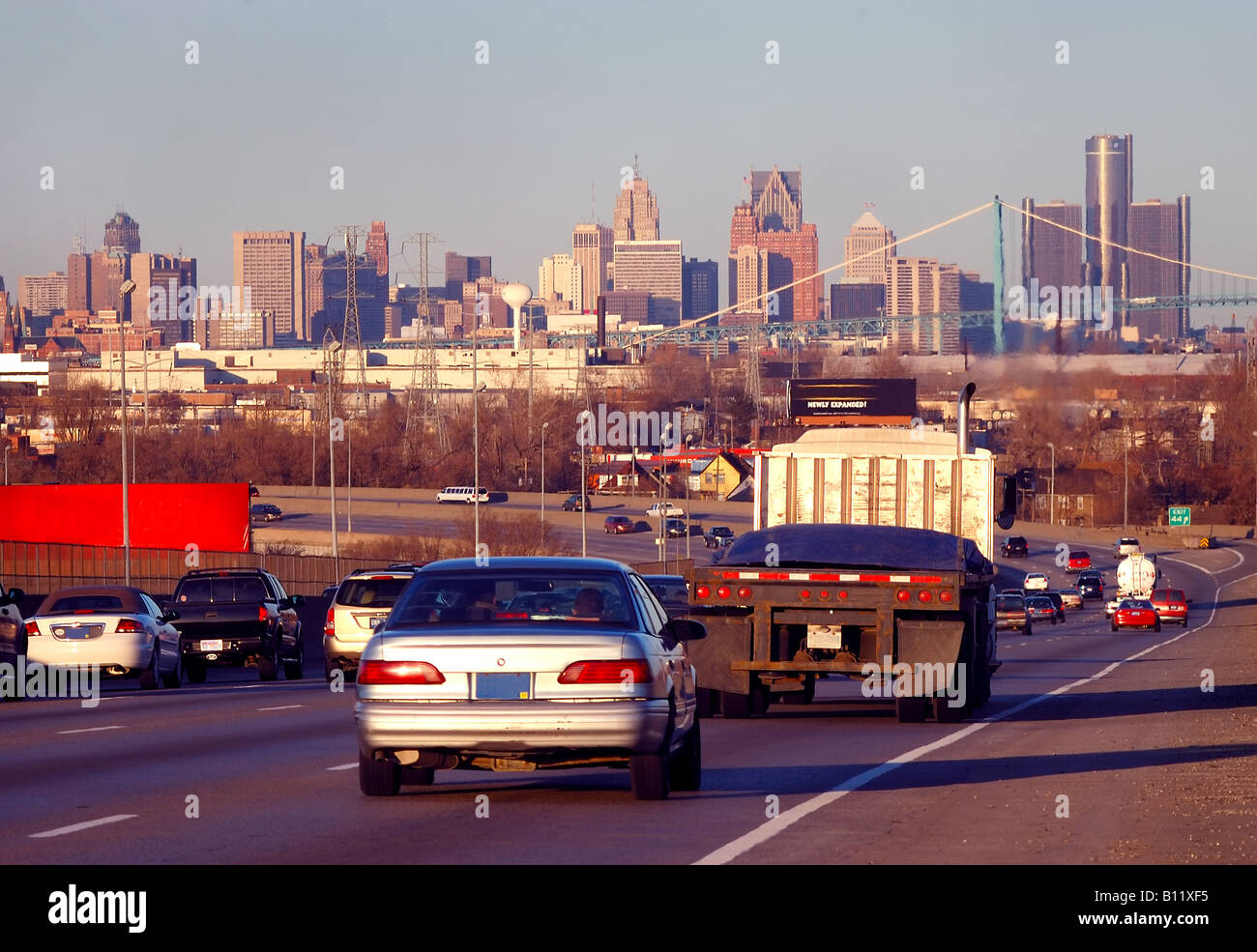
The Detroit metropolitan area, historically known as the Motor City, is defined by a "hub-and-spoke" and grid-based freeway system that funnels hundreds of thousands of vehicles toward the city center and various suburban business districts every morning. As of 2026, despite shifts in remote work, the morning rush remains a formidable challenge for those traveling from Oakland, Macomb, and Western Wayne counties.
For decades, the standard for Detroit commuters has been WWJ Newsradio 950 (950 AM). Their signature "Traffic and Weather on the 8s" ensures that drivers are never more than a few minutes away from a professional assessment of the roads. This guide analyzes the specific congestion patterns reported on 950 AM and how to interpret them for a more efficient morning commute.
The Role of WWJ 950 AM in Detroit’s Morning Commute
WWJ Newsradio 950, an Audacy-owned station, utilizes a sophisticated network of sources to provide its traffic reports. These include the Michigan Department of Transportation (MDOT) camera feeds, aircraft observations (when weather permits), and "tipsters"—commuters who call in reports of accidents or debris.
Why "The 8s" Matter
The reporting schedule (8, 18, 28, 38, 48, and 58 minutes past the hour) is designed to sync with the typical duration it takes a driver to traverse a major segment of the Detroit freeway system. For example, if you hear a report at 7:08 AM about a stall on the I-75 Chrysler Freeway near 14 Mile Road, you have roughly ten minutes of lead time before the next update to decide if you should exit onto a surface street like Rochester Road or Stephenson Highway.
Terminology Used on 950 AM
To get the most out of these reports, listeners must understand the local "shorthand" often used by traffic anchors:
- The Mixing Bowl: The complex interchange where I-696, I-275, M-5, and I-96 converge in Farmington Hills.
- The Malfunction Junction: Often refers to the I-75 and I-94 interchange near Midtown Detroit.
- The Lodge: M-10, running from West Bloomfield through Southfield into Downtown.
- The Reuther: I-696, the primary east-west connector across the northern suburbs.
- The Fisher: The southern portion of I-75.
- The Chrysler: The northern portion of I-75.
Mapping Morning Congestion Patterns by Freeway
Detroit’s morning congestion is generally "inbound," meaning traffic flows toward the city center or toward major employment hubs like Southfield, Troy, and Dearborn.
I-75 (Chrysler and Fisher Freeways)
As one of the busiest corridors in the state, I-75 experiences significant slowing starting as early as 6:30 AM.
- The Northbound/Southbound Split: In the morning, the heaviest volume is Southbound I-75 from M-59 down through the Big Beaver and 14 Mile areas.
- The Modernization Project Impact: Following years of segment-by-segment reconstruction (the I-75 Modernization Project), the 2026 landscape features improved drainage and HOV lanes in certain sections, yet the sheer volume of traffic entering from the northern suburbs frequently leads to "stop-and-go" conditions between 8 Mile Road and the Davison Freeway (M-8).
I-94 (Edsel Ford Freeway)
I-94 is the primary artery for those coming from the Grosse Pointes to the east or Ann Arbor and Metro Airport to the west.
- Eastside Inbound: Commuters often face delays near Cadieux and Conner as the lanes narrow and the age of the infrastructure contributes to slower merging.
- Westside Inbound: The "Airport Stretch" is usually clear until the merge with I-96 (The Jeffries), where volume increases dramatically heading toward the New Center area.
I-696 (Walter P. Reuther Freeway)
I-696 is unique because it serves as a "suburban bypass" that has become a destination in its own right.
- The "Wall of Traffic": Eastbound I-696 from the Mixing Bowl toward Southfield is notoriously slow between 7:30 AM and 8:45 AM.
- The Royal Oak Bottleneck: Where I-696 meets I-75, the lane configurations often cause "phantom traffic jams" where cars slow down due to heavy merging rather than a specific accident.
M-10 (The Lodge Freeway)
The Lodge is the preferred route for many coming from the Northwest suburbs. It is prone to "rubbernecking" delays due to its narrow shoulders and frequent curves, especially near the 7 Mile and 8 Mile exits.
Analyzing Peak Congestion Times
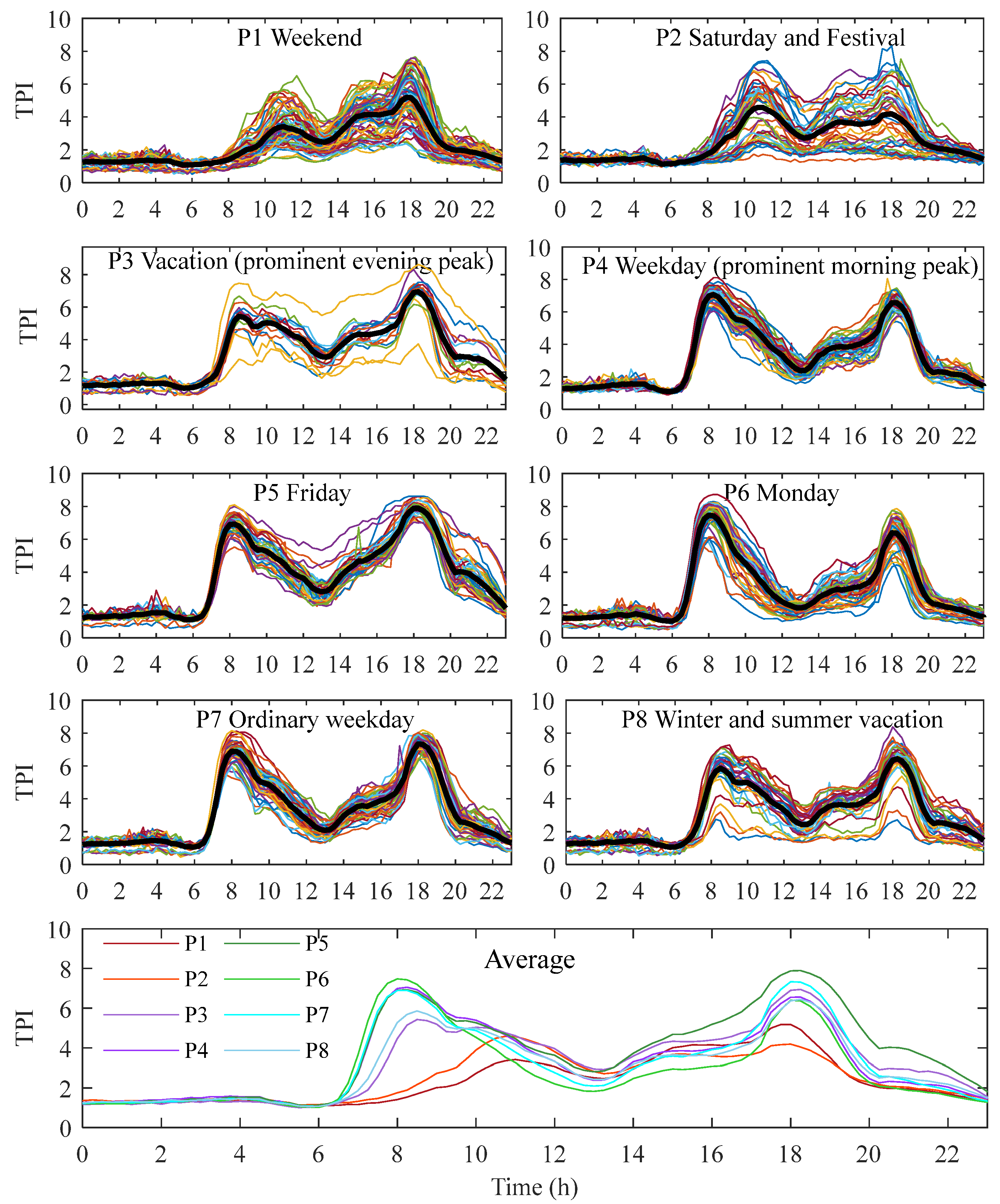
Commuter data in 2026 suggests that the "peak of the peak" has shifted slightly later than in previous decades, but the traditional rush hour windows still hold true for the majority of Detroit workers.
| Time Window | Traffic Intensity | Typical 950 AM Report Focus |
|---|---|---|
| 5:30 AM – 6:30 AM | Light to Moderate | Early morning construction zones and overnight maintenance clearing. |
| 6:30 AM – 7:30 AM | Heavy | Building volume on I-75 SB and I-696 EB; first reports of "fender benders." |
| 7:30 AM – 8:30 AM | Peak Congestion | Major delays at interchanges (The Mixing Bowl, I-75/I-94); drive times significantly exceed "green" conditions. |
| 8:30 AM – 9:30 AM | Tapering Heavy | Residual delays from earlier incidents; traffic moving into city surface streets. |
| 9:30 AM – 10:30 AM | Moderate | "Orange Barrel" season activities (construction crews moving into lanes). |
Seasonal and Environmental Factors
Detroit's weather is a primary driver of congestion patterns reported on 950 AM. The station often pivots its coverage based on the time of year.
The "Orange Barrel" Season
In Michigan, construction season typically runs from April through November. In 2026, several key bridge replacements and pavement rehabilitations continue to affect the I-94 corridor through Detroit. 950 AM anchors prioritize these zones because lane closures are often dynamic, changing from day to day.
Winter Weather Impacts
When the "lake effect" snow hits, the morning commute can double or triple in duration. 950 AM's traffic reports become essential for identifying "black ice" patches, which are common on the elevated interchanges of the I-696/I-75 stack. During snow events, the station often provides "Drive Time" estimates, comparing the freeway speed to the surface street alternatives.
Integrating 950 AM with Digital Navigation
While apps like Waze, Google Maps, and Apple Maps provide visual data and rerouting algorithms, they often lack the "why" and "how long" context that a live human reporter on 950 AM provides.
- The Visual/Audio Synergy: Use your GPS for the tactical "turn-by-turn" rerouting, but keep 950 AM on to hear the severity of an incident. An app might see a red line and assume it's just heavy volume, while a 950 AM reporter can tell you that a semi-truck has spilled its load, meaning the road will likely be closed for hours.
- Verifying "Ghost" Accidents: Navigation apps sometimes show accidents that have already been cleared because users haven't "un-reported" them. Live radio updates provide the most current status of lane clearances.
- Local Knowledge: 950 AM anchors often suggest local bypasses (e.g., taking Woodward Avenue or Telegraph Road) that might not be the "first choice" for an algorithm but are practically better due to traffic light synchronization or current pavement conditions.
Strategic Commuter Recommendations
To master the Detroit morning commute in 2026, follow these expert strategies:
- The "Ten-Minute Rule": If you hear a report of a "total closure" on your route at the :08 mark, do not wait until the :18 mark to exit. The "ripple effect" of a major accident on Detroit freeways typically moves backward at a rate of one mile every two minutes.
- Know Your Surface Streets: Always have a "Plan B" that involves major mile roads. In Detroit, the mile-road system (8 Mile, 10 Mile, 12 Mile) and the diagonal "Spoke" roads (Grand River, Michigan Ave, Gratiot, Woodward, Jefferson) are the primary pressure valves for freeway congestion.
- Monitor MDOT Sources: For a visual supplement to the 950 AM audio, the MDOT Mi Drive Map provides real-time camera feeds and official construction schedules.
- Check the Weather Early: If the National Weather Service - Detroit/Pontiac issues a Winter Weather Advisory, plan to tune into 950 AM at least 20 minutes before you leave your driveway.
Frequently Asked Questions
What is the most reliable way to get traffic updates on 950 AM if I don't have an AM radio?
You can stream WWJ Newsradio 950 live via the Audacy app or website. Most modern vehicles with smart dashboards can also access the station via digital radio (HD Radio) on the 95.0-2 band or through integrated streaming apps.
Why does I-696 always seem congested near the I-75 interchange?
This area is a major convergence point for cross-county traffic. The "weaving" action—where drivers entering from I-75 must cross multiple lanes to stay on I-696, and vice versa—creates a natural braking point that leads to congestion even without accidents.
Does 950 AM report on traffic accidents in the suburbs or just the city?
WWJ 950 AM covers the entire "Tri-County" area (Wayne, Oakland, and Macomb) as well as major incidents in Washtenaw (Ann Arbor) and Livingston counties. Their reach typically extends to any corridor that impacts the Detroit metropolitan commute.
How accurate are the "Drive Times" given on the radio?
Drive times are estimates based on a mix of sensor data and historical averages. While generally accurate, they can change rapidly during active "incidents" like sudden snow squalls or multi-vehicle accidents. It is best to treat them as a "best-case" indicator during rush hour.
Is there a specific time when morning construction usually starts?
Most "daily" lane closures for maintenance start after the peak morning rush, usually around 9:00 AM or 10:00 AM. However, major long-term projects involve 24/7 lane restrictions. 950 AM provides updates on these permanent zones during every report.
Practical Next Action
Before starting your vehicle tomorrow morning, check the weather forecast. If any precipitation is expected, turn on WWJ Newsradio 950 immediately upon starting your car. Listen through at least two "Traffic on the 8s" cycles (20 minutes) to identify if your primary route is affected by overnight construction or early-morning incidents. If you hear a report of "heavy slowing" on your usual freeway, cross-reference this with a real-time map to identify the most efficient mile-road alternative.