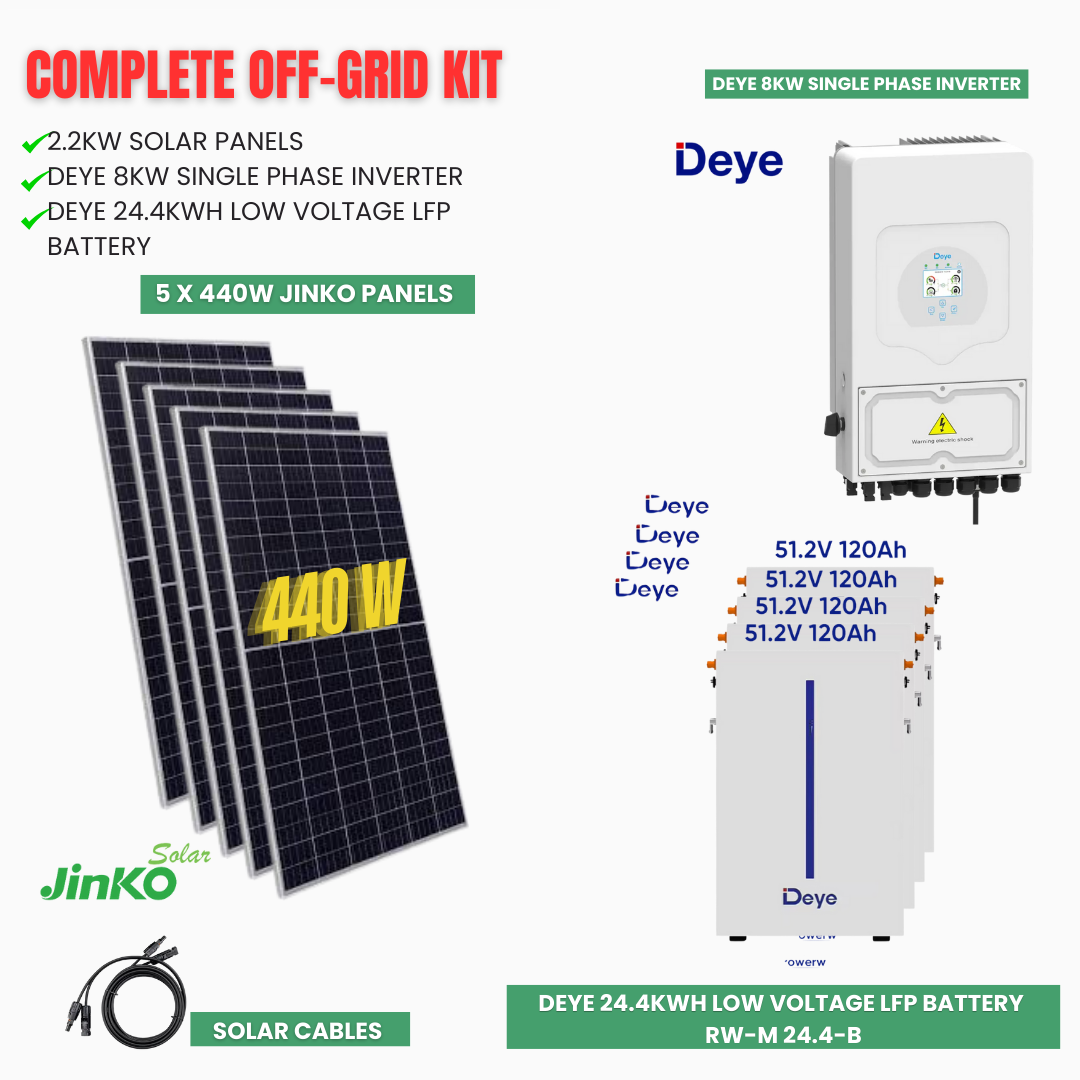
A 6kW solar system is a mid-to-large residential photovoltaic setup designed to generate an average of 24 to 30 kilowatt-hours of electricity per day, depending on geographic location, seasonal sunlight variations, and panel orientation. This capacity comfortably covers the electricity needs of an average-sized household, offsetting utility bills and providing a scalable foundation for energy storage additions or electric vehicle charging infrastructure.
Understanding the 6kW Solar System Capacity and Output
A 6kW (kilowatt) solar system refers to the total peak power output of the photovoltaic (PV) array under standard test conditions (STC). In practical terms, a system of this size typically comprises 15 to 20 individual solar panels, depending on the wattage rating of the chosen modules—ranging from 300 watts to 400 watts or higher per panel.
The actual daily energy yield of a 6kW setup depends heavily on peak sun hours—the number of hours per day when solar irradiance averages 1,000 watts per square meter. A home situated in an area receiving 4 to 5 peak sun hours daily can expect to generate roughly 24 to 30 kilowatt-hours (kWh) of electricity per day. Over the course of a year, this accumulates to approximately 8,700 to 11,000 kWh, matching or exceeding the annual consumption profile of many modern energy-efficient homes.
Evaluating this capacity requires looking closely at household load profiles. Energy usage fluctuates throughout the day, driven by major appliances such as refrigerators, air conditioning units, heat pumps, and washers. Because solar generation peaks during midday while household consumption often spikes in the morning and evening, matching production with consumption requires careful evaluation of lifestyle patterns or the integration of solar battery storage systems.
Core Hardware Components of a 6kW Setup
Designing and installing a robust 6kW photovoltaic installation involves several distinct hardware layers working in tandem. Every component must be selected for compatibility, durability, and electrical efficiency to ensure optimal return on investment over a 25-to-30-year operational lifespan.
Photovoltaic Panels
The panels form the visible face of the system. Modern installations typically use monocrystalline silicon panels due to their superior efficiency rates (often exceeding 21% to 23%) and sleek aesthetic profile. A 6kW system requires roughly 370 to 400 square feet of unobstructed roof space, assuming standard panel dimensions and spacing.
Inverters: String Inverters vs. Microinverters
The inverter converts the direct current (DC) electricity generated by the panels into alternating current (AC) electricity used by household appliances and the grid. System designers generally choose between two primary configurations:
- String Inverters: A single central inverter manages the entire array. This option is cost-effective and reliable, but performance can be bottlenecked if a single panel is shaded or experiences degradation.
- Microinverters (or Power Optimizers): Individual microinverters are attached to each panel. This maximizes energy harvest independently, meaning shading on one panel does not affect the output of the others, and allows for real-time panel-level performance monitoring.
Racking, Mounting, and Balance of System
Mounting hardware secures the panels to the roof or ground structure, engineered to withstand local wind loads and seismic requirements. Balance of system (BOS) components include DC and AC disconnects, rapid shutdown devices compliant with electrical safety codes, wiring conduits, and monitoring hardware that tracks energy generation via smartphone apps or web dashboards.
Financial Considerations: Costs, Incentives, and Payback
Investing in a 6kW solar system involves weighing upfront capital expenditures against long-term operational savings. Financial metrics vary by region, local utility tariff structures, and available government incentives.
Upfront Costs and Market Pricing
As of 2026, the gross cost of a residential 6kW solar system typically ranges between $15,000 and $21,000 before financial incentives, depending on labor rates, geographical location, equipment tier, and whether battery storage is included. Roof complexity, electrical panel upgrades, and local permitting fees can also influence the final contract price.
Incentives and Tax Credits
Federal, state, and local incentives substantially lower the net capital expense. In the United States, homeowners can leverage the federal Residential Clean Energy Credit (Section 25D), which provides a tax credit percentage against the total installation cost. Additionally, many states offer Solar Renewable Energy Certificates (SRECs) or rebate programs that generate ongoing passive revenue or direct bill credits.
Net Metering and Utility Compensation
Net metering policies dictate how utilities compensate solar owners for excess electricity exported back to the grid. Under true net metering, homeowners receive a 1:1 credit for surplus kWh sent to the grid, which offsets nighttime consumption. Where net metering policies have been replaced by net billing or export tariffs, pairing the 6kW system with a home battery becomes financially advantageous to store excess power rather than exporting it at wholesale rates.
| System Aspect | Typical Specification / Range | Practical Implication |
|---|---|---|
| Total Array Capacity | 6,000 Watts (6kW) | Requires 15–20 panels; generates 24–30 kWh daily on average. |
| Roof Space Required | 370 – 400 square feet | Requires unshaded, structurally sound south- or west-facing roof space. |
| Average Annual Output | 8,700 – 11,000 kWh | Offsets a standard household's yearly electricity consumption. |
| Gross Installation Cost | $15,000 – $21,000 (USD) | Varies by component quality, labor, and local market conditions. |
| Estimated Payback Period | 6 – 10 years | Accelerated by federal tax credits, high utility rates, and net metering. |
Operational Performance Factors and Limitations
While a 6kW system provides a reliable energy baseline, physical and environmental factors influence day-to-day performance. Understanding these variables prevents unrealistic expectations regarding output consistency.
Shading, Orientation, and Tilt
Maximum efficiency requires an unshaded southern exposure (in the Northern Hemisphere) or western exposure. Obstructions such as chimneys, mature trees, or neighboring structures cast shadows that disrupt current flow, particularly in string inverter configurations. The tilt angle should ideally match the local latitude to optimize year-round solar capture.
Temperature Coefficiency
Solar panels operate most efficiently under bright, cool conditions. As ambient temperatures rise and panel surfaces heat up, electrical resistance increases, causing a marginal drop in voltage and power output. High-temperature climates experience a slight seasonal dip in real-world efficiency compared to cooler, sunny environments.
Maintenance and Degradation
Photovoltaic systems require minimal maintenance, largely limited to periodic visual inspections and occasional cleaning if dust, pollen, or debris accumulates significantly. High-quality panels feature linear performance warranties guaranteeing at least 80% to 85% of original production capacity after 25 years, with annual degradation rates typically hovering around 0.5% per year.
Choosing Between Grid-Tied, Off-Grid, and Hybrid Configurations
System architecture dictates how a 6kW array interacts with external power infrastructure and influences resilience during grid outages.
- Grid-Tied Systems: Connected directly to the local utility grid without battery storage. These systems are the most cost-effective and common choice, but they shut down automatically during a blackout for lineworker safety.
- Hybrid Systems: Combine a grid-tied setup with a lithium-ion battery storage unit (such as a 10kWh to 15kWh battery). This configuration provides backup power during grid failures while retaining the financial benefits of net metering.
- Off-Grid Systems: Completely independent of the utility grid, relying entirely on a 6kW array paired with substantial battery banks and often a backup generator. These systems require rigorous load management and are typically deployed in remote locations where grid connection is cost-prohibitive.
Frequently Asked Questions
Can a 6kW solar system power an entire house?
A 6kW system can power an average home that consumes roughly 800 to 900 kWh per month. However, homes with heavy heating and cooling loads, electric vehicle charging, or electric water heaters may require a larger system—such as 8kW or 10kW—to achieve complete energy offset.
How many solar panels are needed for a 6kW system?
The number of panels depends on individual module wattage. Using modern 400-watt panels requires 15 units. If using older or lower-output 300-watt panels, the system requires 20 units to reach the 6kW threshold.
Will a 6kW solar system work during a power outage?
Standard grid-tied 6kW systems automatically shut down during a utility blackout to prevent backfeeding electricity into downed power lines. To maintain power during an outage, the system must be configured as a hybrid setup with an integrated battery storage system and a transfer switch.
What is the lifespan of a 6kW solar system?
Most high-tier solar panels carry 25-year performance warranties and can continue producing electricity for 30 years or more. Inverters have a shorter operational lifespan; string inverters typically require replacement once after 10 to 15 years, whereas microinverters often match the lifespan of the panels.
Is my roof suitable for a 6kW solar system?
A suitable roof requires adequate unshaded surface area (approximately 400 square feet), sound structural integrity capable of supporting the dead load of the racking and panels, and an orientation facing south or west. Roofs older than 15 years should ideally be replaced before installing solar panels.
Next Steps for Prospective Buyers
Homeowners considering a 6kW solar system should begin by auditing recent utility bills to establish exact monthly and annual kWh consumption patterns. Next, obtain multiple competing quotes from licensed, NABCEP-certified local solar contractors to compare equipment tiers, warranties, and financial projections. Verify local permitting requirements, interconnection rules with the regional electric utility, and available tax incentives to maximize the return on investment.